Animal Tracking for Beginners
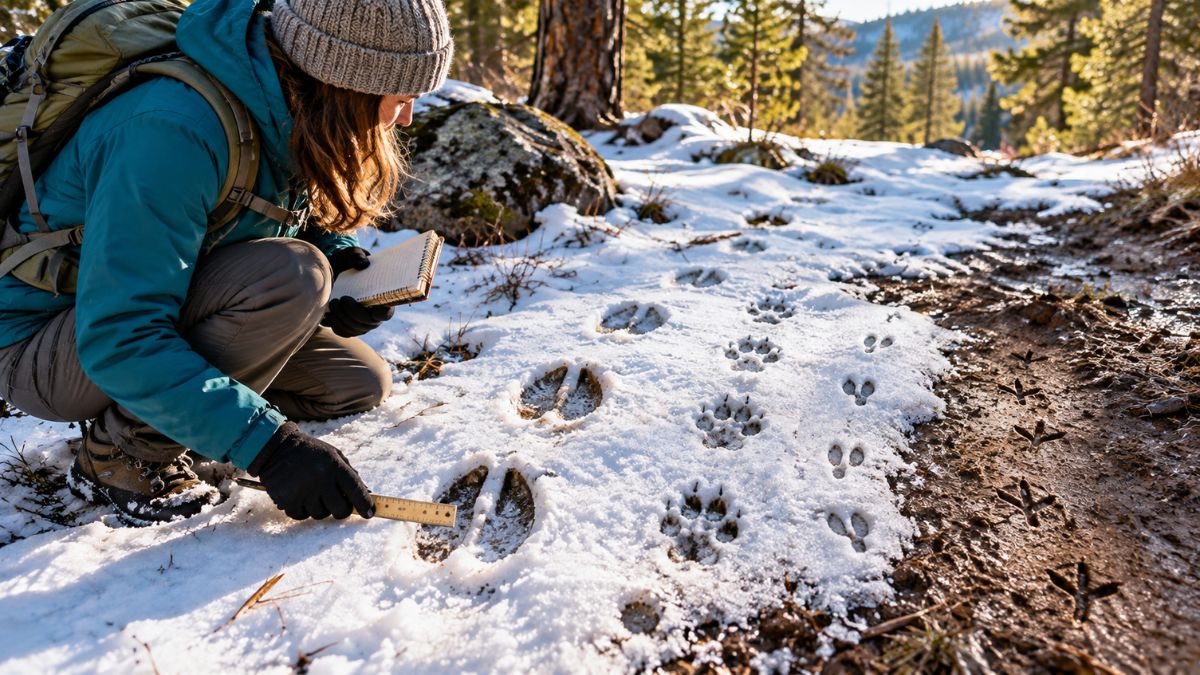
Animal tracking takes patience more than special equipment. A small notebook, phone camera, ruler, and simple track guide can help, but your eyes are the most important tool. The more time you spend looking, the easier it becomes to notice things you once walked past.
Start With Footprints
Look for tracks in mud, snow, sand, or soft ground near water. Notice the size, shape, number of toes, and whether claw marks are visible. A single print can give clues, but several prints in a row tell you much more about how an animal moved.
Deer tracks often have two pointed hoof marks, while many dog-family tracks have four toes and may show claws. Cat-family tracks are usually rounder and often do not show claw marks. Do not worry about naming every animal right away because learning basic track shapes is a good first step.
Look for More Than Tracks
Animals leave many signs besides footprints. You may find chewed plants, feathers, nests, burrows, fur caught on bark, droppings, or scratches on trees. Each sign gives another clue about where the animal went and what it may have been doing.
Pay attention to the whole area instead of staring only at the ground. A trail through tall grass may show where animals move often, while small openings under a fence may show a regular travel route. Water sources are also good places to look because many animals visit them to drink.
Track Wildlife Without Disturbing It
Do not follow fresh tracks so closely that you chase or corner an animal. Give wildlife plenty of space, especially when the tracks may belong to bears, mountain lions, moose, or other large animals. Never touch droppings or dead animals with bare hands, and leave nests, bones, feathers, and other natural items where you find them. A good tracker observes wildlife without disturbing it or changing its normal behavior.
Morning, fresh snow, and soft mud near streams or ponds can make tracks easier to find and study. Take a photo without disturbing the print and place a ruler, coin, or other small object nearby to show its size. Write down where you found the track and what the ground looked like, then compare the photo with a trusted field guide or wildlife source later. Do not worry if you cannot identify every track right away, because weather, melting snow, and overlapping prints can change their shape and make tracking part of the fun.


Best Amazon Cyber Monday Outdoor Deals
Cyber Monday is here, and it’s the perfect time for

Ice Fishing Fish Finder Guide
A clear, practical look at fish-finder styles, transducers, mounting and

How to Choose the Perfect Ice Fishing Rod
Ice fishing is all about balance—between sensitivity, strength, and comfort.

The Ultimate Guide to Ice Fishing Apparel: Layering for Warmth, Comfort & Safety
When it comes to ice fishing, the difference between an

Ice Fishing Lures 101: How to Choose the Best Bait for Every Condition
When winter locks lakes and ponds beneath a thick sheet

Best Ice Fishing Shelters: What to Know Before You Buy
Everything you should think about before buying an ice-fishing shelter