
Backcountry Snowmobiling: Navigating Off-Trail Adventures
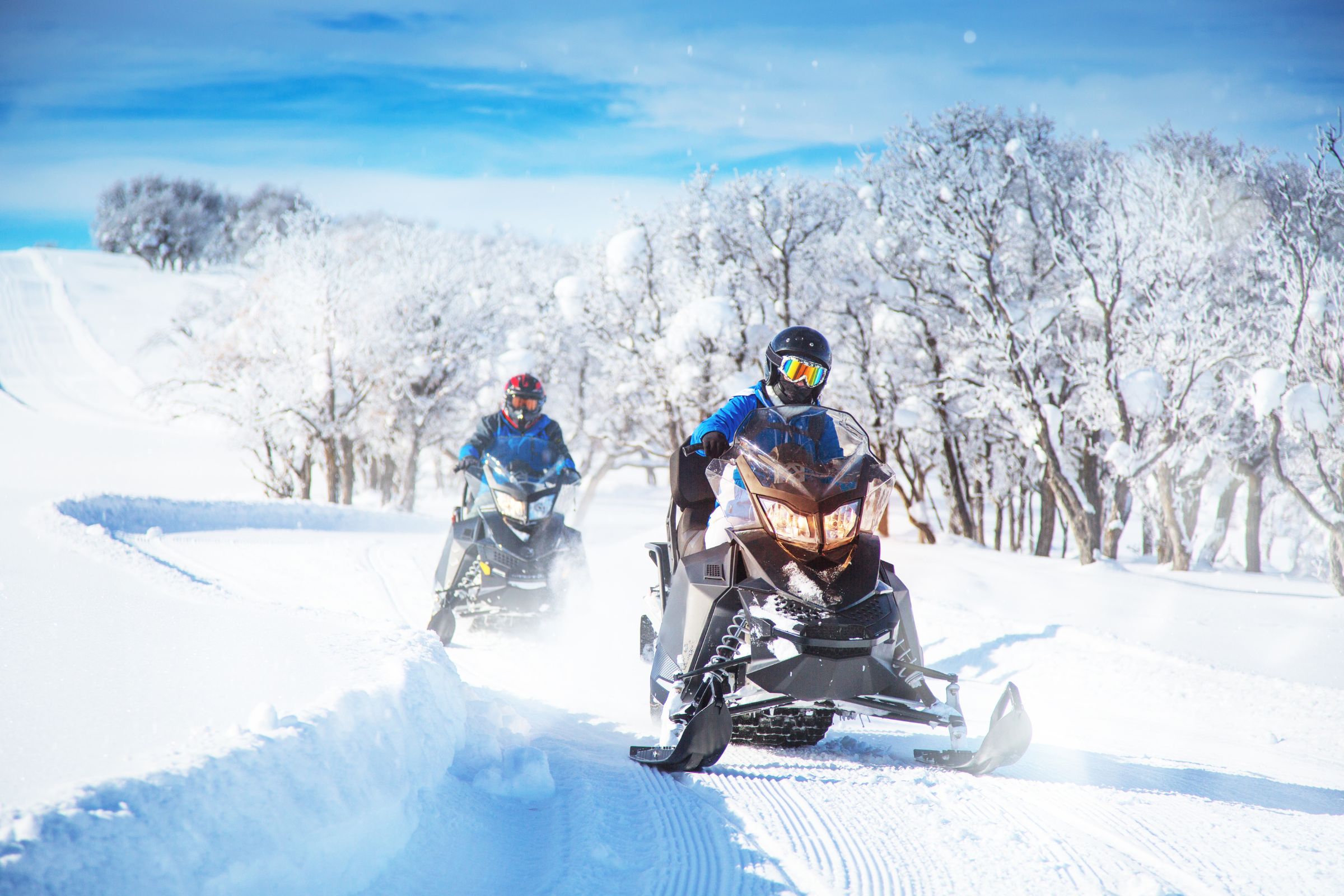
The allure of untouched powder, the freedom of exploring vast landscapes, and the thrill of conquering challenging terrain—these are the hallmarks of backcountry snowmobiling. While groomed trails offer a structured experience, venturing off-trail opens up a world of exhilarating possibilities. However, backcountry riding demands careful preparation, skill, and a deep respect for the environment.
What is Backcountry Snowmobiling?
Backcountry snowmobiling involves riding in ungroomed, often remote areas. This can include:
- Mountainous regions: Exploring alpine bowls, forested areas, and steep inclines.
- Wilderness areas: Navigating through untouched landscapes, away from established trails.
- Open meadows and fields: Discovering hidden gems and enjoying the freedom of wide-open spaces.
Essential Preparations:
- Skill and Experience:
- Backcountry riding requires advanced snowmobiling skills. Riders should be proficient in handling their machines in various snow conditions and terrain.
- It is not a place for beginners.
- Avalanche Awareness:
- Avalanche safety is paramount in mountainous backcountry areas.
- Take an avalanche safety course, carry avalanche safety gear (beacon, shovel, probe), and understand how to assess avalanche risk.
- Navigation:
- Carry a reliable GPS device, maps, and a compass.
- Learn how to navigate in unfamiliar terrain and be prepared for changing weather conditions.
- Gear and Equipment:
- Ensure your snowmobile is in excellent working condition.
- Pack essential gear, including a first-aid kit, repair tools, extra fuel, food, and water.
- Wear appropriate clothing for extreme cold and changing conditions.
- Safety First:
- Never ride alone. Always go with a group and inform someone of your planned route.
- Be aware of local regulations and obtain any necessary permits.
- Communication devices such as satellite communication devices are very important.
Key Considerations:
- Terrain Awareness:
- Be mindful of hidden obstacles, such as rocks, tree stumps, and deep crevasses.
- Assess terrain carefully before riding and avoid areas that pose excessive risk.
- Environmental Responsibility:
- Respect wildlife and their habitats.
- Stay on designated trails where applicable, and avoid damaging fragile ecosystems.
- “Leave no trace” is a very important concept.
- Weather Conditions:
- Backcountry weather can change rapidly.
- Check the forecast before heading out and be prepared for sudden shifts in temperature and visibility.
The Rewards:
Despite the challenges, backcountry snowmobiling offers unparalleled rewards. The sense of adventure, the breathtaking scenery, and the feeling of accomplishment are truly unforgettable.
In Conclusion:
Backcountry snowmobiling is an exhilarating way to experience the beauty and power of winter landscapes. However, it requires careful planning, advanced skills, and a strong commitment to safety. By prioritizing preparation and responsible riding practices, you can enjoy the thrill of off-trail adventures while minimizing risks.

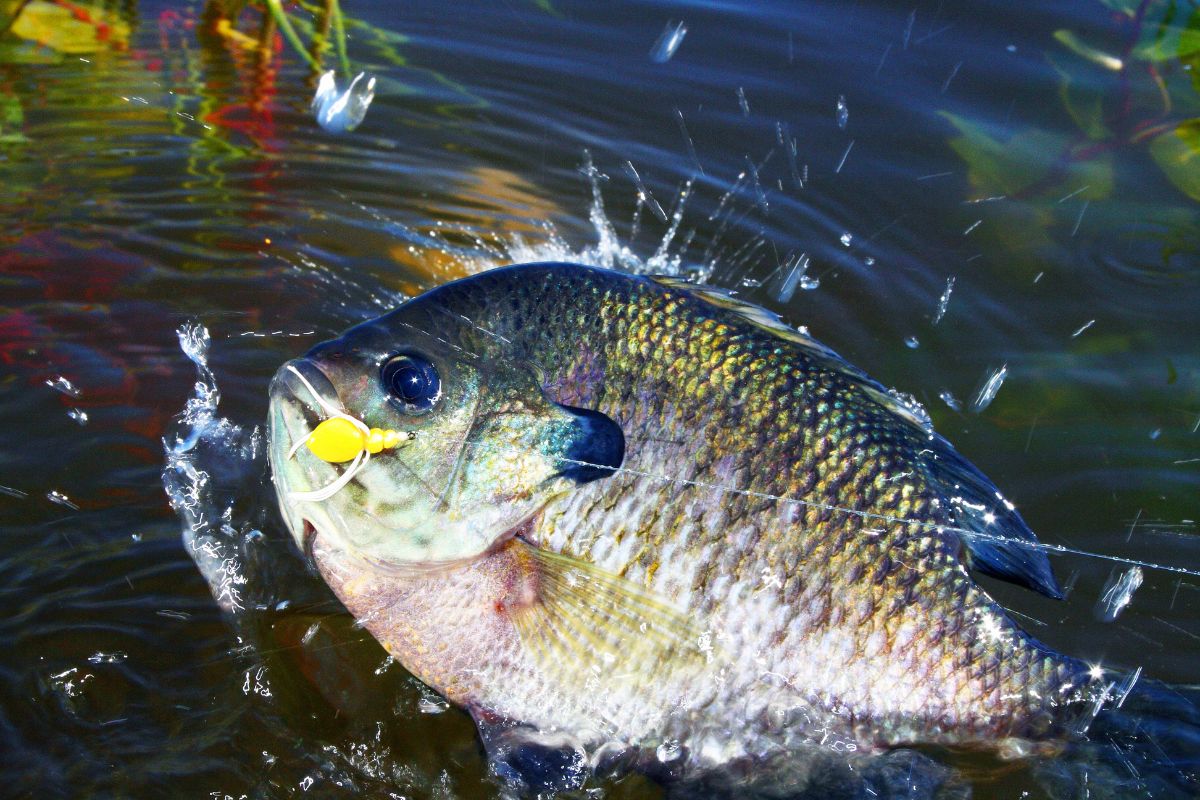
10 Top Trophy Bluegill Fishing Destinations
Bluegill are one of America’s most beloved panfish, and while
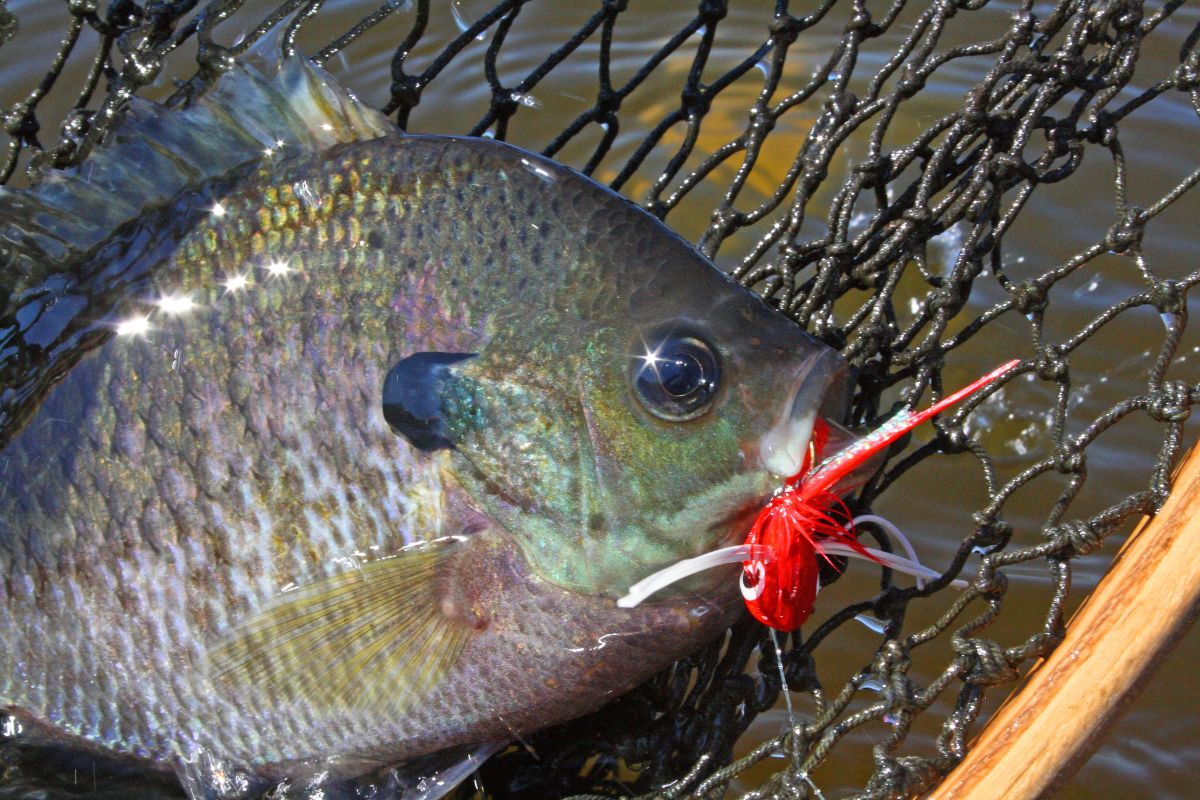
Bluegill Basics: An Easy Guide to Reeling in More Panfish
Bluegill fishing is one of the most enjoyable and accessible
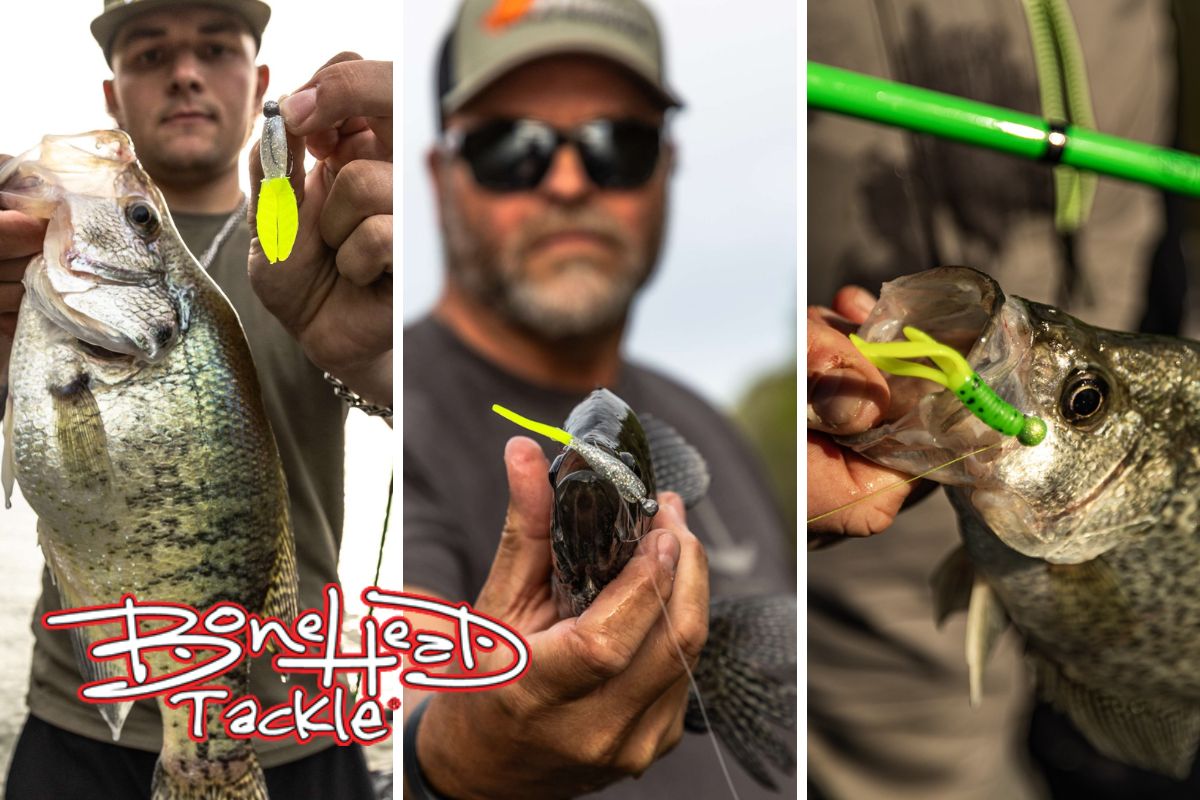
Crappie Candy: Why Bonehead Tackle Snack Packs Are a Must-Have for Slab Hunters
When it comes to filling the livewell fishing for slabs,
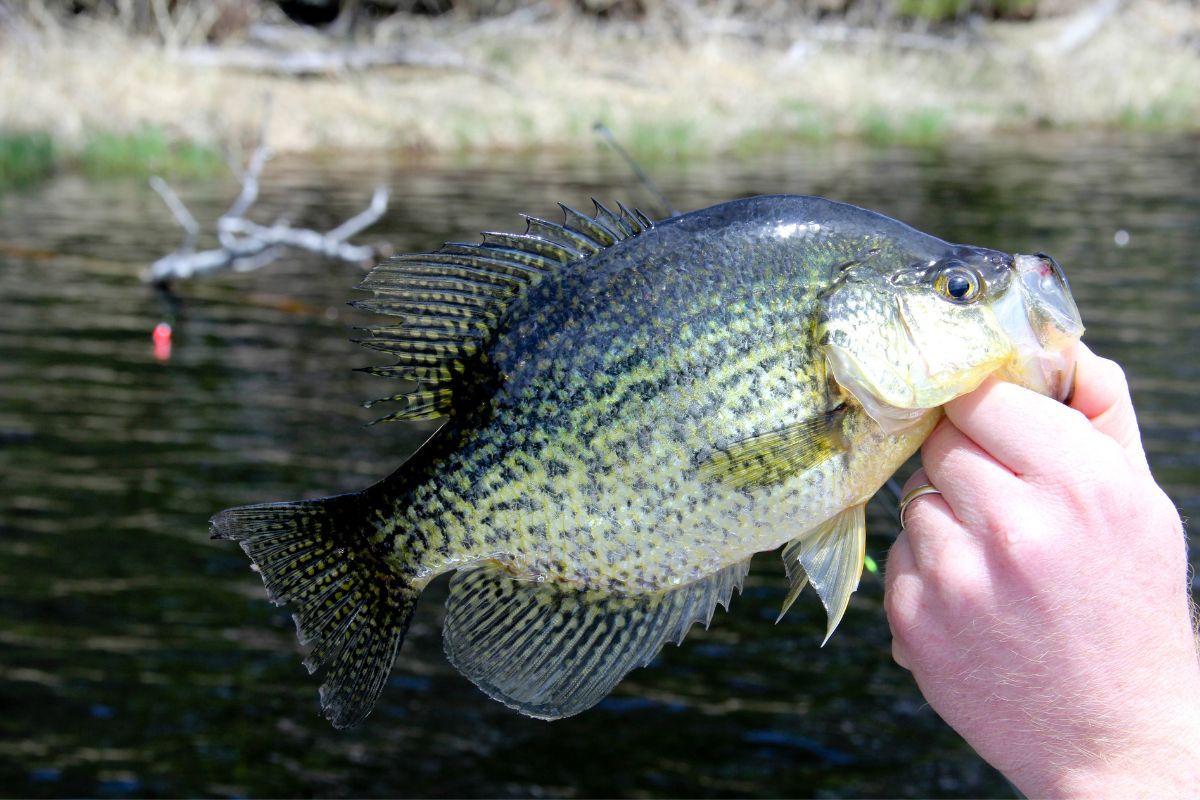
Prime Time Crappie Fishing: When, Where, and Why It Matters
Crappie fishing is a favorite pastime for many anglers, and
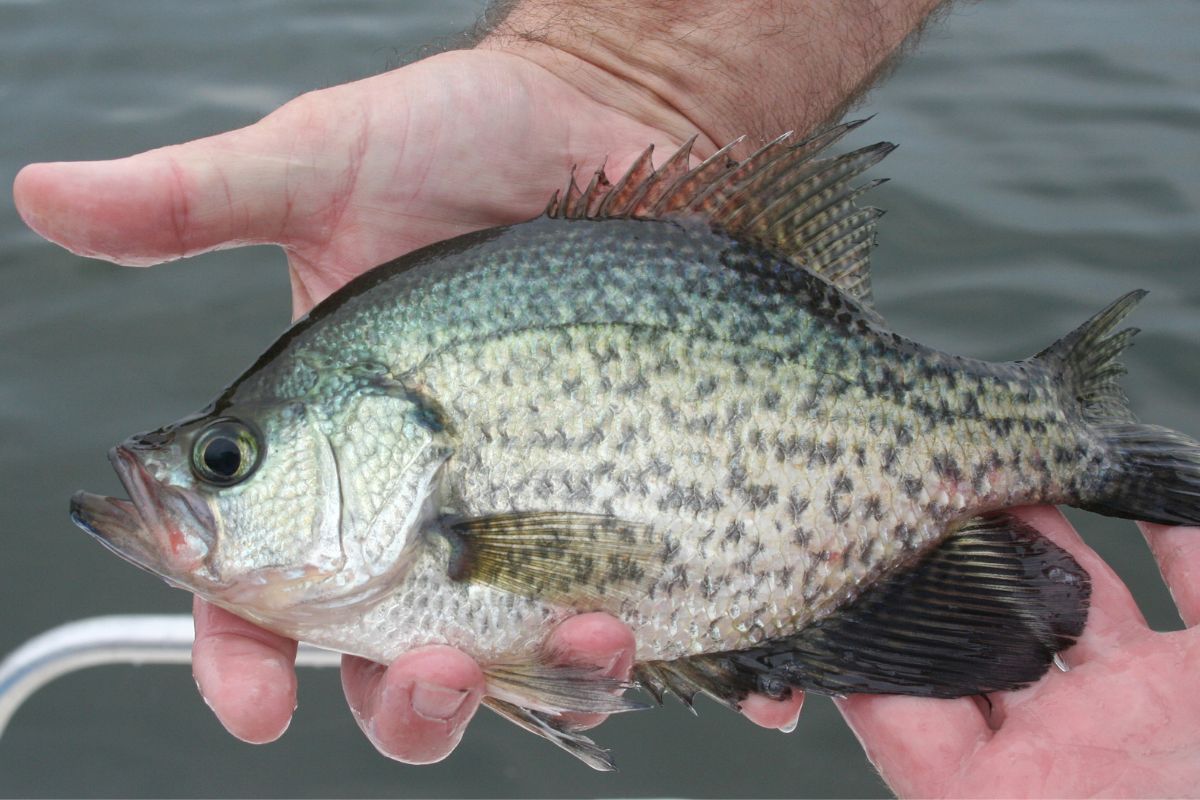
Crappie Fishing 101: Everything Beginners Need to Know to Start Catching Slabs
If you're new to fishing and want to catch a
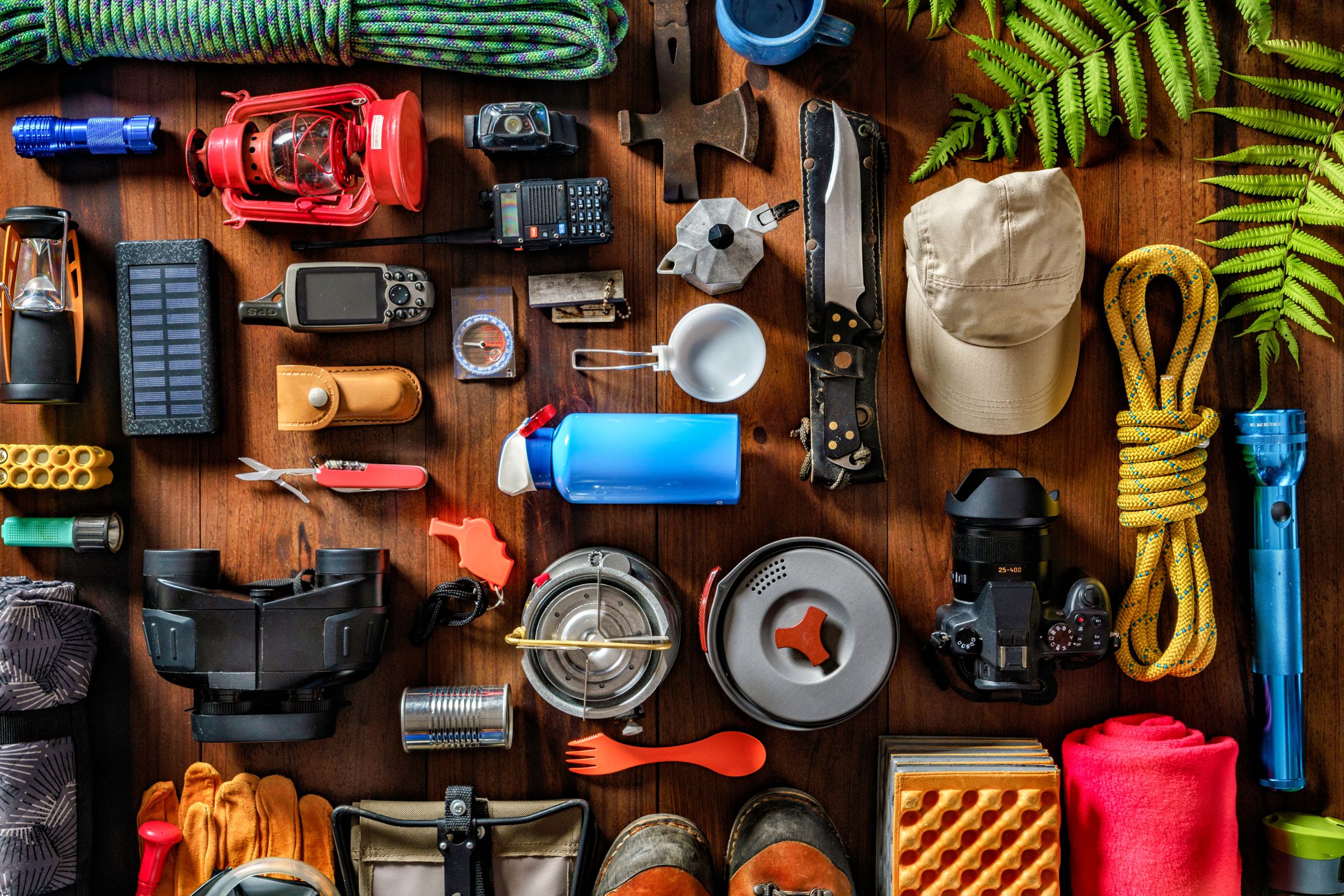
The Ultimate Guide to Choosing the Perfect Camping Gear
Camping is a versatile outdoor activity that appeals to everyone—from