
Best Ice Fishing Shelters: What to Know Before You Buy

Everything you should think about before buying an ice-fishing shelter — from portability and capacity to materials, accessories, and safety tips.
Why use an ice fishing shelter?
Ice fishing shelters make your time on the ice more comfortable and productive. They block wind and cold, help retain heat (especially when using a safe heater), reduce glare for electronics, and give you a private, protected area for multiple anglers or for storing gear while you drill holes and fish.
Types of shelters
Pop-up / Hub-style shelters: Lightweight and fast to set up. Great for anglers who move around and want a quick shelter for 1–4 people.
Flip over style shelters: A flip-over ice fishing shelter attaches to a sled and quickly flips open or closed, offering exceptional portability and easy setup for anglers on the move.
Trailer or skid style shelters: Heavy-duty, often heated, and sometimes outfitted for full-season use. These are best for long-term stays or multi-person setups but sacrifice portability.
Key features to consider
When choosing a shelter, compare these practical attributes:
Portability & weight: How easy is it to carry, load, and move? If you fish different lakes, lighter and more compact is better.
Packed size: Will it fit in your vehicle or sled? Some hub tents compress tightly; cabins and trailers do not.
Capacity: Check the rated number of anglers but also consider usable floor space — gear and electronics take room.
Materials & durability: Look for heavy-denier fabrics, reinforced seams, and durable frame materials (aluminum or steel). UV-resistant coatings help long-term life.
Stability in wind: Designs with extra tie-down points, wind vents, and robust frames resist gusts better.
Openings, windows, and doors: Convenient door placement, zippered windows, and clear vinyl viewing panels let light in and make navigation easier.
Floor options: Integrated floors or floor kits keep gear dry and add warmth; removable floors are useful if you want to fish directly through holes in the ice.
Heated vs. non-heated shelters
Heaters make long days pleasant but require extra safety and ventilation. If you plan to use a propane heater, ensure the shelter is rated for heaters (stable footing, proper ventilation, and heat-safe surfaces). Battery-powered electric heaters and heated blankets are alternatives but often deliver less warmth.
Shelter setup & transport considerations
Think about how you’ll get the shelter to your fishing spot. Sled– or auger-mounted setups and shelters that fold compactly are best for hand-hauling. If you use a snowmobile, truck, or trailer, heavier cabin-style or trailer shelters can be practical.
Useful accessories
- Anchor kit, auger anchors, and heavy-duty tie-down straps
- Removable or insulated floors and floor kit
- Portable heater (and CO monitors if using fuel heaters)
- Cutting/inspection windows and rod holders
- Sled or carts for transport
- Spare poles, replacement clips, and zipper repair kits
Choosing the right shelter for how you fish
Match the shelter to your fishing style:
One person, hole-hopping: Pulling a smaller, easy to use, flip over shelter on a sled makes it easy to move around. Like the Eskimo Wide 1™ Thermal, Sled Shelter.

Day trips and mobility: Pick a light, pop-up hub shelter that’s quick to set up and easy to move. Like the Frabill Hub Shelter.

Family or multi-person trips: Choose a larger cabin-style shelter with room for gear, chairs, and a heater. Like the Nordic Legend Explorer Series Wide Bottom Insulated Ice Shelter.

Extended stays or comfort-first anglers: Consider a trailer or heavy cabin with more insulation and heater compatibility.
Safety and maintenance
Keep safety top of mind: always use heaters with proper ventilation and CO monitors, anchor shelters securely, follow local rules on leaving structures on the ice, and remove shelters before ice-out if required by local regulation. Store shelters dry to avoid mildew and inspect fabric, seams, and poles for wear each season.
Budget & warranty tips
Set a realistic budget — shelters range from extremely affordable pop-ups to premium trailers. Consider the warranty, availability of replacement parts, and brand reputation when investing in a shelter that you plan to use for many seasons.
Final buying checklist
- How many anglers and how much gear will you carry?
- How often will you move versus stay in one place?
- Will you use a heater and is the shelter rated for it?
- Does the shelter pack small enough for your transport method?
- Are replacement parts and warranty coverage available?

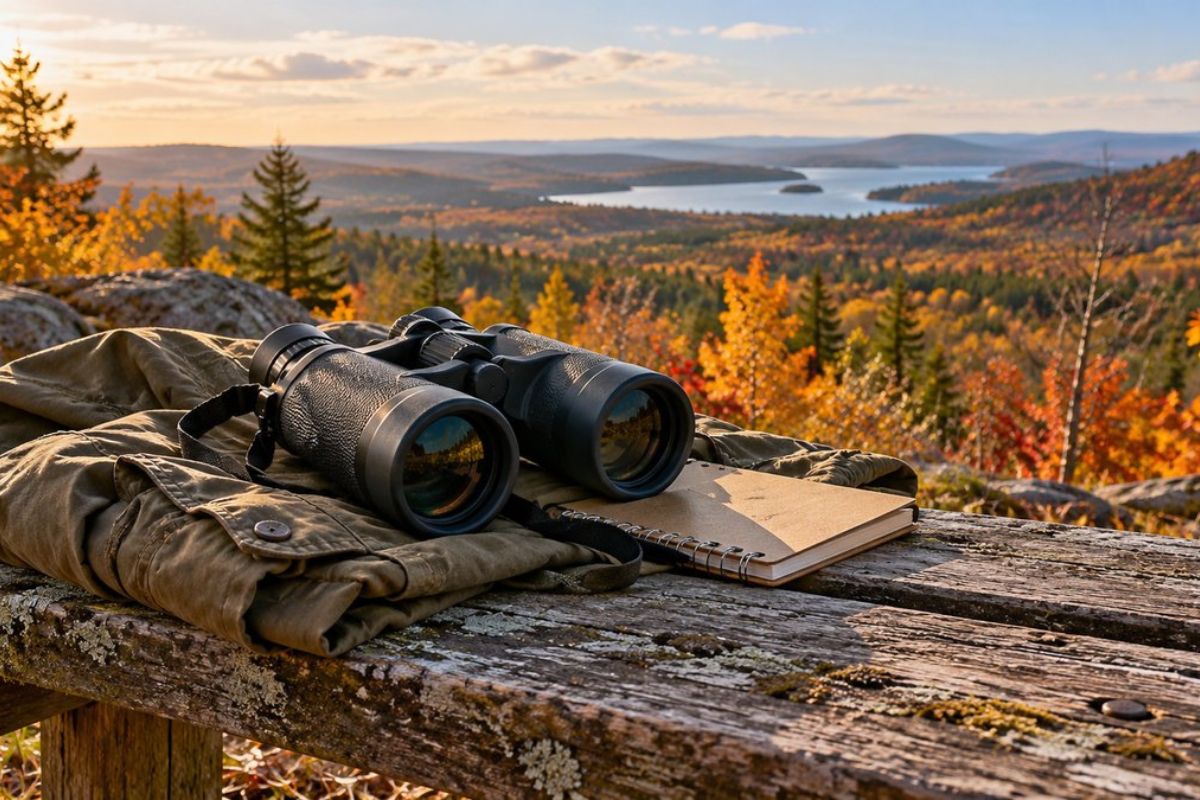
A Quieter Carry: Organize Your Hunting Binoculars and Field Notes
A zipper catches your glove. A loose buckle taps
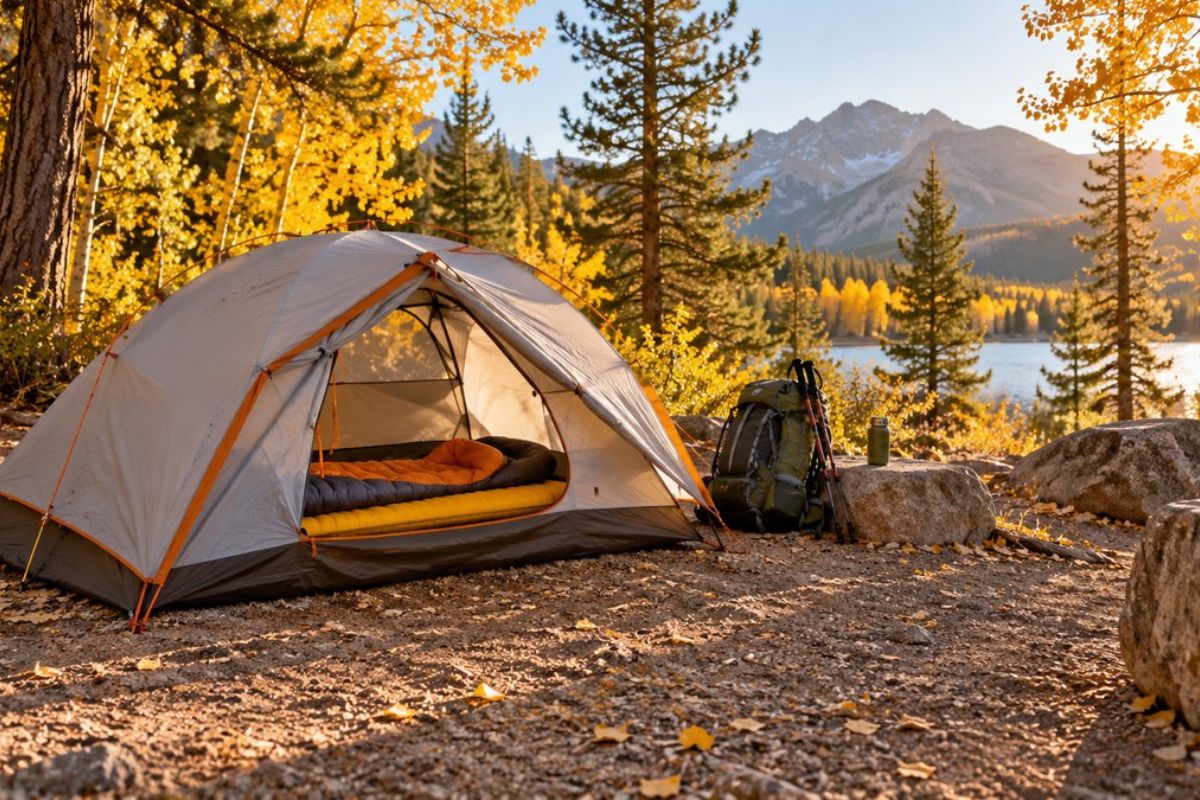
Cold at 3 A.M.? Rethink Your Fall Camping Sleep System
The evening was perfect. Dinner tasted better outdoors, the
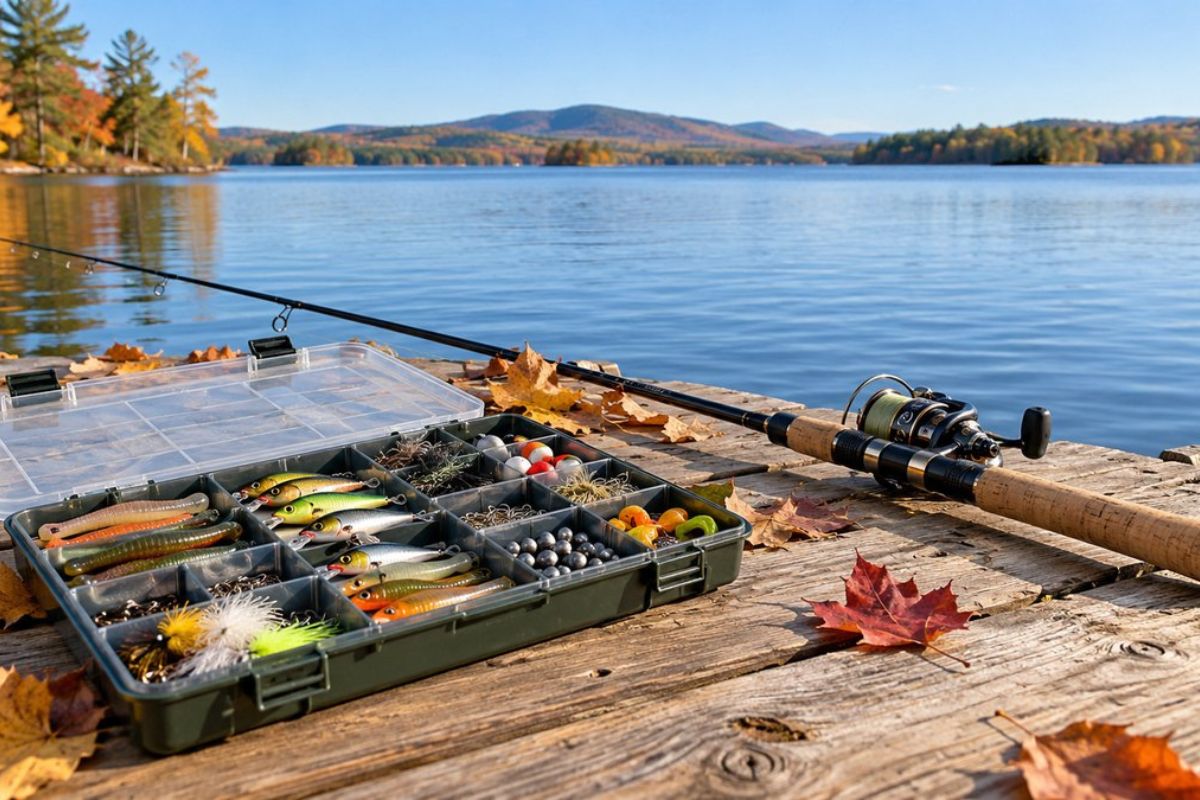
The Fall Tackle Box Reset: Pack for the Water in Front of You
Somewhere beneath the spare hooks and mystery soft plastics
Camping Checklist: What You Really Need for Your Trip
Whether it's your first camping trip or you are a
Best Snorkeling Destinations during Winter Months for Beginners
Snorkeling in a warm location is one of the easiest
Adventure Starts with Having the Right Gear
There’s something exciting about getting ready for a new