Camo Styles for Every Hunting Season: Blend in with Confidence
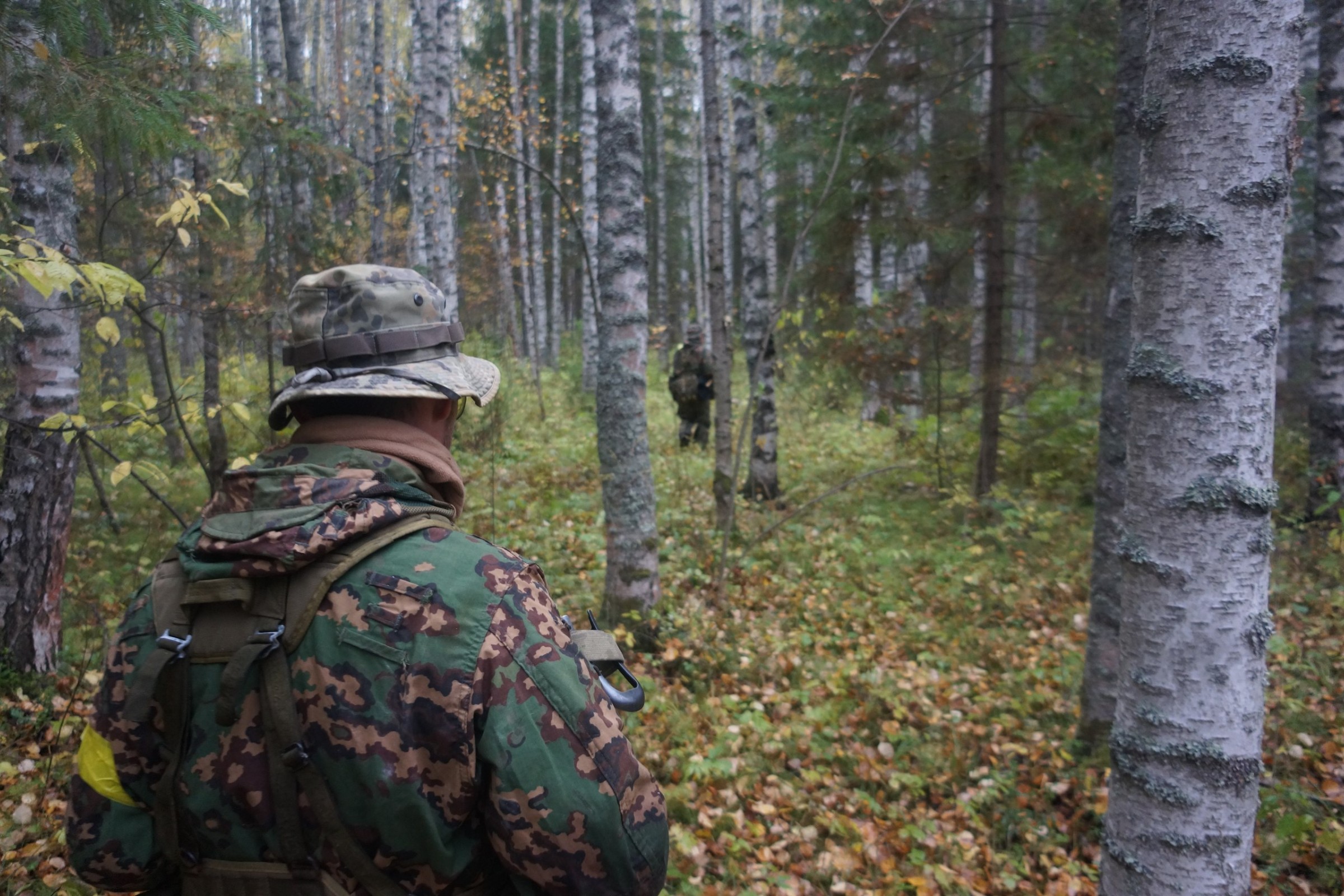
Selecting the appropriate camouflage (camo) pattern is crucial for hunters aiming to remain undetected by their prey. The effectiveness of camo lies in its ability to blend the hunter into specific environments across various seasons. Here’s a comprehensive guide to choosing camo patterns based on different terrains and hunting seasons.
Understanding Camouflage Categories
Camouflage patterns can be broadly categorized into three main types:
-
Traditional Camo: Rooted in military designs, these patterns incorporate elements like branches, grass, and rocks with intricate shading to create a three-dimensional effect. They typically feature earthy tones such as tan, gray, brown, and black.
-
3D or Leafy Camo: Utilizing photorealistic images of leaves, tree limbs, brush, and other foliage, this type of camo mimics specific environments or conditions. It’s especially effective for hunting highly perceptive animals like waterfowl.
-
Digital Camo: Featuring pixelated graphics, digital camo is designed to blur the wearer’s outline, making it challenging for game to distinguish a human form from the landscape. It employs a similar color palette to traditional patterns, utilizing variations of tan, gray, brown, and black.
Seasonal and Environmental Camo Selection
-
Spring and Early Fall (Lush Greenery):
- Environment: Forests and areas with dense vegetation.
- Recommended Patterns: Patterns with a mix of bright greens, browns, and tans.
- Examples: Realtree Edge, Mossy Oak Obsession.
-
Late Fall (Sparse Foliage):
- Environment: Deciduous forests with fallen leaves and bare trees.
- Recommended Patterns: Patterns with more browns, grays, and sparse foliage blends.
- Examples: Mossy Oak Break-Up Country, Sitka’s Elevated II.
-
Winter (Snow-Covered Landscapes):
- Environment: Snowy fields, forests, and tundras.
- Recommended Patterns: White-based camo patterns with subtle gray or brown accents to mimic snow-covered terrains.
- Examples: Kryptek Yeti, King’s Snow Shadow.
-
Wetlands and Waterfowl Hunting:
- Environment: Marshes, swamps, and wetlands.
- Recommended Patterns: Camo with reeds, grasses, and water reflections.
- Examples: Realtree Max-5, Mossy Oak Shadow Grass.
Factors to Consider When Choosing Camo
-
Animal Vision: Understanding how your target game perceives color and patterns is essential. For instance, deer have limited color vision but are highly sensitive to movement, depth, and brightness.
-
Hunting Method: Your approach, whether it’s stalking, stand hunting, or using a blind, influences the type of camo you should choose.
-
Regional Vegetation: Tailoring your camo to the specific flora of your hunting area enhances concealment.
Selecting the right camo pattern is a blend of understanding your hunting environment, the season, and the visual capabilities of your target game. By aligning your camouflage with these factors, you enhance your stealth, increase your chances of a successful hunt, and truly blend in with confidence.
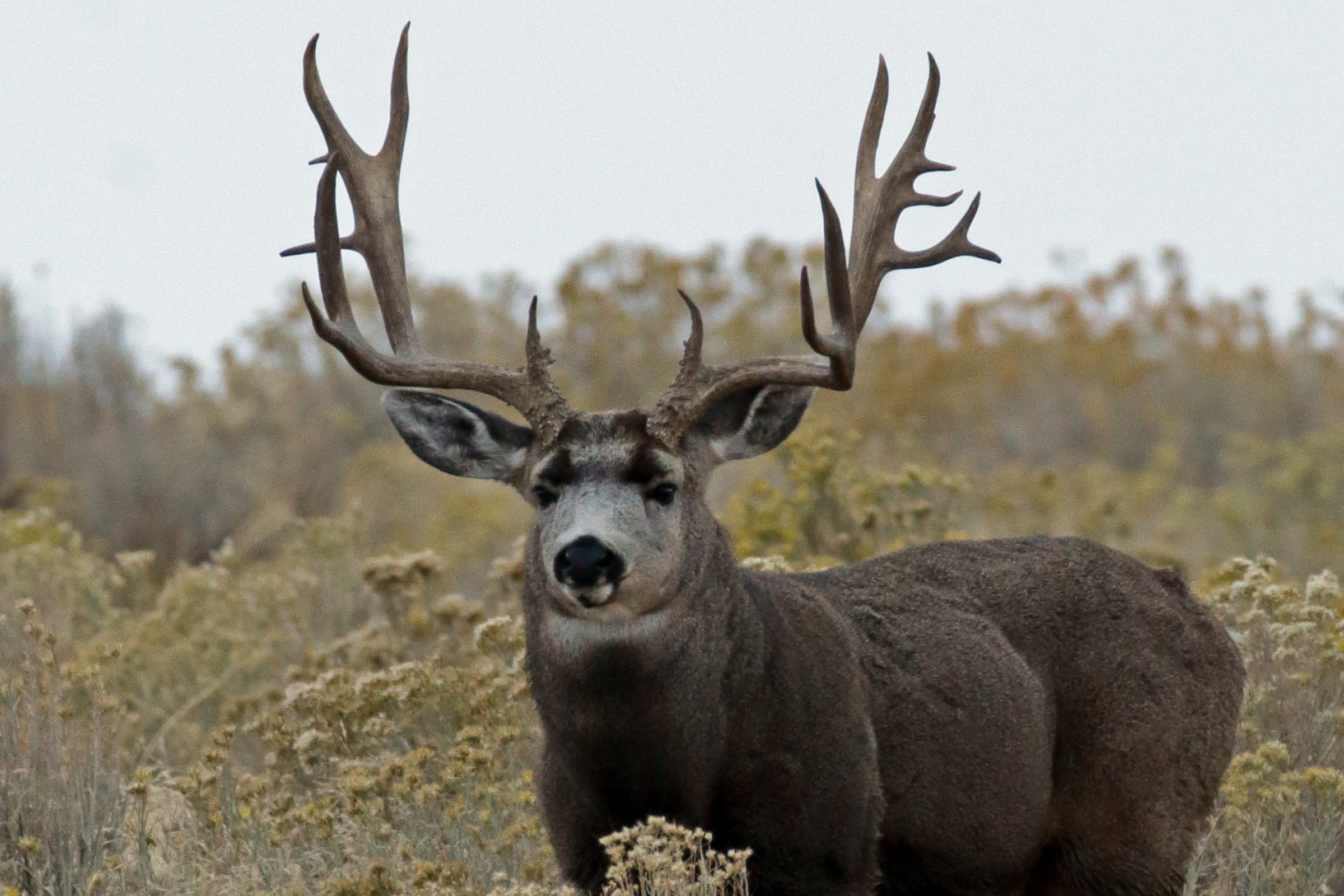
The Ultimate Guide to Deer Hunting: Strategies for Every Season
Deer hunting is a time-honored tradition that requires adaptability and
Camo Styles for Every Hunting Season: Blend in with Confidence
Selecting the appropriate camouflage (camo) pattern is crucial for hunters
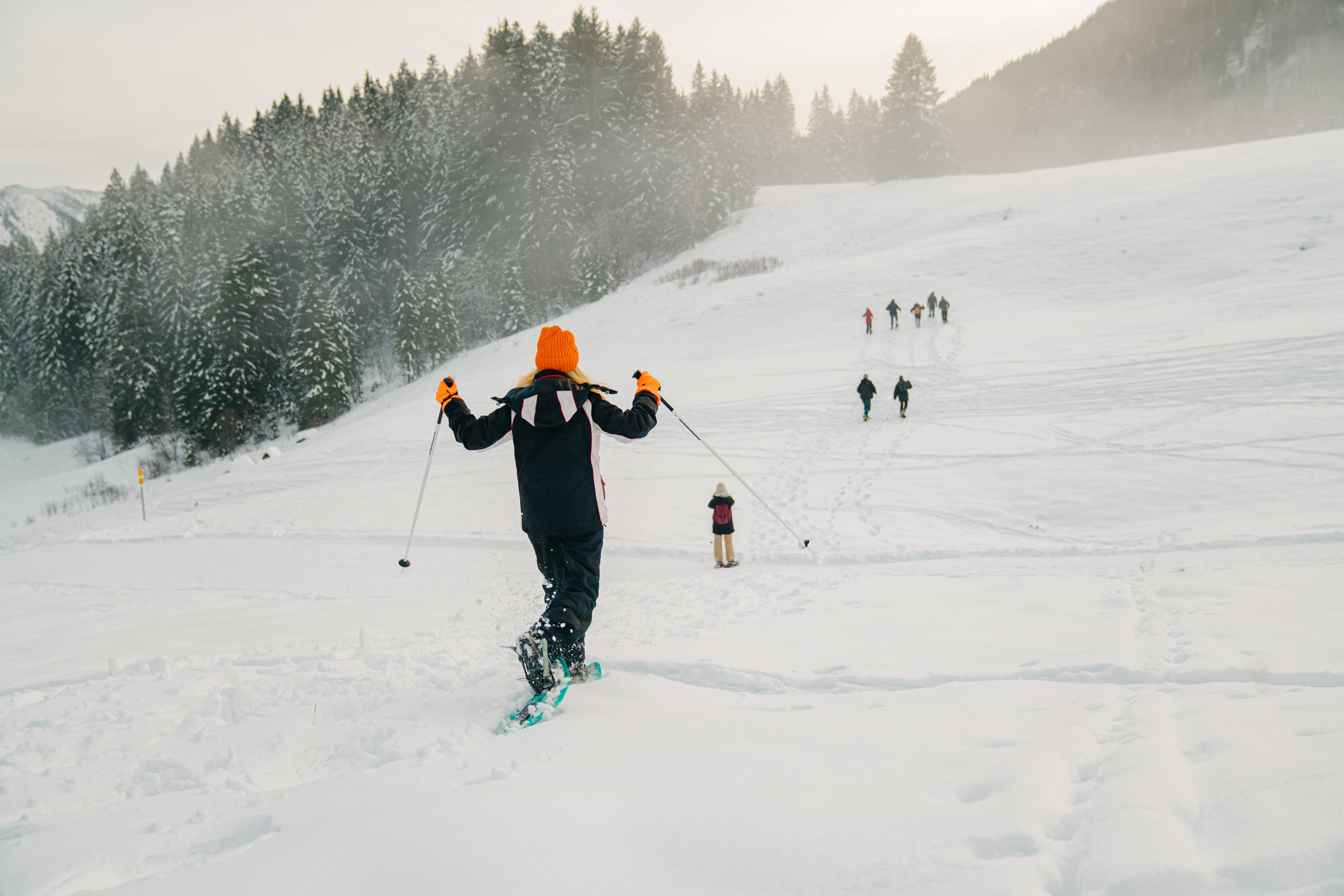
The Ultimate Guide to Layering for Winter Sports: Stay Warm and Dry
Winter sports are a great way to enjoy the outdoors

Snowshoeing 101: A Simple and Fun Winter Workout
Winter doesn't have to mean hibernating indoors! If you're looking
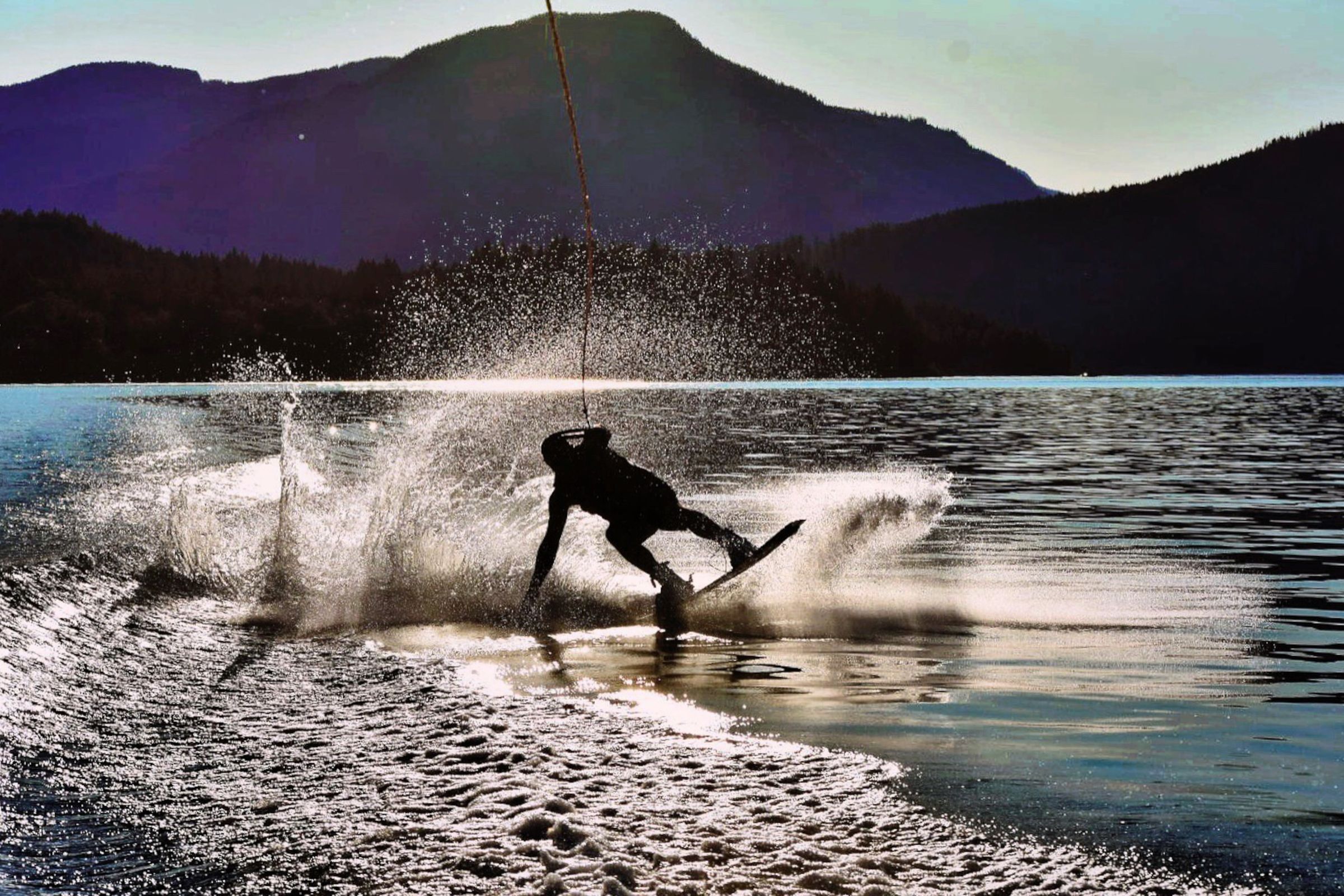
Essential Wakeboarding Gear for New Riders: Get on the Water Safely and Prepared!
So, you're ready to dive into the exciting world of
Jet Ski Maintenance and Troubleshooting: Keeping Your PWC in Top Condition
Your jet ski (or personal watercraft - PWC) is your
SHARE THIS STORY ANYWHERE YOU LIKE
SHARE THIS STORY ANYWHERE
Camp and Paddle with Rhino USA: How to Combine Canoeing with Camping for the Ultimate Adventure
Imagine gliding through serene waterways, surrounded by nature, and ending your day under the stars at a secluded campsite. Combining canoeing with camping is the ultimate outdoor adventure, offering both tranquility and excitement. Whether you're