Camo Styles for Every Hunting Season: Blend in with Confidence
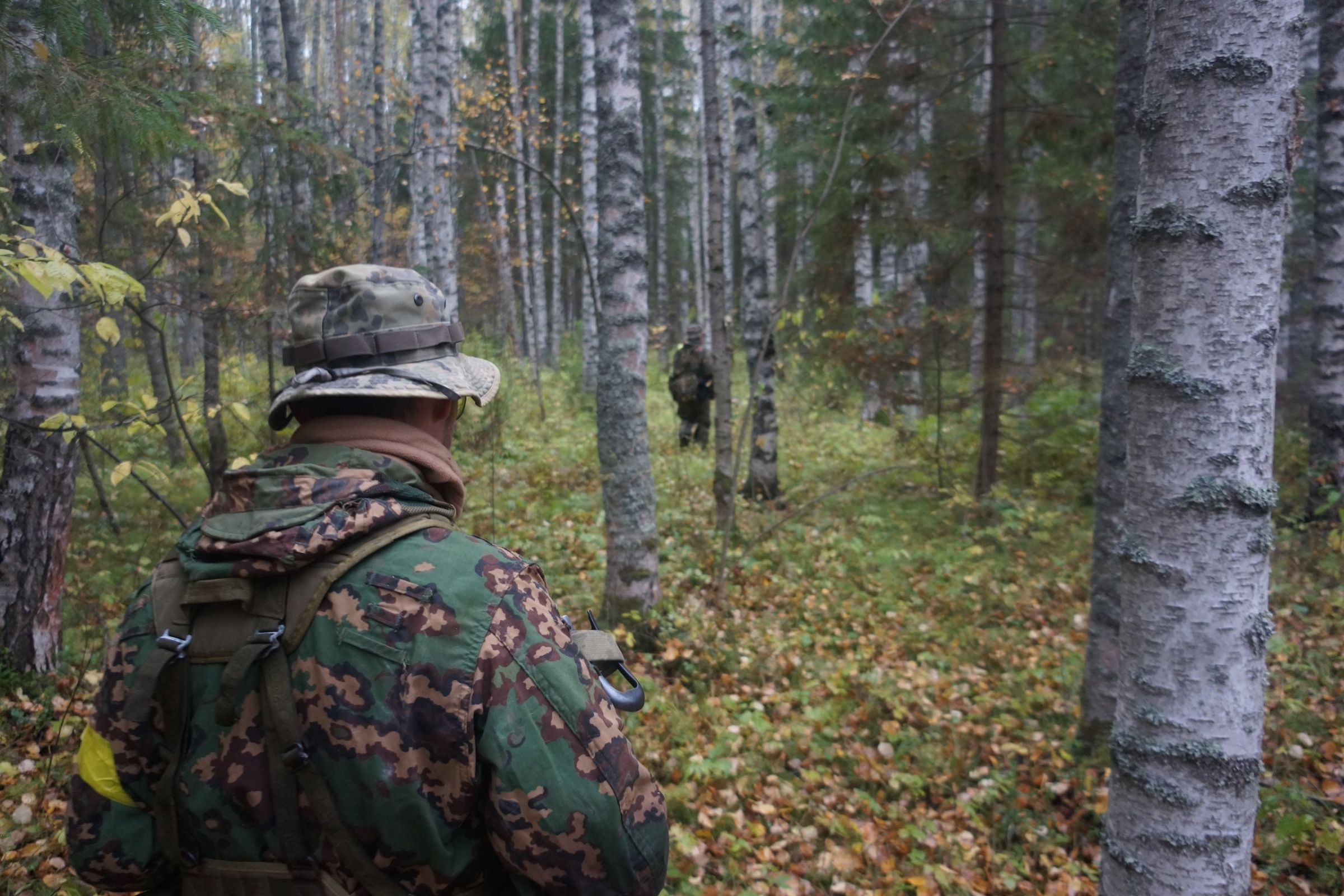
Choosing the right camouflage (camo) pattern is essential for a successful hunting experience. Whether you’re deer hunting in the fall, waterfowl hunting in the winter, or turkey hunting in the spring, blending into your environment helps you stay undetected by your prey. Here’s a guide to camo styles for different environments and seasons, tailored to various types of hunting.
Spring Camo: Perfect for Turkey and Bird Hunting
Spring brings vibrant greens and budding foliage. Camo patterns featuring bright greens and leafy designs work best for blending into forests and fields during turkey hunting, upland hunting, and quail hunting. Look for:
- Leafy Patterns: Mimic fresh spring growth.
- Open Field Camo: Ideal for pheasant hunting in open meadows.
Summer Camo: Adapt for Early Hunting Seasons
In summer, hunting opportunities like boar hunting and some predator hunting (e.g., coyotes) require lightweight, breathable gear. Use muted green and brown patterns to blend into grassy fields and dense forests. Consider:
- Lightweight Fabrics: Keep cool during hot summer hunts.
- Grassland Camo: Perfect for alligator hunting or early deer scouting.
Fall Camo: Blend with Autumn Colors
Fall is the prime season for deer hunting, elk hunting, and big game hunting. Camo patterns featuring browns, tans, and orange accents match the changing foliage. Key patterns include:
- Woodland Camo: Effective for forests with fallen leaves.
- Brush Camo: Great for open fields or scrubland during bow hunting.
- Blaze Orange: Required in some regions for safety during gun hunting while still providing camouflage.
Winter Camo: Concealment in Snowy Terrain
Winter hunting for waterfowl, coyotes, and big game like moose or wolves demands snow-specific camo. Look for:
- Snow Camo: White-based patterns with grey or black accents to match snowy landscapes.
- Marsh Camo: Ideal for waterfowl hunting in frozen wetlands.
Choosing the Right Camo for Your Prey
Different animals have varying levels of vision. For instance:
- Deer and Elk: Focus on breaking up your silhouette with natural patterns.
- Waterfowl: Opt for marsh or wetland camo that blends with reeds and water.
- Predators: Use muted, neutral tones for stalking coyotes, foxes, or cougars.
Selecting the right camo style based on the environment, season, and target species enhances your hunting success. By investing in seasonal-specific patterns and understanding your prey’s habits, you’ll blend in with confidence and increase your chances of a successful hunt.


Snowmobile Safety Tips for Winter Riding
Snowmobiling can be one of the most exciting ways
Popular Winter Sports for Outdoor Adventure
Winter opens the door to outdoor activities that are

Best Places for Water Sports in the United States
A great water sports trip can look very different

Scuba Diving Snorkeling and Freediving for Beginners
The world below the water can feel like a
Kayaking vs Paddleboarding for Beginners
Kayaking and paddleboarding are two simple ways to explore

Surfing vs Skimboarding for Beginners
Surfing and skimboarding both use a board and ocean