
Choosing the Right Backpack: A Beginner’s Guide
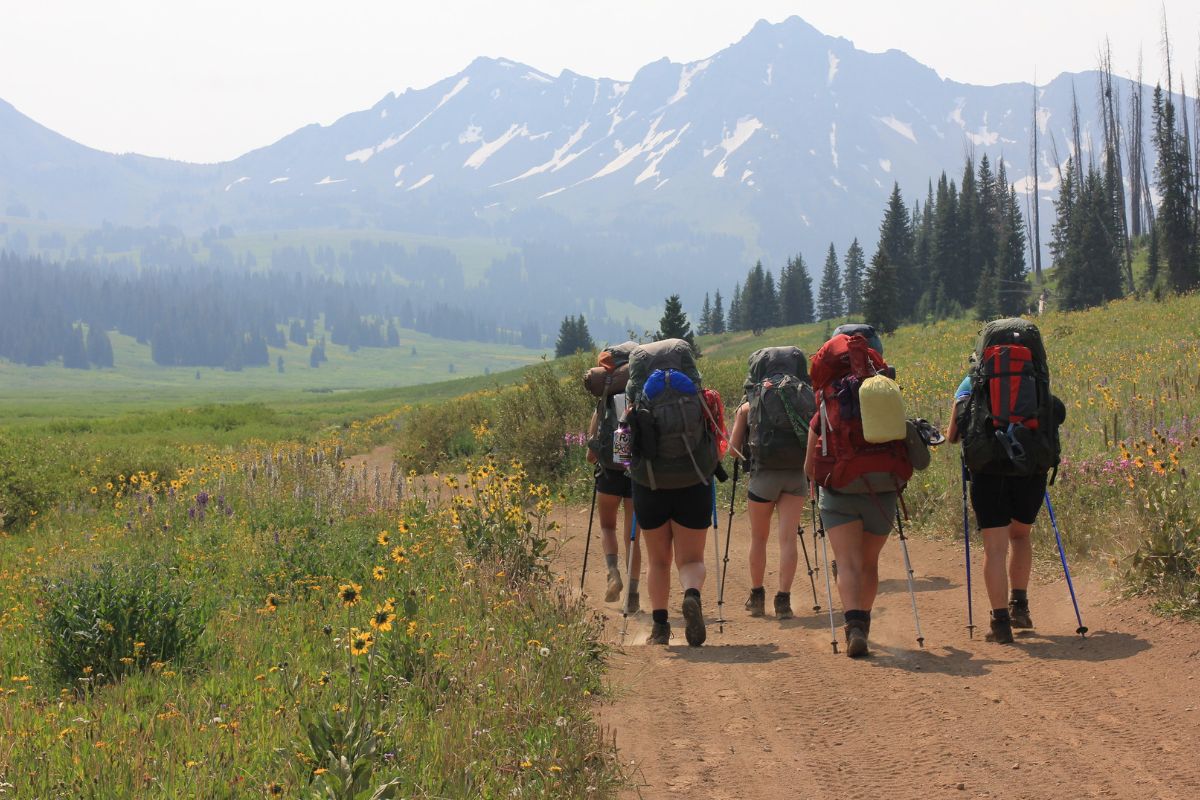
Embarking on your first backpacking adventure is incredibly exciting! But before you hit the trails, you’ll need a trusty backpack to carry your gear. Choosing the right pack can seem daunting, but fear not – this guide will walk you through the essentials to help you find the perfect fit.
1. Understanding Pack Capacity (Liters):
Pack capacity is measured in liters, indicating the volume of gear it can hold.
- Weekend Trips (1-3 nights): 40-60 liters.
- Multi-Day Trips (3-5 nights): 60-75 liters.
- Extended Trips (5+ nights): 75+ liters.
Consider the length of your trips and the amount of gear you’ll need. Remember, “less is more” is a valuable mantra when backpacking.
2. Internal vs. External Frames:
Internal Frame:
Modern and popular choice. Distributes weight closer to your back for better stability. Ideal for navigating uneven terrain. Generally more comfortable.
External Frame:
Traditional design with an external metal frame. Excellent ventilation. Better for carrying bulky or oddly shaped items. Less common these days, but still used for specific needs.
3. Proper Fit and Adjustment:
Torso Length:
This is the most crucial measurement. Measure from your C7 vertebra (the bony bump at the base of your neck) to your iliac crest (the top of your hip bones). Backpack sizes (small, medium, large) correspond to torso lengths.
Hip Belt:
The hip belt should rest comfortably on your hip bones, carrying most of the pack’s weight. Tighten it snugly.
Shoulder Straps:
Adjust the shoulder straps to stabilize the load, but they shouldn’t bear the majority of the weight. The straps should contour to your shoulders.
Load Lifter Straps:
These straps connect the top of the shoulder straps to the top of the pack frame. They help to pull the weight closer to your back, improving stability.
Try it On:
Ideally, try on backpacks with weight in them. Walk around and simulate hiking movements.
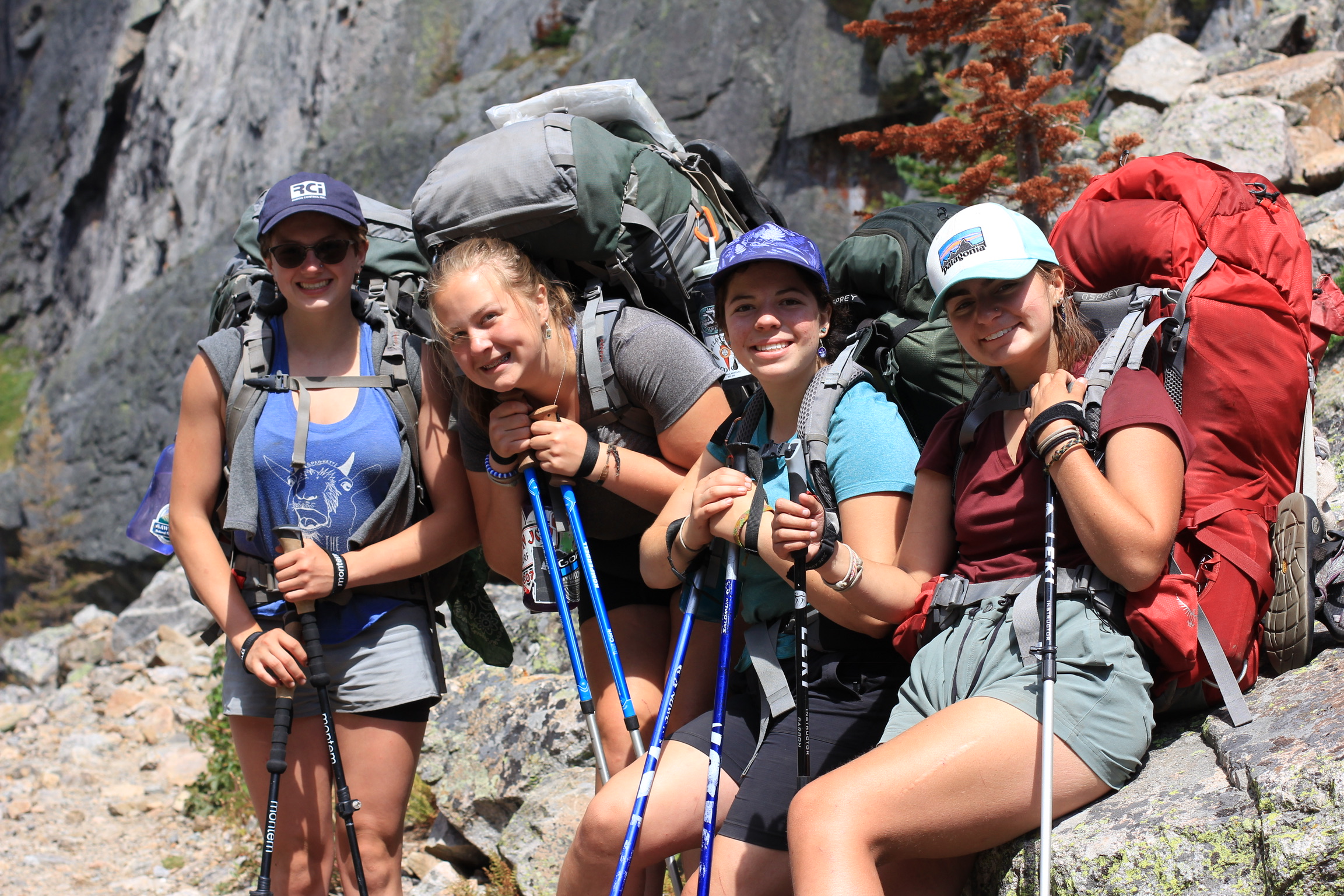
4. Key Features to Look For:
Hip Belt: A well-padded hip belt is essential for comfort.
Pockets: Consider the number and placement of pockets for organization.
Water Bottle/Hydration Compatibility: Look for side pockets or a hydration sleeve.
Compression Straps: These help cinch down the load and prevent shifting.
Rain Cover: Protect your gear from unexpected showers.
Sleeping bag compartment: A dedicated compartment at the bottom of the pack can be very helpful.
5. Tips for Beginners:
Start Small: Begin with shorter, easier hikes to get used to carrying a pack.
Pack Light: Only bring the essentials.
Practice Packing: Experiment with different packing arrangements to find what works best.
Seek Expert Advice: Visit an outdoor retailer for professional fitting and advice.
Choosing the right backpack is an investment in your comfort and enjoyment on the trail. By understanding pack capacity, frame types, and fit, you’ll be well on your way to finding the perfect pack for your adventures. Happy trails!


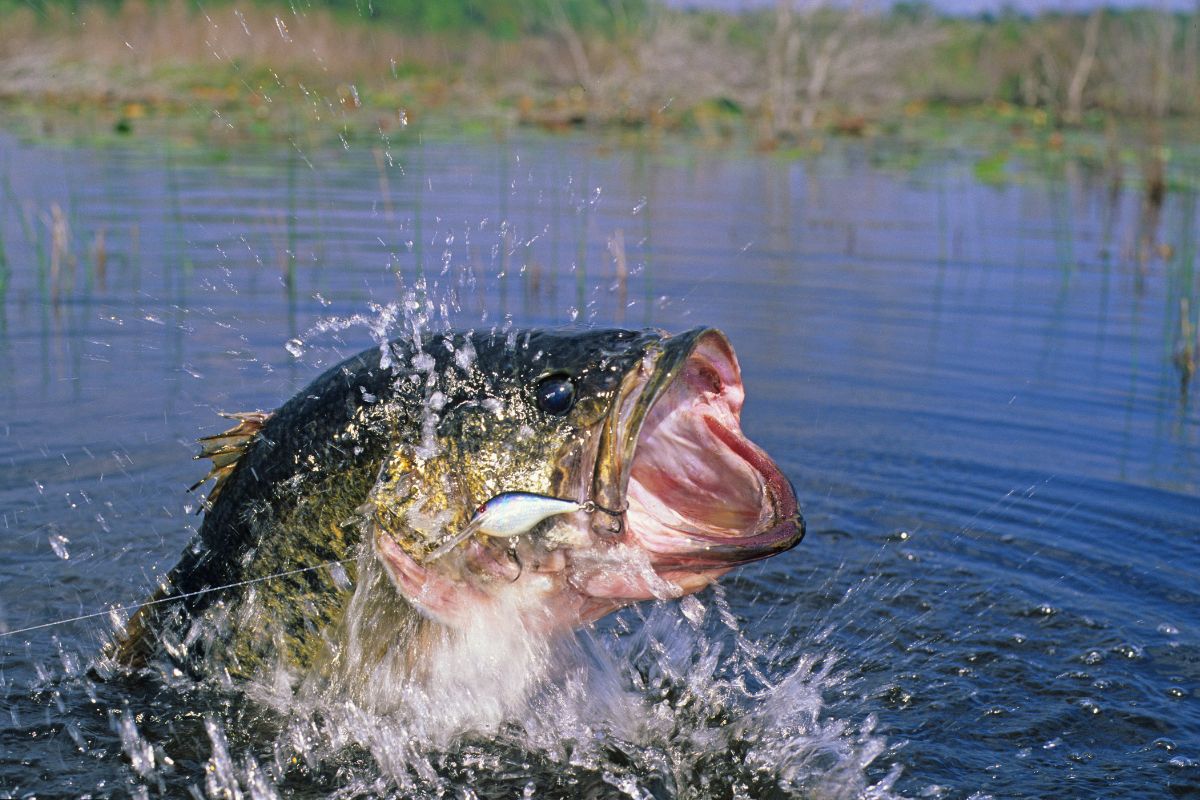
Bass Fishing: Tips, Tricks, and Mastering the Giants
Bass fishing is more than just a hobby; it's a
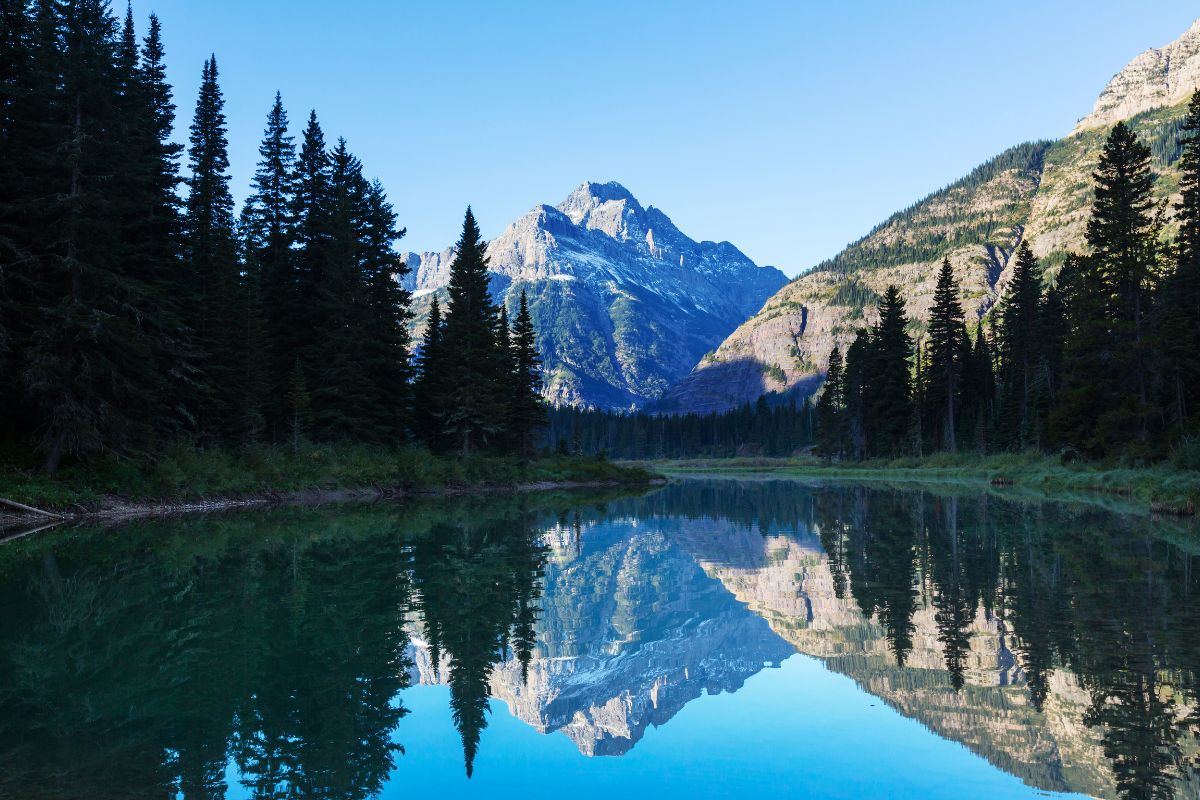
Best National Parks for Tent Camping in the USA
Dreaming of pitching your tent under a sky full of
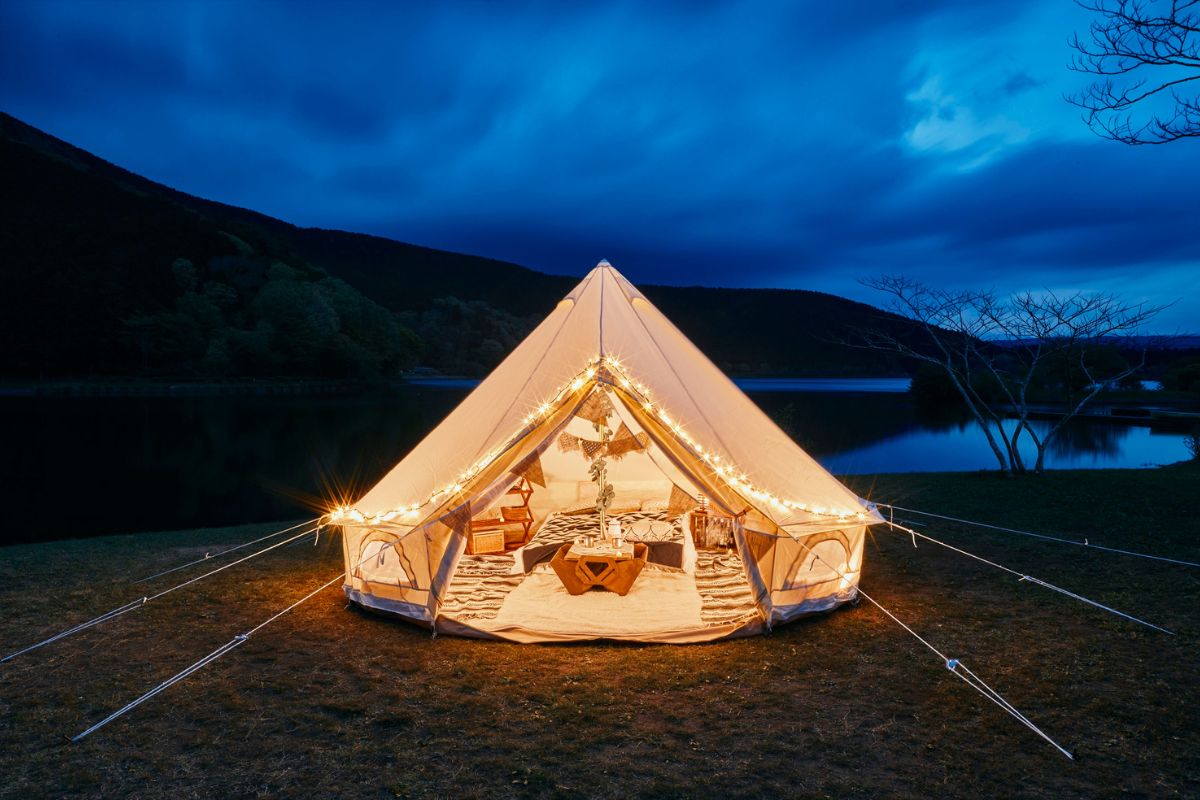
Glamping vs. Traditional Camping: Which Is Right for You?
Camping is the ultimate way to unplug, recharge, and reconnect
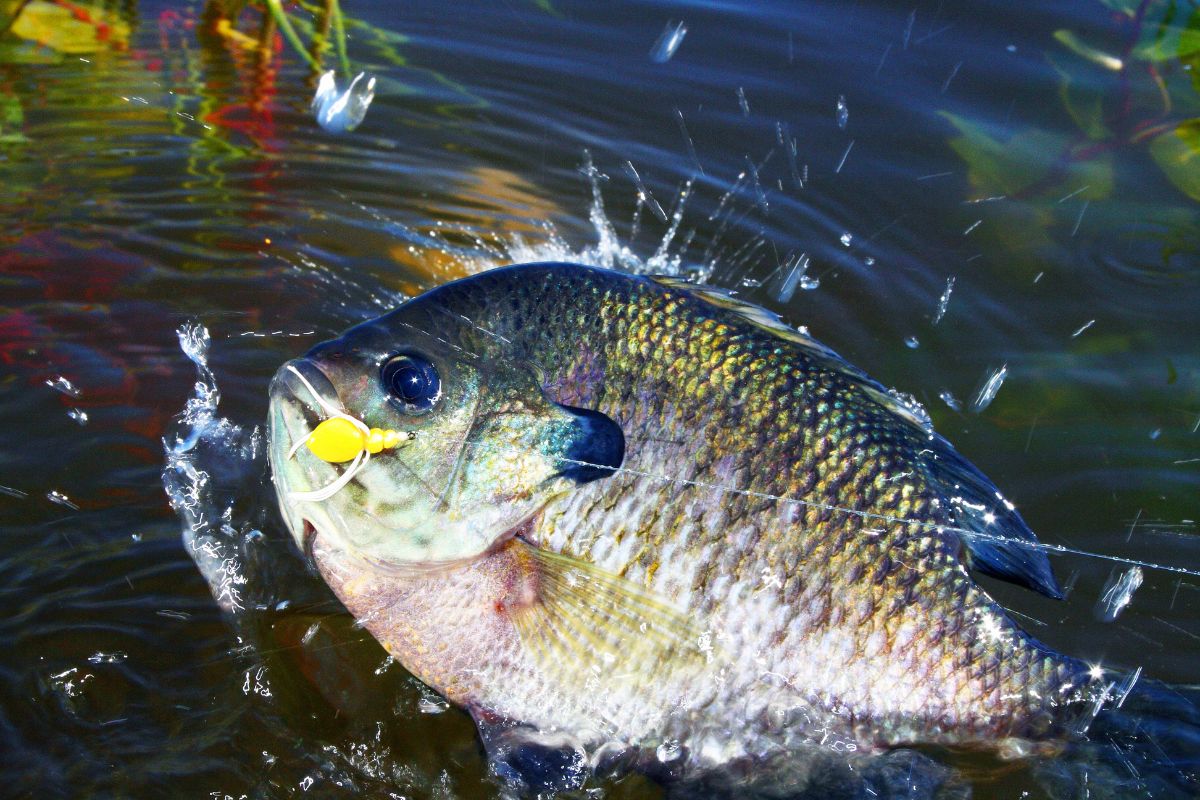
10 Top Trophy Bluegill Fishing Destinations
Bluegill are one of America’s most beloved panfish, and while
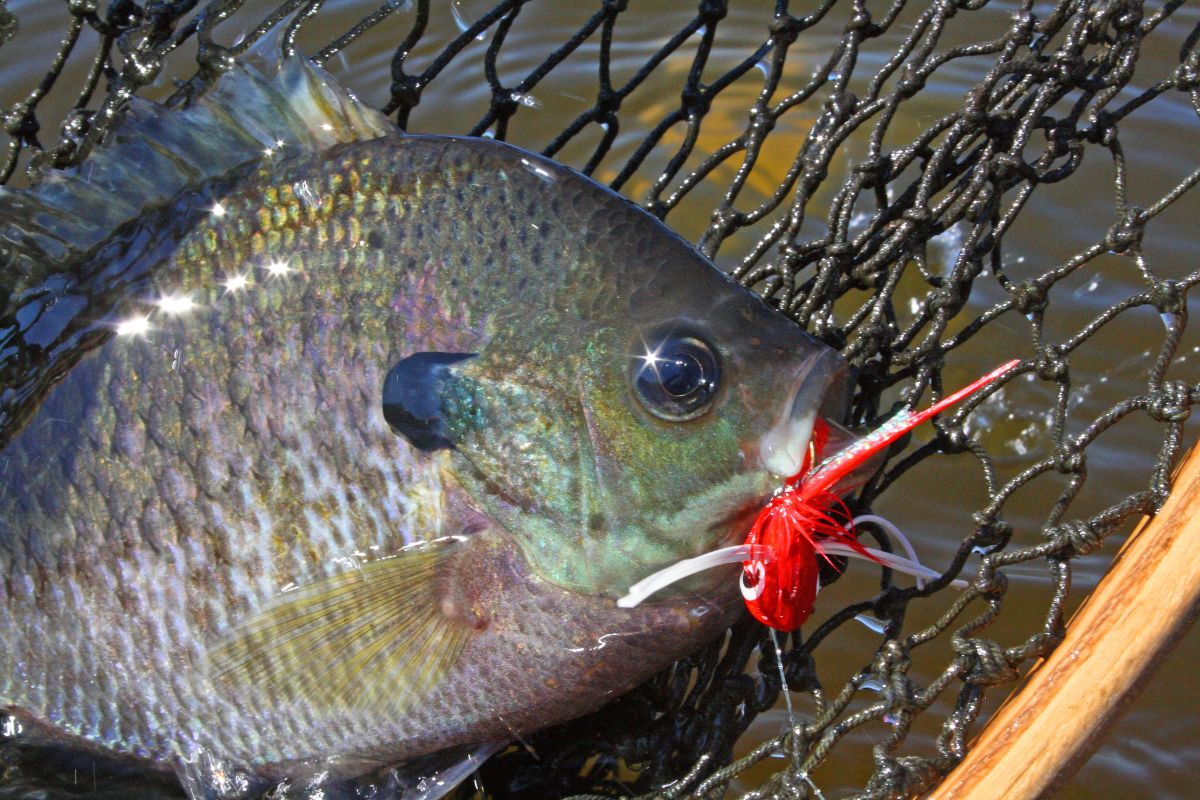
Bluegill Basics: An Easy Guide to Reeling in More Panfish
Bluegill fishing is one of the most enjoyable and accessible
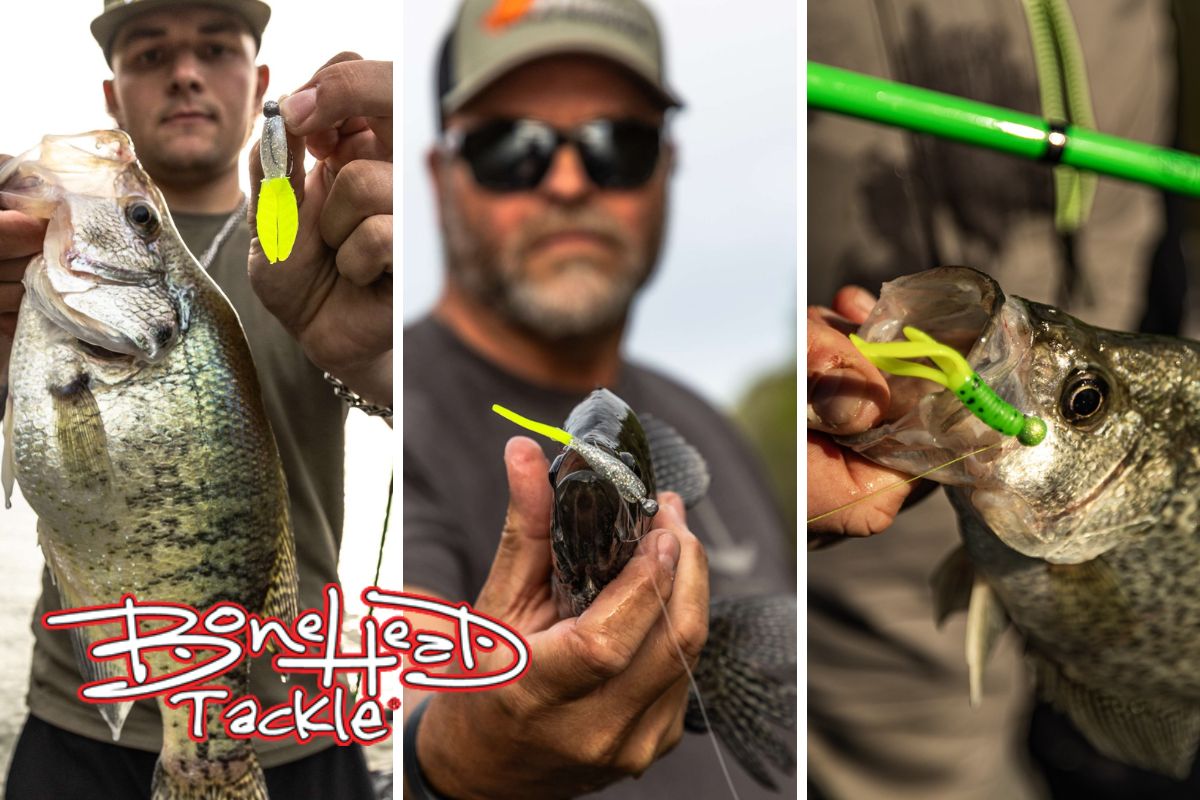
Crappie Candy: Why Bonehead Tackle Snack Packs Are a Must-Have for Slab Hunters
When it comes to filling the livewell fishing for slabs,
SHARE THIS STORY ANYWHERE YOU LIKE
SHARE THIS STORY ANYWHERE

Fall Pike Fishing Playbook: Locations, Lures, and Tactics for Giants
When water temps slide and baitfish start staging, northern pike go from spooky to smashy. Fall concentrates forage, shrinks feeding windows, and pushes true trophies into predictable lanes. Below is a practical, field-tested plan that