
Dog Days Crappie Fishing: Proven Strategies for Hot Weather Success

When summer heat sets in and temperatures soar, many anglers assume the crappie fishing bite dies off—but that couldn’t be further from the truth. While summer fishing for crappie can be more challenging than in spring or fall, the “dog days” are far from a dead zone. In fact, with the right tactics, gear, and mindset, summer crappie fishing can be incredibly productive.
This guide blends top tips from seasoned anglers and trusted sources to help you stay on the fish all summer long, even when the weather’s at its hottest.
Understand Summer Crappie Behavior
Crappie are cold-blooded, meaning their body temperature adjusts to their surroundings. As water temperatures rise into the 80s, crappie typically adjust by moving deeper or seeking shaded, cooler areas with oxygen and cover. But not all crappie move to the deepest part of the lake. Some will hold in mid-depth ranges, especially if there’s structure, bait, and low-light conditions.
Understanding their behavior during the summer months is the first step toward locating and catching more crappie. Focus on the “comfort zones”—areas that offer shade, cooler water, and easy access to food.
Look Deep, but Don’t Ignore the Shallows
Deep brush piles, creek channels, underwater ledges, and submerged timber often become go-to crappie hangouts during summer. Use your fish finder to locate schools of crappie suspended around these types of structure, typically 10–25 feet down depending on the lake and time of day.
But here’s the twist: on overcast days, early mornings, or in stained water, crappie may stay surprisingly shallow. Bridges, docks, laydowns, and vegetation edges can all hold fish, especially if baitfish are nearby. Skipping a jig under a dock can be just as productive as dropping one deep on electronics. Stay flexible and don’t lock yourself into just one pattern.
Follow the Food
In summer, crappie don’t roam far from baitfish—mostly shad and minnows. Wherever you find large schools of bait, there’s a good chance crappie are nearby. Use sonar to locate balls of bait and note their depth. Crappie are ambush predators, so they’ll often suspend just beneath or beside bait schools.
Fishing around bait can be tricky if you don’t have the right tools. A quality fish finder with down imaging or side scan can dramatically reduce guesswork and help you stay efficient.
Downsize for More Bites
When the bite gets tough—as it often does during hot summer days—downsizing your presentation can make a major difference. Crappie might not aggressively strike like they do in spring, so smaller jigs (1/32 to 1/16 oz) and more subtle plastic baits often get more bites.
Natural colors work best in clear water, while chartreuse, pink, and white are great choices for stained conditions. Pair your jig with a small soft plastic or a live minnow to increase appeal. If you’re vertical jigging, let the bait fall naturally and don’t overwork it—many strikes come on the fall.
Use Long Rods and Vertical Presentations
During summer, many crappie school tightly in specific spots—especially in deeper water. A jigging rod gives you the reach and control needed to get right over structure without spooking fish. Vertical jigging lets you hover in the strike zone and make precise movements that entice sluggish slabs.
Use light line (4–6 lb test) for better sensitivity and a soft, controlled fall. Once you mark fish, drop your bait to just above them. Often, a slight quiver or gentle hop is all it takes to trigger a bite.
Target Shade and Cover
Fish don’t like direct sun any more than we do. Shade offers comfort, cooler water temps, and ambush cover for crappie. Midday can still be productive if you focus your efforts on shaded zones. Bridges, docks, overhanging trees, and even marina boats can be crappie magnets when the sun is high.
Don’t just fish around the edges—use casting or skipping techniques to get your lure deep into the shade. Crappie sitting under cover are often more willing to strike when your bait appears suddenly in their zone.
Try Night Fishing
If you’re struggling to catch crappie during the heat of the day, consider fishing after dark. As the sun goes down, water temps cool, and crappie often move shallower to feed. Night fishing around lighted docks or using submersible green or white lights can draw baitfish—and hungry crappie—right to you.
Once the bait gathers, drop a jig or live minnow near the light. Be patient, and give it 30–60 minutes. Crappie will usually move in as the food chain builds, and the action can get fast once it starts.
Adjust to Conditions Daily
Wind, cloud cover, and summer storms all affect crappie behavior. A windy day might push bait and fish toward windblown banks or points, while rain can cool surface temps and bring oxygen into shallow creeks. After a summer shower, try fishing inflow areas where runoff is entering the lake.
Don’t stick with the same approach every trip. Read the water, adapt your location and technique, and be ready to move if you’re not getting bites within 15–20 minutes.
Bonus Tip: Use Scent to Your Advantage
When crappie are hesitant or sluggish, adding scent to your bait can help. Use attractants like Berkley Crappie Nibbles, PowerBait Crappie Attractant, or Gulp! scent-infused baits to create a scent trail that encourages fish to hold onto your bait longer. This small tweak can make a big difference on tough days.
Dog days crappie fishing is all about adjusting your mindset and strategy. While the bite might slow down compared to spring, it certainly doesn’t disappear. Use your electronics to locate structure and bait, downsize your tackle, fish smarter (not harder), and stay mobile. Whether you’re jigging deep, casting to shaded cover, or fishing under the stars, summer crappie fishing offers plenty of chances to hook into slabs if you’re willing to adapt.
So grab your gear, beat the heat, and stay after them—because some of the best crappie of the year are waiting.

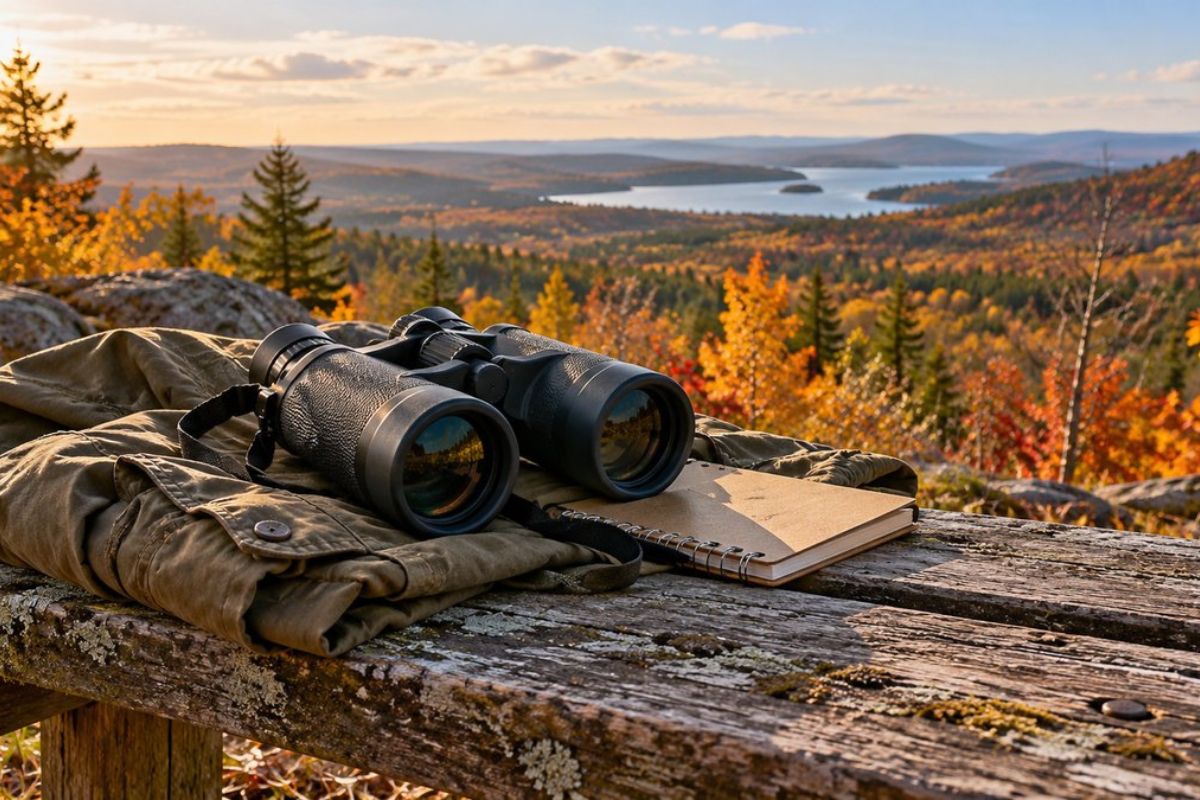
A Quieter Carry: Organize Your Hunting Binoculars and Field Notes
A zipper catches your glove. A loose buckle taps
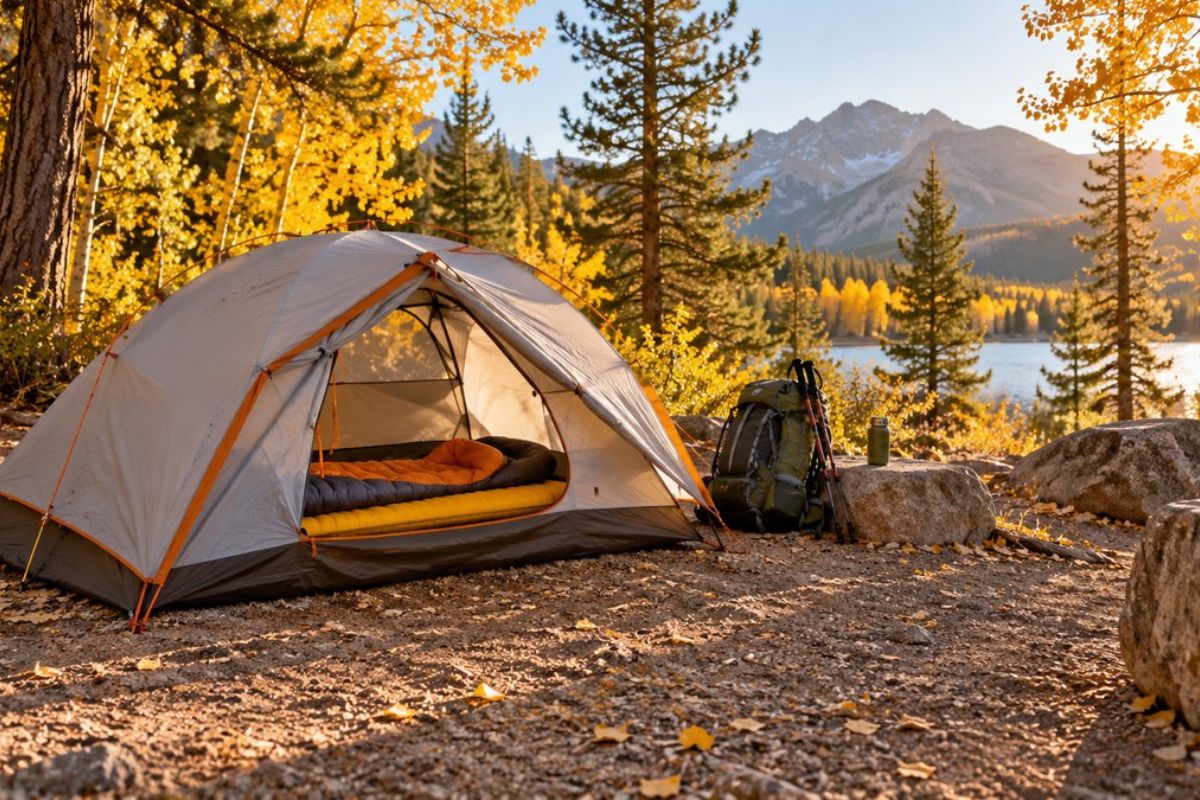
Cold at 3 A.M.? Rethink Your Fall Camping Sleep System
The evening was perfect. Dinner tasted better outdoors, the
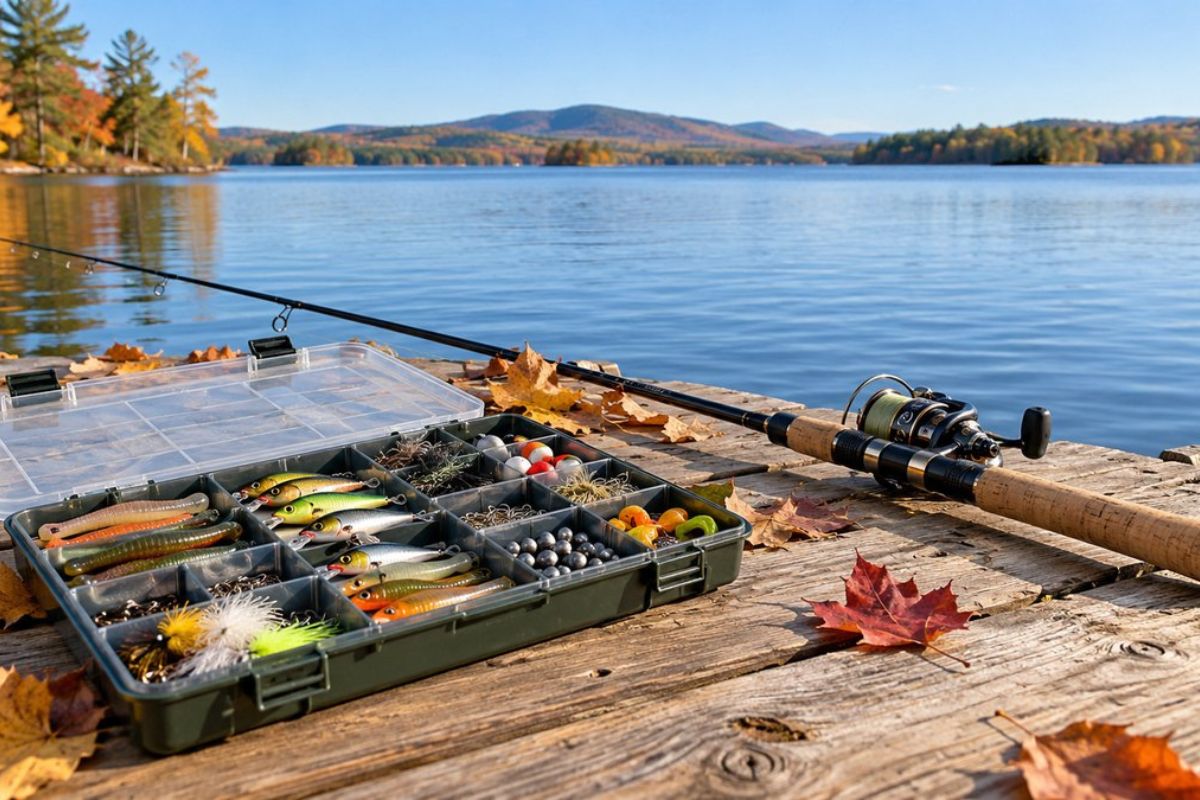
The Fall Tackle Box Reset: Pack for the Water in Front of You
Somewhere beneath the spare hooks and mystery soft plastics
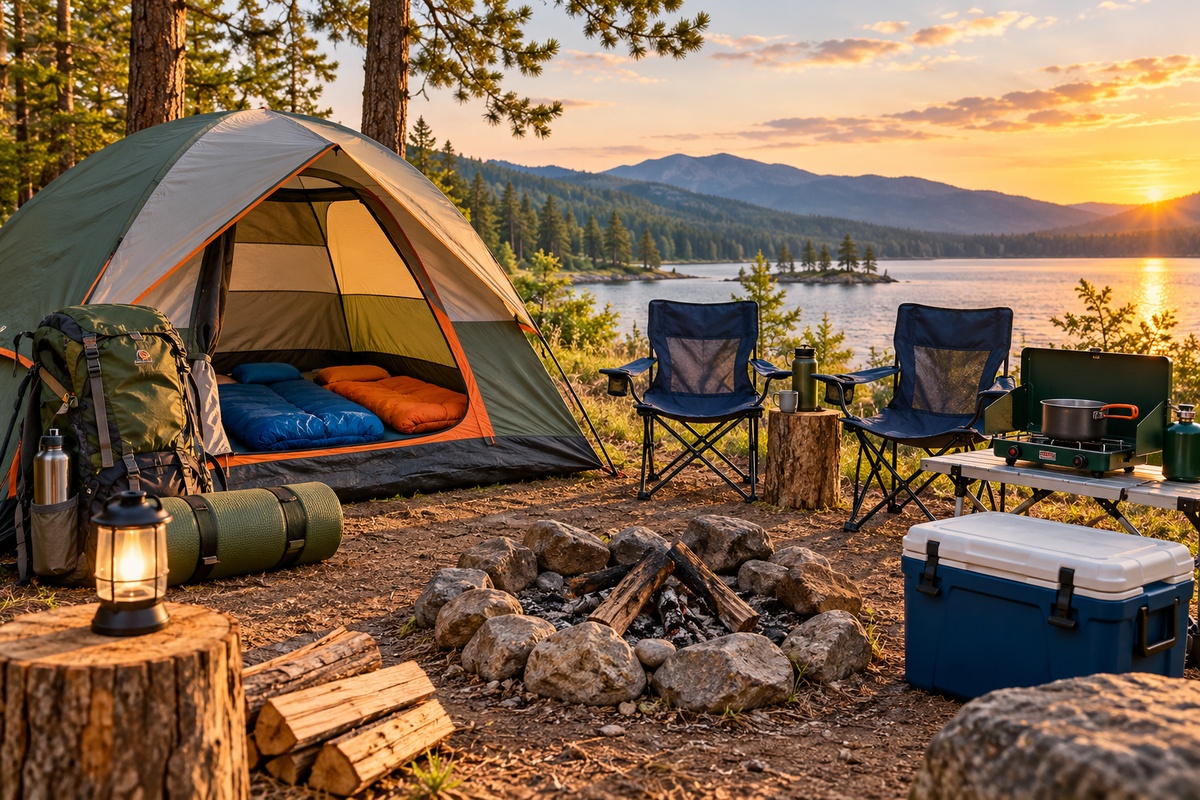
Camping Checklist: What You Really Need for Your Trip
Whether it's your first camping trip or you are a
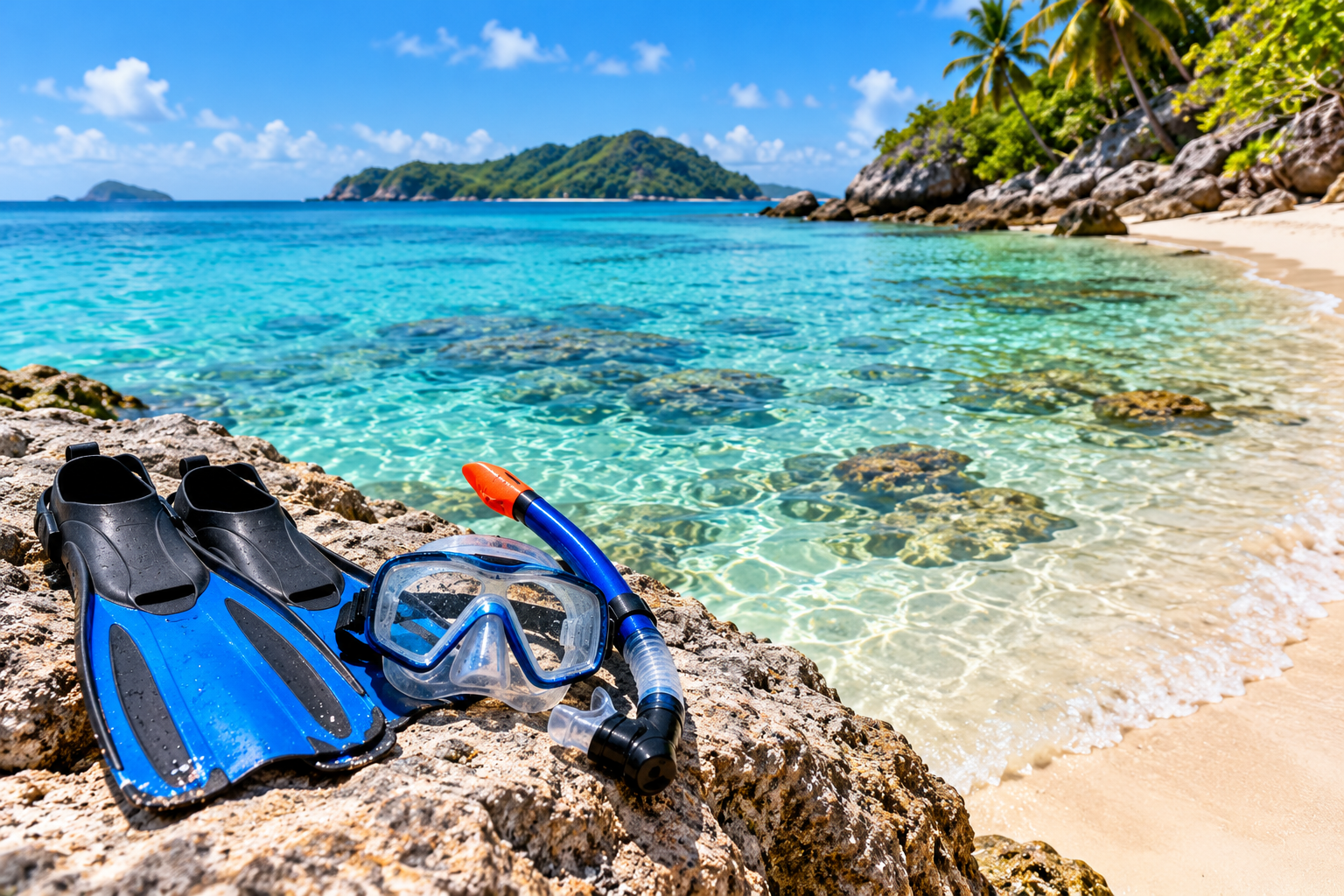
Best Snorkeling Destinations during Winter Months for Beginners
Snorkeling in a warm location is one of the easiest
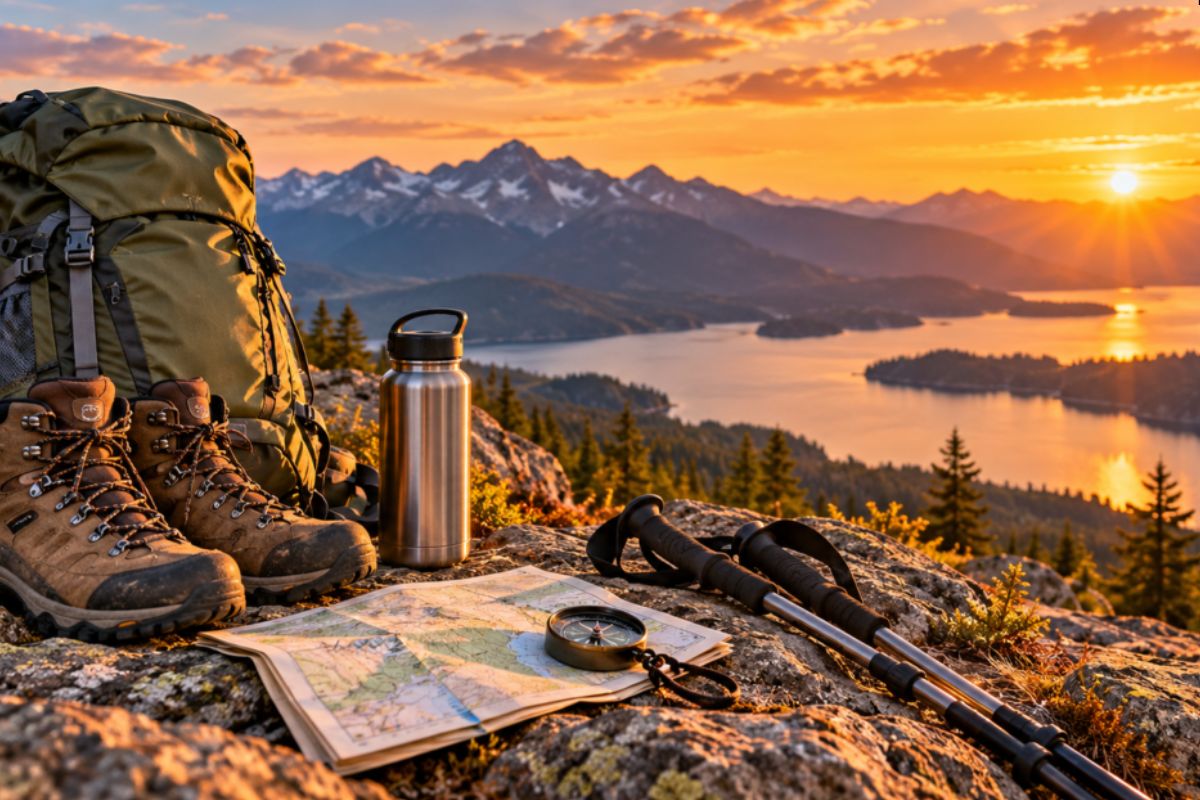
Adventure Starts with Having the Right Gear
There’s something exciting about getting ready for a new