Don’t Touch These Plants! A Guide to Poisonous Plants and Outdoor Safety
The great outdoors offers incredible opportunities for recreation and relaxation. However, it’s important to be aware of potential hazards, including poisonous plants. Here we will highlight several plants that can cause unpleasant or even deadly reactions if touched. Let’s take a closer look at these plants and how to stay safe.
The Dangerous Seven (and a Familiar Foe):
-
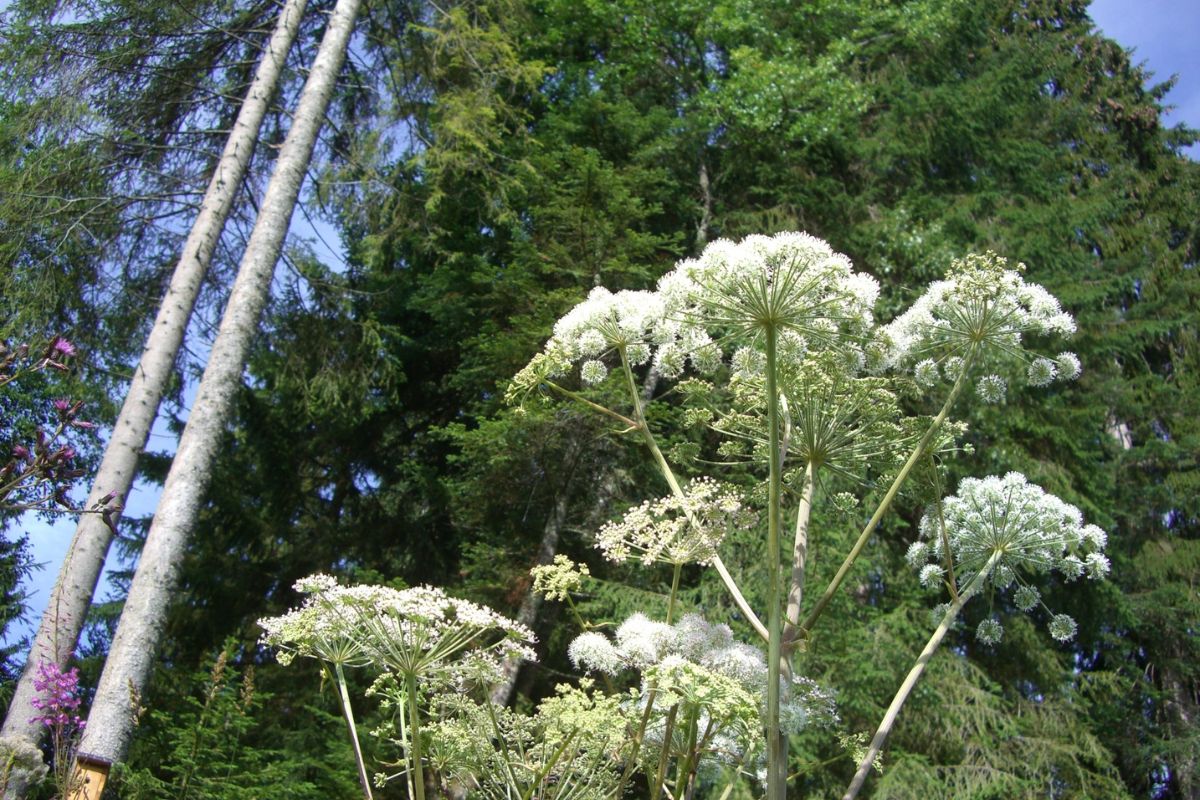
Giant Hogweed
This invasive plant is found in North America. Contact can cause severe skin and eye irritation, blistering rashes, permanent scarring, and even blindness.
Giant Hogweed
-
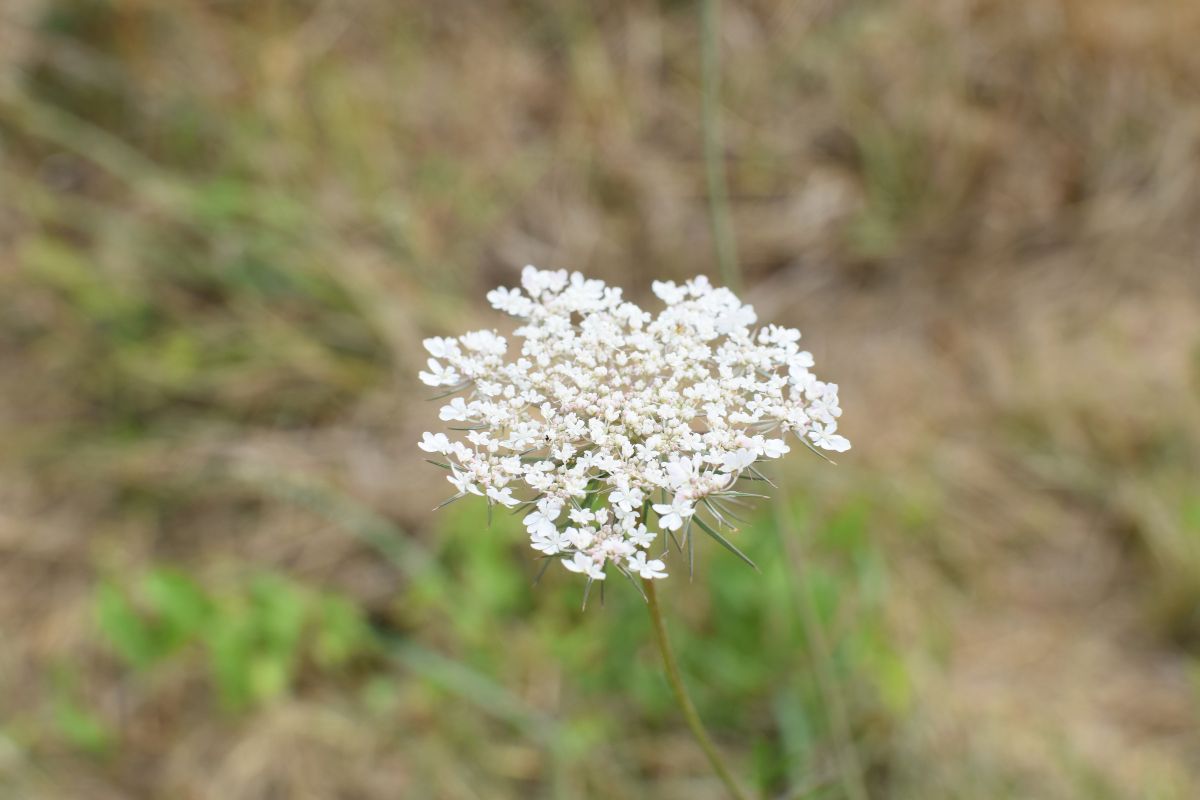
Poison Hemlock
Also invasive to North America, all parts of this plant are highly poisonous to people and animals. Ingestion of even small amounts can be fatal.
Poison Hemlock
-
Spotted Water Hemlock
Native to North America, this plant is often called the most deadly in North America. All parts are highly toxic, and ingestion can cause abdominal pain, convulsions, delirium, nausea, seizures, vomiting, and often death.
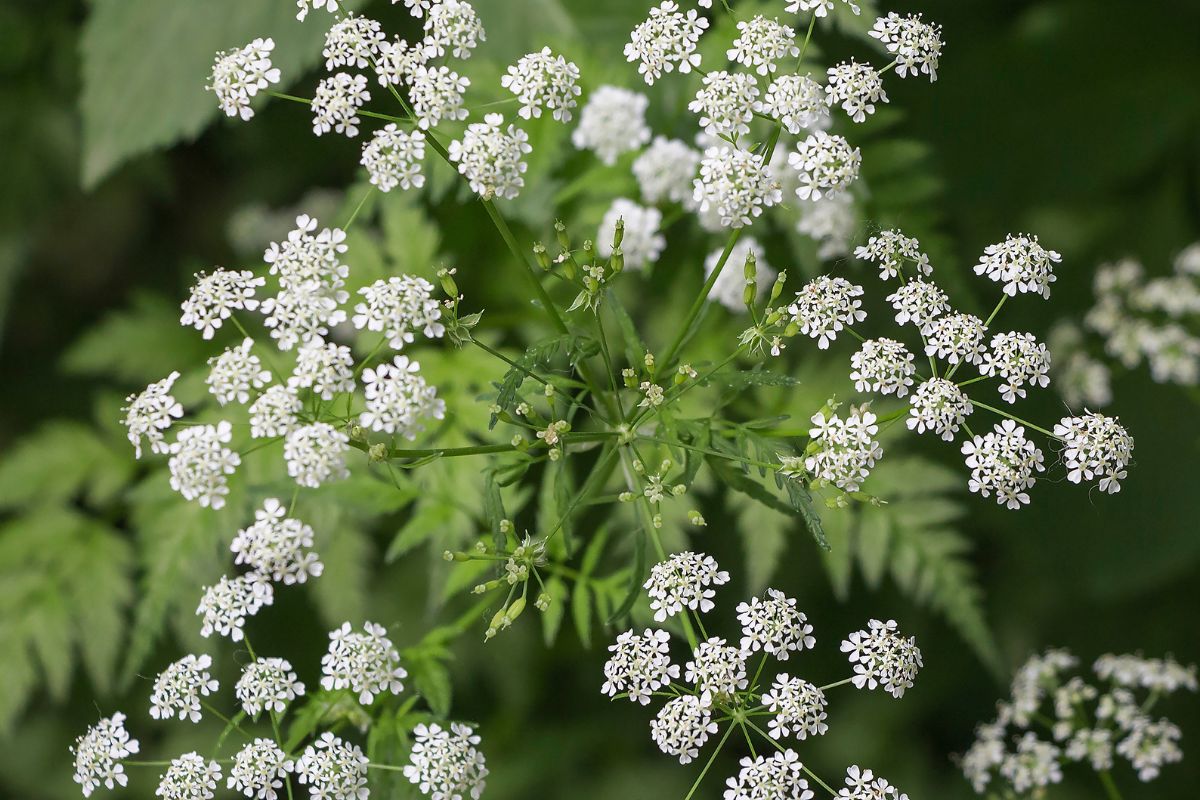
Spotted Water Hemlock
-
Cow Parsnip & Wild Parsnip
Contact with these plants can cause skin irritation, blistering rashes, and skin discoloration.
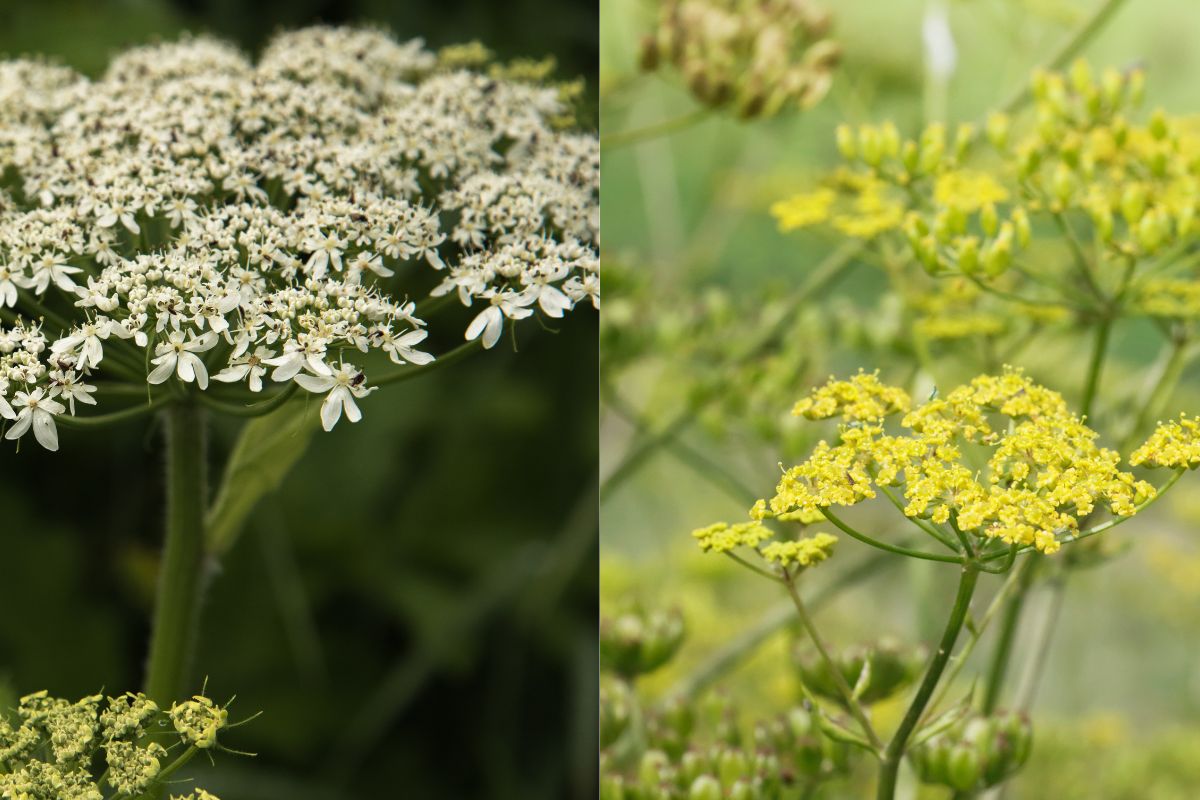
Cow Parsnip & Wild Parsnip
-
Queen Anne’s Lace
While less dangerous, contact can still cause skin irritation, especially for those with sensitive skin.
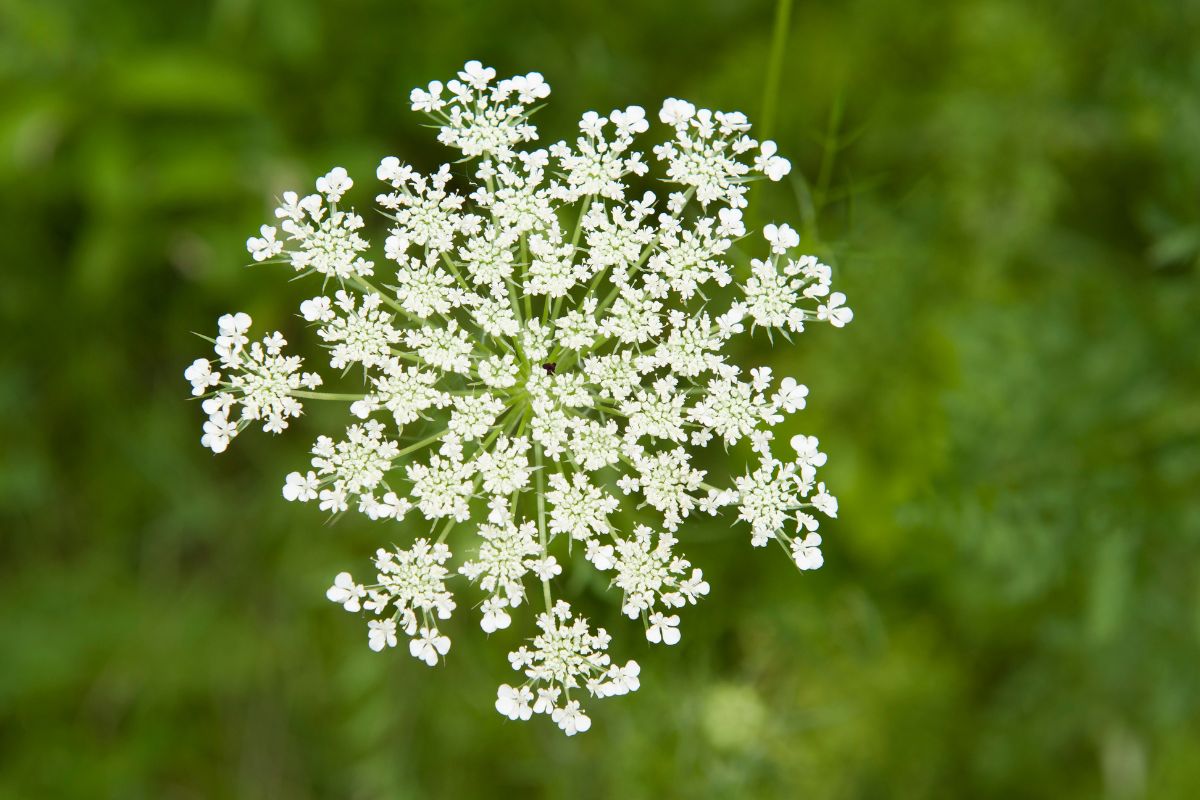
Queen Anne’s Lace
-
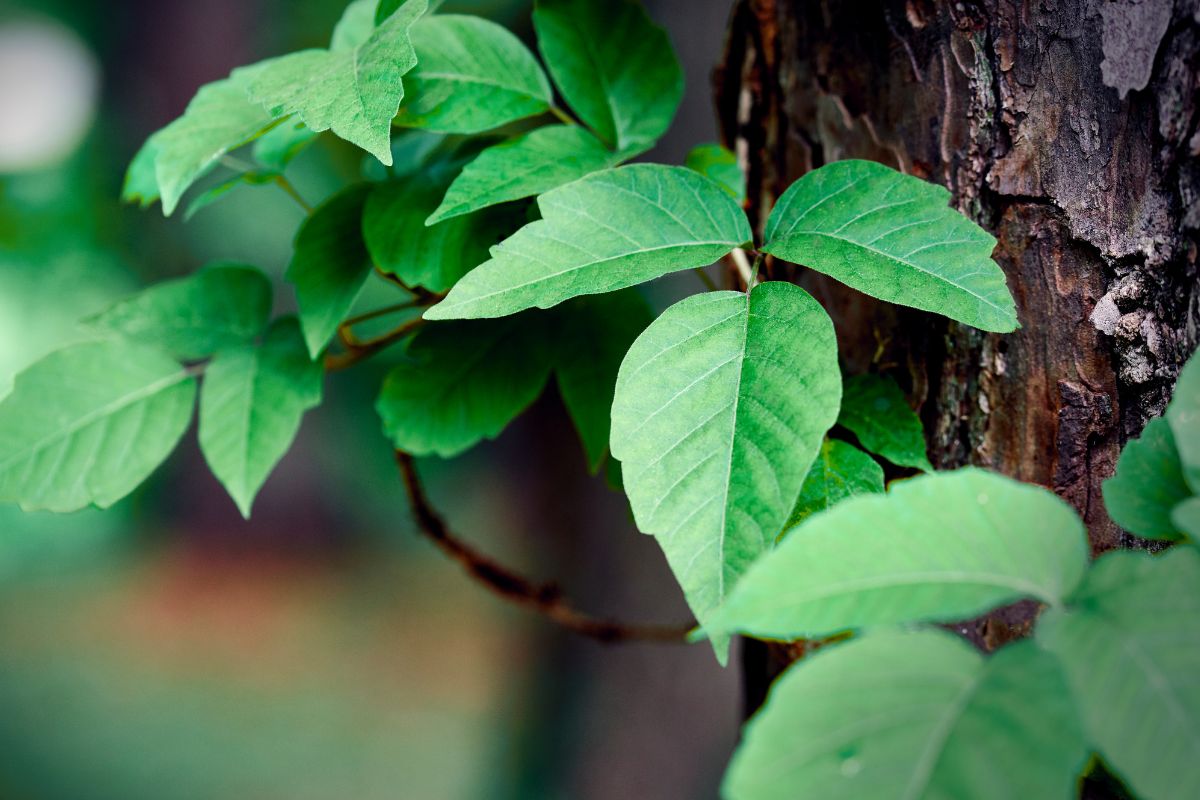
Poison Ivy
A common plant in many areas, poison ivy typically has three leaflets (though sometimes fewer or more). The leaves can be shiny or dull, and the edges can be smooth, toothed, or lobed. It often grows as a vine or a low shrub. Remember the saying: “Leaves of three, let it be!” Contact with the oily resin (urushiol) in poison ivy causes an itchy, blistering rash in most people.
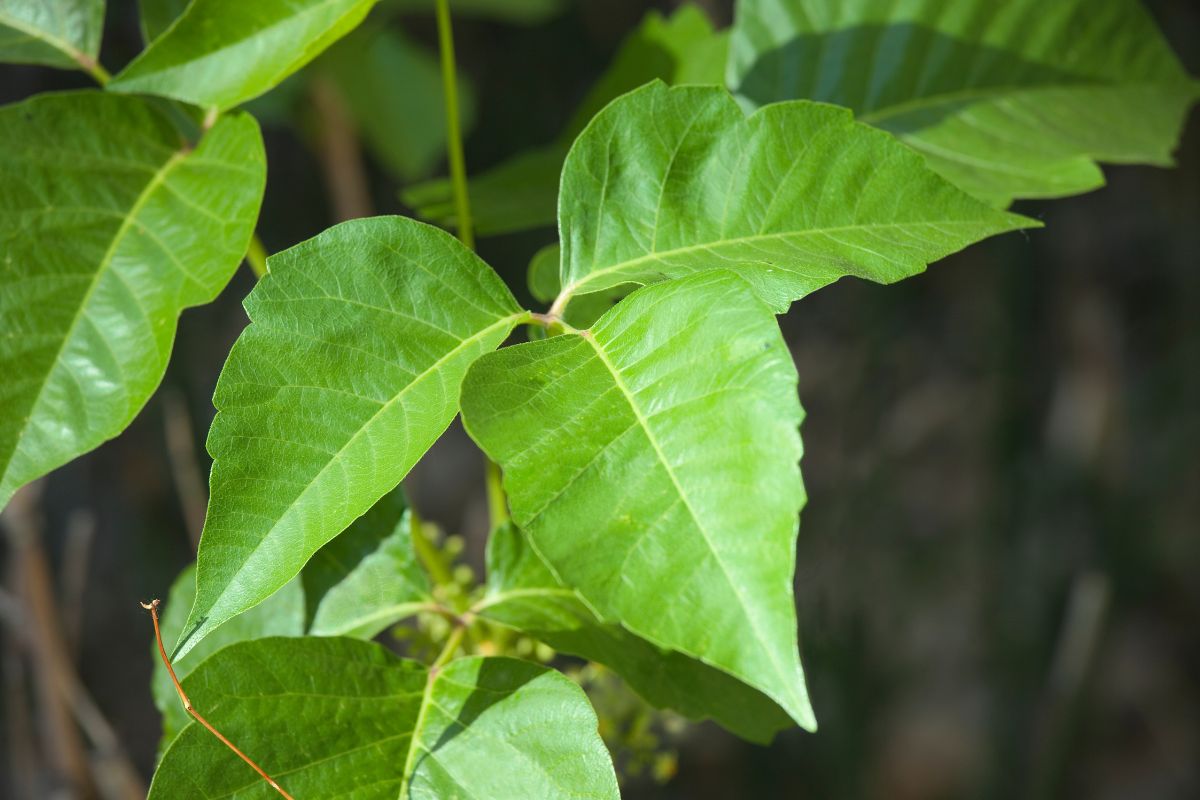
Poison Ivy
Safety in the Outdoors:
When camping, hiking, or simply enjoying the outdoors, it’s crucial to be aware of these plants and take precautions:
- Learn to Identify: Familiarize yourself with these plants and their look-alikes, including poison ivy’s characteristic three-leaf structure.
- Avoid Contact: Never touch any plant you can’t positively identify.
- Protective Clothing: When in areas where these plants may be present, wear long sleeves, long pants, and gloves.
- Stay on Trails: Avoid venturing into dense vegetation where these plants may be more common.
- Educate Children: Teach children about the dangers of poisonous plants, including poison ivy, and the importance of not touching them.
By taking these simple precautions, you can enjoy the beauty of the outdoors without the risk of encountering these poisonous plants.
Subscribe Here To Join our Newsletter: https://exploregear.com/newsletter/
For More Great Products
Picked from our seasoned pro’s
Tents – Tackle – Coolers– Tackle Storage


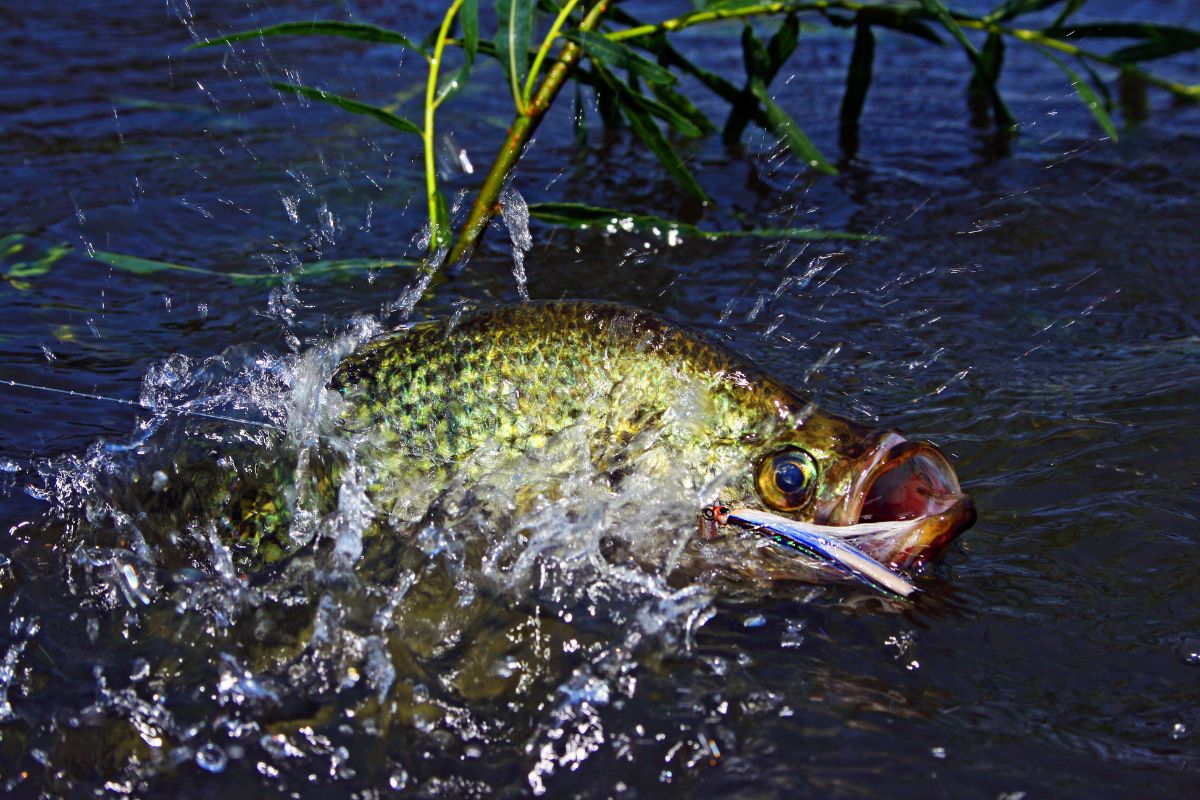
The Best Crappie Plastics & Baits in the Industry
How to Fish for Crappie with Artificial Bait Fishing for
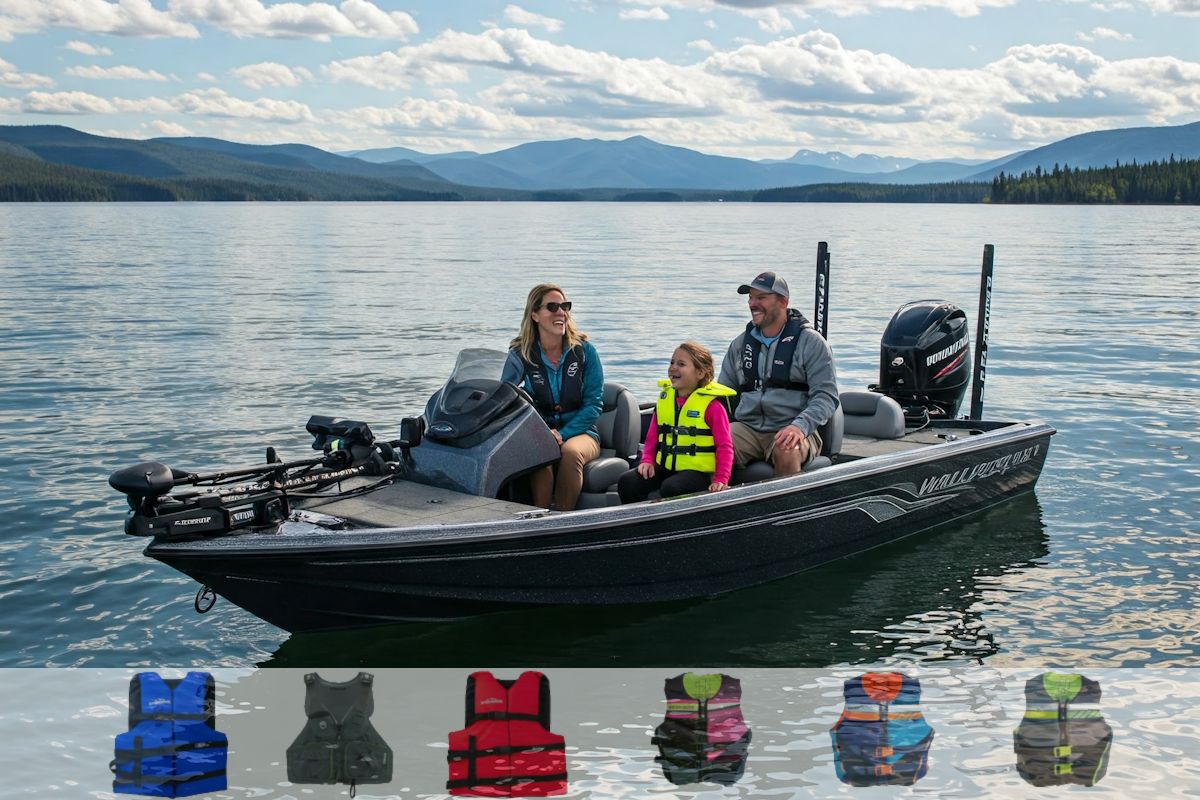
Life Jackets & Life Vests Guide
Life Jackets & Life Vests: A Comprehensive Guide Ahoy, fellow
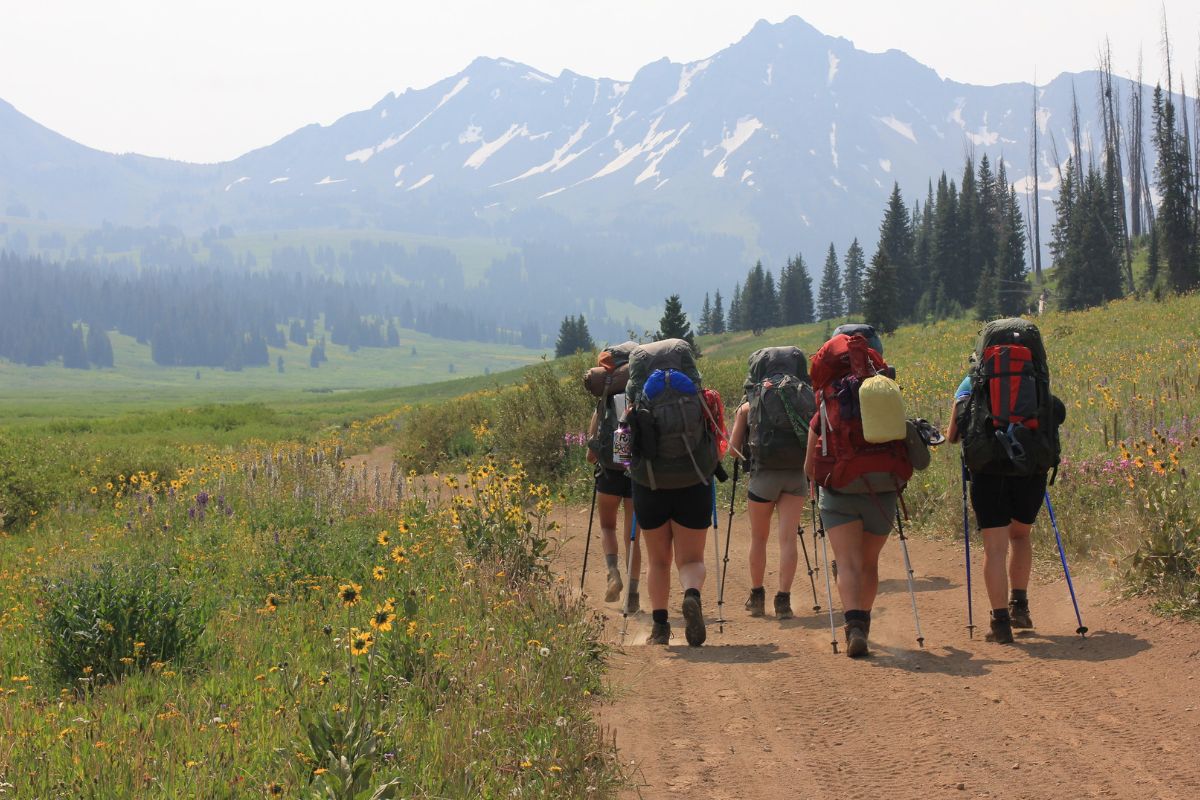
Choosing the Right Backpack: A Beginner’s Guide
Embarking on your first backpacking adventure is incredibly exciting! But
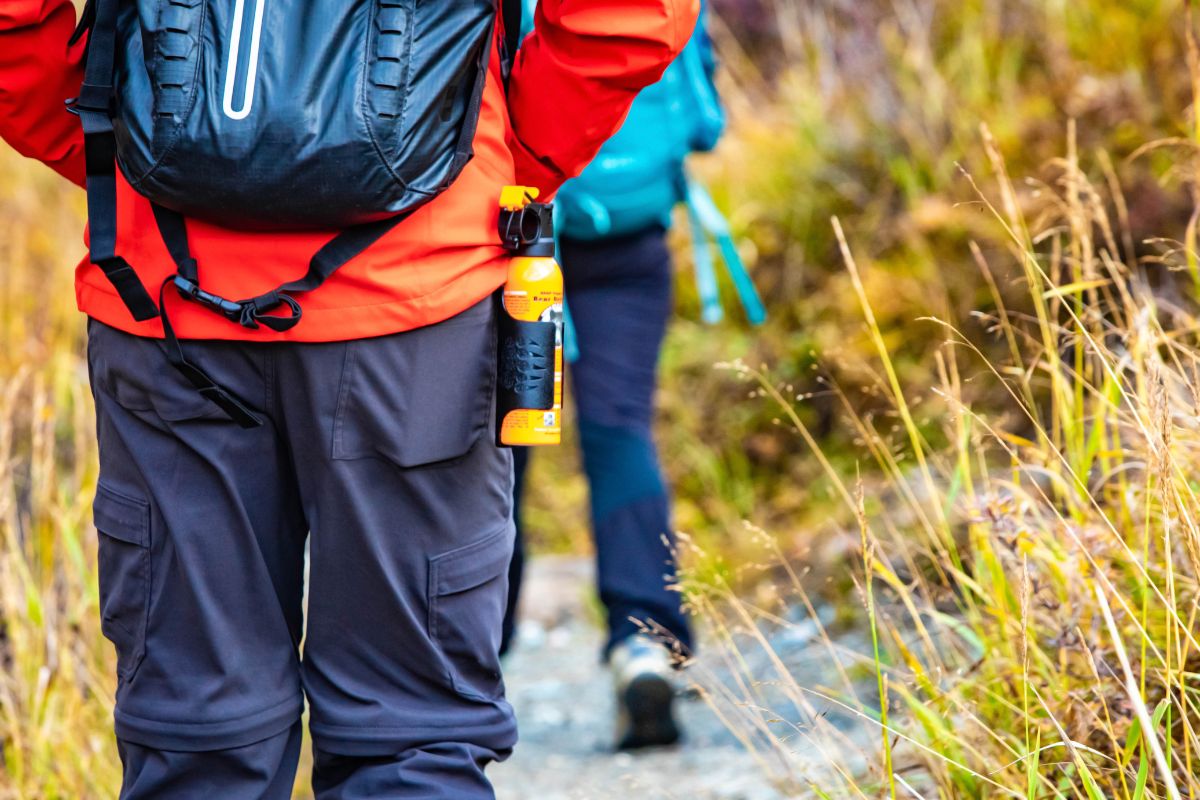
Bear Spray: Your Backcountry Defense – Beyond Bears
Venturing into the wilderness brings incredible rewards, but it also
Spring Goose Hunting: Tips for a Successful Season
Spring goose hunting offers an exciting opportunity for waterfowl hunters
How to Fish Ice-Out Panfish
As winter fades and the ice recedes, anglers eagerly anticipate