Ethical Hunting Practices: Balancing Conservation and Tradition
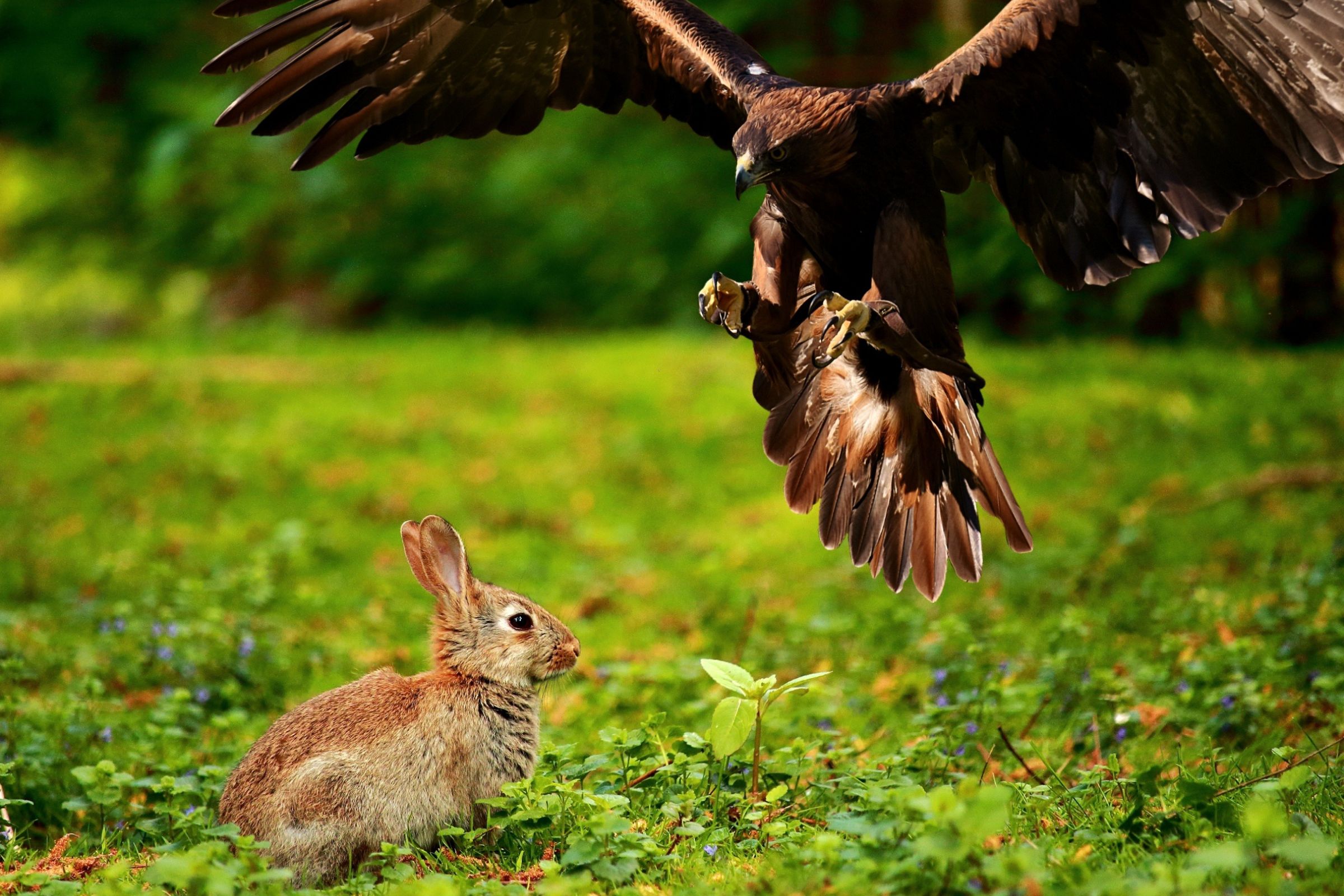
Hunting has long been a tradition that connects people to nature and their heritage. Today, ethical hunting practices are more important than ever in balancing conservation efforts with the enjoyment of the sport. By adhering to responsible methods, hunters can support wildlife populations, protect ecosystems, and ensure hunting remains a sustainable activity for generations to come.
Respect Wildlife Regulations
Ethical hunters always follow local regulations and laws, which are designed to protect wildlife populations. This includes:
- Hunting Seasons: Adhering to specific seasons ensures animals like deer, elk, and turkeys are hunted responsibly, allowing populations to thrive.
- Bag Limits: Respecting limits on how much game can be taken prevents overharvesting and preserves species diversity.
- Protected Species: Avoid hunting endangered or prohibited animals like certain foxes, wolves, and caribou.
Practice Fair Chase
The principle of fair chase is at the heart of ethical hunting. It promotes respect for the animal and the pursuit itself. Avoid using unethical tactics such as spotlighting, baiting, or hunting in confined areas. Instead, rely on skill, patience, and understanding of animal behavior to track your prey. Fair chase is particularly relevant in big game hunting for animals like moose, bison, or grizzly bears.
Support Conservation Programs
Hunters contribute significantly to conservation efforts through license fees, permits, and taxes on hunting equipment. Organizations like Ducks Unlimited and the Rocky Mountain Elk Foundation work to preserve habitats and protect wildlife. By participating in these initiatives, hunters actively support the ecosystems they enjoy.
Minimize Waste
Ethical hunting includes making the most of your harvest. Use as much of the animal as possible, from meat to hides. Donate excess game to food banks or community programs if you’ve reached your personal limit. Wasting game is not only unethical but also disrespectful to the animal and the environment.
Prioritize Safety and Education
Hunters should prioritize safety for themselves, others, and wildlife. Always identify your target and what lies beyond before taking a shot. Proper training in gun hunting or bow hunting techniques ensures accurate, humane kills. Sharing knowledge with new hunters helps spread ethical practices and traditions.
Ethical hunting is about more than taking game; it’s about fostering a deep respect for nature, wildlife, and the traditions of hunting. By balancing conservation efforts with responsible practices, hunters can ensure a thriving ecosystem and maintain the integrity of their sport for future generations.



The Best Tools to Keep in Your Dirt Bike Tool Bag
Hitting the trails on your dirt bike is an exhilarating

Dirt Bike 101: A Beginner’s Guide to Getting Started
The thrill of riding a dirt bike is undeniable. The

Beginner’s Guide to ATV/SxS Riding: Essential Skills and Safety Tips
So, you're ready to dive into the thrilling world of

Backpacking Essentials for Exploring the American West: Gear Up for Adventure
The American West, with its towering mountains, sprawling deserts, and
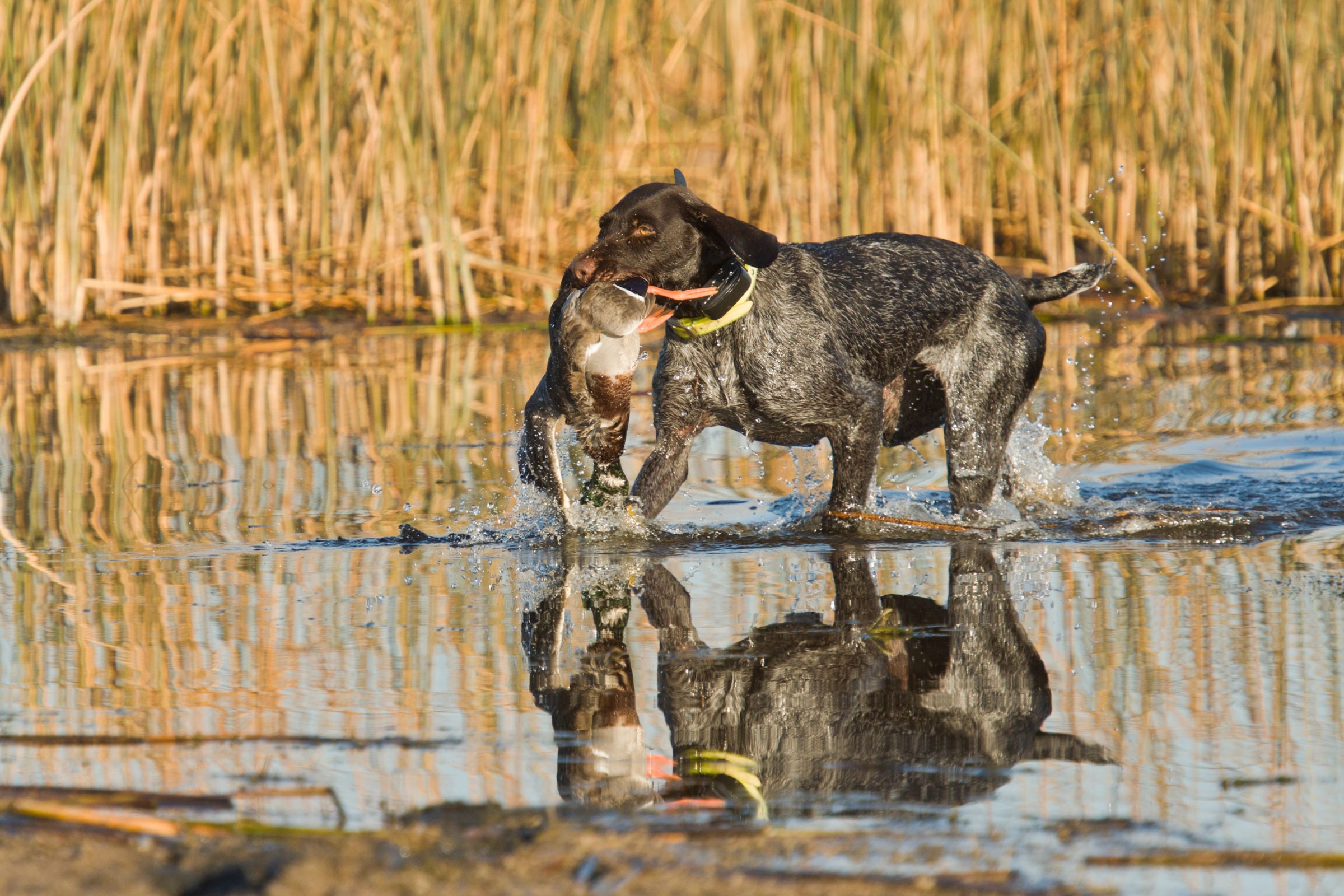
Waterfowl Hunting Made Easy: Decoys, Calling, and Blind Placement Tips
Waterfowl hunting, encompassing ducks and geese, is a pursuit that
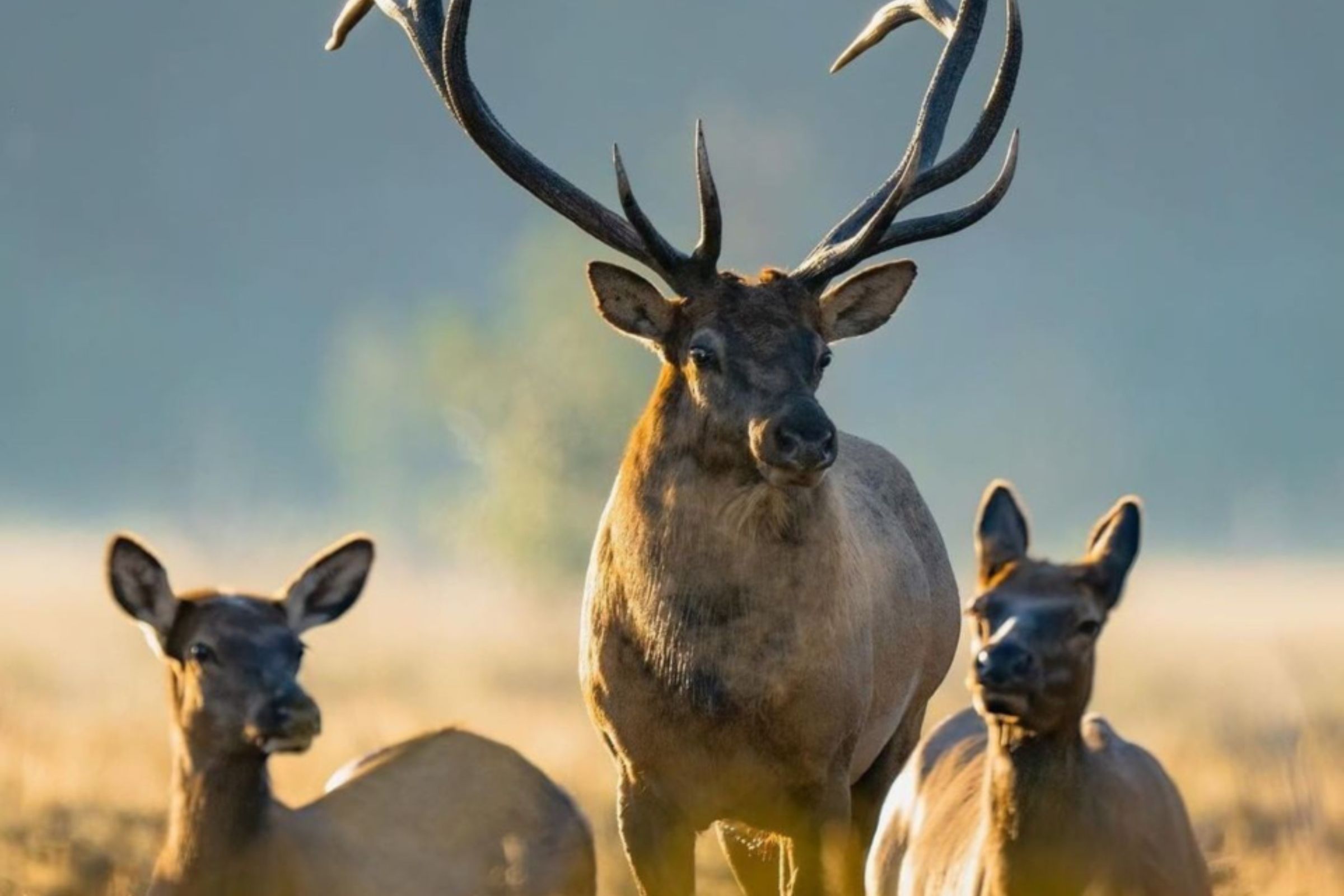
Preparing for Moose, Elk, and Caribou Hunts: Essential Skills, Gear, and Planning Tips
Embarking on a big game hunt for moose, elk, or