
Fall Pike Fishing Playbook: Locations, Lures, and Tactics for Giants

When water temps slide and baitfish start staging, northern pike go from spooky to smashy. Fall concentrates forage, shrinks feeding windows, and pushes true trophies into predictable lanes. Below is a practical, field-tested plan that blends classic wisdom with modern tactics so you can connect with the heavyweights before ice-up.
Follow the Food: Where Big Pike Set Up
Main-lake points, saddles, and weed/rock intersections are prime fall real estate. Baitfish like cisco/tullibee, perch, and shiners migrate toward structure and shallow edges as water cools; pike shadow them and pin prey against contours. Focus on the edge—inside and outside weedlines on healthy flats (often 4–8 feet), the tips of points that drop quickly, and current neck-downs. If you can find a rubble edge that touches green weeds or a saddle between islands, you’re in the zone. Work from shallow to deep and note where you contact fish; fall pike often hold just off the break, sliding in to ambush.
Water Temperature & Timing: Compressed Windows, Bigger Rewards
Shorter days and cooler temps mean pike feed in tighter spurts—but with intent. Expect peak activity around weather changes: the hours before a front, the first warming window after a cold snap, and low-light periods. Because windows compress, you should pick high-confidence spots and cycle through them rather than camping on one area. Upsizing presentations pays because fall fish are fueling up for winter, and larger profiles broadcast more “meal” in stained or wind-chopped conditions.
What to Throw: Big, Bold, and Slightly Slower
Spinnerbaits & safety-pin spinners: These shine around weed edges and wind-blown points. Slow-roll with occasional rod sweeps to flare the skirt and blades, then let it re-level. Single-Colorado builds thump for stained water; tandem willow cuts grass and hunts faster—great for covering inside/outside edges.
Spoons: Classics in fall for a reason. Cast beyond the break, count down, and retrieve with speed pulses—rip-rip-fall—to mimic fleeing bait. Over weeds, keep it high with a steady roll; over rock or sparse cabbage, add stalls to trigger followers that won’t quite commit.
Jerkbaits & glide baits: Suspenders and neutrally buoyant glides let you work the “hang”—deadly in crisp water. Cast to the edge, crank down, then twitch-twitch… pause. Vary pause length as temps drop; colder water = longer sits that dare pike to crush. Starting your retrieve near the bottom with sharp, animated lifts can wake lethargic fish—translate that to jerkbaits by mixing sharp twitches with controlled slack to make the bait kick and stall.
Swimbaits & paddletails: A 5–8″ paddletail on a 1/2–1 oz head tracks cleanly down breaks and across saddles. Slow-roll just ticking tops of weeds; add short bursts to surge and re-engage the tail. If you see bait on the graph off the point, let it sink to their level and grind it back.
Boat Control & Casting Lanes
Fish the lanes pike use to move in and out of chow lines. Quarter the wind so you can present across the edge (not only down it), which keeps baits in the strike zone longer. Make three grids: (1) parallel casts along the weedline, (2) casts from shallow to deep across the edge, and (3) fan casts off the point tip to contact roaming fish pushing bait out over 10–25 feet. If you contact a follower, immediately figure-8 boatside with long, sweeping ovals—fall fish often decide at the last second.
Live Bait vs. Artificial: When to Soak and When to Hunt
Artificial hunting (spinnerbaits, spoons, jerks, glides) lets you locate active fish quickly. When the barometer bottoms or a bluebird high stalls the bite, a quick-strike rigged sucker or jumbo dead-bait on a float can anchor a spot and turn lookers into biters. Many veteran anglers mix a “search rod” (moving bait) with a set line while they grid an area, then switch once they mark or see fish.
Reading the Weeds: Green = Life
Not all vegetation is equal in the fall. Healthy, still-green cabbage/coontail filters water, holds oxygen and baitfish, and creates ambush cover. Brown, dying weeds shed oxygen and forage—skip them. Start on the outside edge where wind pushes bait, then check the inside edge if the lake is glassy or the sun pops. This “fish the edges” mantra is echoed across fall pike playbooks for good reason.
Tackle That Won’t Fail the Big One
Rods & reels: Medium-heavy to heavy rods (7’6″–8’6″) paired with fast, stout reels give you the authority to steer fish away from sparse fall weeds and rocks. Choose high-capacity spools for long casts across points and saddles.
Line & leaders: 50–65 lb braid for most moving baits; step down to 40 lb if you need extra casting distance with spoons/jerks in clear water. Always run bite-proof leaders: 30–60 lb fluoro for stealth or 30–45 lb wire for absolute insurance. Swap leaders as water clears or clouds—stealth on sunny, still days; wire when the bite is hot and you’re burning metal.
Hooks & hardware: Sharpen often. Cold fish swat and pin. Split rings and snaps should match muskie-grade ratings to survive boat-side surges.
When the Calendar Turns to October
Fall isn’t always about speed; it’s about change. Mix in sudden accelerations, rod pops, and disciplined pauses—especially with jerkbaits and glides. On spinnerbaits, a quarter-turn burst or a mid-retrieve stall can turn a ghosting shadow into a crush. If you spot fish on forward-facing sonar hanging off the break, count your lure down to them and use a pulse-pause cadence.
As lakes cool into the 40s and bait piles up, October becomes big-fish month across much of the North. Track windy shorelines, points with immediate access to deep water, and any system with cisco/tullibee spawns—those oily baitfish are magnet-grade protein and pike know it. If your lake has them, target the intersection where rubble meets the last green weeds at dusk. October is prime time to swing for trophies—plan your vacation days accordingly.
Safety, Handling & a Quick Release
Bring a big-rubber net, lip grip, and long-nose pliers; barbless or flattened barbs speed the release and save your hands. Keep fish in the water while unhooking and get that photo fast—cold water is your ally, but big pike still gas out when over-handled. A healthy release today equals a bigger fish tomorrow.
Sample Half-Day Plan
- First light: Wind-blown point with a weedline in 6–10 feet. Cover with a spinnerbait, then a spoon. Two pass grid.
- Mid-morning: Slide to the saddle between the point and nearest island; count down a paddletail and slow-roll through bait marks.
- Late morning lull: Soak a quick-strike sucker on the edge while fan-casting a glide. Log any follows and re-run with longer pauses.
- Last hour: Return to the best edge, align with the wind, and run jerkbaits with exaggerated hangs. Finish every cast with a big, slow figure-8.
Dial in those locations, mind your cadence, and keep a set line honest when conditions get tough. The next violent thunk could be your heaviest pike of the year.


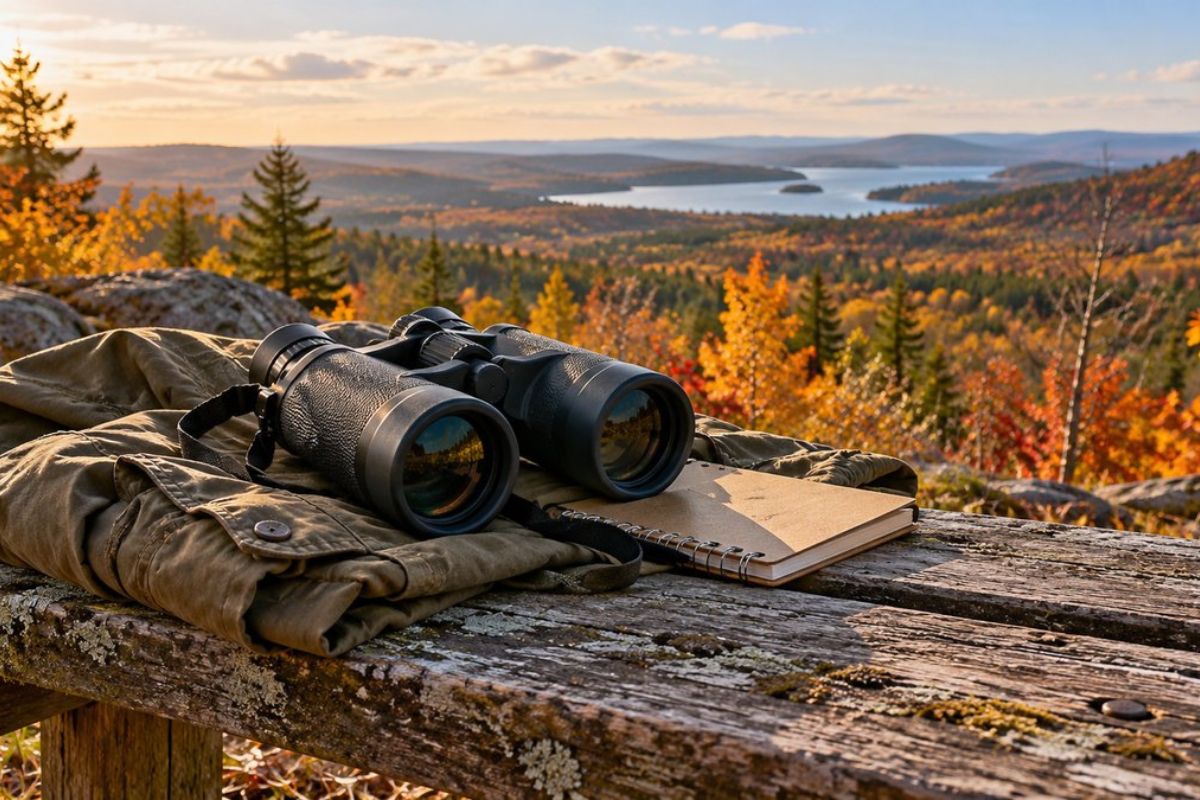
A Quieter Carry: Organize Your Hunting Binoculars and Field Notes
A zipper catches your glove. A loose buckle taps
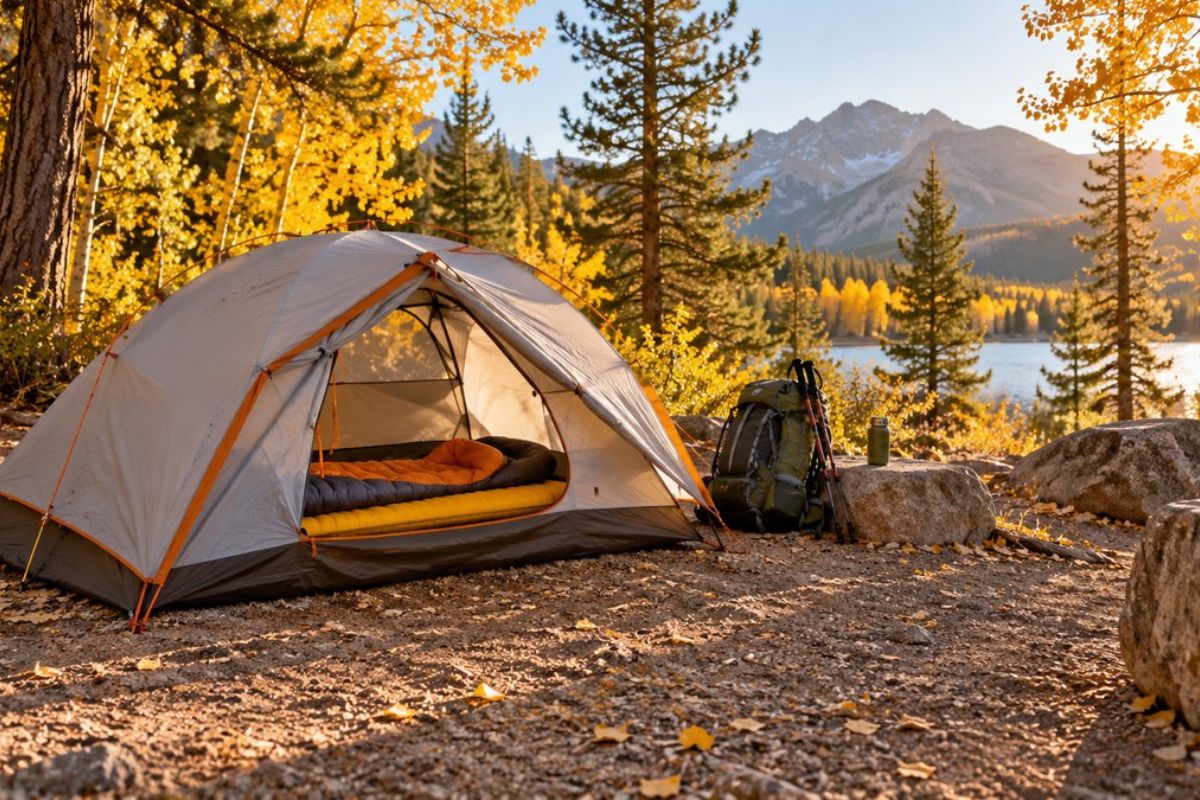
Cold at 3 A.M.? Rethink Your Fall Camping Sleep System
The evening was perfect. Dinner tasted better outdoors, the
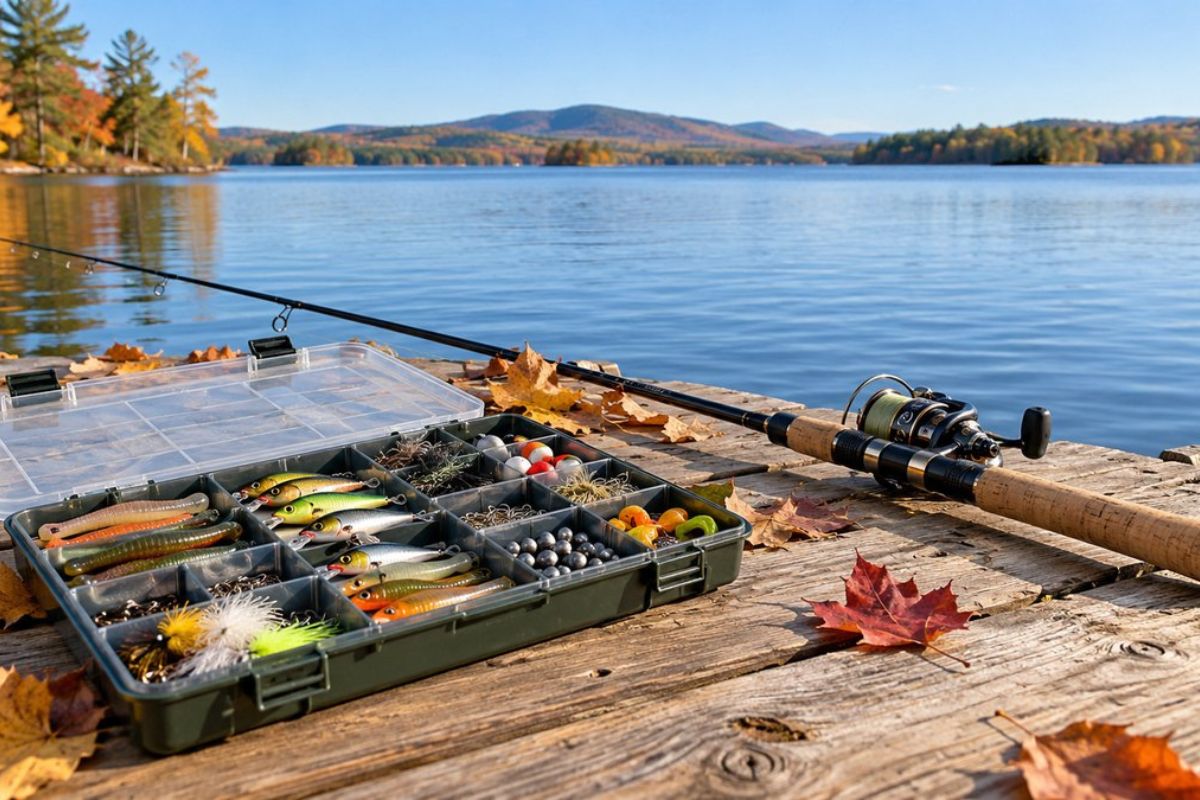
The Fall Tackle Box Reset: Pack for the Water in Front of You
Somewhere beneath the spare hooks and mystery soft plastics
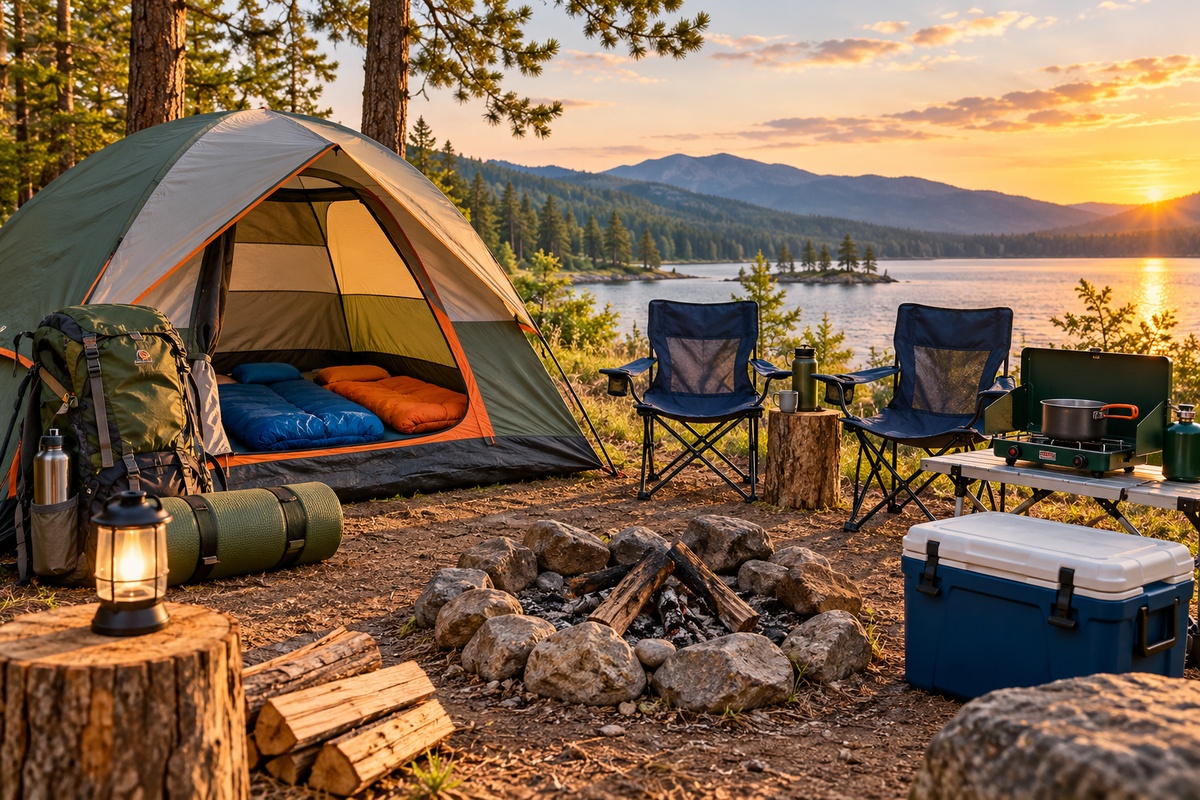
Camping Checklist: What You Really Need for Your Trip
Whether it's your first camping trip or you are a
Best Snorkeling Destinations during Winter Months for Beginners
Snorkeling in a warm location is one of the easiest
Adventure Starts with Having the Right Gear
There’s something exciting about getting ready for a new