
Find Big Fish This Season — Walleye Ice Fishing: Where to Look and Why

Know where walleyes live in winter
Unlike summer feeding patterns, winter walleye tend to concentrate on structure and transitions where forage is easiest to find. Key spots include drop-offs and breaks that separate flats from basins, long points that fall into deeper water, saddles between basins, submerged humps, and ledges near current seams or inflows. Big walleyes often relate to the places where baitfish stack up — follow the bait and you’ll usually find the larger predators nearby.
Start with a map, then use electronics
Begin by studying lake contours on a chart to identify likely structure: abrupt depth changes, channels, humps, and points. On the ice, a flasher or GPS-enabled graph speeds the search dramatically. Use your electronics to find suspended schools, single large targets, or fish hugging the bottom; note the depth and look for similar structure along shorelines and points so you can drill multiple holes in productive water.
Time of day and weather matter
Walleye activity often peaks during low-light periods — early morning, late afternoon, and dusk. Cloud cover can extend the bite into the middle of the day, while bright sun usually pushes fish deeper. Barometric changes and wind shifts can also trigger movement; be ready to move with the fish rather than stubbornly holding one hole when the action dries up.
Bait and lure selections that work
Live minnows remain the most consistent winter walleye bait. Match minnow size to local forage; medium-small shiners or fathead minnows are excellent all-round choices. For artificials, lean on small jigging spoons, rattle jigs, hair jigs, and soft plastics on light heads. Weight your jigs to reach the strike zone quickly but avoid overspeeding the presentation — many winter strikes happen as the bait falls naturally through the water column.
Presentations: vertical jigging and deadsticking
Two presentations account for most winter walleye strikes. Vertical jigging: short lifts of the rod tip followed by a controlled fall. Many walleyes strike during the fall, so give the jig time to drop naturally. Deadsticking: suspend a live minnow motionless at the depth the fish are holding. Deadsticking is especially effective when the bite is slow — add tiny twitches occasionally to mimic a stressed baitfish.
Tip-ups and coverage strategy
Tip-ups extend your coverage and hold live bait at targeted depths while you actively jig. Set several tip-ups staggered across a break or point at different depths to determine where walleyes are feeding. When a tip-up trips, concentrate jigging nearby at that depth and presentation. Rotating between tip-ups and active jigging is a reliable way to locate depth and cadence that produce fish.
Tackle, line, and terminal rigging
Use a short ice rod (24–30″) with a sensitive tip and a small spinning reel spooled with 4–8 lb test mono or fluorocarbon in clear water. Braid with a short fluorocarbon leader can be useful when you want zero stretch and immediate hook sets. Choose hooks that match your bait and keep leaders tidy — neat, compact rigs fish better through the ice and reduce snags. Electronics are part of your tackle: a flasher or dual-frequency unit helps you see strikes and adjust presentations fast.
Reading fish behavior and adjusting
Pay attention to how fish react on your sonar. If they follow and ignore your jig, try downsizing or slowing the fall. If they attack aggressively, add flash or speed up your cadence. Larger walleyes sometimes prefer a more natural, slower presentation while smaller fish will hit flashy, faster-moving lures. Keep changing one variable at a time (depth, jig size, cadence) so you can isolate what triggers bites.
Ice safety and practical tips
Ice safety is non-negotiable. Confirm current local guidance on safe ice thickness for walking, ATVs, and vehicles — conditions can vary widely across a lake. Carry ice picks, a throw rope, a flotation device, and a phone in a dry, accessible case. Dress in layers and keep spare dry clothes sealed in your vehicle. Small conveniences — a hand towel for dry hands, spare batteries kept warm, and a simple portable shelter — make long days more productive and comfortable.
Be patient and methodical
Successful winter walleye fishing blends scouting, electronics, the right presentation, and a willingness to adapt. Start with structure and live bait, use your sonar to find depth and reaction, alternate between jigging and tip-ups, and adjust cadence until you find what the fish want. Above all, be patient and stay safe — winter offers some of the most rewarding walleye opportunities of the year when you’re willing to put in the time and attention.


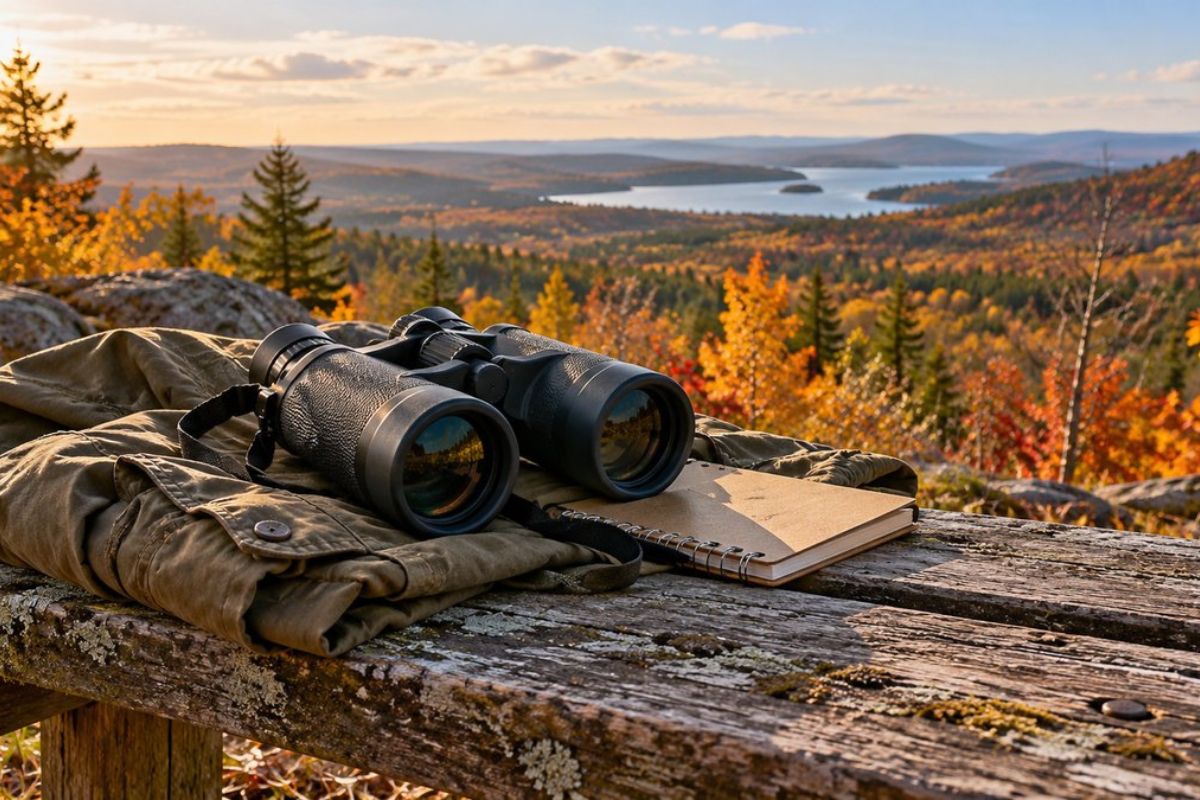
A Quieter Carry: Organize Your Hunting Binoculars and Field Notes
A zipper catches your glove. A loose buckle taps
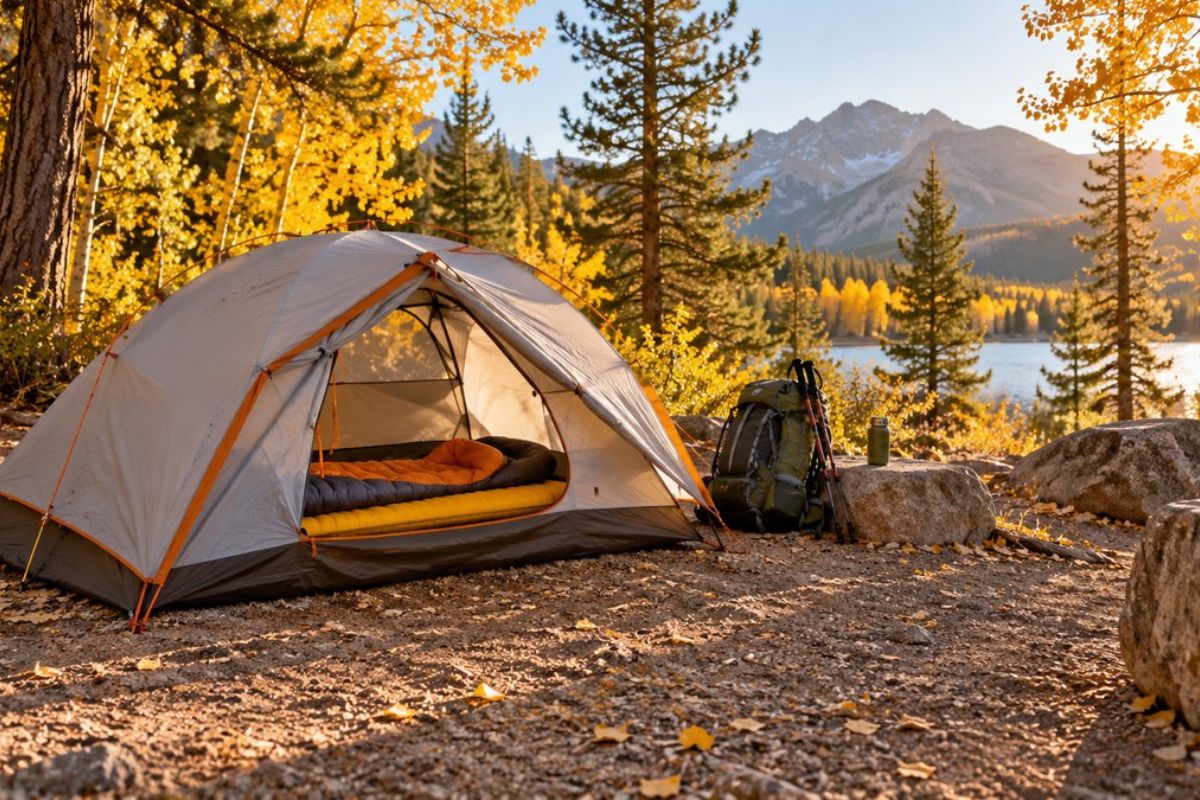
Cold at 3 A.M.? Rethink Your Fall Camping Sleep System
The evening was perfect. Dinner tasted better outdoors, the
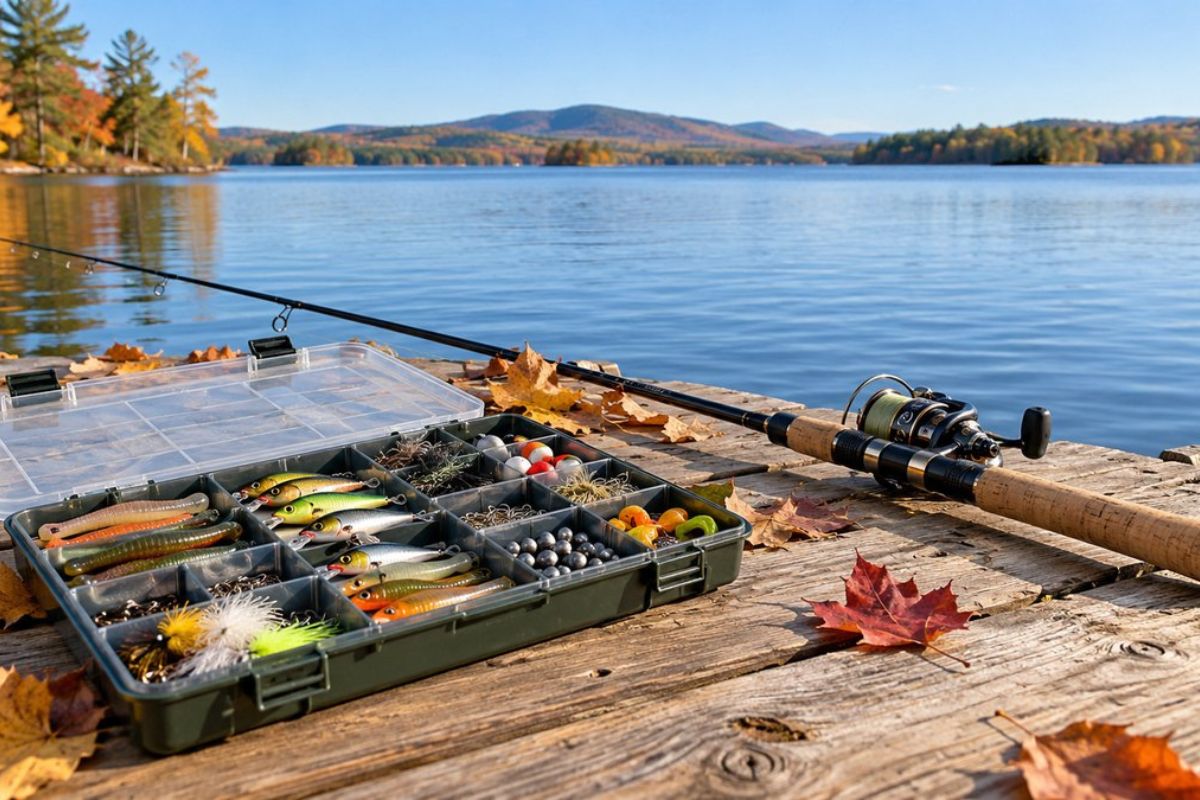
The Fall Tackle Box Reset: Pack for the Water in Front of You
Somewhere beneath the spare hooks and mystery soft plastics
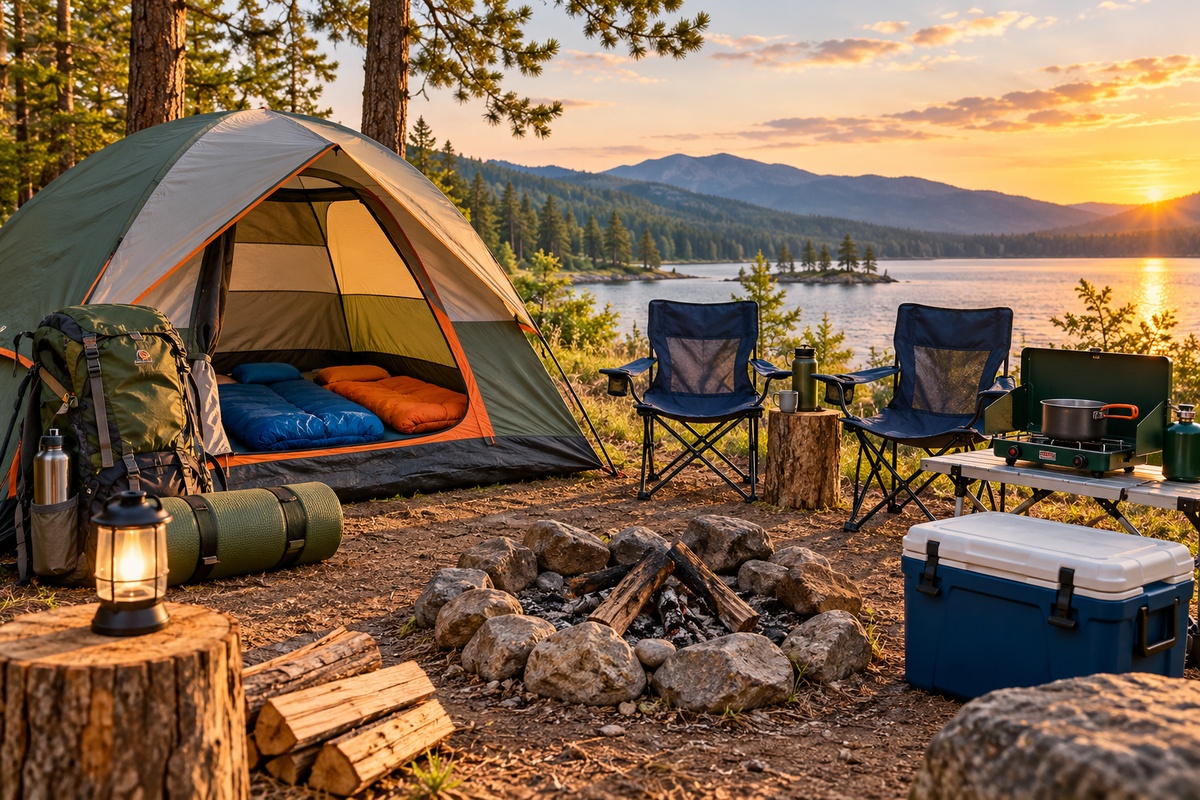
Camping Checklist: What You Really Need for Your Trip
Whether it's your first camping trip or you are a
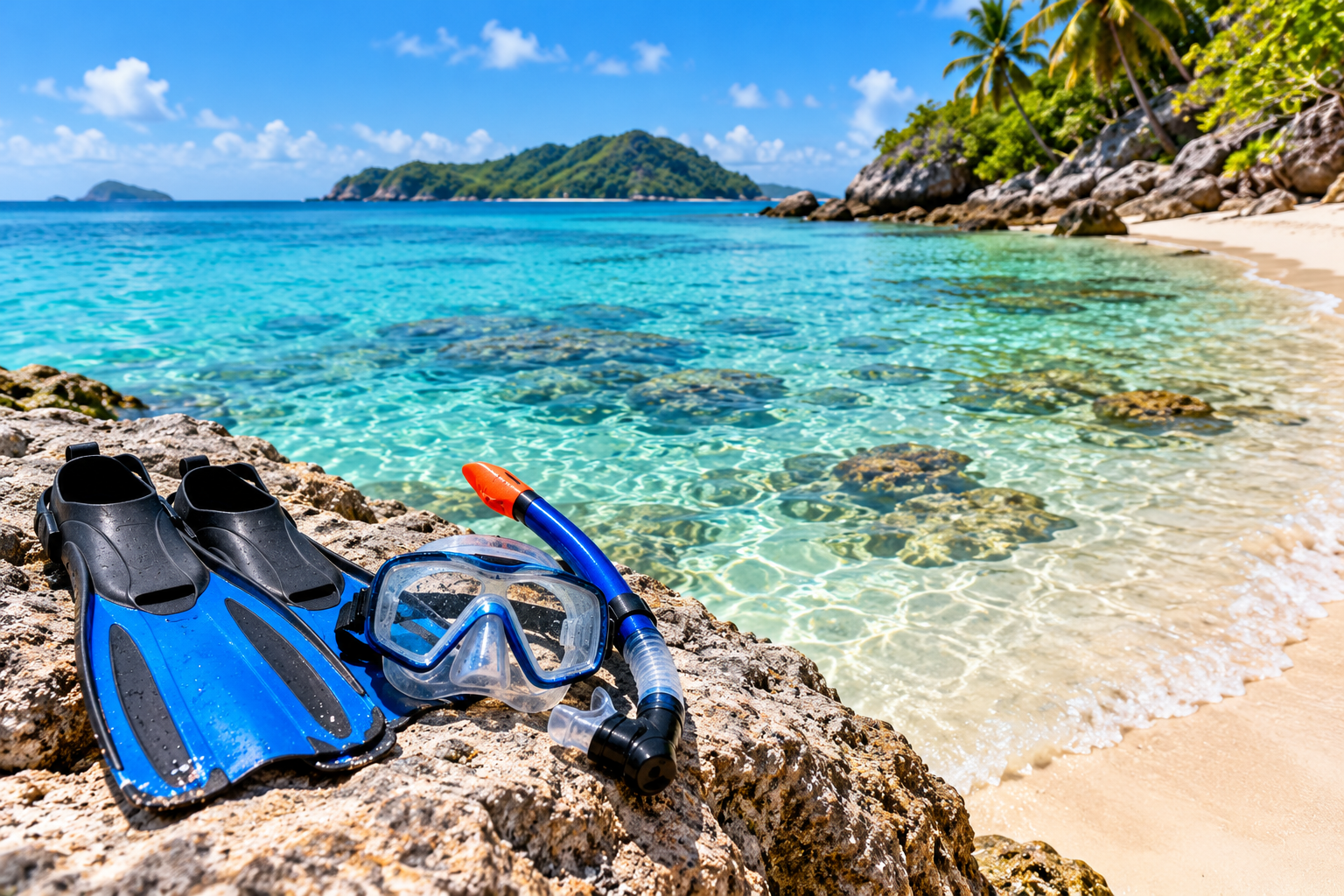
Best Snorkeling Destinations during Winter Months for Beginners
Snorkeling in a warm location is one of the easiest
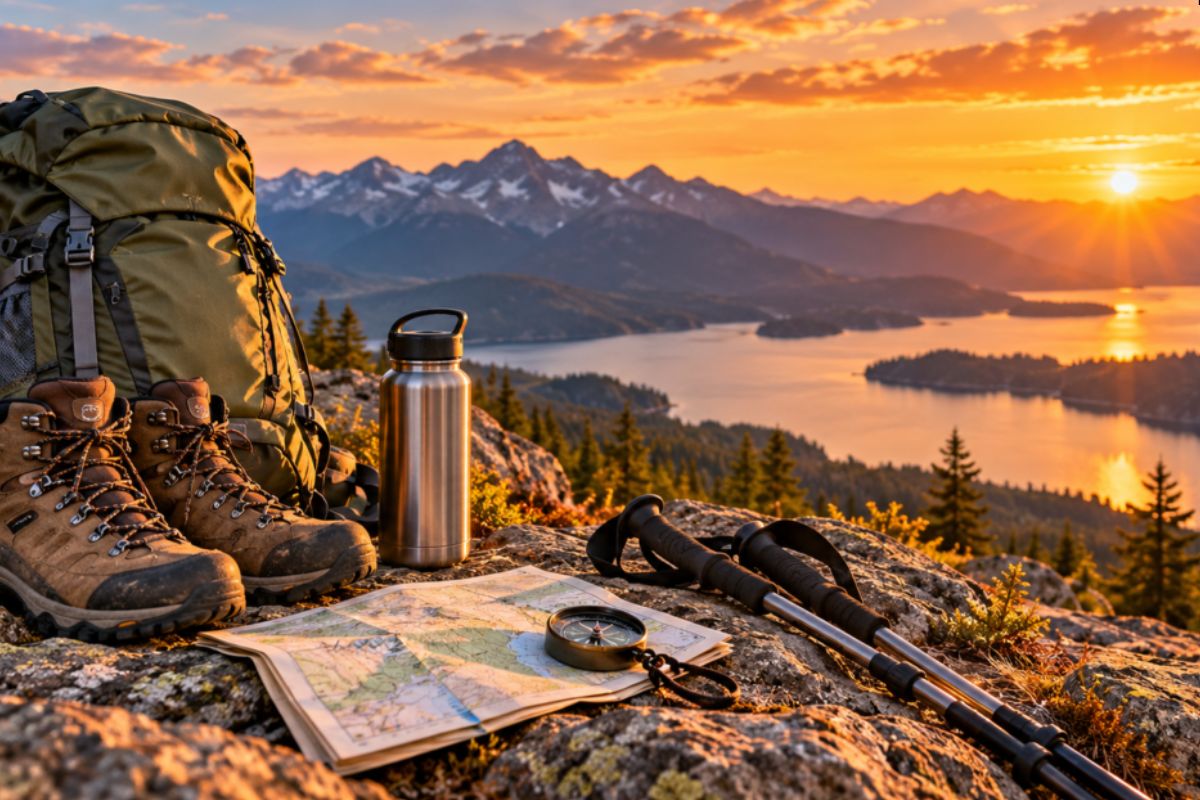
Adventure Starts with Having the Right Gear
There’s something exciting about getting ready for a new