How to Choose the Perfect Ice Fishing Rod

Ice fishing is all about balance—between sensitivity, strength, and comfort. The right ice rod can help you feel even the slightest nibble under a thick layer of ice. Whether you’re targeting panfish, walleye, or northern pike, your rod should match your fishing style and the species you’re after. This guide breaks down everything you need to know to pick the perfect ice rod for your next trip.
Identify Your Target Species
The species you’re targeting determines rod power, action, and length. Here’s a quick reference:
Panfish (Bluegill, Crappie, Perch): Use an ultra-light or light rod for maximum sensitivity.
Walleye and Trout: Go with a medium or medium-light rod for more backbone and hook-setting power.
Northern Pike and Musky: Choose a medium-heavy or heavy rod to handle large lures and hard fights.
Understand Rod Action
Rod action refers to how much and where the rod bends when pressure is applied. It plays a major role in detecting bites and setting the hook.
Extra-Fast Action: Bends mostly at the tip. Ideal for subtle bites and quick hooksets.
Fast Action: Bends in the upper third. Great for versatile fishing with good sensitivity and backbone.
Moderate Action: Bends through the top half. Better for treble-hook baits or beginners who want a more forgiving rod.
Slow Action: Bends through most of the blank. Useful for light-biting species or when fighting fish gently is key.
Choose the Right Rod Material
Graphite Rods
- Pros: Lightweight, highly sensitive, and great for detecting subtle bites.
- Cons: Can be more brittle in extreme cold; may snap under rough handling.
- Best For: Anglers who value feel and precision, especially for panfish and walleye.
Fiberglass Rods
- Pros: Durable, flexible, and resistant to breaking even in freezing temps.
- Cons: Less sensitive and slightly heavier than graphite.
- Best For: Beginners, kids, or those fishing large species in rough conditions.
Composite Rods
- Pros: Combine the best of both worlds—sensitivity from graphite and durability from fiberglass.
- Cons: Slightly heavier and pricier than single-material rods.
- Best For: All-around performance for anglers who target multiple species.
Pick the Right Length
Ice rods are much shorter than open-water rods. The right length depends on how and where you fish:
18–28 inches: Ideal for fishing in tight shelters where space is limited.
30–36 inches: A versatile length for most panfish, walleye, and trout setups.
40–48 inches: Best for anglers who prefer fishing outside the shelter or need extra leverage for big fish.
50 inches and above: Used for large predator species or anglers seeking long, sweeping hooksets.
Consider Rod Guides
Guides (the small rings along the rod) impact line flow and ice buildup.
Larger Guides: Prevent ice from clogging and are easier to manage with gloves.
Smaller Guides: Improve sensitivity but can freeze faster in extreme cold.
Quality Materials: Look for stainless steel or ceramic inserts to reduce friction and extend line life.
Match Your Reel and Line
Reel Type: Small spinning reels are most common for ice fishing. Inline reels are great for reducing line twist when using light jigs.
Balance: The reel should balance evenly on the rod handle—too heavy, and your wrist tires quickly.
Line: Choose low-memory, cold-resistant line. Monofilament is versatile; fluorocarbon offers sensitivity; braided line adds strength for big species.
Practical Shopping and Setup Tips
Test in-store: Flex the rod tip to feel its action before buying.
Consider storage: Use a rod case or sleeve to prevent snapping tips in transport.
Bring extras: Carry at least two rods—one ultra-light for panfish and one medium-heavy for larger species.
Mind your gloves: Make sure the handle material feels comfortable with or without gloves.
Choosing the perfect ice fishing rod doesn’t have to be complicated. Start with your target fish, then match the rod’s action, material, and length to your style. Whether you prefer a sensitive graphite stick for finesse jigging or a tough fiberglass rod for pulling pike, there’s a perfect setup for you. Remember—confidence in your gear often translates to success on the ice.

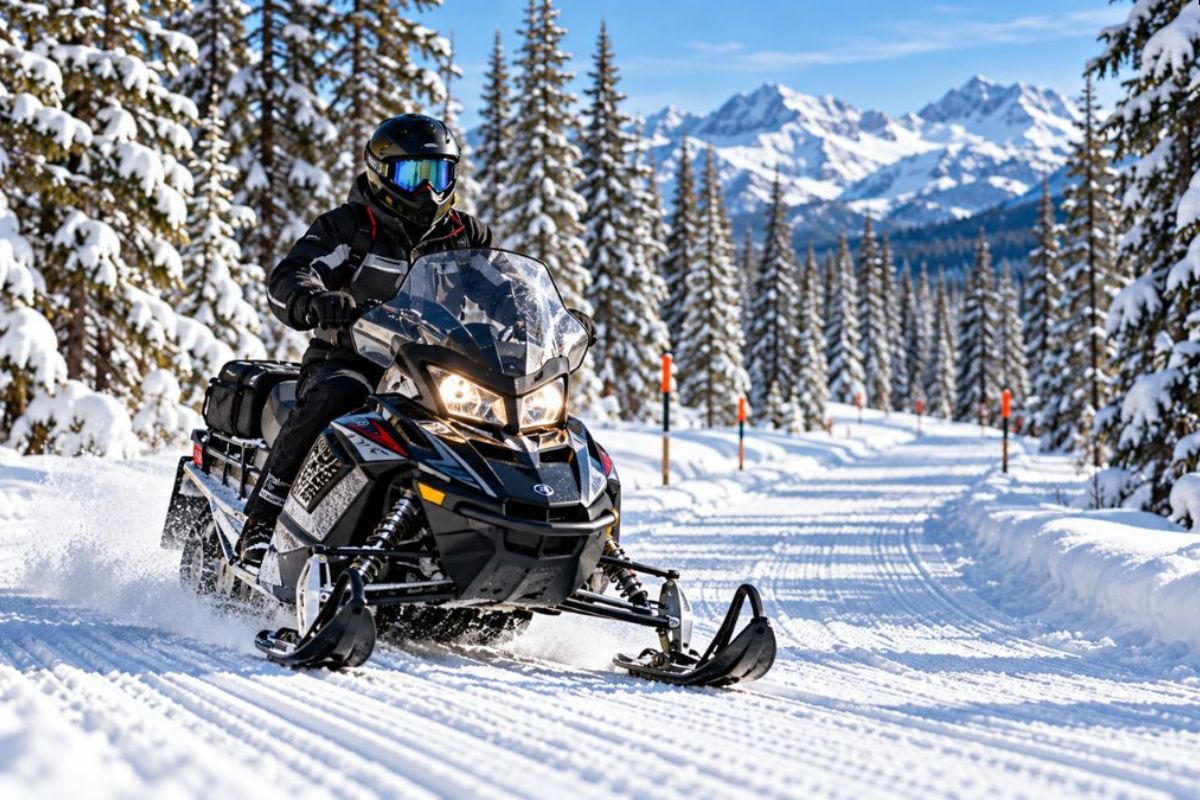
Snowmobile Safety Tips for Winter Riding
Snowmobiling can be one of the most exciting ways
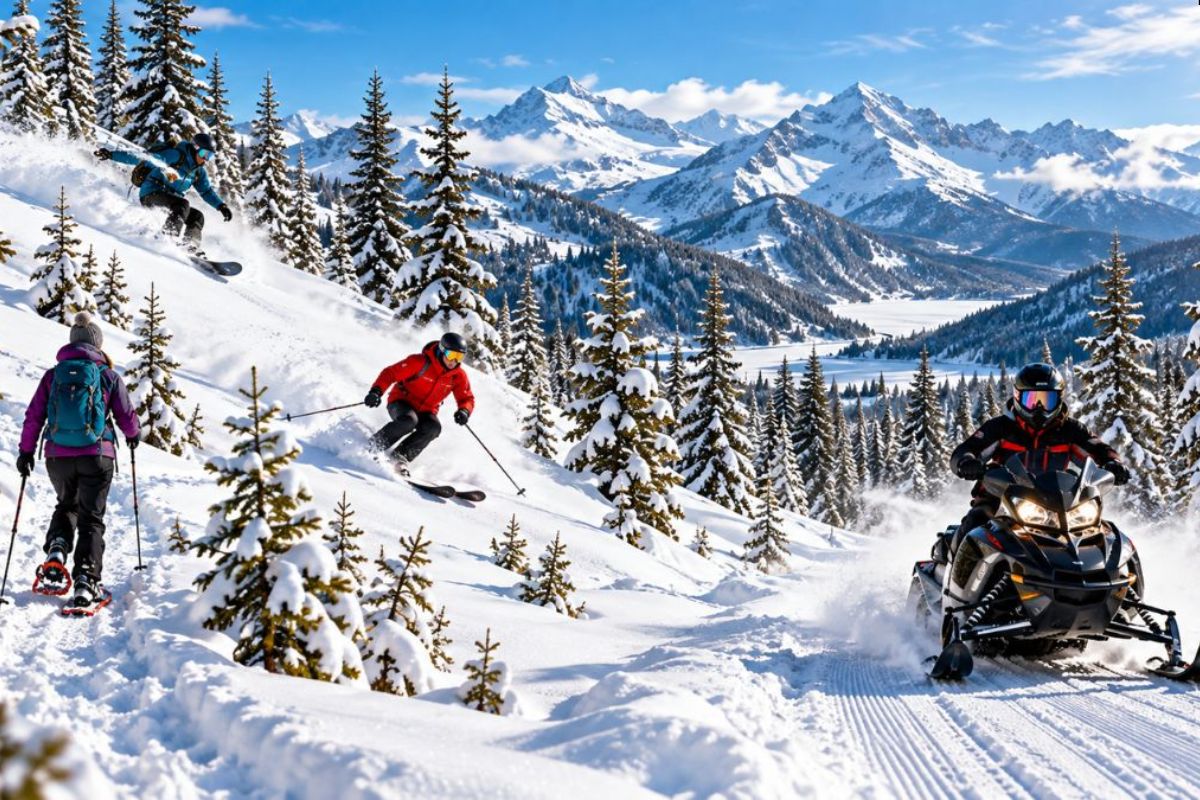
Popular Winter Sports for Outdoor Adventure
Winter opens the door to outdoor activities that are

Best Places for Water Sports in the United States
A great water sports trip can look very different
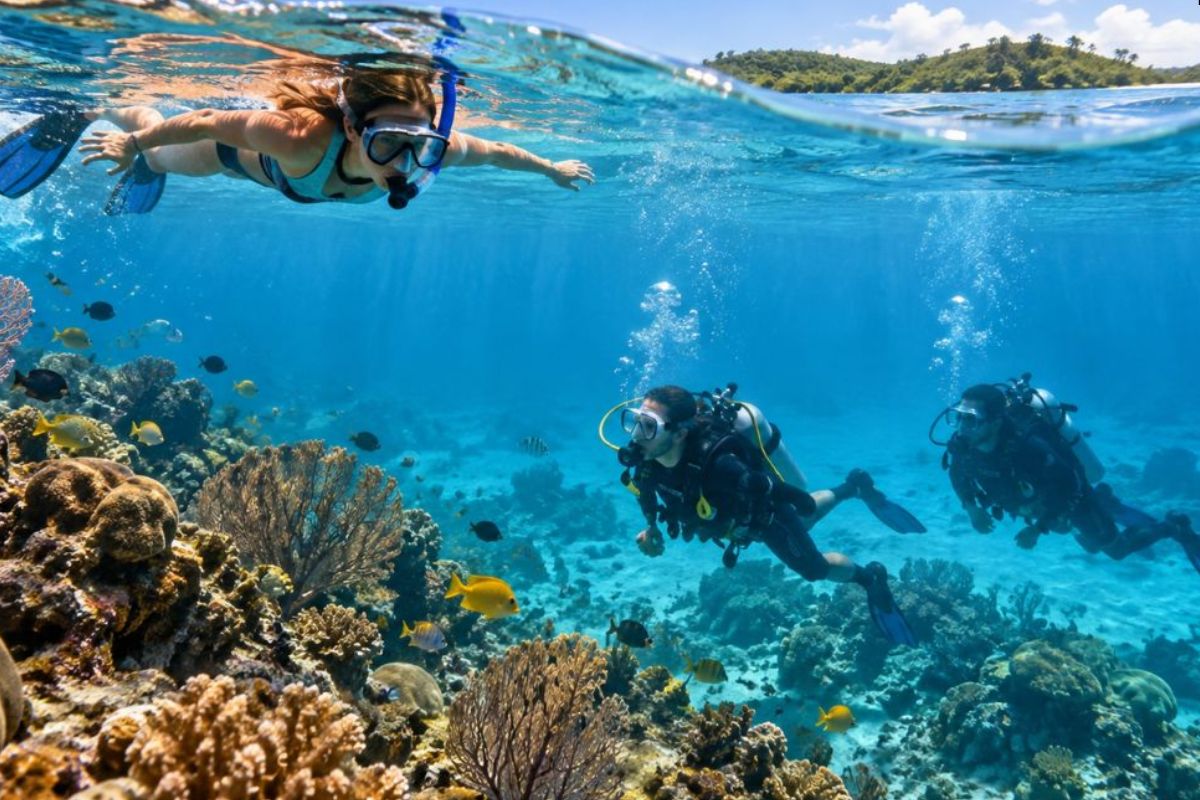
Scuba Diving Snorkeling and Freediving for Beginners
The world below the water can feel like a
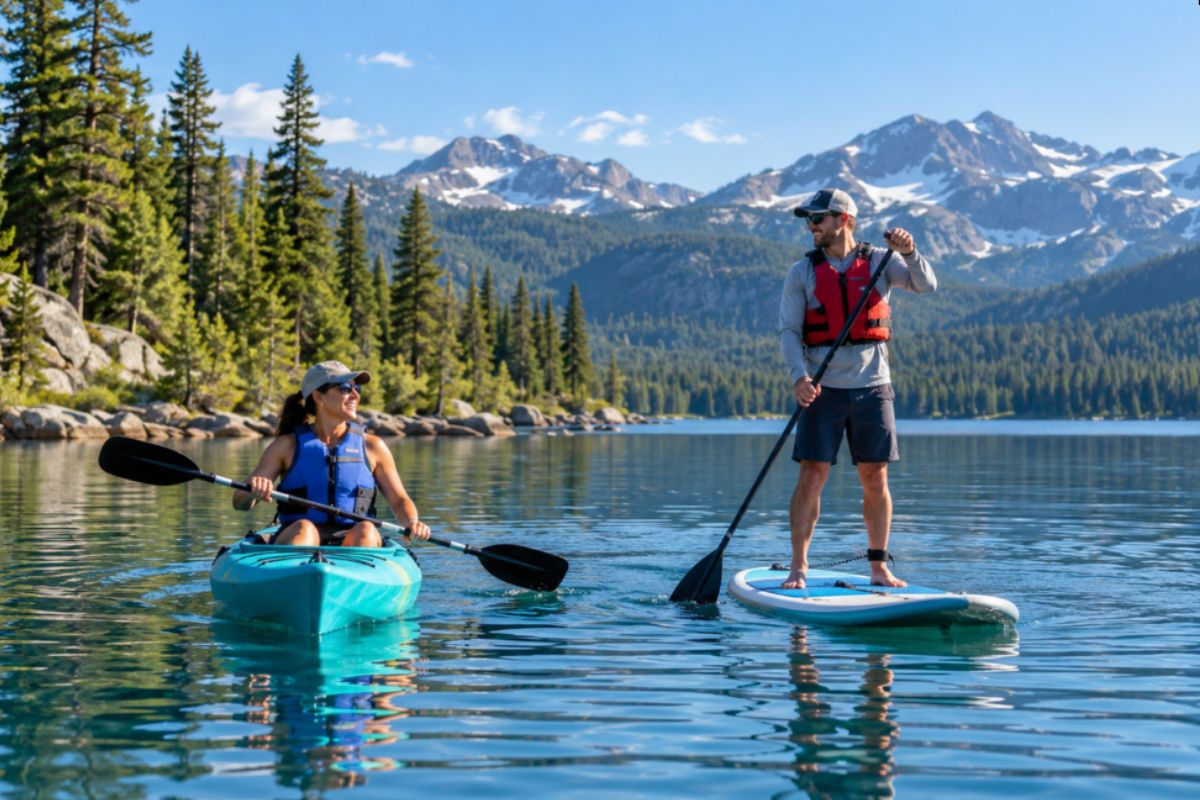
Kayaking vs Paddleboarding for Beginners
Kayaking and paddleboarding are two simple ways to explore
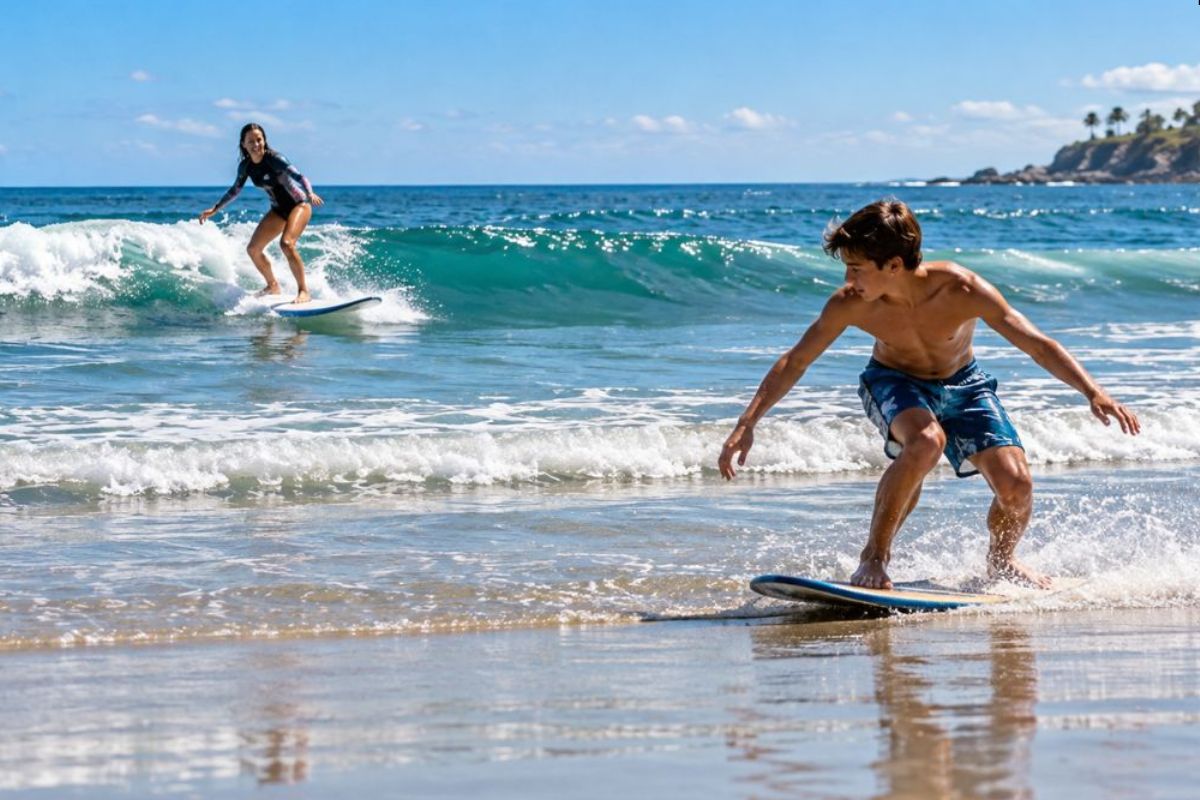
Surfing vs Skimboarding for Beginners
Surfing and skimboarding both use a board and ocean