How to Pack Light for Camping
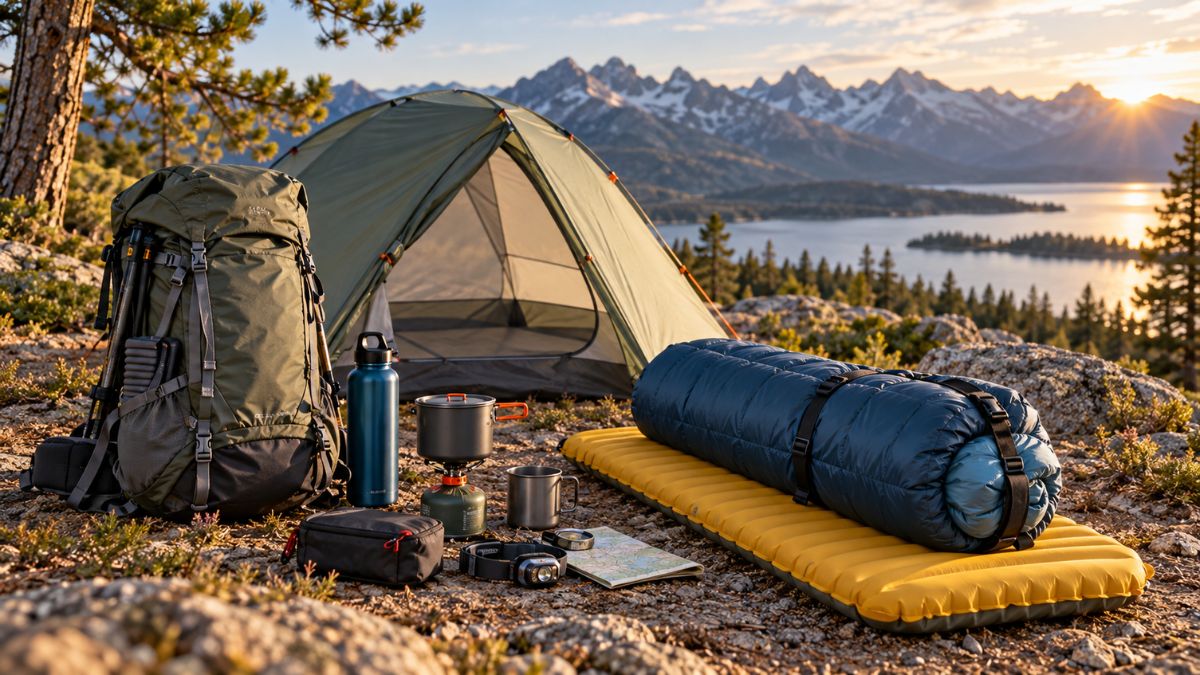
A lighter setup can make travel, camp setup, and cleanup much easier. You can find things faster, fit everything into the car more easily, and spend less time moving piles of gear around. The key is thinking about the weather, number of nights, type of campsite, and activities before deciding what belongs in your bag.
Start With the Camping Essentials
Begin with shelter, sleep, water, food, clothing, light, and safety. Your tent, sleeping bag, sleeping pad, water plan, basic food, weather-ready clothing, first aid supplies, and flashlight should come before comfort items. Once the important needs are covered, you can decide whether there is room for extra items that would simply make the trip nicer.
Avoid bringing several things that do the same job. One good lantern may be enough instead of packing several large lights, and one cooking pot may work for several meals instead of bringing a full kitchen set. Look at each item and ask whether you will truly use it, need it for safety, or already have another item that can do the same job.
Pack Clothing and Food With a Plan
Clothing can fill a camping bag quickly. Pack layers that can work together and be worn more than once instead of bringing a full new outfit for every day. Clean socks and underwear are important, but extra shoes, heavy coats, and clothing that only works for one situation may not be needed on a short trip.
Food is another area where campers often bring too much. Plan each meal before leaving home and pack enough for those meals plus a small amount of extra food in case plans change. Keep food sealed and stored safely, and avoid bringing heavy drinks when you already have a good plan for drinking water.
Make Your Camping Pack Easy to Use
Pack items based on when you will need them. Rain gear, water, a flashlight, and first aid items should be easy to reach, while things used only at bedtime can stay deeper in the bag. This keeps you from pulling everything out just because you need one small item during the day.
Do a practice pack before leaving home. Put everything together, carry it around, and remove items that feel heavy or do not have a clear purpose. Even when you are driving to camp, packing lighter helps because a clean campsite is much easier to manage than a vehicle full of bags and equipment you never use.
Your packing list should match the trip you are actually taking. One night at a developed campground does not require the same supplies as several days of backpacking or dispersed camping far from town. Check the location, weather, water access, and services before deciding what is truly needed.
Most campers get better at packing light after a few trips. Pay attention to what stayed in the bag the whole time and what you wished you had brought, then change your list for the next trip. When every item has a reason for being there, setup becomes faster and you can spend more time enjoying the outdoors.
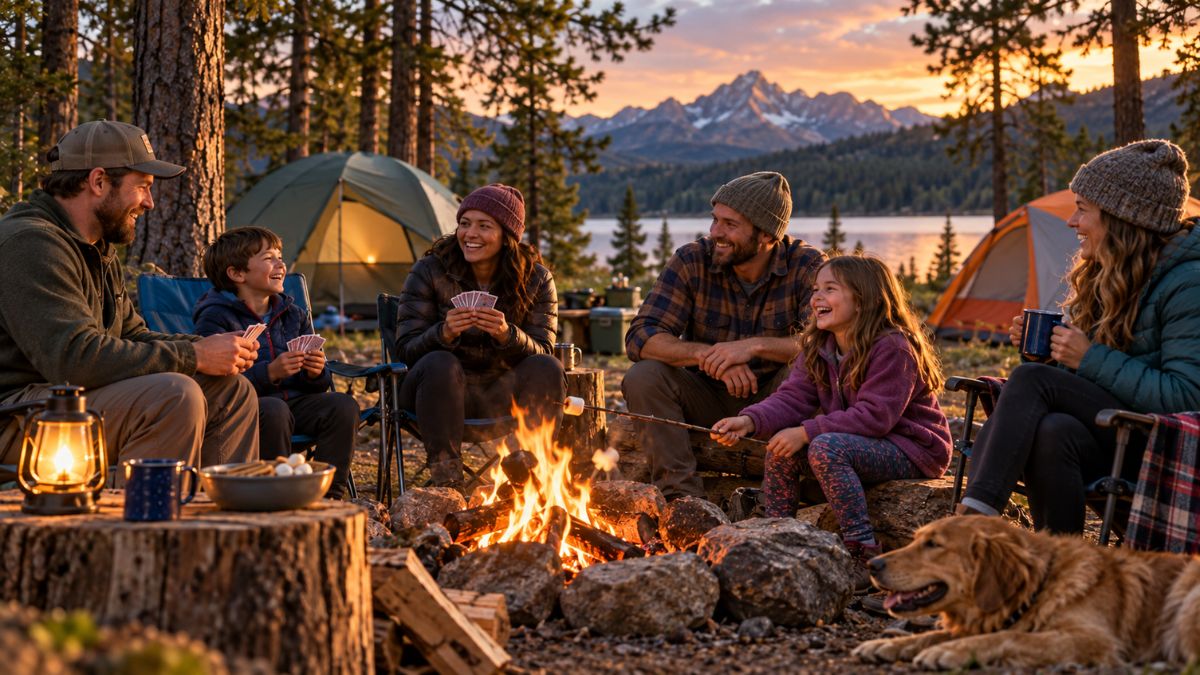
Fun Camping Activities for Families and Friends
A camping trip is about much more than sleeping
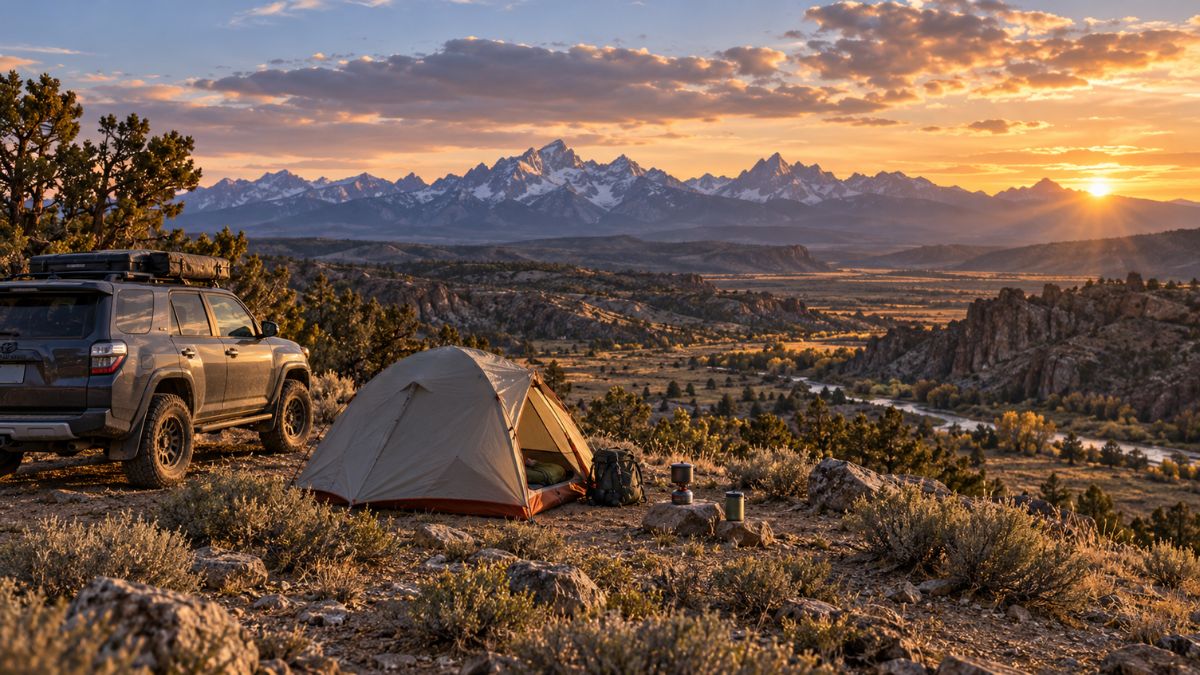
Best States for Dispersed Camping
Dispersed camping means camping outside a developed campground. You
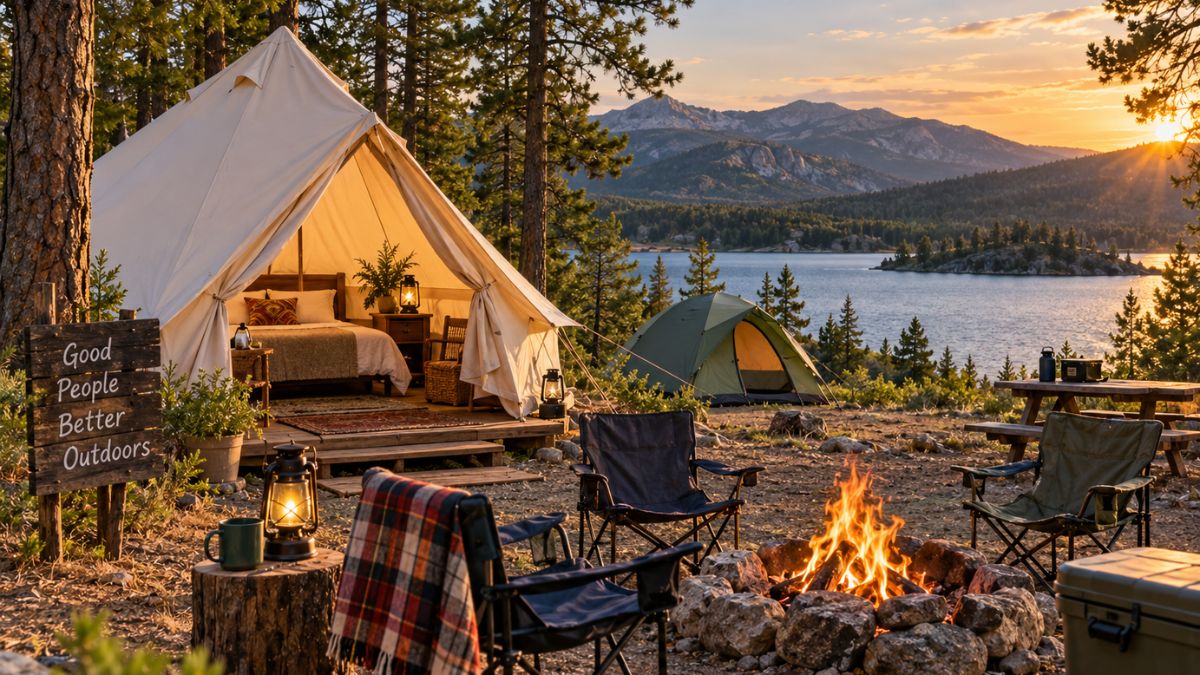
Glamping vs Camping vs Dispersed Camping
Camping can mean very different things to different people.
Great Lakes Fishing for Every Season
The Great Lakes are some of the best places to
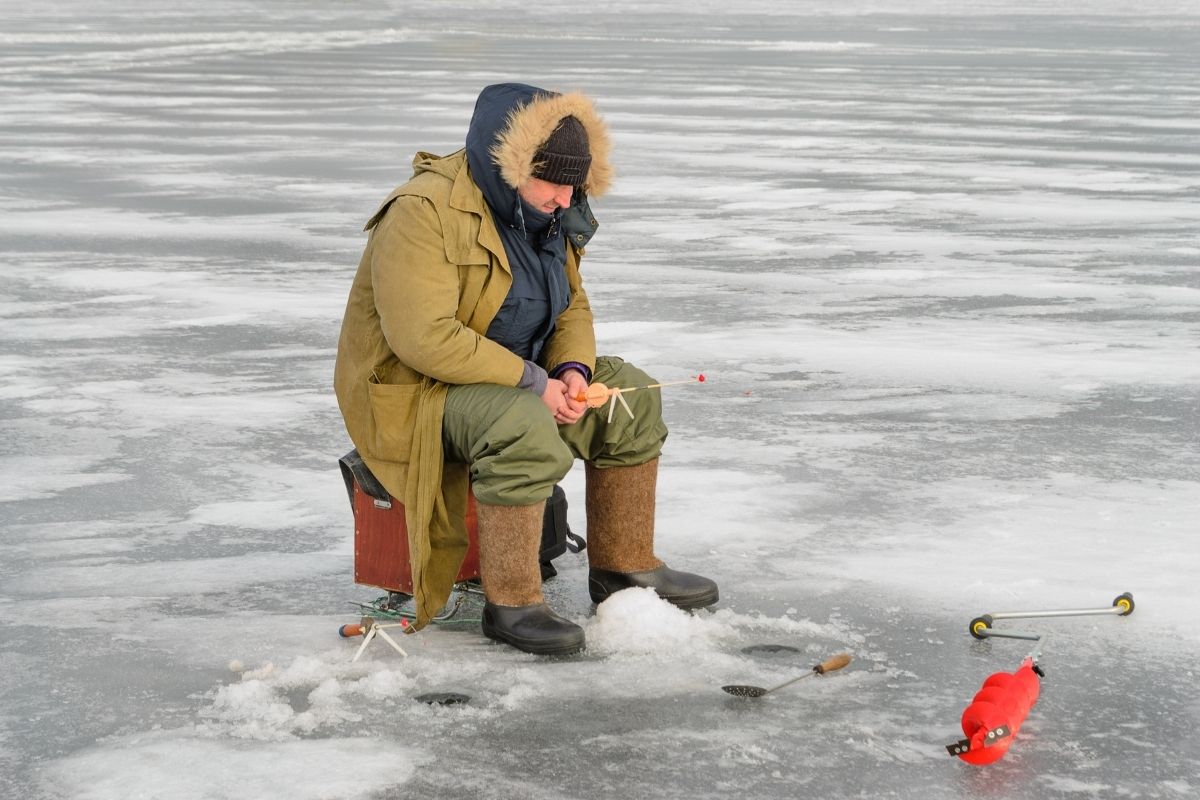
How to Ice Fish for Beginners: A Simple Guide to Getting Started
Ice fishing can look strange the first time you
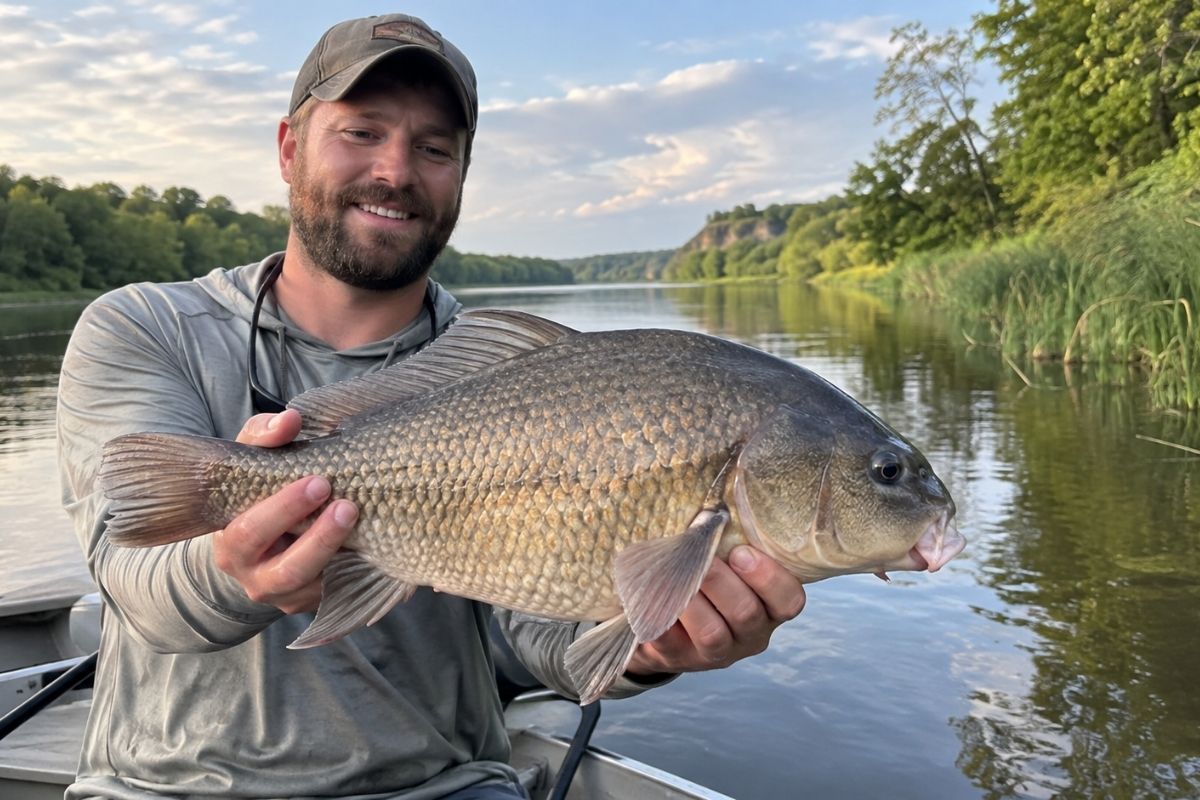
Rough Fish in Minnesota and the Upper Midwest
When many people think about fishing in Minnesota and