How to Practice Duck and Turkey Calls
You do not need to learn every sound at once. Begin with one basic sound, listen closely, and repeat it until you can make it the same way again and again. Short practice sessions several times a week can be more useful than waiting until the day before hunting season.
Start With Basic Duck Sounds
For duck calling, the basic mallard quack is a good place to begin. Once one clear quack feels easy, a beginner can practice putting several notes together in a smooth greeting call. A common greeting sequence starts stronger and then becomes a little softer as the notes continue.
Listening to real ducks is one of the best ways to learn. Visit a pond, refuge, or park and pay attention to the speed, pitch, and pauses in their sounds. Ducks do not sound exactly the same every time, so the goal is to copy a natural rhythm instead of trying to make every note perfect.
Learn Simple Turkey Calls
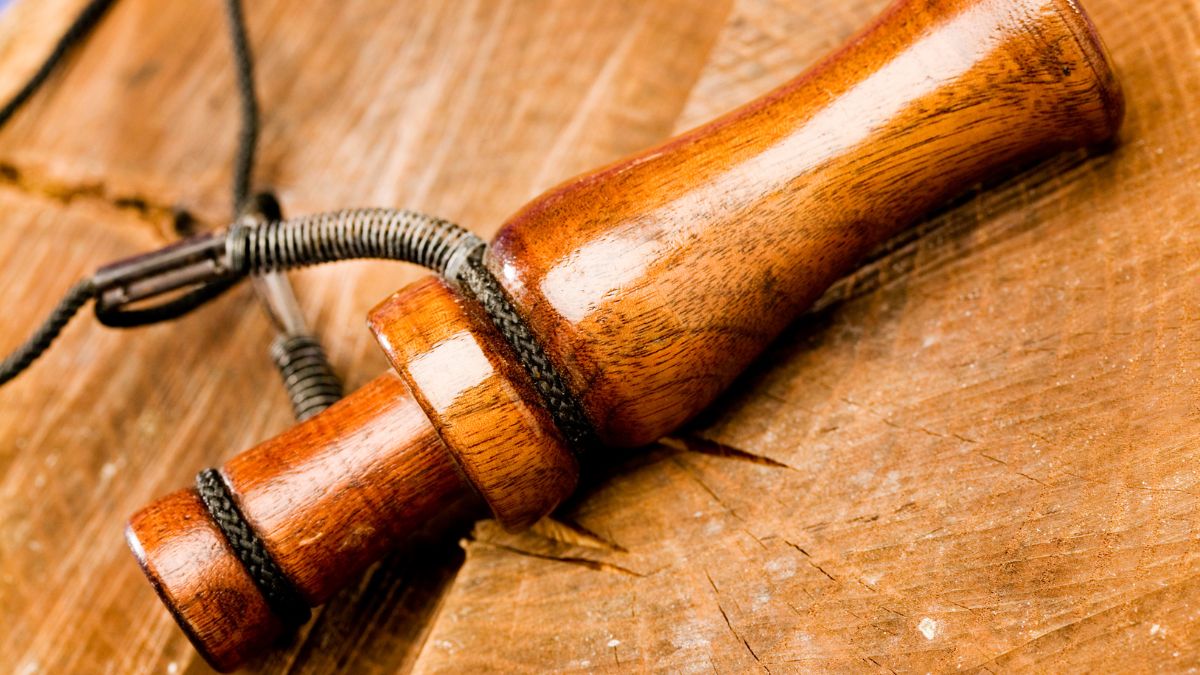
Turkey hunters often begin by learning the yelp and cluck. A yelp is made from two parts that flow together, while a cluck is a shorter and sharper sound. Different kinds of calls work in different ways, so beginners should learn one call well before trying to master several styles at once.
Turkey sounds can be easier to understand when you hear real birds. Listen to recordings or live turkeys and notice how they change speed and tone. Practice should sound calm and natural instead of like a contest to see who can make the loudest or fastest call.
Practice With a Simple Routine
Set aside ten or fifteen minutes and work on one sound at a time. Make the sound, stop, listen to yourself, and try again rather than blowing the call without a break. Once the sound becomes easy, practice changing the volume and rhythm while still keeping it clean.
It can help to record yourself on a phone and compare the sound with recordings of real birds. Practice outside sometimes too, because calls can sound different in an open field or woods than they do inside a room. Stay patient because building control and rhythm can take many practice sessions.
A good caller also learns when not to call. Wildlife does not make the same sound nonstop, and too much noise can sound less natural than a few simple notes. Listening and watching are just as important as knowing how to use the call.
Calling should be one part of learning about the animal. Study habitat, tracks, feeding areas, and normal behavior along with sounds. The more you understand real ducks and turkeys, the easier it becomes to make your calling sound like something that belongs outdoors.



Best Amazon Cyber Monday Outdoor Deals
Cyber Monday is here, and it’s the perfect time for

Ice Fishing Fish Finder Guide
A clear, practical look at fish-finder styles, transducers, mounting and

How to Choose the Perfect Ice Fishing Rod
Ice fishing is all about balance—between sensitivity, strength, and comfort.

The Ultimate Guide to Ice Fishing Apparel: Layering for Warmth, Comfort & Safety
When it comes to ice fishing, the difference between an

Ice Fishing Lures 101: How to Choose the Best Bait for Every Condition
When winter locks lakes and ponds beneath a thick sheet

Best Ice Fishing Shelters: What to Know Before You Buy
Everything you should think about before buying an ice-fishing shelter