How to Stay Safe Around Wildlife
Bears and Mountain Lions
Give bears a lot of space and never walk toward one for a picture. If a bear notices you, stay calm and follow the local guidance for the type of bear and park you are visiting. Bear advice can change by species and location, so check with the land manager before entering bear country.
If you see a mountain lion, do not run. Face the animal, stand upright, make yourself look larger, and slowly create more distance while giving the lion a way to leave. Pick up small children, and if a mountain lion attacks, fight back instead of pretending to be dead.
Snakes and Snake Bites
Watch where you place your hands and feet when walking through rocks, brush, logs, or tall grass. If you see a snake, give it space and let it move away. Never try to catch, touch, move, or kill a snake just to identify it.
A venomous snake bite is a medical emergency. Get away from the snake, stay calm, call for medical help, and remove rings or other tight items before swelling begins. Do not cut the bite, suck out venom, apply ice, or use a tourniquet.
Wolves and General Wildlife Safety
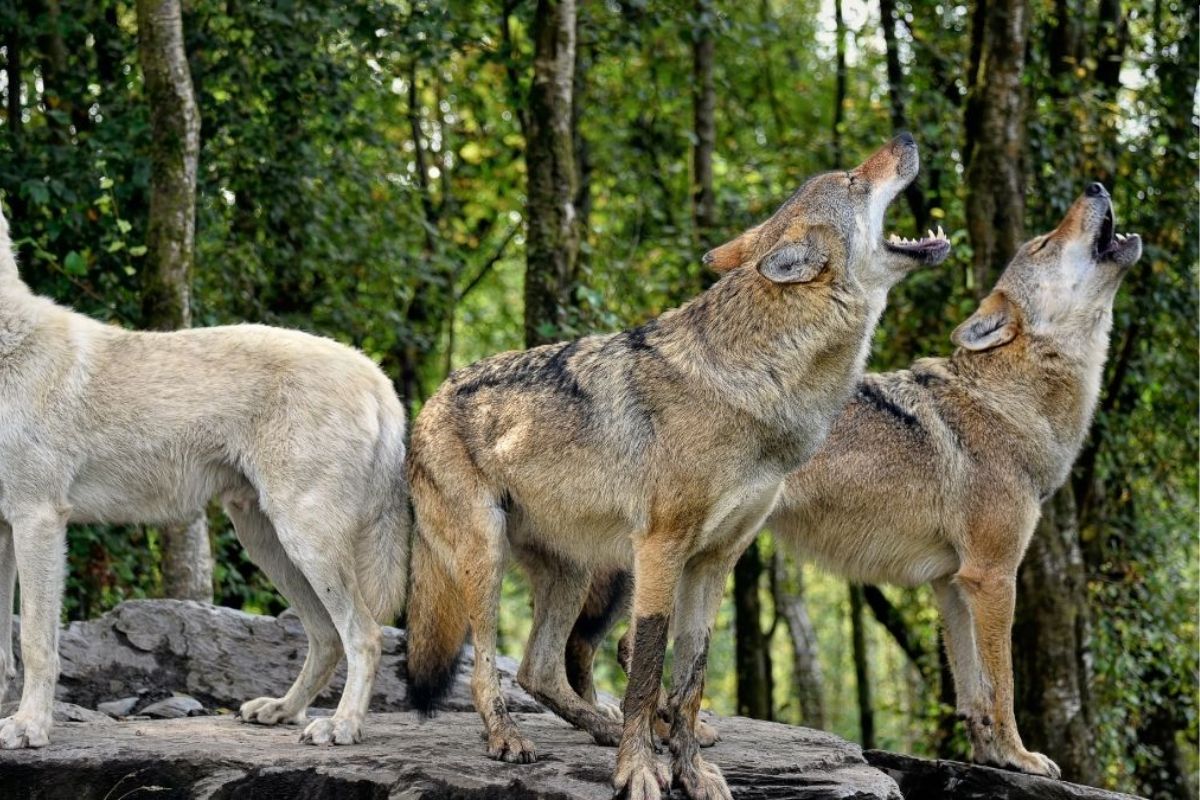
Wolves usually avoid people, but they should always be treated as wild animals. Never approach or feed a wolf, and if one comes toward you, do not run. Stand tall, make noise, wave your arms, and slowly create distance while facing the animal. Keep food and trash stored safely, keep pets under control, and never move closer to wildlife just to get a better photo.
Give all wildlife plenty of space, especially adults with young nearby. If you find a baby animal alone, leave it where it is unless a wildlife professional tells you otherwise. Check signs, park websites, visitor centers, or ranger advice because wildlife rules and recommendations can vary by location. Wildlife safety comes down to respect: stay calm, keep your distance, avoid attracting animals with food, and allow them to continue their normal behavior.



Meet the Pros: A Day in the Life of a Fishing Guide
For most of us, fishing is a relaxing escape—a chance

Top 10 Must-Have Fishing Gadgets for Every Angler
Fishing has come a long way from just a rod,
Trophy Hunting: Secrets to Catching Giant Muskie Fish
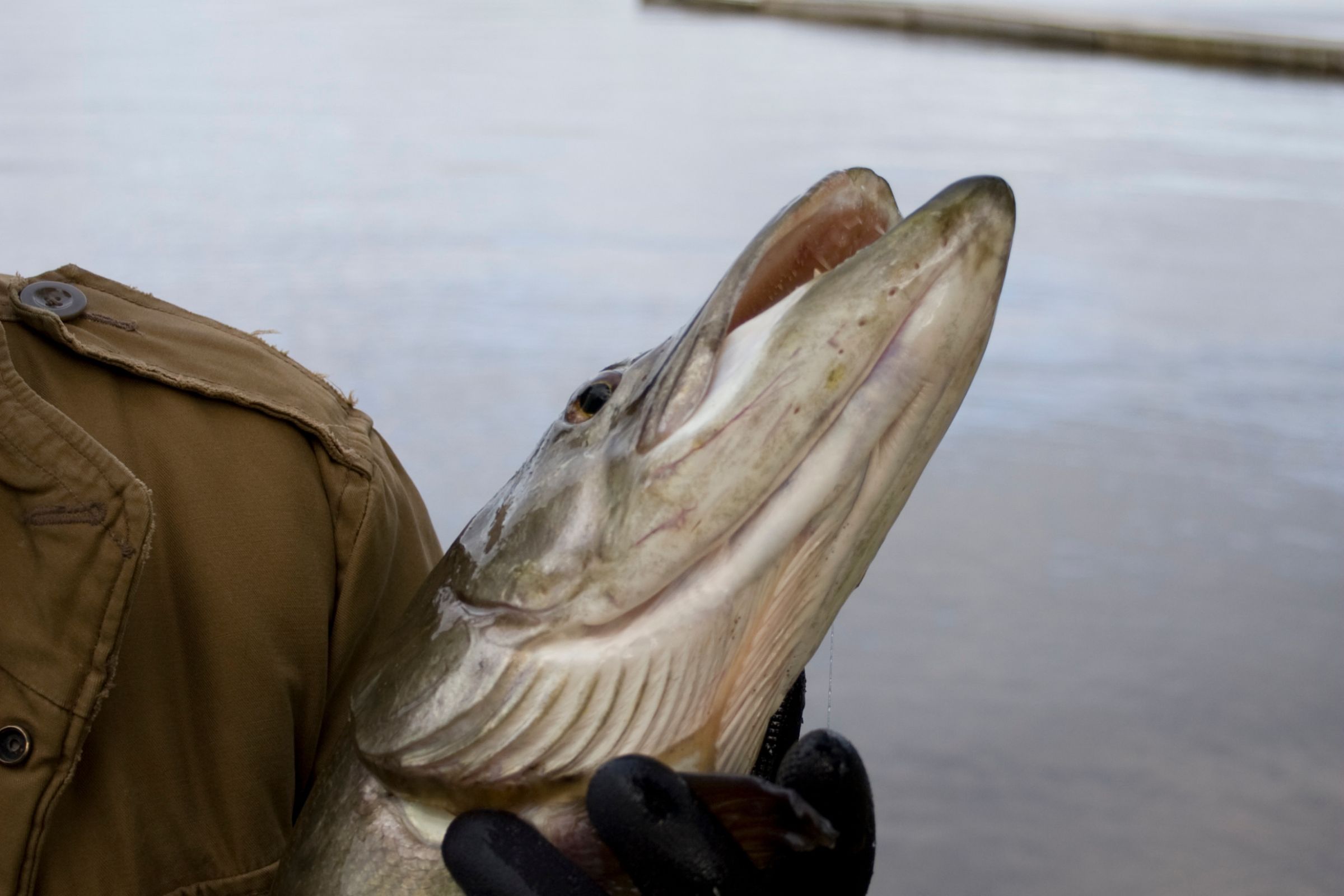
For muskie fishing enthusiasts, targeting the elusive giant muskellunge, also

Pan Fishing for Family Fun: The Perfect Weekend Activity
Fishing is one of the best ways to bring families
Fishing in All Seasons: A Month-by-Month Guide to Planning Your Trips
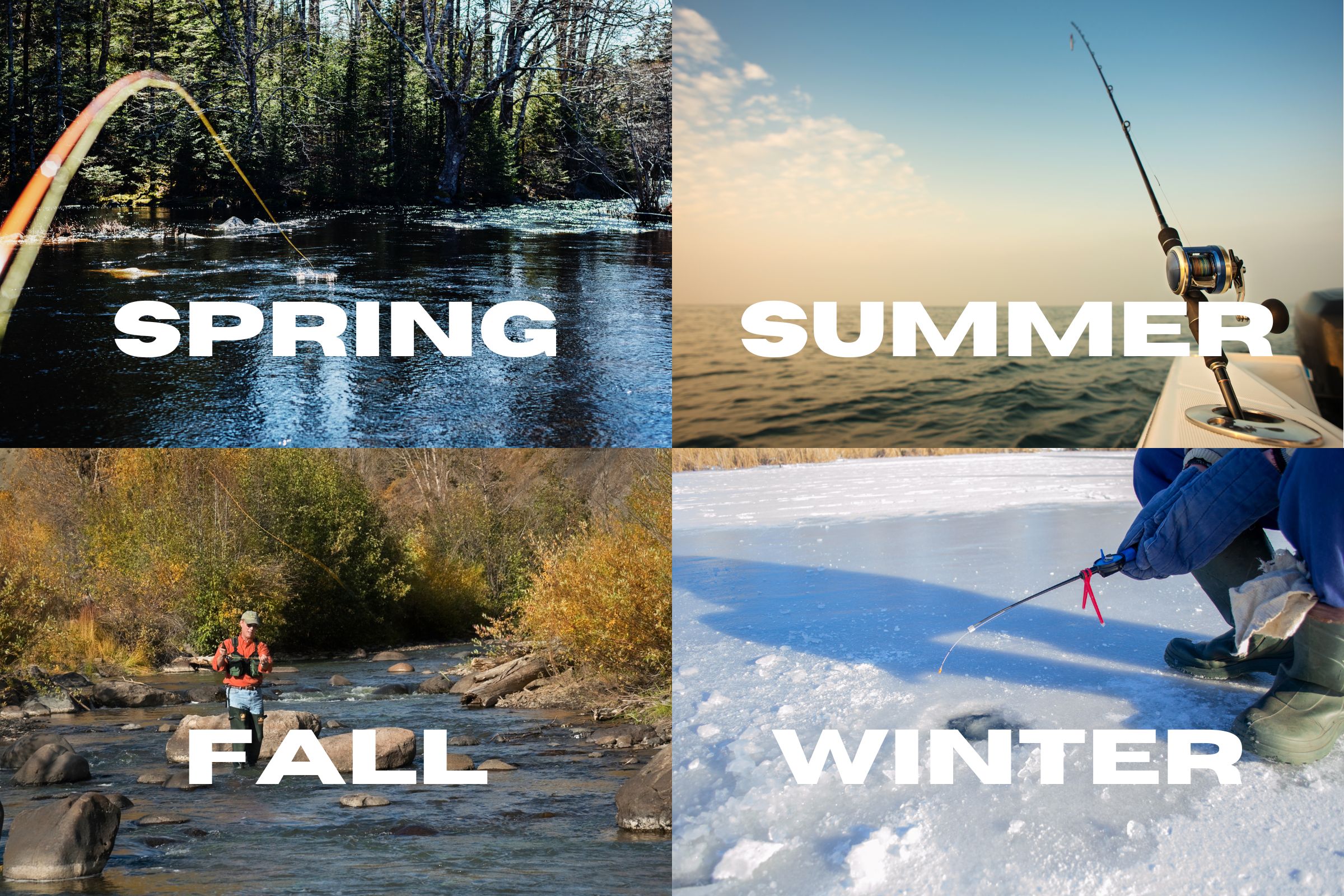
For avid anglers, fishing isn't just a hobby, it's a
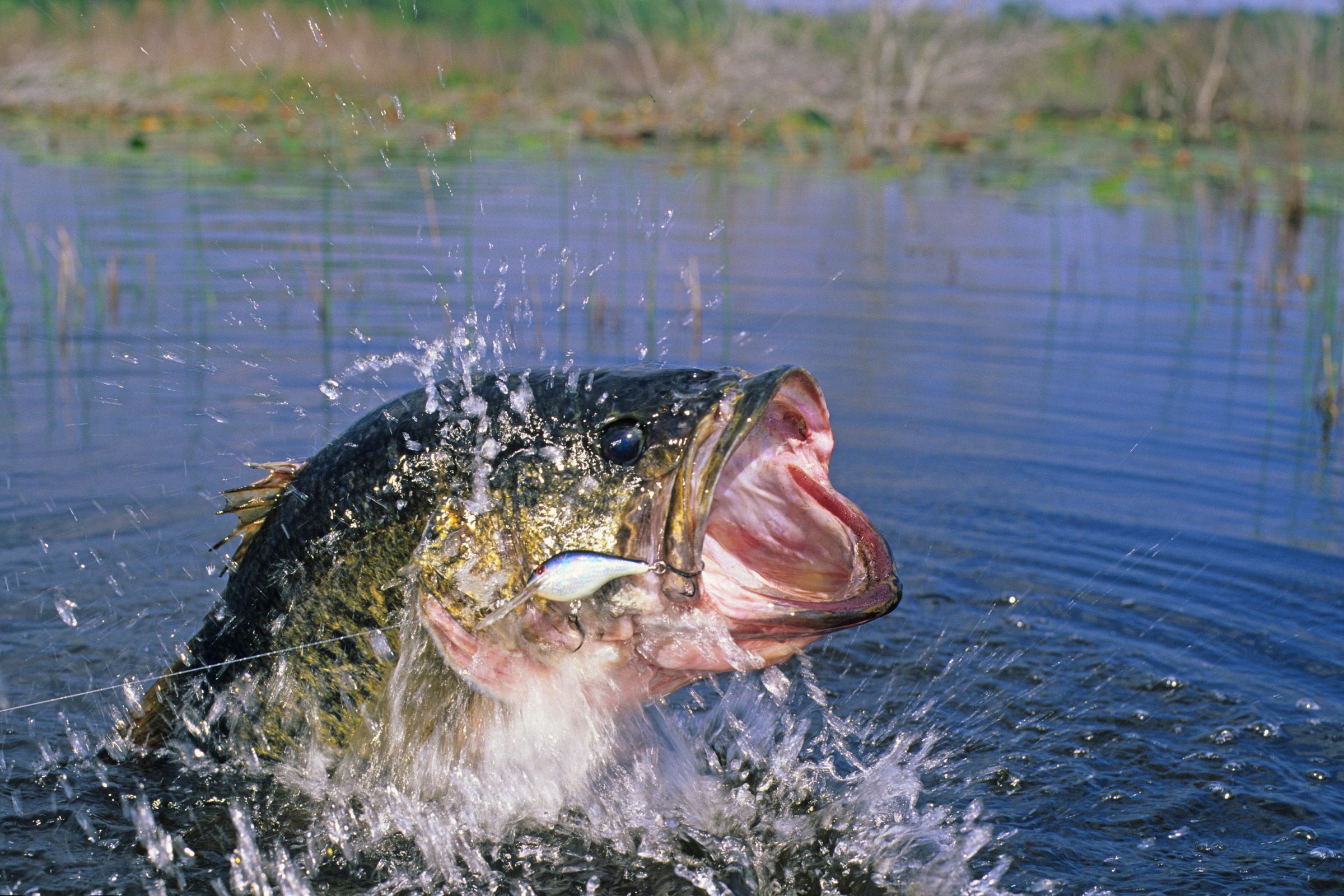
Casting vs. Trolling: Which Technique is Best for Bass Fishing?
Bass fishing is not only one of the most popular
SHARE THIS STORY ANYWHERE YOU LIKE
SHARE THIS STORY ANYWHERE
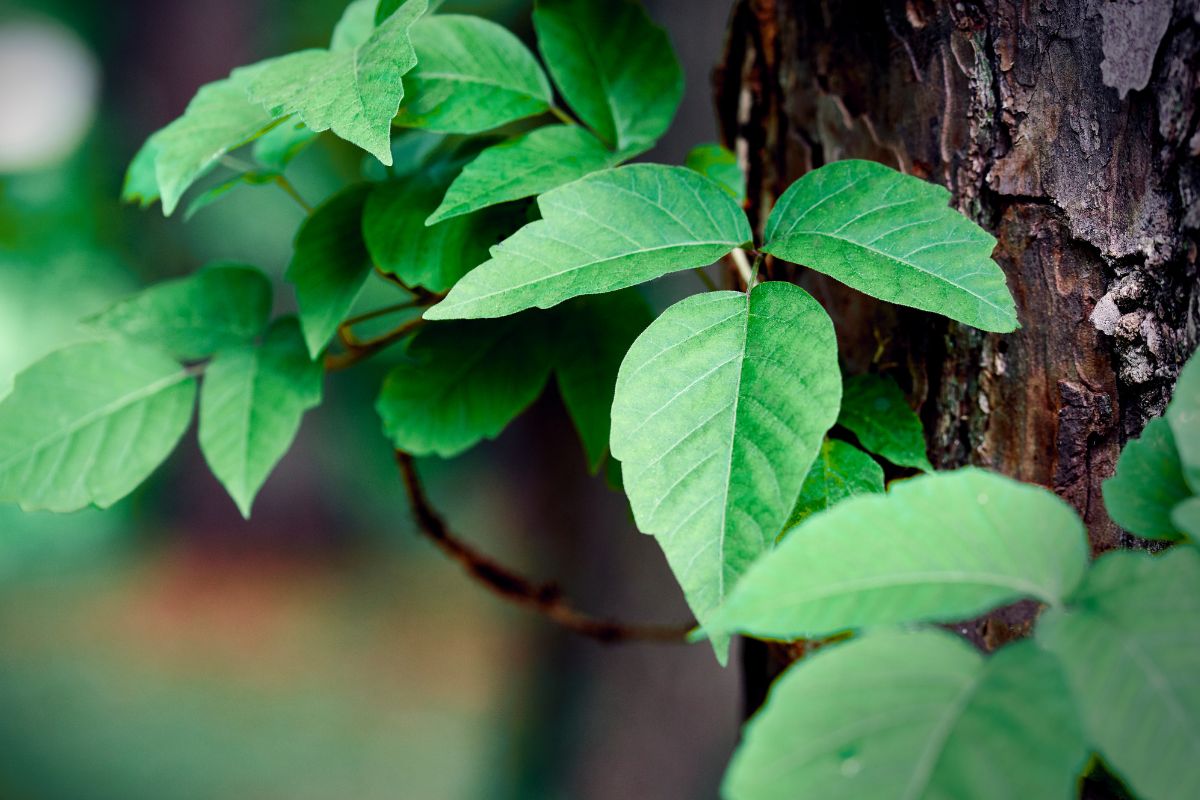
Don’t Touch These Plants! A Guide to Poisonous Plants and Outdoor Safety
The great outdoors offers incredible opportunities for recreation and relaxation. However, it's important to be aware of potential hazards, including poisonous plants. Here we will highlight several plants that can cause unpleasant or even deadly