Hunting Safety Essentials: Tips for a Successful and Secure Trip
Hunting is a rewarding outdoor activity, but it comes with risks that require careful planning and preparation. Whether you’re deer hunting, bird hunting, or tackling big game like elk or grizzly bears, safety should always be a top priority. Here’s a guide to help you stay safe and make your hunting trip a success.
Weapon Safety
Proper handling of firearms and bows is critical to prevent accidents. Always:
- Keep Firearms Unloaded: Until you’re ready to shoot, keep your gun unloaded and the safety engaged.
- Point in a Safe Direction: Never point your weapon at anything you don’t intend to shoot.
- Know Your Target: Identify your target and what’s beyond it. This is particularly important in dense woods where other hunters may be present.
- Store Safely: Use a secure case or lockbox for transporting firearms and bows to and from hunting areas.
Wildlife Encounters
Hunting often puts you in close proximity to potentially dangerous wildlife. Follow these tips:
- Bear Hunting Precautions: Carry bear spray and know how to use it. Avoid surprising bears by making noise while moving through thick brush.
- Snake Safety: Watch for rattlesnakes and other venomous species. Wear snake-proof boots if hunting in areas known for snakes.
- Keep a Safe Distance: Avoid approaching wounded animals until you’re certain they are no longer a threat.
Emergency Preparedness
Be ready for unexpected situations with the following steps:
- First Aid Kit: Always carry a fully stocked first aid kit, including supplies for treating cuts, burns, and insect bites.
- Communication Devices: Bring a fully charged phone, GPS, or radio to stay connected, especially in remote areas.
- Navigation Tools: Carry a map and compass in case GPS devices fail. Familiarize yourself with the area before heading out.
- Weather-Appropriate Gear: Pack for sudden weather changes. Waterproof clothing, camo styles suited to the environment, and insulated layers are essential for staying safe and comfortable.
Additional Tips
- Hunt with a Partner: Having a buddy increases safety and makes the experience more enjoyable.
- Inform Others: Let someone know your hunting location and expected return time.
- Stay Hydrated: Dehydration can lead to poor judgment and fatigue, so carry plenty of water.
By prioritizing weapon safety, preparing for wildlife encounters, and being ready for emergencies, you can ensure a secure and enjoyable hunting trip. Responsible preparation not only protects you but also preserves the integrity of the hunting tradition for future generations.


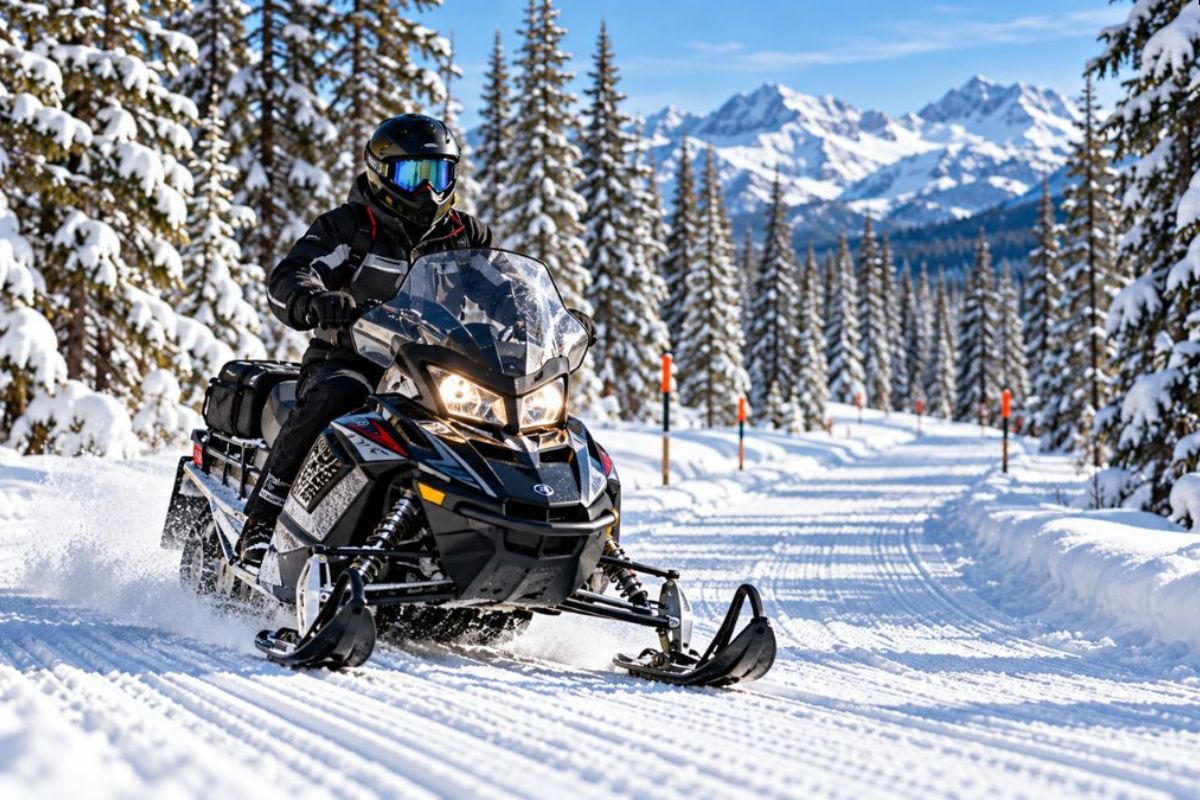
Snowmobile Safety Tips for Winter Riding
Snowmobiling can be one of the most exciting ways

Popular Winter Sports for Outdoor Adventure
Winter opens the door to outdoor activities that are

Best Places for Water Sports in the United States
A great water sports trip can look very different

Scuba Diving Snorkeling and Freediving for Beginners
The world below the water can feel like a
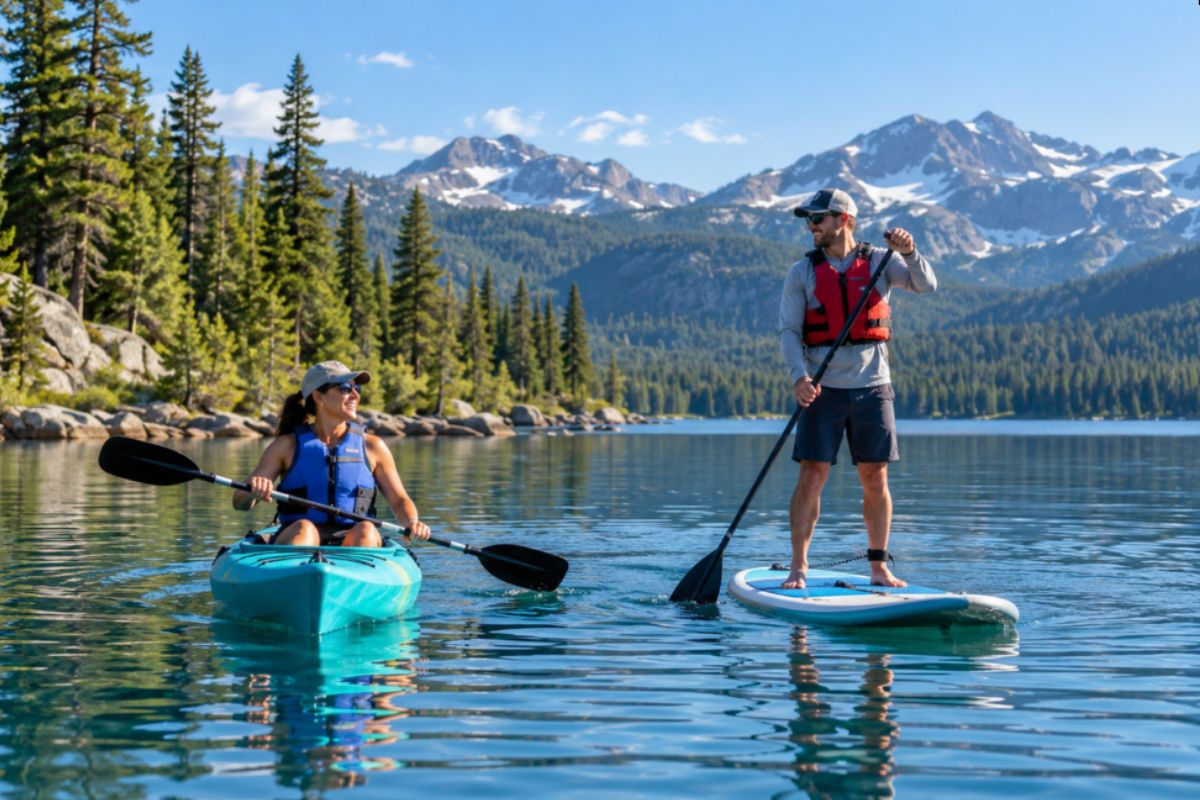
Kayaking vs Paddleboarding for Beginners
Kayaking and paddleboarding are two simple ways to explore

Surfing vs Skimboarding for Beginners
Surfing and skimboarding both use a board and ocean