
Ice Fishing Fish Finder Guide

A clear, practical look at fish-finder styles, transducers, mounting and power options, how to interpret returns, and what to prioritize when buying for ice fishing.
What is a fish finder (and why use one on the ice?)
A fish finder uses sonar to map water depth, structure, and targets under the ice, helping you find fish faster and choose the right hole, depth, and presentation for the day.
Common fish-finder styles for ice anglers
Flasher-style units: Real-time, circular displays that show depth, bait and fish on a rotating dial — popular for jigging and quick depth reads.

Graph/sonar displays: Small color or monochrome screens that plot a scrolling sonar view (historical return), useful for identifying structure and individual targets.

Underwater cameras: These devices use a compact, waterproof camera connected to a viewing screen, giving anglers a live, real-world look beneath the ice.

Transducer types & mounting options
Transducers are the heart of the system. For ice use you’ll see options like through-ice transducers, ice-tong or clamp mounts, and portable puck-style models that sit in the hole or attach to a sled. Choose a transducer and mount that match how you’ll fish — mobile jigging from multiple holes vs. a single set-up.
Understanding sonar: frequency and detail
Higher sonar frequencies give more target detail at shorter ranges; lower frequencies reach farther but with less resolution. Many ice anglers prefer higher frequencies for clear, close-range returns around the hole, but hybrid systems (or selectable frequencies) offer the best of both worlds.
Power, battery life, and portability
Look for units that match your typical trip length and transport method. Portable displays and puck transducers run off small battery packs for day trips, while larger combo units may need bigger battery capacity. Consider weight, pack size, and how you’ll mount or stow the unit while moving between holes.
Reading returns: what you’ll see and how to interpret it
Arches vs. dots: Moving fish can show as arches or blobs depending on sonar and settings; experience and sensitivity settings help tell fish apart from debris or bait.
Bottom composition: Hard bottoms and structure create strong, crisp returns; soft or weedy bottoms return softer echoes — use this to find drop-offs and weedlines.
Depth and range windows: Keep your depth window tight for ice fishing to maximize detail near the hole rather than scanning wide, deep ranges meant for open-water fishing.
Key features to prioritize
- Durable, readable display with adjustable brightness for bright-sun reflections on the ice.
- Portable transducer options and easy mounting for sleds or tripods.
- Selectable frequency or CHIRP-like coverage if you want both range and detail.
- Battery-friendly operation and clear menu navigation while wearing gloves.
Tips for choosing the right unit
- Decide how mobile you’ll be — day-hopping anglers should prioritize packability and quick-mount transducers.
- If you jig in shallow water, prioritize high-frequency detail and a flasher mode; for variable-depth fishing, a combo with graphical sonar helps map structure.
- Check for accessories and mounting kits — having a sled-mount, tripod, or hole puck option adds flexibility.
Short buying checklist
- How will you transport the unit (sled, pack, vehicle)?
- Do you need flasher, graph, or both?
- Which transducer/mounting options are available for ice use?
- Will battery life support your typical trip length?
- Is the display readable in bright conditions and usable with gloves?


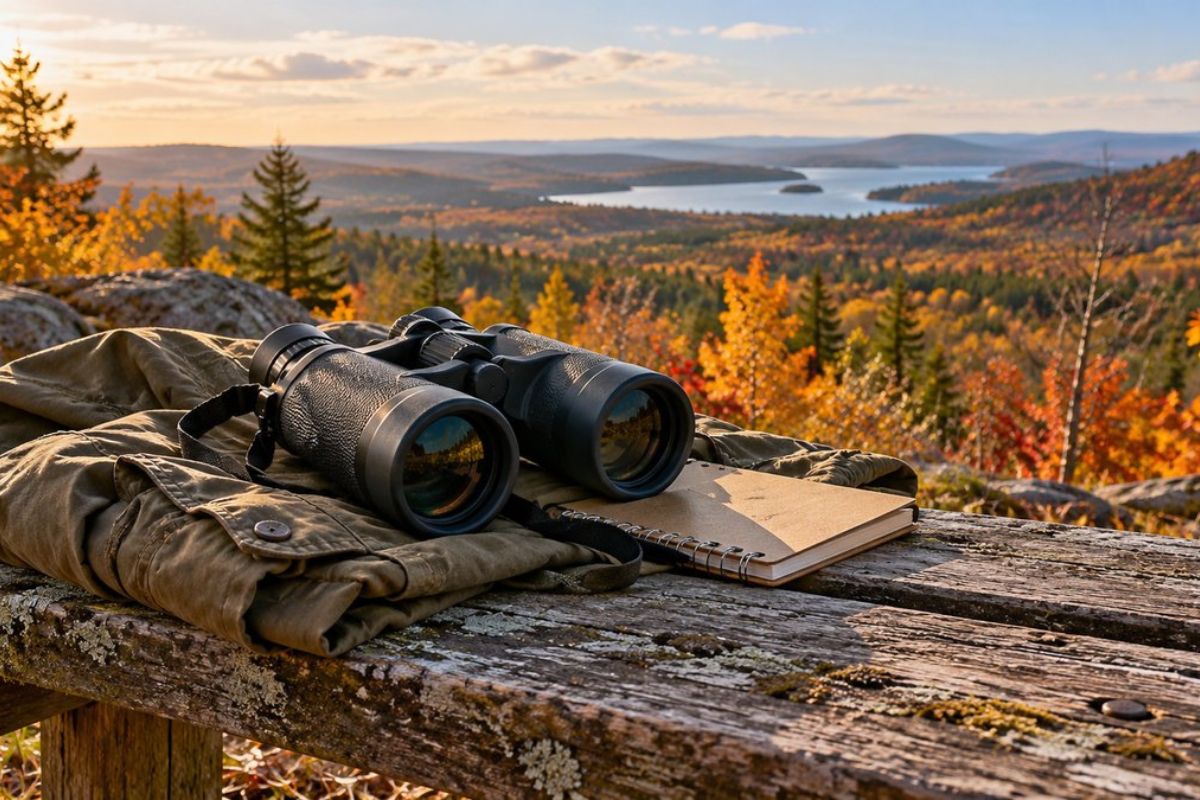
A Quieter Carry: Organize Your Hunting Binoculars and Field Notes
A zipper catches your glove. A loose buckle taps
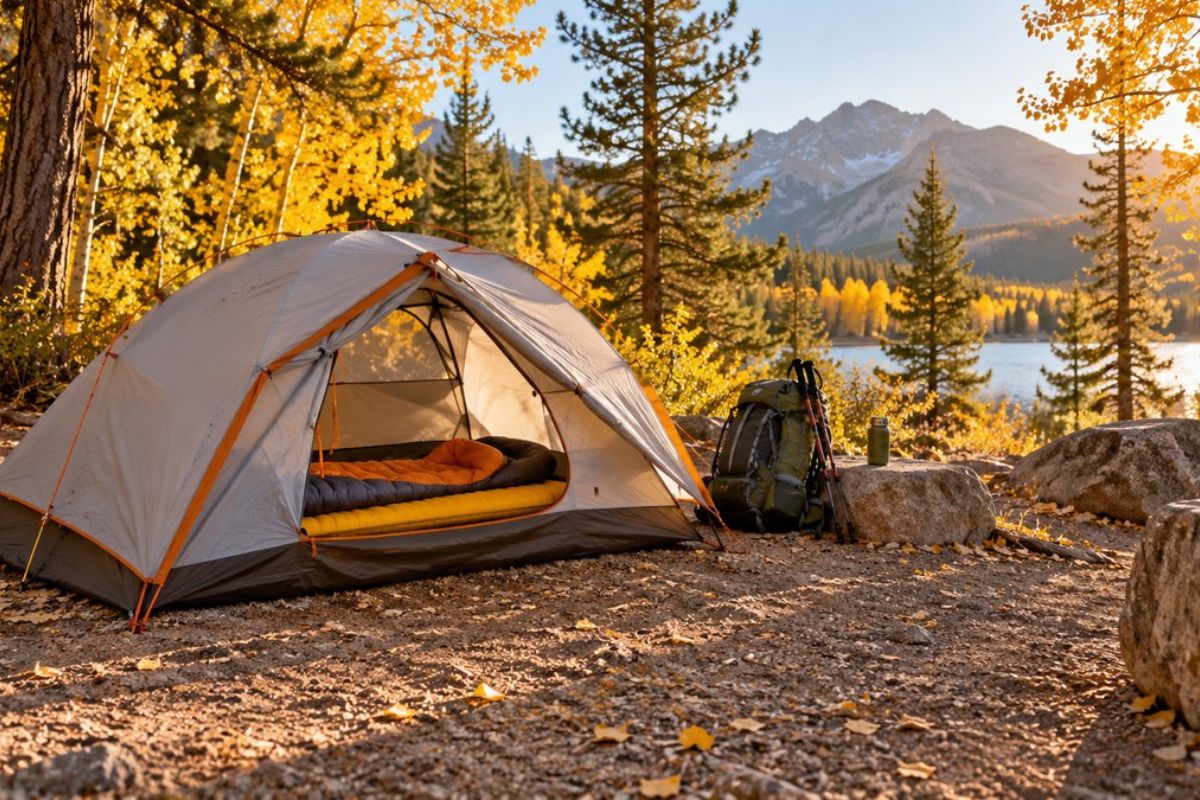
Cold at 3 A.M.? Rethink Your Fall Camping Sleep System
The evening was perfect. Dinner tasted better outdoors, the
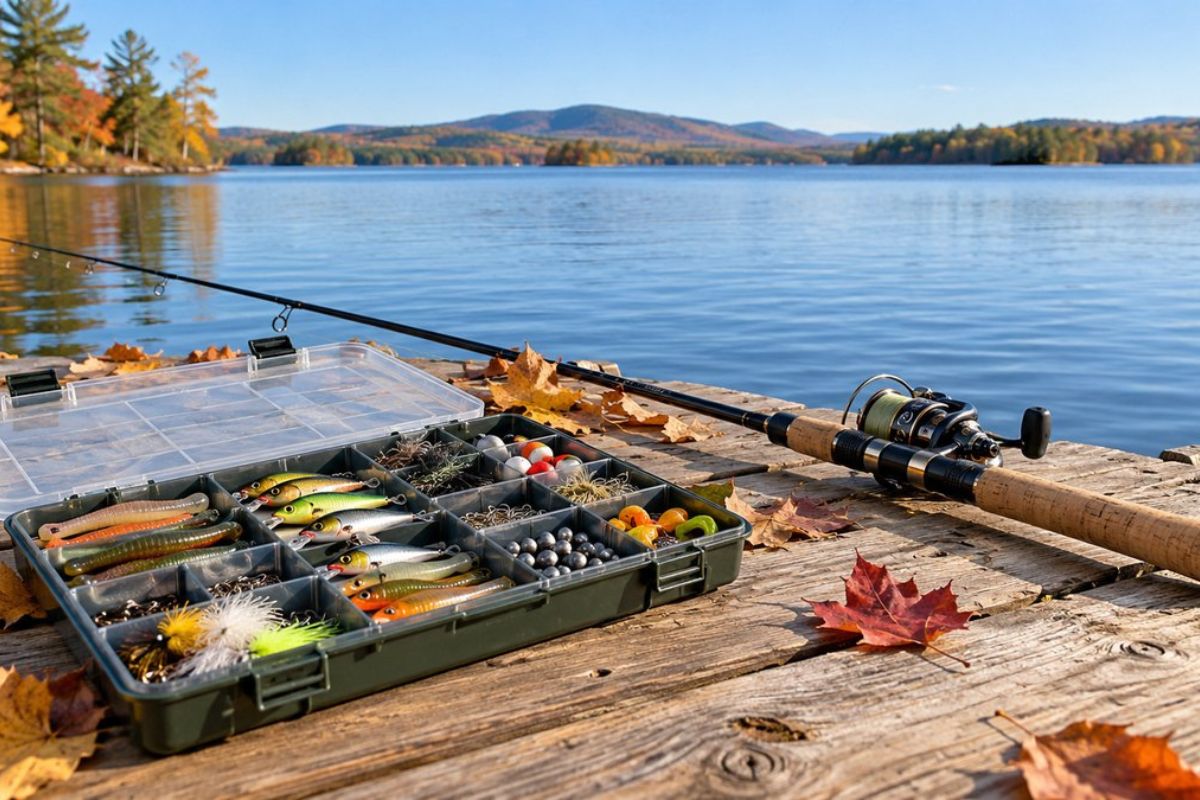
The Fall Tackle Box Reset: Pack for the Water in Front of You
Somewhere beneath the spare hooks and mystery soft plastics
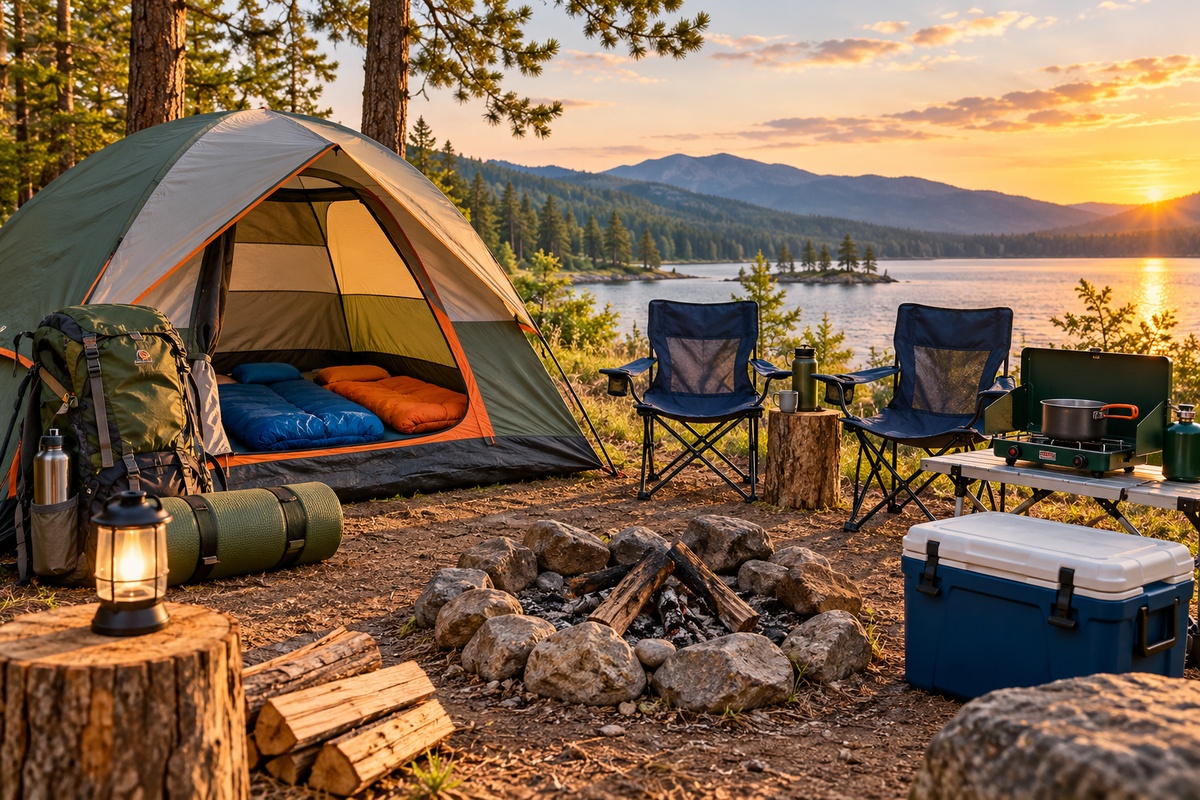
Camping Checklist: What You Really Need for Your Trip
Whether it's your first camping trip or you are a
Best Snorkeling Destinations during Winter Months for Beginners
Snorkeling in a warm location is one of the easiest
Adventure Starts with Having the Right Gear
There’s something exciting about getting ready for a new