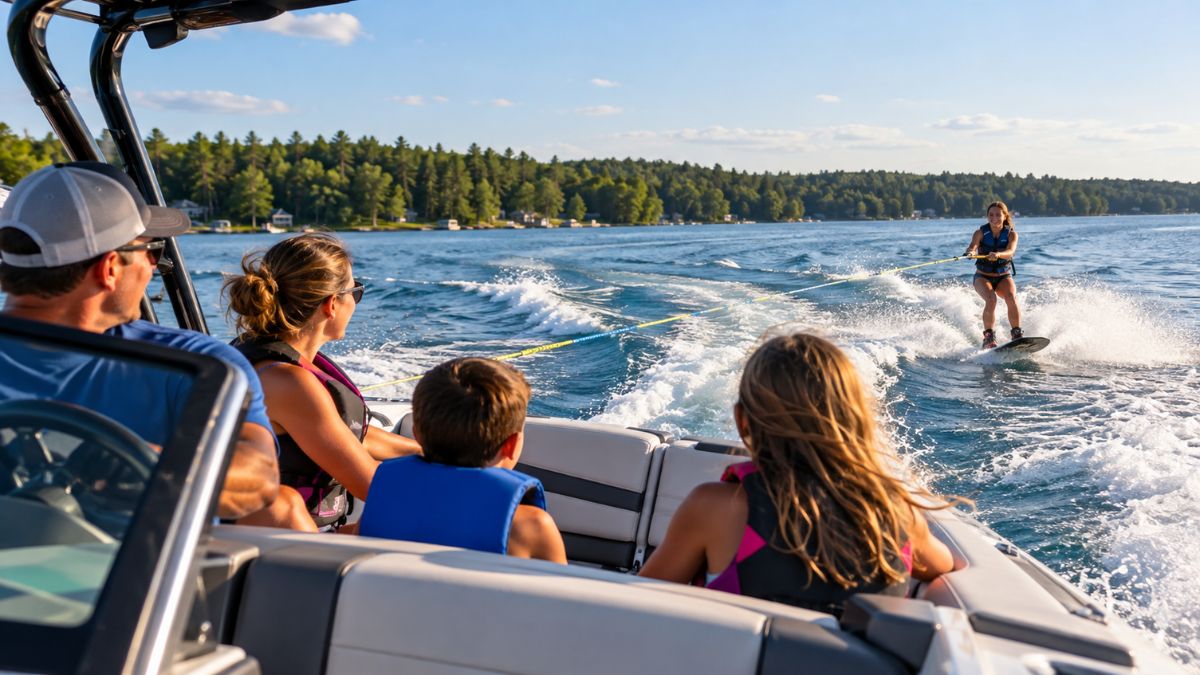
Lake Michigan Fishing Guide
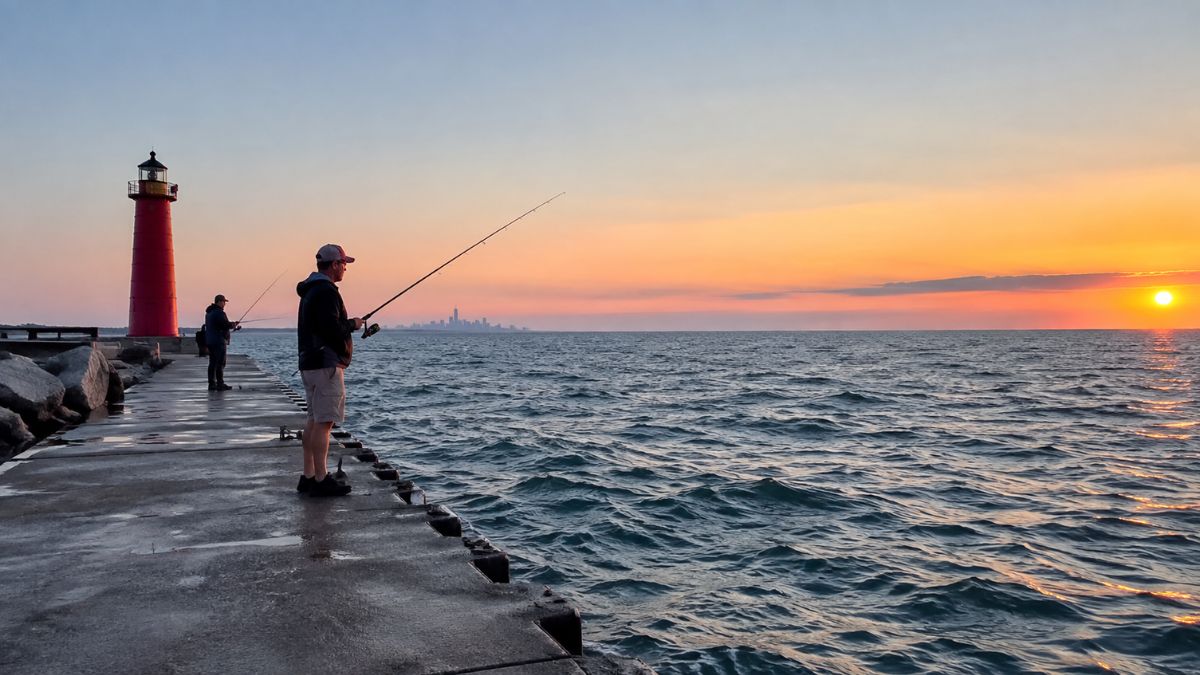
Lake Michigan gives anglers many ways to fish and many kinds of fish to chase. You can fish from a pier, a beach, a river mouth, or a boat far from shore. The best choice often depends on the season, the weather, and the fish you hope to catch. The lake touches Michigan, Wisconsin, Illinois, and Indiana, so the trip can feel very different from one shoreline to another. Some areas have busy harbors and long beaches, while others have rocky points or quiet river mouths. Before you go, it helps to understand the main fish, the seasonal changes, and the conditions you may face.
Lake Michigan can feel hard to understand at first because it is so large. The good news is that you do not have to learn the whole lake at once. Pick one area, learn what fish are common there, and let each trip teach you a little more.
Fish You Can Catch in Lake Michigan
Salmon are a major reason people travel to Lake Michigan. Chinook salmon, also called king salmon, can grow large and are known for strong runs when hooked. Coho salmon are usually smaller, but they are fast, active fish and can provide great fishing during the right part of the year. Trout are also an important part of Lake Michigan fishing. Lake trout spend much of the warmer season in cooler, deeper water, while brown trout can often be found closer to shore during cooler months. Steelhead move between the lake and connected rivers, giving anglers both open-water and stream fishing opportunities.
Lake Michigan is not only about trout and salmon. Smallmouth bass, yellow perch, walleye, and other freshwater fish can also be found in different areas. Bays, harbors, rocky shorelines, and rivers create many types of fishing water. That variety is one of Lake Michigan’s biggest strengths. An angler may have one kind of fishing trip in spring and a very different one in summer or fall. It is a lake that can keep people exploring for years.
When to Fish Lake Michigan
Spring is one of the most popular times to fish the southern part of Lake Michigan. After winter ice leaves, coho salmon often gather in nearshore water, and trout may also be within reach of boats and shore anglers. Cooler water can make spring a good season for fishing closer to land. As summer arrives, many trout and salmon move farther offshore or deeper as the surface water gets warmer. Anglers often search for cooler water and schools of baitfish. Early morning can be a good time to start because the weather may be calmer and fish can be active before the heat of the day.
Fall brings another major change as salmon move toward rivers and streams. Chinook and coho salmon may move closer to river mouths, piers, and tributaries. Steelhead and brown trout can also become active around these areas as the water cools. Winter fishing is quieter, but it does not always stop. Some anglers fish tributaries, harbors, and other open-water areas when conditions allow. Cold weather, ice, and strong lake winds can limit access, so winter trips need extra planning.
Fishing Conditions and Places to Try
Lake Michigan is large enough to behave more like an inland sea than a small lake. Wind can build waves quickly, and conditions can change even when the morning starts calm. Always check the weather before going out and be willing to stay on shore when the lake looks unsafe. Shore fishing can be a good choice for people who do not have a boat. Piers, breakwalls, beaches, harbors, and river mouths may all offer access depending on the area and season. Spring and fall can be especially interesting because some trout and salmon move closer to shore.
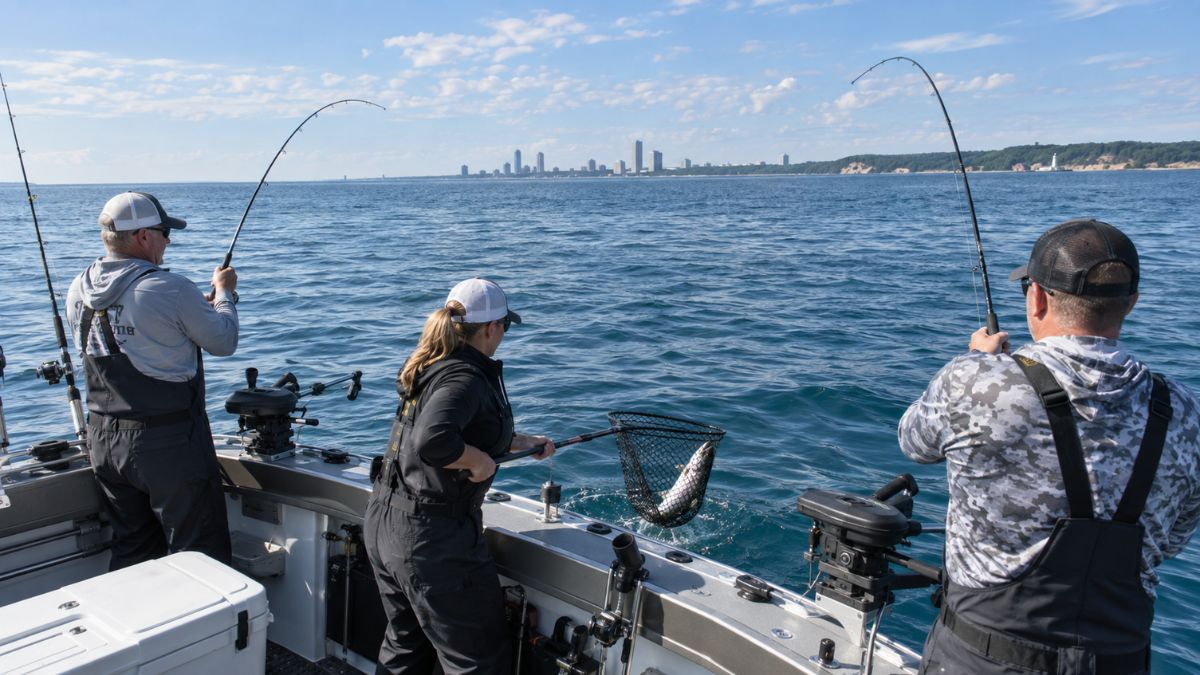
Boat anglers have access to a much larger part of the lake. During warmer weather, salmon and trout may be found in deeper water, so boats can follow fish as they move offshore. A fishing charter can also help a first-time visitor learn the lake without having to understand every detail on the first day. The shoreline changes a lot around Lake Michigan. Southern areas may have wide beaches and large harbors, while northern areas can feel cooler and more rugged. Instead of planning a trip to Lake Michigan in general, choose a town, harbor, or section of shoreline first and learn how fishing works there.
Planning a Lake Michigan Fishing Trip
Start by choosing the fish you want to catch and the season you want to visit. A spring coho trip is different from a summer lake trout trip or a fall salmon run. Knowing your main goal makes it easier to choose the right part of the lake.
Next, decide whether you want to fish from shore, from a pier, in a river, or from a boat. Shore fishing can be simple and relaxing, while boat fishing opens more water and more seasonal options. Families may also enjoy staying near a town with beaches, parks, food, and other things to do after fishing. Check the fishing rules for the state where you will be fishing. Lake Michigan touches four states, and seasons, limits, licenses, and special rules can change from one area to another. Regulations can also change from year to year, so check the current rules before every trip.
Most of all, plan around the lake instead of trying to force the lake to fit your plan. Wind, waves, water temperature, and fish movement can all change quickly. Stay flexible, keep safety first, and Lake Michigan can offer a fishing adventure in almost every part of the year.


Fun Camping Activities for Families and Friends
A camping trip is about much more than sleeping
Best States for Dispersed Camping
Dispersed camping means camping outside a developed campground. You
Glamping vs Camping vs Dispersed Camping
Camping can mean very different things to different people.
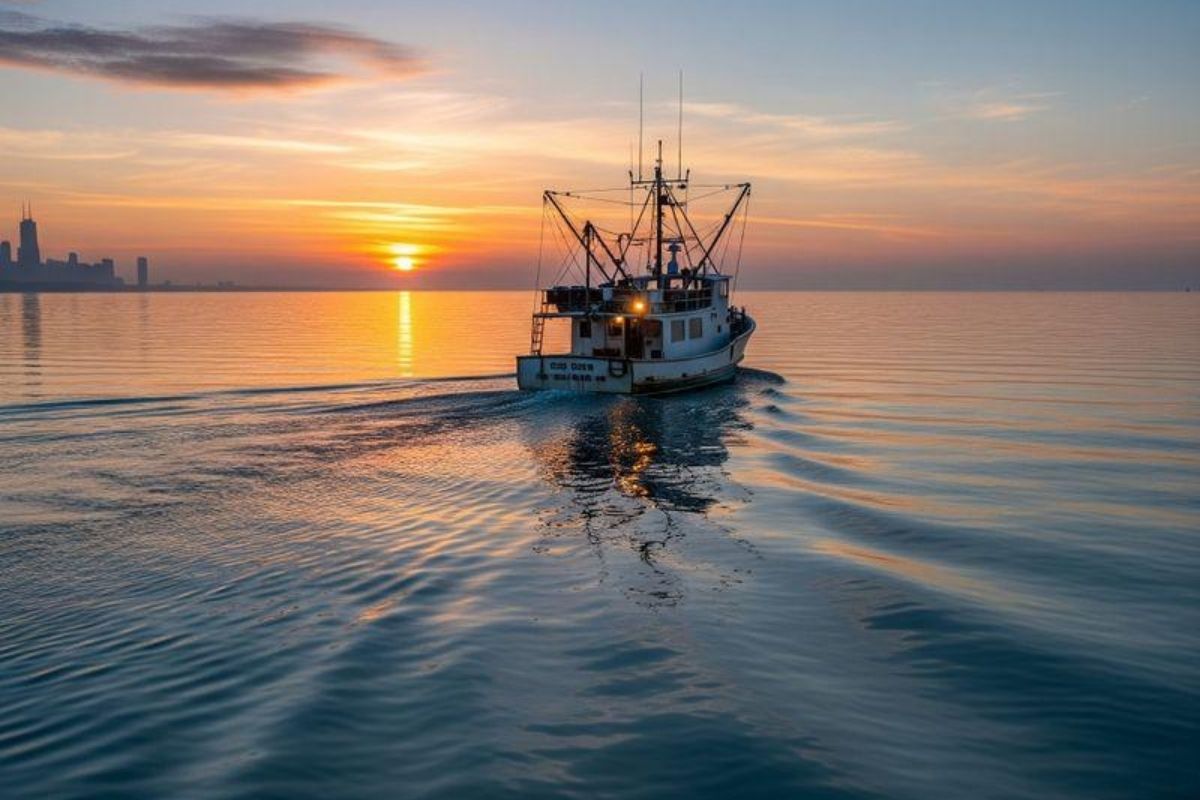
Great Lakes Fishing for Every Season
The Great Lakes are some of the best places to
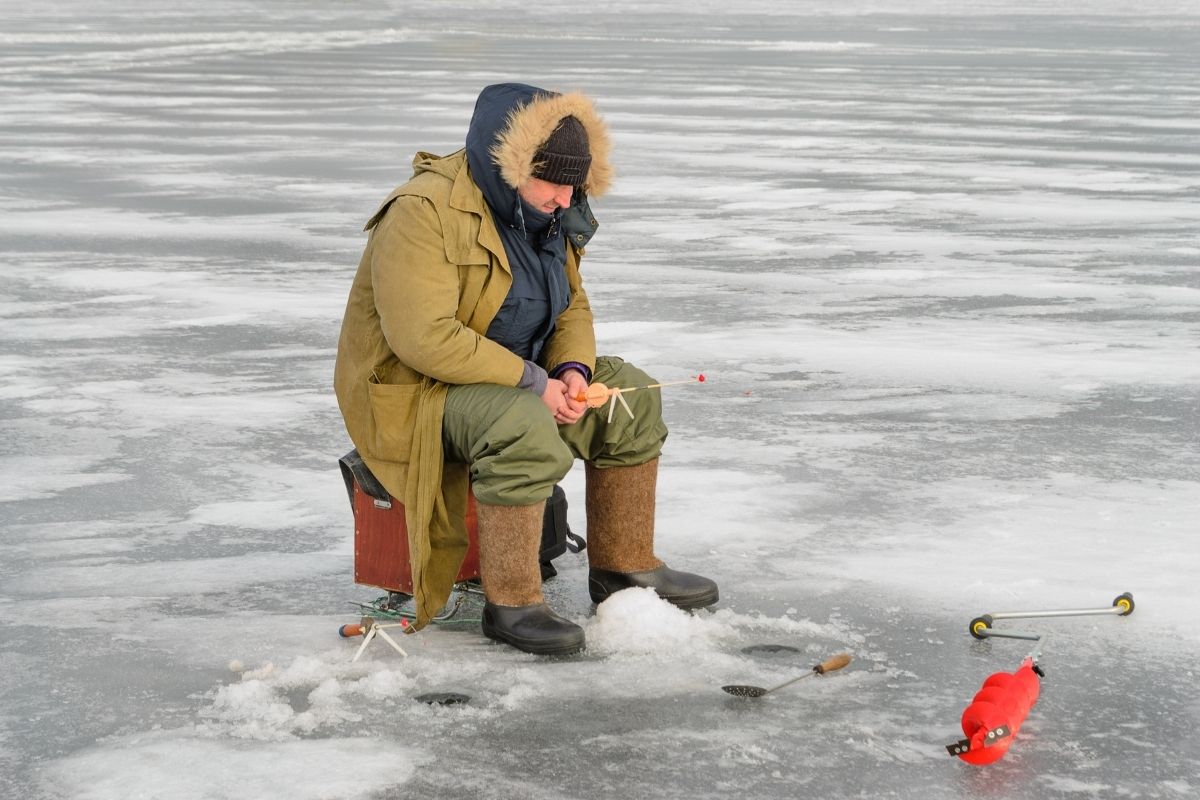
How to Ice Fish for Beginners: A Simple Guide to Getting Started
Ice fishing can look strange the first time you
Rough Fish in Minnesota and the Upper Midwest
When many people think about fishing in Minnesota and