Lake Superior Fishing Tips
Fish You Can Catch in Lake Superior
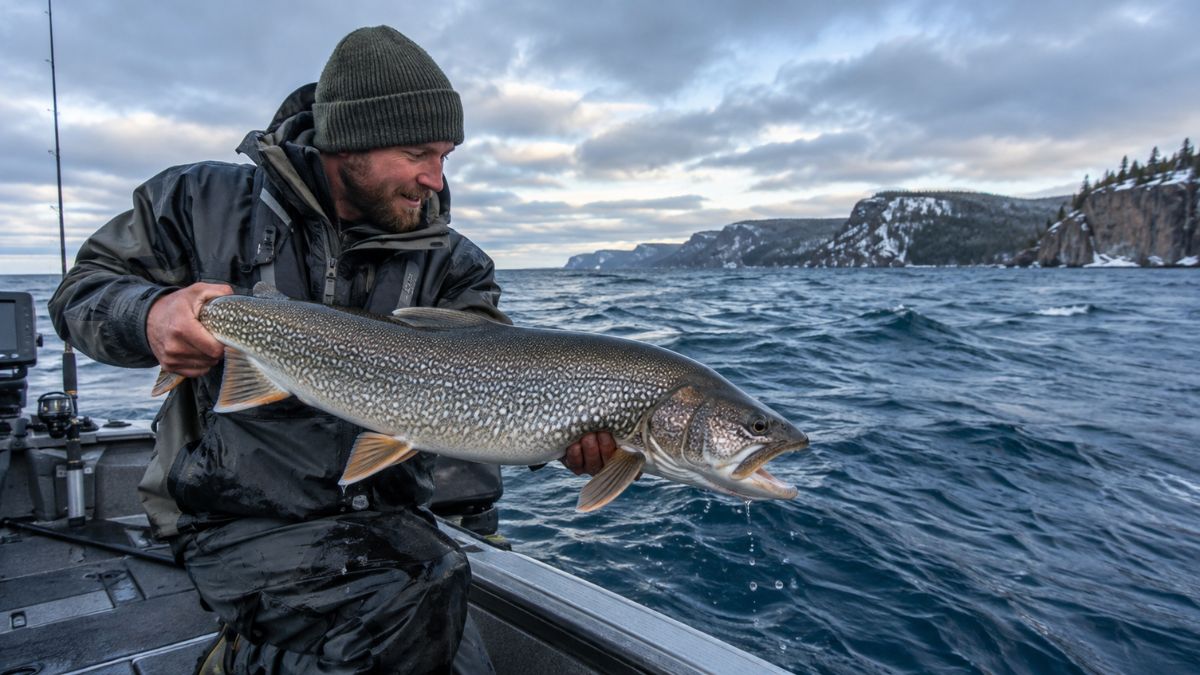
Lake trout are one of the best-known fish in Lake Superior. They are an important predator in the lake and one of the most popular fish for anglers to target. During warmer months, they often move into deeper, colder water.
Lake Superior also holds coho salmon, Chinook salmon, pink salmon, steelhead, brown trout, and brook trout in different areas. Rivers and streams that enter the lake can become especially important during seasonal fish movement. These areas give anglers another way to fish without always heading onto the open lake. Bays and connected waters add even more choices. Walleye, yellow perch, northern pike, lake whitefish, and smallmouth bass can be found in different parts of the Lake Superior region. These areas can offer a very different experience from fishing the deep open water.
The wide mix of fish means Lake Superior does not have just one kind of fishing. You can cast from shore, fish a river, explore a protected bay, or travel offshore for trout and salmon. The best approach depends on where you are and what time of year you visit.
When to Fish Lake Superior
Spring can be one of the easier times to understand Lake Superior fishing. Cold nearshore water can hold trout and salmon closer to land, and steelhead may begin moving into tributaries. Shore fishing near river mouths and breakwalls can also improve as fish follow food and changing water temperatures.
Late spring and early summer bring more open-water fishing. Trout and salmon may still be higher in the water, but they begin moving offshore as nearshore water warms. Anglers often adjust where they fish as the water temperature changes.
By midsummer, lake trout often move deeper to stay in cold water. Salmon, brown trout, and steelhead may use different depths depending on water conditions and available food. Summer can be an excellent time to explore the open lake when the weather cooperates.
Fall brings trout and salmon toward river mouths and tributaries again. Cooler water can change where fish gather and can create new opportunities from shore and in rivers. Some parts of the Lake Superior region also offer winter fishing when local conditions are safe.
Fishing Conditions and Places to Try
Lake Superior demands respect because the water stays very cold. A warm, sunny day on shore does not mean the lake itself is warm, and sudden wind can create rough water quickly. Anglers should always watch the weather and avoid pushing farther from shore when conditions are uncertain. Water clarity can also change after rain and storms. Cloudy runoff may enter the lake near river mouths and mix with clearer water. These changing water areas can sometimes attract fish looking for food.
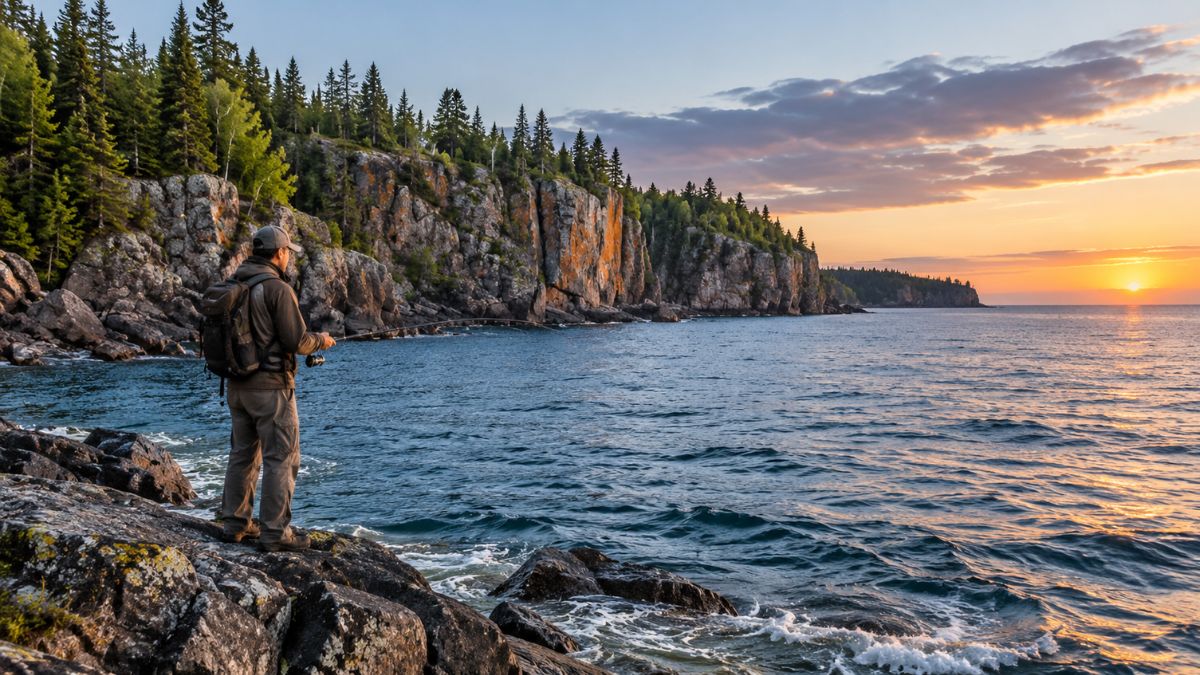
The Minnesota North Shore offers rocky shoreline, river mouths, harbors, and places where anglers can cast into deep water. The Apostle Islands and Chequamegon Bay areas offer another style of fishing, with deep-water species offshore and walleye, bass, perch, whitefish, and trout in more protected areas.
Lake Superior is so large that a good trip should focus on one region instead of the whole lake. Pick a place such as Duluth, the North Shore, the Apostle Islands, or Chequamegon Bay and learn that area first. Local fishing reports and current weather can help you decide where to begin.
Planning a Lake Superior Fishing Trip
Choose your target fish before choosing the exact place to stay. A summer lake trout trip may lead you toward deeper open water, while a spring steelhead trip may center on rivers and streams. A family looking for calmer water may prefer a protected bay instead of the open lake. Think about how you want to fish too. Shore fishing can be simple and can produce trout and salmon during cooler months, while a boat or charter opens access to offshore water. Beginners may learn faster by fishing with someone who already understands the lake and its changing conditions. Always check the current fishing rules for the state or province where you plan to fish. Seasons, possession limits, and special rules can be different by area and species. Fishing regulations can change, so old information may no longer be correct.
Lake Superior can be challenging, but that is part of what makes it special. The cold water, rocky shoreline, deep blue lake, and wide mix of fish create a fishing trip that feels different from most inland lakes. Plan carefully, stay flexible, and the lake can give you a trip you will remember for years.


Scuba Diving Snorkeling and Freediving for Beginners
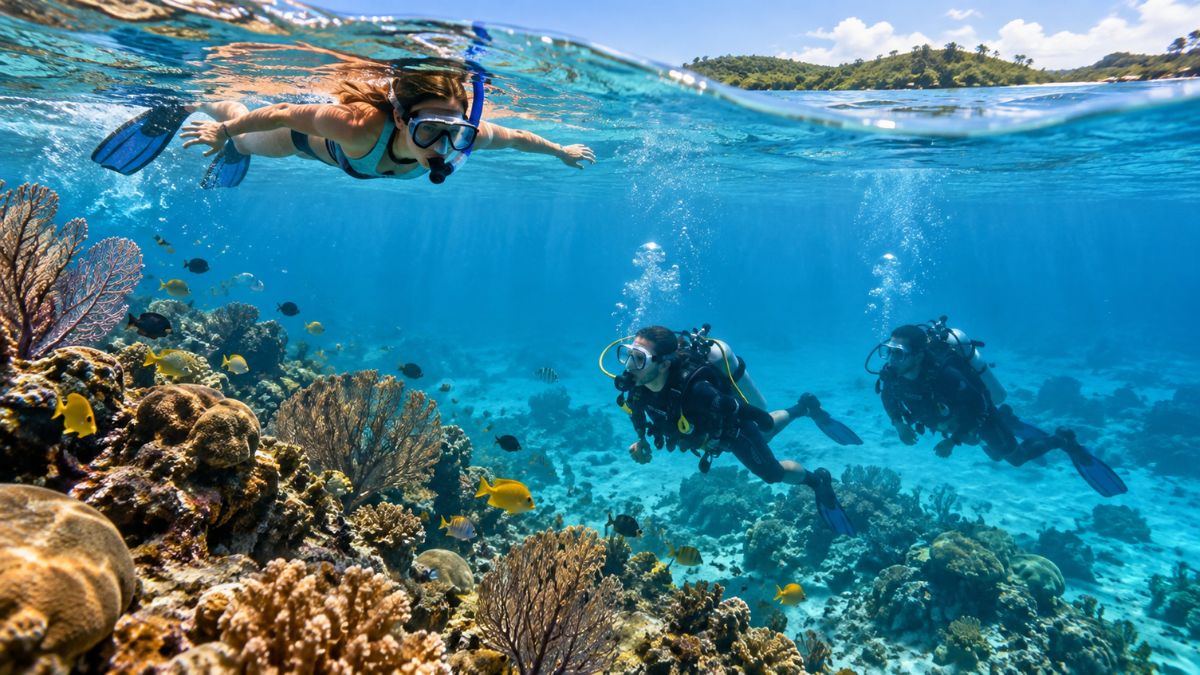
The world below the water can feel like a
Kayaking vs Paddleboarding for Beginners
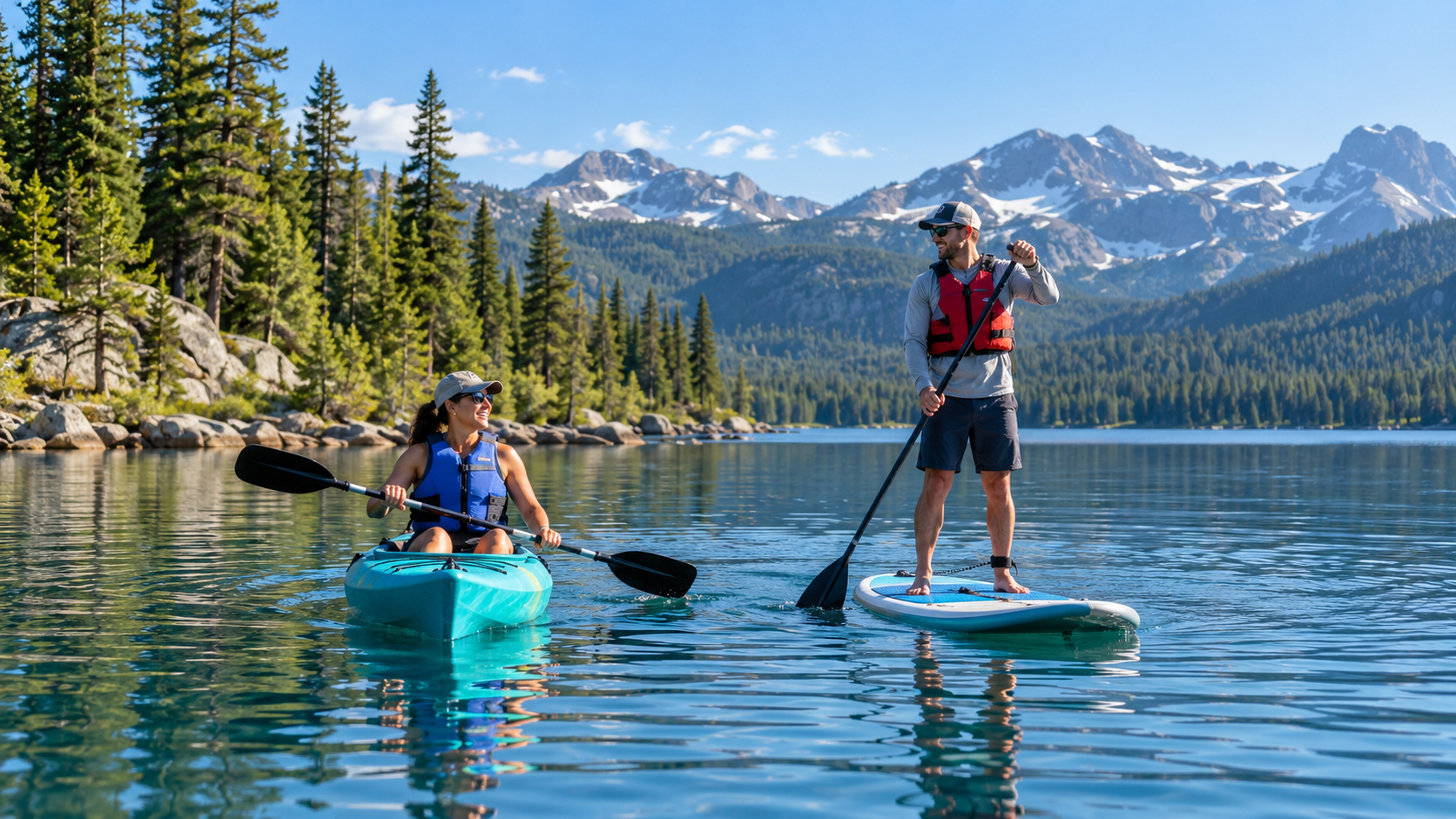
Kayaking and paddleboarding are two simple ways to explore lakes,
Surfing vs Skimboarding for Beginners
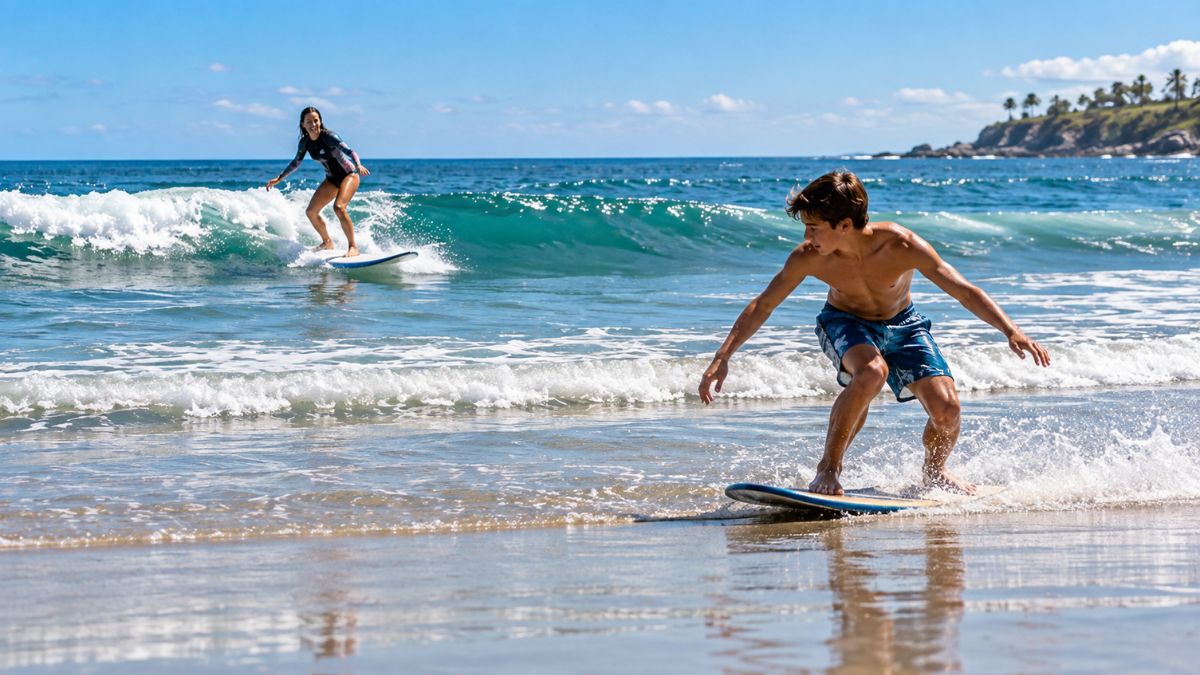
Surfing and skimboarding both use a board and ocean waves,
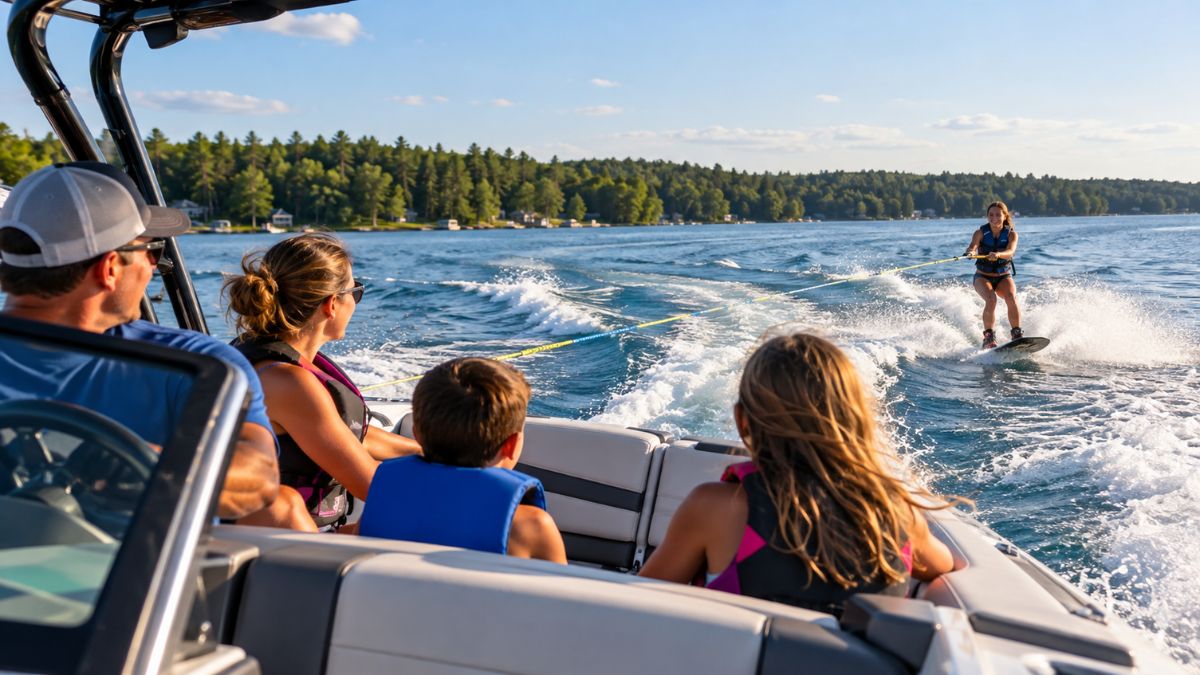
Choosing Between Tubing Water Skiing and Kneeboarding
Tubing, wakeboarding, water skiing, and kneeboarding are all fun ways

Dirt Biking and Motocross for Beginners
Dirt bikes are made to ride away from normal

Mudding vs Trail Riding in Off-Road Trucks and Jeeps
Off-road trucks and Jeeps can travel far beyond a