
Late Summer Bluegill Secrets: How to Find and Catch More

Why Late Summer is Prime Time for Bluegills
When most anglers pack away their ultralight gear and turn to other species, the savvy ones know a secret: late summer is prime time for fishing big bluegills. While the early summer spawning frenzy often steals the spotlight, post-spawn bluegills remain active and can be targeted effectively well into late August and even early September.
With stable weather patterns and warm water temperatures, bluegills often move to predictable locations and maintain consistent feeding habits—making them an ideal target for those willing to adapt their tactics to match late-season behavior.
Location is Everything: Go Deep and Stay Sharp
As surface temperatures rise in the dog days of summer, bluegills tend to move deeper in the water column. You’ll often find them suspended around 10 to 20 feet deep in clear lakes, typically near drop-offs, submerged weed lines, or structure such as brush piles and sunken logs. On murkier lakes or small farm ponds, they may remain slightly shallower but still favor deeper cover compared to earlier in the season.
Electronics can be an angler’s best friend during this period. Use sonar to locate suspended schools of panfish or identify structure that may be holding fish. Bluegills often congregate tightly in deep pockets, so if you’re not getting bites, move often until you find them.
Bait and Tackle: Downsizing is Key
When targeting summer bluegills, a light or ultralight spinning rod spooled with 2- to 4-pound test line provides the sensitivity needed to detect subtle bites in deep water. Small hooks (#8 to #12) and finesse presentations are crucial for consistent success.
Live bait like waxworms, redworms, and crickets are classic options that continue to produce. For those preferring artificials, try 1/64- to 1/32-ounce jigs tipped with plastic grubs, micro tubes, or ice fishing-style baits. The key is to present the bait slowly and precisely in the strike zone—often just above submerged structure or suspended at the right depth in open water.
Slip float rigs are a great way to target suspended bluegills with precision. Set the depth to match where fish are holding and use just enough weight to keep the bait vertical. This allows for easy adjustments as you search the water column.
For deeper presentations, drop shot rigs offer exceptional control and sensitivity. Use a small hook with a worm or soft plastic tied above a 1/8- to 1/4-ounce weight. Drop straight down on top of marked fish or slowly drift across structure-laden flats. Keep slack out of the line and watch closely for subtle taps.
Time of Day Matters
Bluegill activity peaks during low-light hours—early morning and late evening—but in deeper water, midday can also offer excellent fishing if you target the right depth. During hot, bright days, focus on shaded areas, deeper weed beds, or overcast conditions to boost your chances.
Night fishing is another overlooked but effective tactic. Bluegills feed actively under the cover of darkness, especially around dock lights, bridge pilings, or submerged lights that attract insects and baitfish. A glow jig tipped with bait or a small slip float bobber can produce nonstop action after sunset
Follow the Thermocline
In deeper lakes, summer stratification creates a thermocline—a layer where water temperature changes dramatically. Bluegills often position themselves just above this layer, where oxygen levels and water temperature are optimal. A good fish finder can help locate the thermocline, which typically occurs between 12 and 20 feet depending on lake depth and clarity.
Once you identify the thermocline, concentrate your efforts just above it. Jigging vertically or suspending bait at this depth can unlock incredible late summer action.
Mix It Up: Fish Multiple Locations and Techniques
Bluegills aren’t stationary. Wind, water clarity, and food availability can move them quickly from one spot to another. To stay on fish, rotate through different types of habitat: deep weed edges, drop-offs near spawning flats, submerged timber, and man-made cribs or brush piles.
Try vertical jigging one day and slip floats the next. Alternate between live bait and plastics. This multi-pronged approach not only increases your odds of success, but it also keeps the experience engaging and dynamic.
Don’t Overlook Small Lakes and Ponds
While big reservoirs and natural lakes get much of the attention, small lakes and farm ponds often provide excellent late summer bluegill opportunities. Because these bodies of water warm more quickly and uniformly, bluegills are often more accessible and easier to pattern. Focus on the deepest areas, and fish slow and steady.
Look for subtle changes in structure—a small point, isolated stump, or corner of vegetation—that may concentrate fish. These spots often hold some of the biggest ‘gills of the season.
Conservation Tip: Keep it Sustainable
Late summer is a great time to catch big bluegills, but it’s also important to practice selective harvest. Consider releasing larger fish, which are vital to maintaining healthy populations and genetics. Keep a few smaller fish for the frying pan, but let the true giants swim another day.
Late summer bluegill fishing is far from slow—if anything, it’s one of the best-kept secrets in freshwater angling. By adapting your tactics to match seasonal behavior and using the right gear and techniques, you can enjoy fast action and fill your cooler with slab-sided panfish well into September. So grab your ultralight rod, tie on a jig, and get ready to reel in some late-season giants.


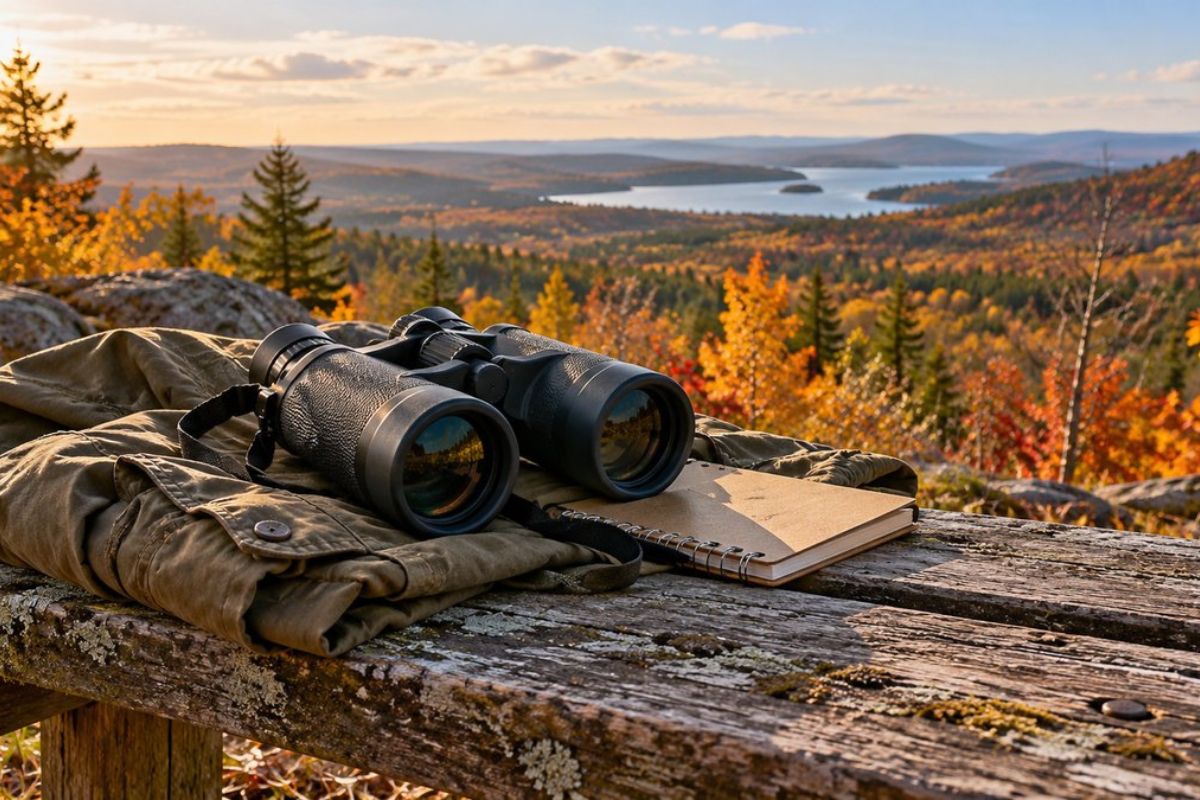
A Quieter Carry: Organize Your Hunting Binoculars and Field Notes
A zipper catches your glove. A loose buckle taps
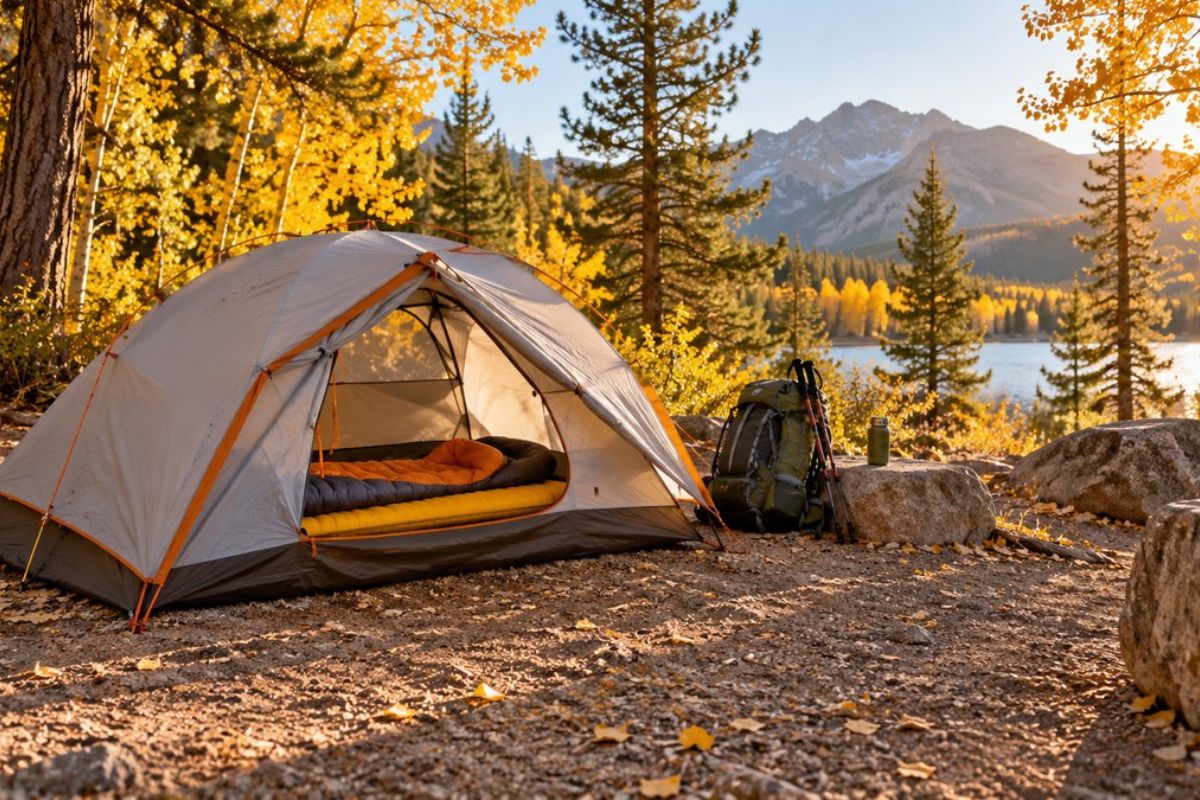
Cold at 3 A.M.? Rethink Your Fall Camping Sleep System
The evening was perfect. Dinner tasted better outdoors, the
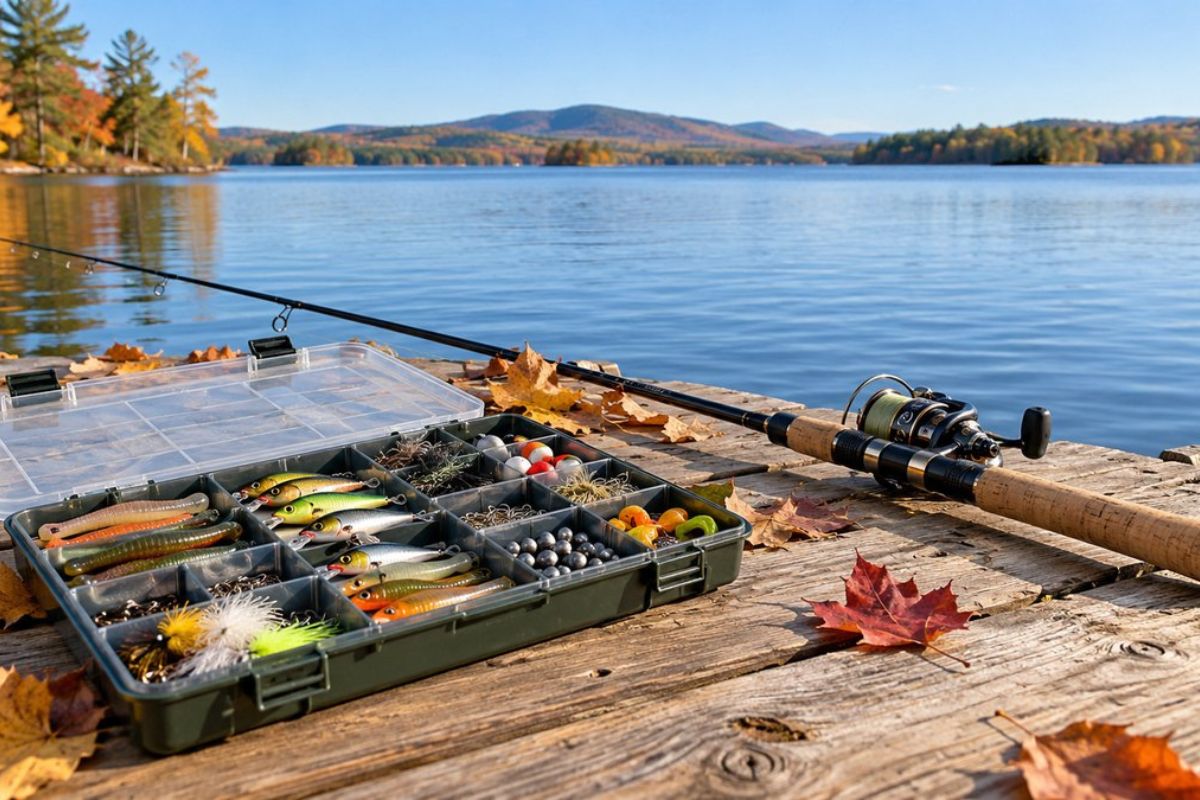
The Fall Tackle Box Reset: Pack for the Water in Front of You
Somewhere beneath the spare hooks and mystery soft plastics
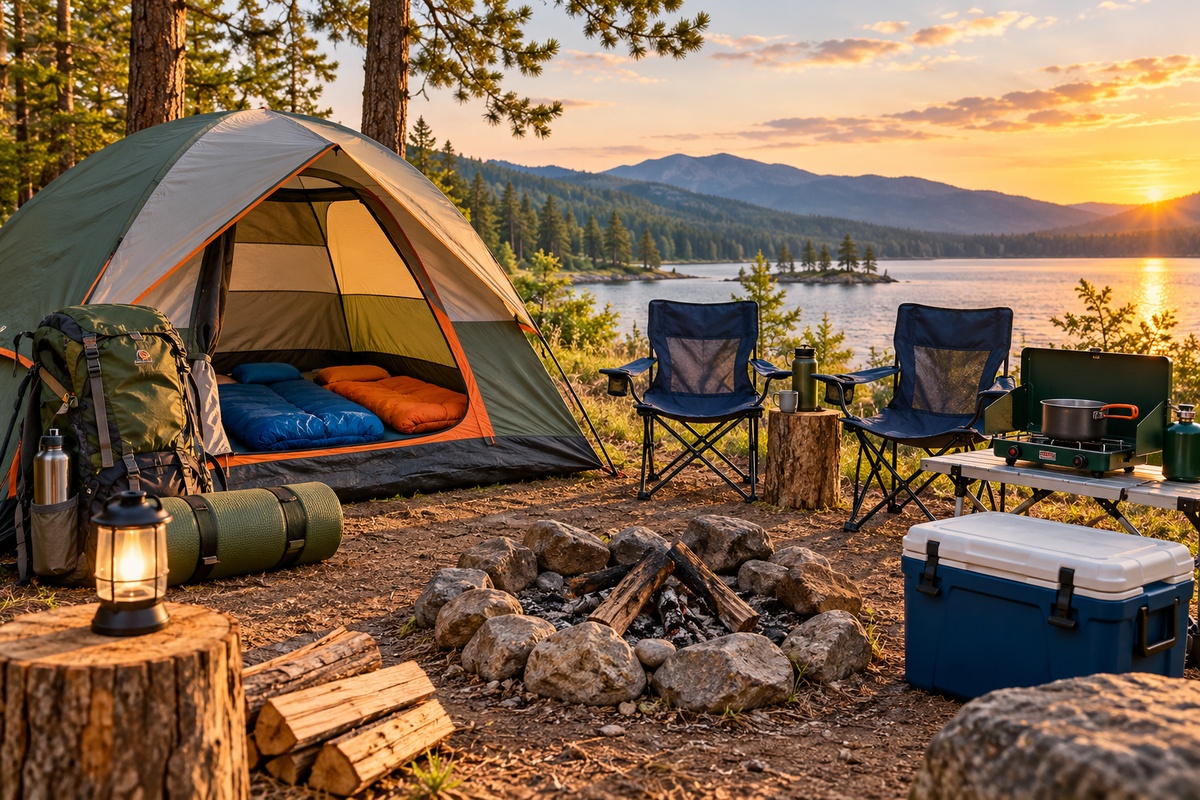
Camping Checklist: What You Really Need for Your Trip
Whether it's your first camping trip or you are a
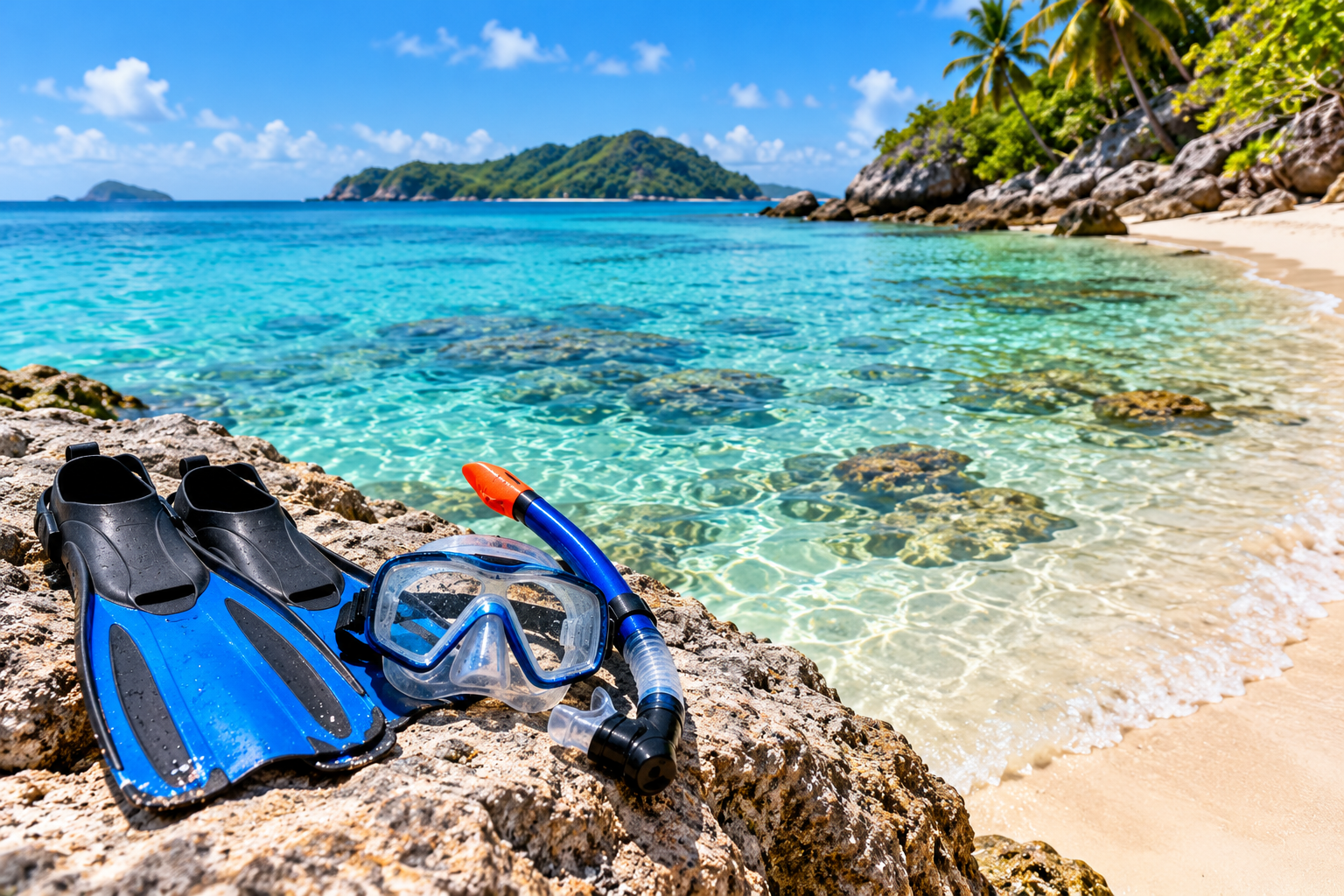
Best Snorkeling Destinations during Winter Months for Beginners
Snorkeling in a warm location is one of the easiest
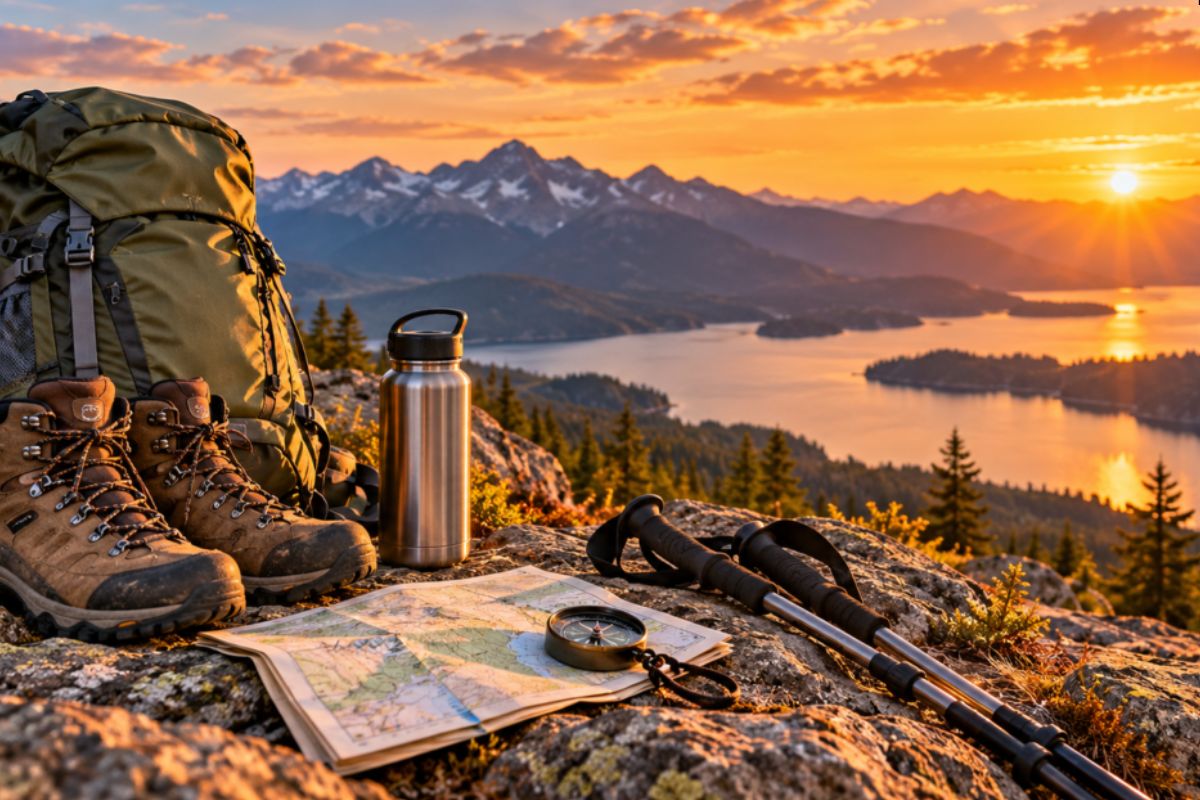
Adventure Starts with Having the Right Gear
There’s something exciting about getting ready for a new