
Mastering Summer Muskie Fishing: Heat, Pressure & Big Follows

Muskie anglers know that summer can be both rewarding and frustrating. As temperatures rise and fishing pressure increases, these elusive predators become even more challenging to catch. But don’t let the heat fool you—summer is still prime time to land a trophy muskie. With the right techniques, gear, and mindset, you can turn tough conditions into success.
Focus on Timing: Fish the Low-Light Windows
One of the most important adjustments for summer muskie fishing is timing. Early morning and late evening are peak feeding windows when muskies are most active and aggressive. During these low-light periods, surface temperatures are cooler, baitfish move shallower, and muskies are more likely to strike.
Night fishing is also a proven tactic during midsummer, especially when boat traffic and sunlight drive muskies deeper during the day. Use dark-colored lures with strong vibration to help muskies locate your bait in the dark.
Go Shallow—Yes, Even in the Heat
It might seem counterintuitive, but shallow water shouldn’t be overlooked in summer. Muskies often hang just off weedlines, under lily pads, or along shoreline drop-offs. As long as the oxygen levels and bait are there, so are the fish.
Target shaded shallow areas, especially those with overhead cover or submerged vegetation. These spots provide ambush points for muskies and attract baitfish seeking cooler water or shelter. A subtle topwater bait or twitch bait can be deadly in skinny water during low-light hours.
Downsize Your Presentation
When muskie fishing pressure increases and water temps soar, downsizing your baits can trigger more strikes. Large flashy lures can overwhelm or spook fish under these conditions. Switch to smaller bucktails, downsized rubber baits, or finesse glide baits.
Smaller lures appear more natural and are easier for pressured muskies to commit to, especially in heavily fished lakes. Keep your retrieve smooth and steady, with occasional pauses to mimic a wounded baitfish.
Match Your Retrieve to the Mood
Summer muskies can be picky about retrieve speed. On hot, flat days, a slow and methodical presentation often outperforms faster retrieves. On windy, overcast days, however, you can speed things up. Let conditions—and the fish—dictate your pace.
Watch how fish react to your bait. If you’re getting follows but no strikes, change the rhythm. Try speeding up when the fish closes in, or pause briefly to give them a better shot. The “trigger move” at the end of the retrieve, like a figure-eight or directional change, can turn curious followers into biters.
Read the Water and Adjust
Oxygen levels, thermoclines, and bait location all shift as summer progresses. Use electronics to identify weed edges, drop-offs, and suspended baitfish schools. During hot spells, muskies may suspend off structure in deeper water but still strike baits fished near the surface during the right conditions.
Move frequently if you’re not seeing fish. Don’t spend more than 20 minutes on a spot without activity. Summer muskies are often more spread out, so covering water is key.
Get Aggressive—But Don’t Overdo It
Muskies are apex predators, but they’re also highly sensitive. One way to get them fired up is by triggering territorial responses. Fast retrieves, hard rips, and sudden directional changes can spark aggression. However, constant high-impact retrieves in hot, pressured water can shut fish down too.
Balance aggression with finesse. Start with a moderate retrieve and escalate only if you’re seeing signs that fish are following or showing interest. Don’t burn yourself—or the fish—out trying to force a reaction that isn’t coming.
Use Gear that Matches the Fight
Summer muskie fights can be brutal, especially when water temps are high. Use heavy rods, strong braid (80 lb+), and high-quality leaders to minimize fight time and reduce stress on the fish. This is critical for safe catch-and-release practices.
Have your net, pliers, and release tools ready before you cast. The quicker you can unhook and return a muskie to the water, the better its chance of survival in summer heat.
Stay Sharp—Mentally and Physically
Hot-weather muskie fishing can be mentally draining. Long days, slow bites, and teasing follows can wear down even experienced anglers. Stay focused, stay hydrated, and stick to your game plan. A single cast could turn the entire day around.
Take breaks when needed and rotate baits or partners to stay fresh. The grind is real—but so is the reward when a giant muskie finally commits.
Summer muskie fishing is a game of patience, precision, and adaptability. From timing your trips around feeding windows to dialing in your lure size and presentation, success comes to those who pay attention to the details. Embrace the challenge, trust the process, and keep casting—you never know when the next follow will end in a violent strike.



A Quieter Carry: Organize Your Hunting Binoculars and Field Notes
A zipper catches your glove. A loose buckle taps

Cold at 3 A.M.? Rethink Your Fall Camping Sleep System
The evening was perfect. Dinner tasted better outdoors, the
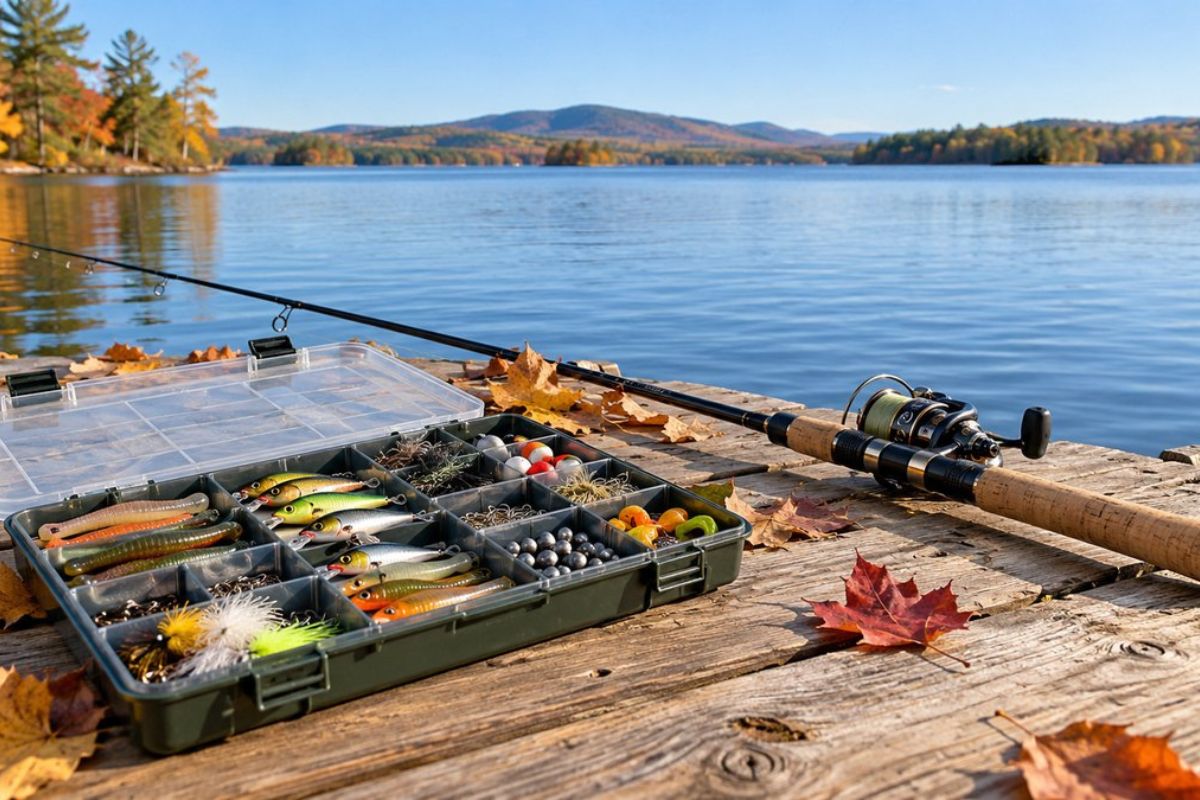
The Fall Tackle Box Reset: Pack for the Water in Front of You
Somewhere beneath the spare hooks and mystery soft plastics

Camping Checklist: What You Really Need for Your Trip
Whether it's your first camping trip or you are a
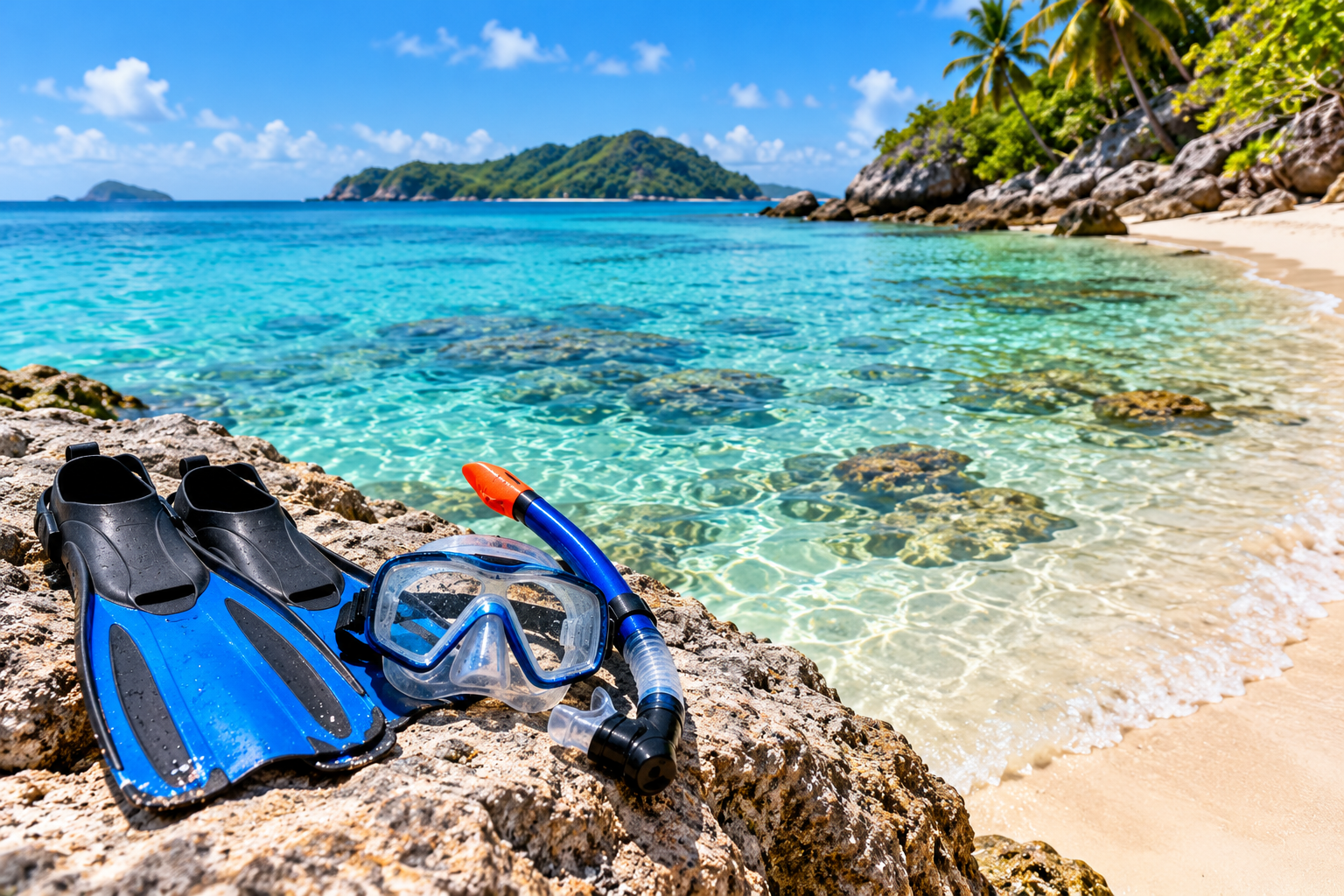
Best Snorkeling Destinations during Winter Months for Beginners
Snorkeling in a warm location is one of the easiest

Adventure Starts with Having the Right Gear
There’s something exciting about getting ready for a new