
Nature’s Medicine Cabinet: Herbal Remedies for Survival Scenarios
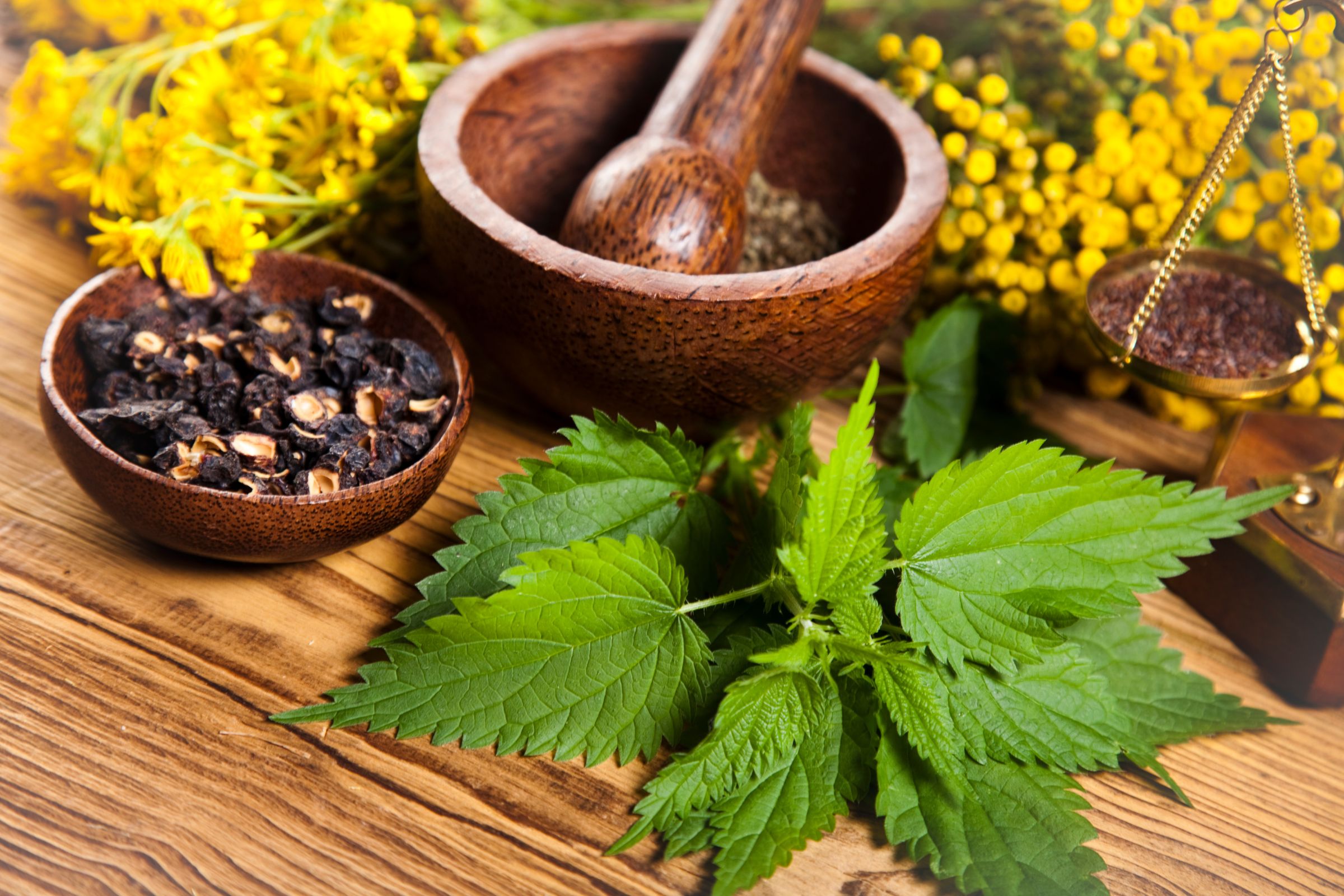
In survival situations, knowing how to use the resources around you can mean the difference between thriving and struggling. One of the most vital survival skills is the ability to identify and use plants for first aid and health. Nature offers a wealth of remedies to address wounds, illnesses, and discomforts when conventional medicine isn’t an option. Here’s a guide to some herbal remedies and their applications in the wild.
Common Medicinal Plants in Survival
- Plantain (Plantago spp.): Found in most environments, plantain leaves are excellent for treating cuts, stings, and burns. Simply chew or crush the leaves to release the juice and apply it as a poultice to the affected area.
- Yarrow (Achillea millefolium): Known for its blood-clotting properties, yarrow can be crushed and applied to wounds to stop bleeding. It also has anti-inflammatory and antimicrobial benefits, making it a versatile survival remedy.
- Pine (Pinus spp.): Pine needles can be steeped in hot water to create a vitamin C-rich tea that helps boost immunity. Pine resin can be used as an antiseptic and wound sealant.
- Garlic Mustard (Alliaria petiolata): This plant is edible and antimicrobial, making it useful for treating minor infections. Crush the leaves and apply them as a poultice.
- Willow (Salix spp.): Willow bark contains salicin, a natural compound similar to aspirin. Chewing on the bark or brewing it into tea can help reduce pain and inflammation.
Using Herbal Remedies Safely
While plants offer powerful medicinal properties, proper identification is critical. Some plants have toxic look-alikes, and misidentification can be dangerous. Carry a reliable plant identification guide or study botany beforehand to ensure you’re prepared.
Basic Herbal First Aid Kit
When venturing into the wild, consider packing tools that complement your herbal remedies:
- A small knife for harvesting plants
- Mortar and pestle or flat stones for grinding
- Clean bandages or fabric strips for applying poultices
- Water-resistant containers for storing prepared remedies
Adapting to Seasonalities
Herbal remedies vary with seasons. Learn what grows locally in spring, summer, fall, and winter. For instance, roots like dandelion and burdock are more accessible in cooler months, while fresh greens and flowers flourish in warmer seasons.
By integrating herbal knowledge into your survival skills, you not only expand your bushcraft capabilities but also gain a deeper connection to the natural world. Always practice sustainable foraging, taking only what you need and respecting the environment to ensure its resources remain abundant for years to come.



Camo Styles for Every Hunting Season: Blend in with Confidence
Choosing the right camouflage (camo) pattern is essential for a

Essential Safety Tips for Camping in the Great Outdoors
Camping in the great outdoors is a rewarding experience, but
How to Choose the Right Campground for Your Camping Style
Selecting the perfect campground is key to creating a memorable
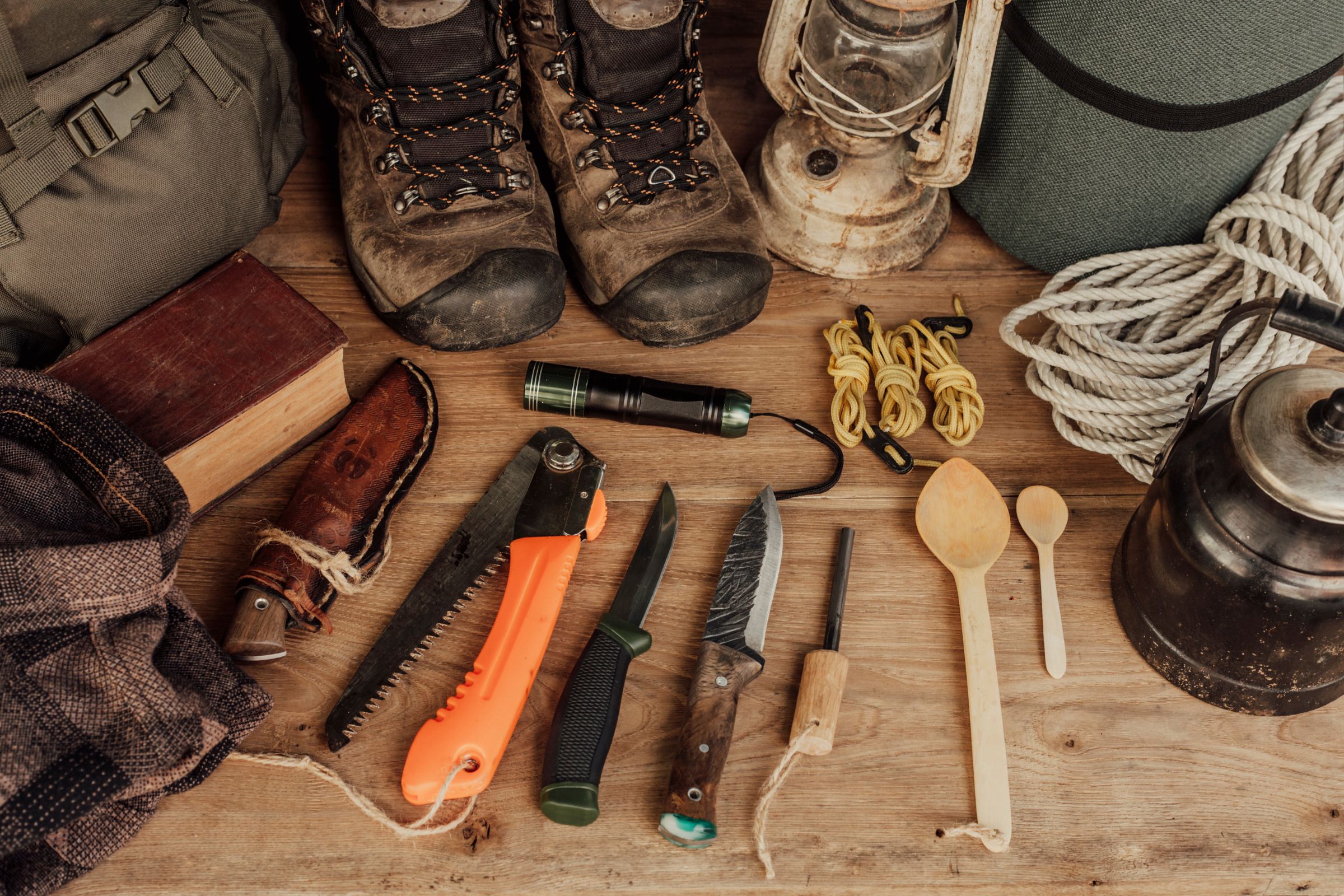
10 Must-Have Camping Gadgets You Never Knew You Needed
Camping is all about escaping the hustle and bustle of

Van Camping Hacks: Maximizing Space and Comfort on the Road
Van camping offers a unique blend of mobility, adventure, and

Best National Parks for Tent Camping Adventures
Exploring national parks through tent camping is an unforgettable way