Popular Duck Species Hunters Should Know
Mallards Wood Ducks and Teal
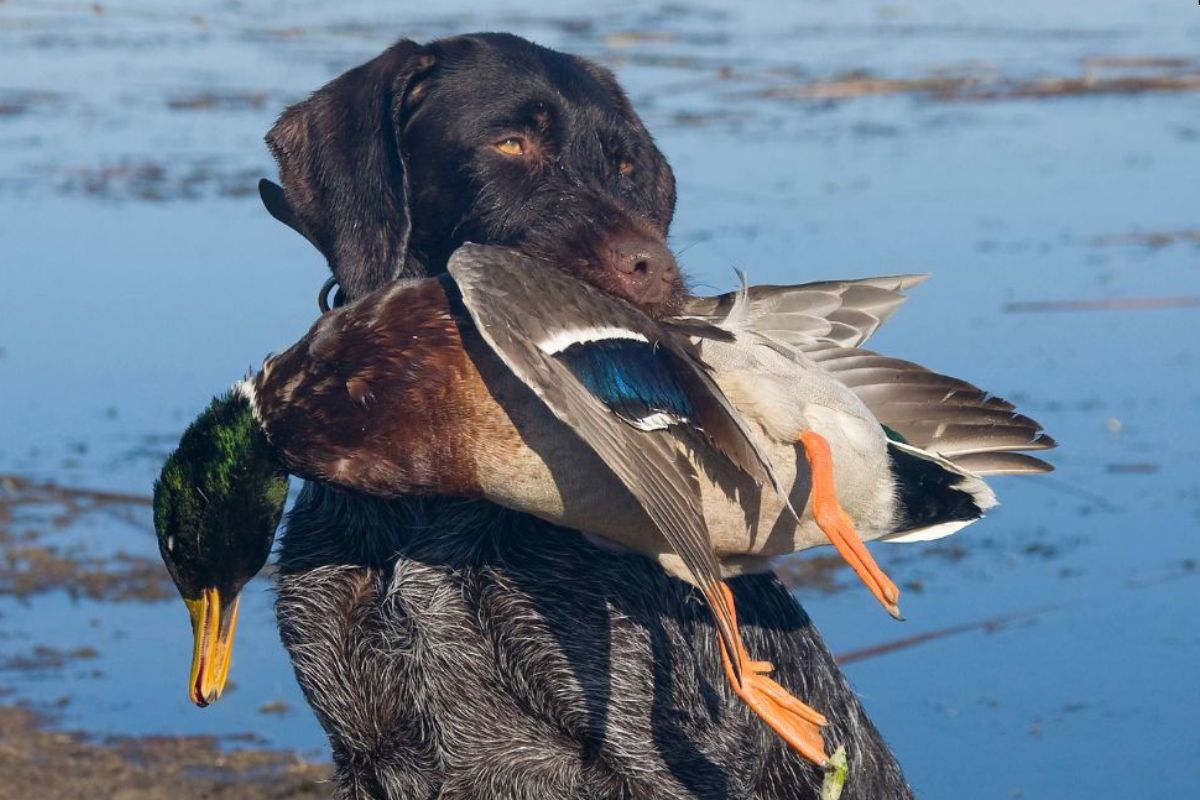
Mallards are one of the most familiar ducks in North America. Adult males are known for their green heads, white neck rings, brown chests, and gray bodies, while females are mostly mottled brown. Mallards use many kinds of wetlands and are often found in marshes, ponds, rivers, farm areas, and even city parks.
Wood ducks often use wooded wetlands, streams, swamps, and flooded trees. Teal are much smaller ducks and are known for fast flight and quick wingbeats. These species can look very different when sitting still, but learning how they move and where they live can also help with identification.
Pintails and Other Dabbling Ducks
Northern pintails have a long, slim look compared with many other ducks. Adult males are known for their long pointed tails, and the shape of the bird can be a useful clue even when the colors are hard to see. Hunters may also see gadwalls, wigeon, shovelers, and other dabbling ducks in similar marsh and shallow-water habitat.
Dabbling ducks often feed in relatively shallow water and can rise from the surface quickly. Wing shape, tail shape, calls, and flight style can help hunters separate species when colors are hard to see at a distance. Learning these clues matters because first light and cloudy weather can make even familiar ducks difficult to identify.
Canvasbacks and Diving Ducks
Canvasbacks are diving ducks with a long neck and a sloping head shape. Adult males have a reddish-brown head, dark chest, and pale body, while females are much more brown. They often use larger wetlands and open water and may look very different in flight from smaller dabbling ducks.
Other diving ducks include scaup, redheads, ring-necked ducks, and several other species. Divers often have faster wingbeats and bodies built for swimming and diving under water. Learning their shape and movement can sometimes be more useful than trying to see feather colors when a flock is flying quickly.
Duck identification takes practice. Watch birds at parks, wildlife areas, lakes, and marshes during the year, and use a good bird guide to check what you see. Listening to calls can also help because different duck species often make very different sounds.
Waterfowl rules are closely managed, and bag limits may be different by species or sex. Always check the current state and federal rules before hunting and know which ducks are legal to take. If you cannot clearly identify a bird, the safest choice is to let it pass and keep watching.



Van Camping Hacks: Maximizing Space and Comfort on the Road
Van camping offers a unique blend of mobility, adventure, and

Best National Parks for Tent Camping Adventures
Exploring national parks through tent camping is an unforgettable way

RV Camping for Beginners: Everything You Need to Know
RV camping is the perfect way to explore the great

Camping Tips: How to Stay Comfortable Year-Round
Camping is a year-round adventure, but each season brings its

Glamping 101: How to Add Luxury to Your Camping Experience
Camping doesn’t have to mean sacrificing comfort. Glamping, or glamorous

Top 10 Family-Friendly Campgrounds in North America (2025 Guide)
Camping is one of the best ways to create unforgettable
SHARE THIS STORY ANYWHERE YOU LIKE
SHARE THIS STORY ANYWHERE

Why the Ford F-150 is the Ultimate Versatile Truck for Outdoor Adventures
The Ford F-150 has cemented its reputation as America’s best-selling truck, blending rugged capability with innovative features that make it a top choice for outdoor enthusiasts. Whether you’re camping under the stars, overlanding across remote