
Proven Tips for Catching Summer Walleye All Season Long

Walleye fishing doesn’t stop when the temperatures rise—in fact, it can be some of the best fishing of the year if you know where to look and how to adapt. As summer heats up, walleye shift their behavior and locations, often becoming more challenging to catch. But with the right knowledge and techniques, you can continue reeling them in all season long. Here are some expert-backed tips to help you land more walleye in the summer months.
Understand Summer Walleye Behavior
As water temperatures climb, walleye typically leave their shallow springtime haunts in favor of cooler, deeper water. They look for comfortable temperatures, oxygen-rich zones, and easy access to baitfish. Often, this means they’ll be found around deep structure—points, humps, and drop-offs—or even suspended in open water.
The thermocline plays a major role in summer walleye positioning. This layer of water, where temperature changes rapidly with depth, often holds the most active fish. Use sonar to identify the thermocline and target your presentations just above it. Walleye tend to cruise along this layer to ambush baitfish.
Time It Right: Low Light and Night Fishing
Walleye have excellent low-light vision, so it’s no surprise that dawn, dusk, and night are prime feeding times—especially in the summer. Early morning and late evening can be incredibly productive, particularly along weed edges, rocky points, or shallow flats. As the sun gets higher in the sky, the bite often slows, and fish move deeper.
Night fishing, in particular, can be a game-changer. Walleyes will often push back into shallow areas under the cover of darkness. Use slow-moving crankbaits or swimbaits in natural or glow-in-the-dark colors. Focus on consistent retrievals and stay quiet—summer nights can offer some of the best action of the year.
Cover Water Efficiently with Trolling
Trolling allows you to explore larger areas and quickly find active fish. Use crankbaits, crawler harnesses, or spinner rigs behind bottom bouncers to keep your bait in the strike zone. Depth control is essential, so consider leadcore line, snap weights, or line-counter reels to fine-tune your presentation.
Pay attention to your speed—sometimes a fast-moving bait will trigger a reaction strike, while other times a slower troll is more effective. Don’t be afraid to experiment with different speeds and bait styles until you dial in what the fish want.
Jigging and Vertical Presentations
When walleyes are holding tight to deep structure, vertical jigging is a smart and effective approach. Drop your bait—whether it’s a jigging spoon, blade bait, or soft plastic—directly over marked fish and keep it in their strike zone. Subtle lifts and drops, or snap-jigging with more aggressive motion, can trigger bites from neutral or even inactive fish.
Snap jigging on hard-bottom structures can also be effective. Use heavier jigs to rip the bait off the bottom and let it flutter down. The erratic action mimics a wounded baitfish and can elicit a strong predatory response.
Mix Up Your Bait: Live vs Artificial
Live bait is a staple in walleye fishing, especially in the summer. Nightcrawlers, leeches, and minnows all have their time and place, particularly when fish are being finicky. Tip a jig or a slip-bobber rig with live bait and let it sit near structure, especially during low-light hours.
However, don’t underestimate the power of soft plastics. Paddle tails, flukes, and twister tails can all perform just as well as live bait when presented correctly. They’re great for covering water, and they often outlast live bait in durability. Add scent or a bit of bait for extra attraction if needed.
Use Wind and Weather to Your Advantage
Wind is one of the most important—and underrated—factors in summer walleye fishing. A good breeze breaks up light penetration, stirs up the bottom, and pushes baitfish into shorelines and points. That’s where hungry walleyes will be. Focus on wind-blown structures, especially in the evening.
Weather patterns matter too. Stable weather typically leads to more consistent fishing, while a cold front can make things tricky. After storms or strong winds, fish may move shallower and feed aggressively. On tough days, slow down your presentation and try a finesse approach to entice bites.
Stay Adaptable for Summer Success
The best summer walleye anglers don’t rely on just one technique or spot. Instead, they pay attention to changing conditions, trust their electronics, and keep experimenting. Don’t be afraid to switch from trolling to jigging, or from live bait to soft plastics, if what you’re doing isn’t working. Sometimes, the difference between a slow day and a great day is a simple adjustment in speed, depth, or color.
Summer walleye fishing isn’t about luck—it’s about understanding the fish and adjusting your strategy. From targeting thermoclines and deep structure to mastering trolling and night fishing, these techniques will help you stay ahead of the curve. Keep your presentations versatile, pay attention to the conditions, and stay mobile. The dog days of summer don’t have to mean slow fishing—with the right game plan, you can keep landing walleye all season long.


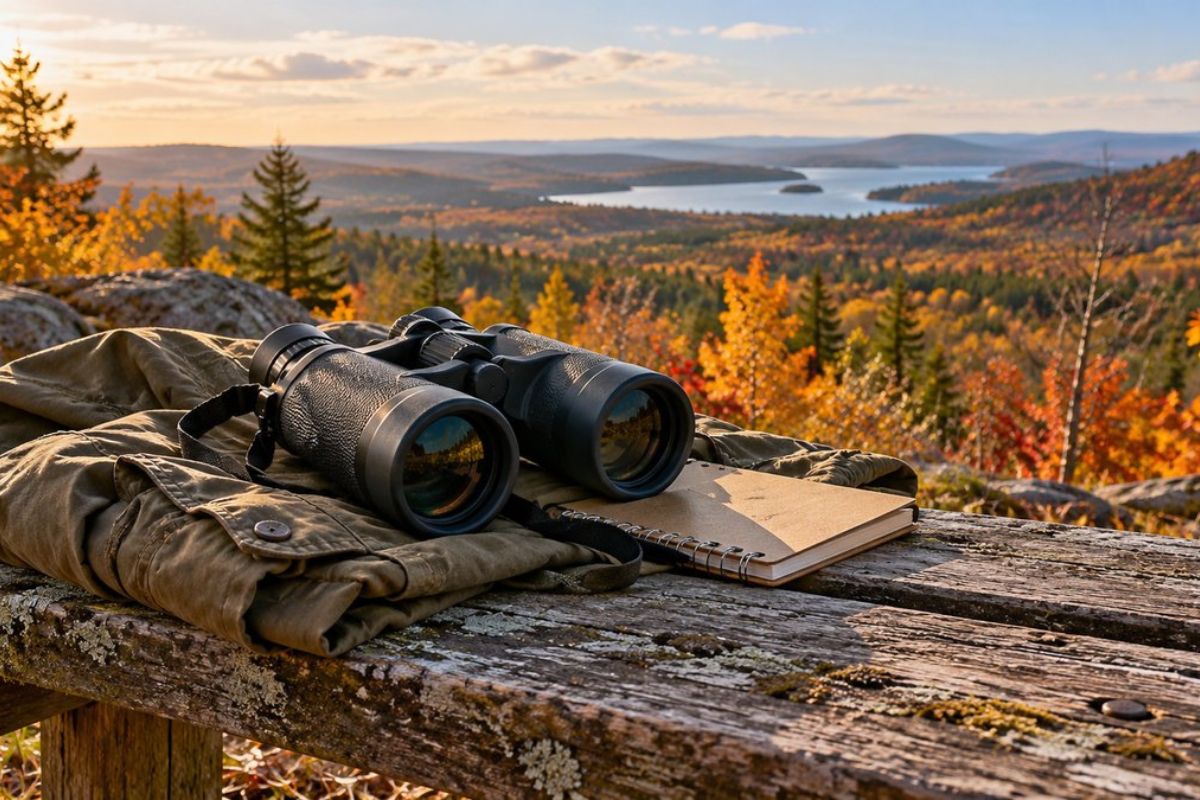
A Quieter Carry: Organize Your Hunting Binoculars and Field Notes
A zipper catches your glove. A loose buckle taps
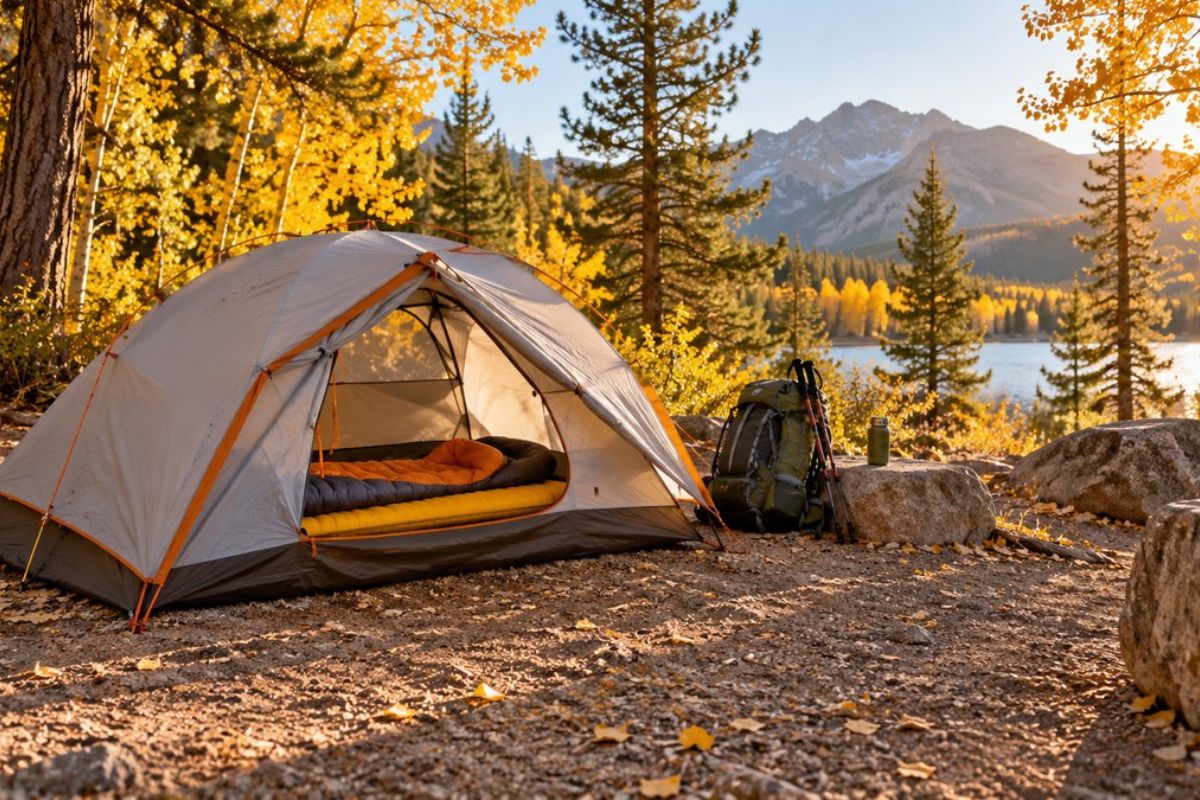
Cold at 3 A.M.? Rethink Your Fall Camping Sleep System
The evening was perfect. Dinner tasted better outdoors, the
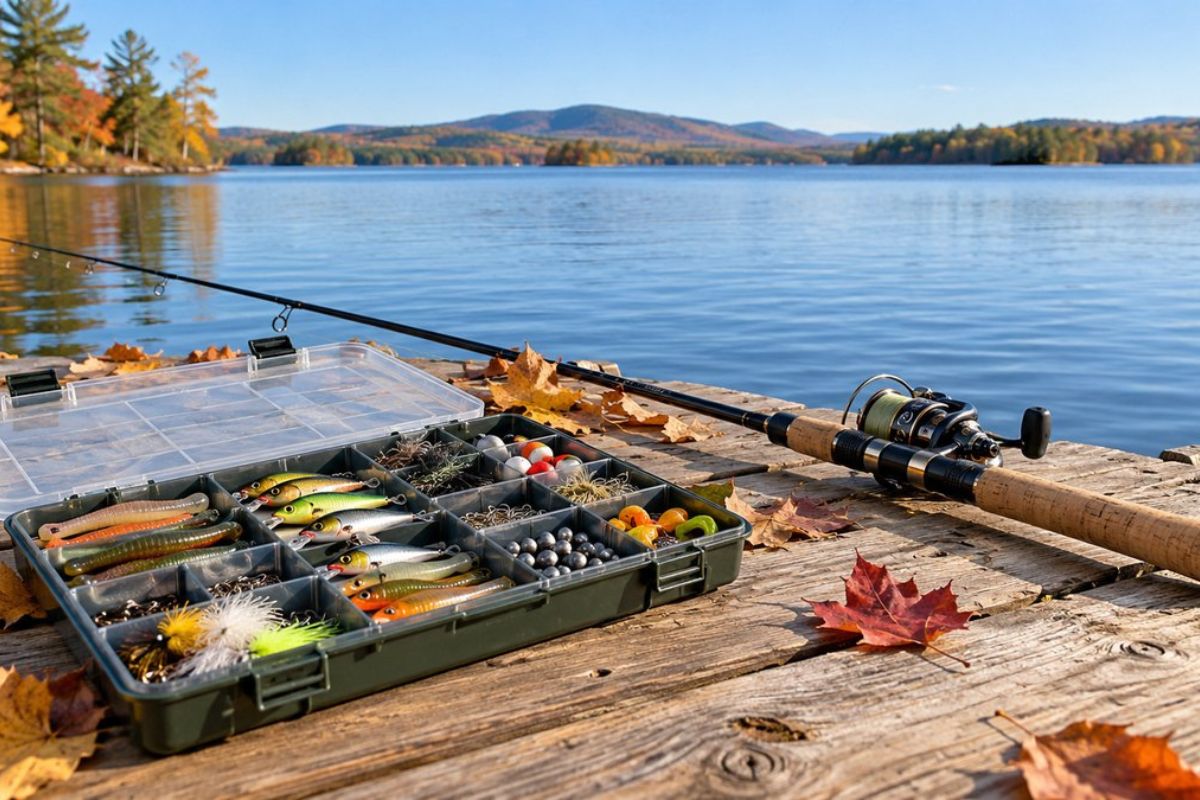
The Fall Tackle Box Reset: Pack for the Water in Front of You
Somewhere beneath the spare hooks and mystery soft plastics
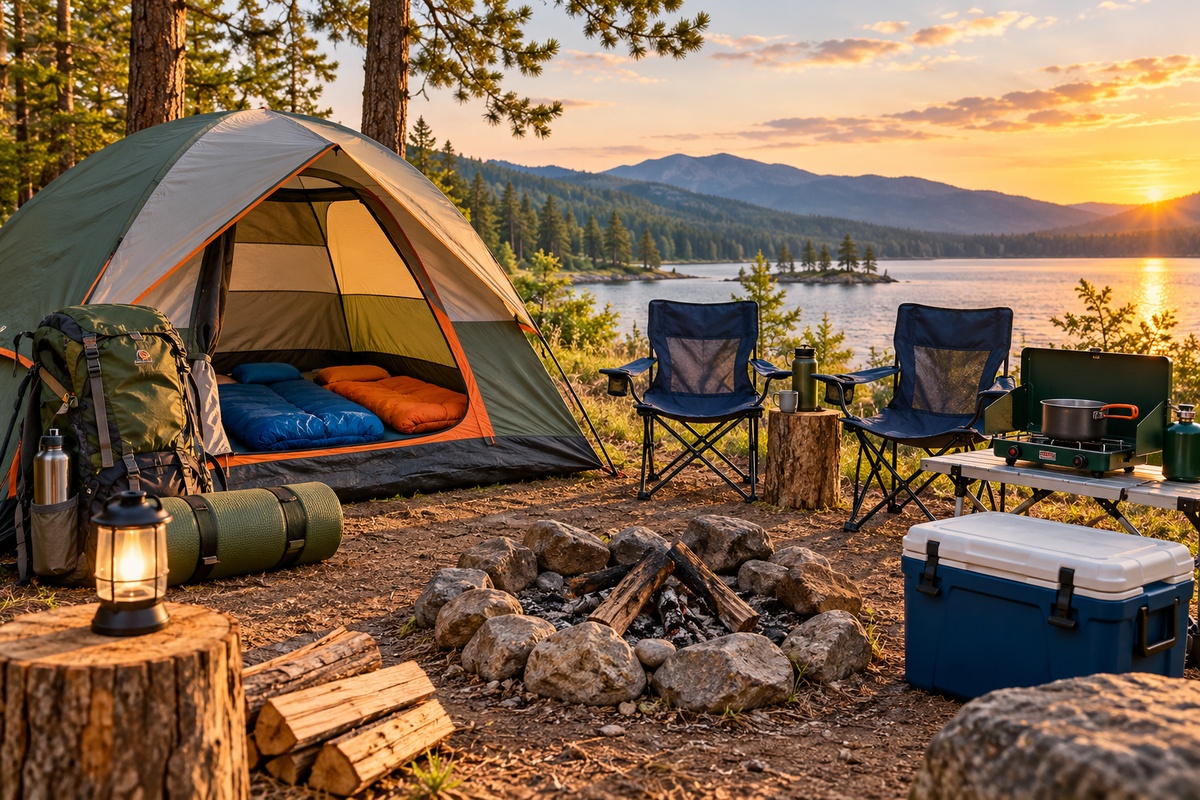
Camping Checklist: What You Really Need for Your Trip
Whether it's your first camping trip or you are a
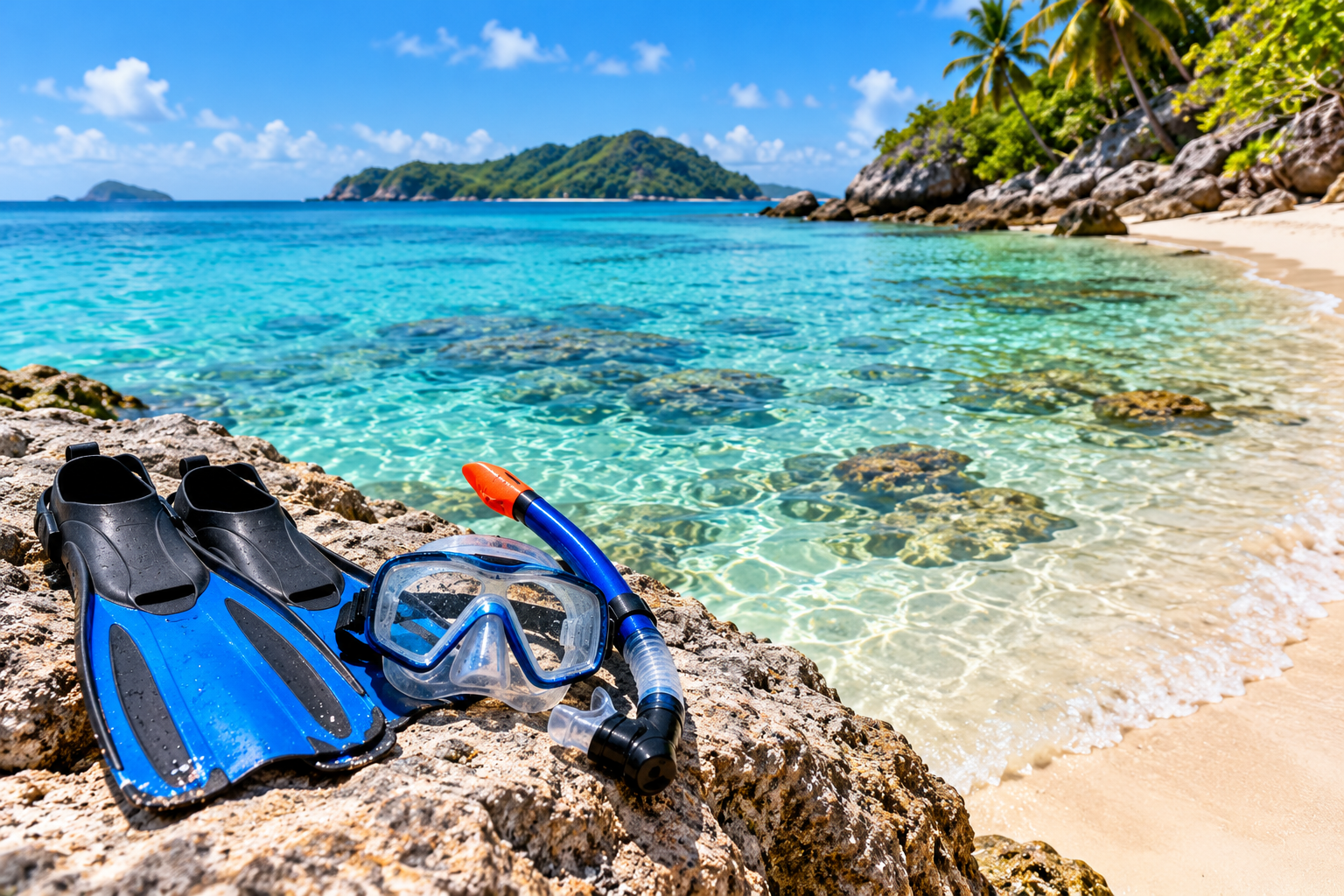
Best Snorkeling Destinations during Winter Months for Beginners
Snorkeling in a warm location is one of the easiest
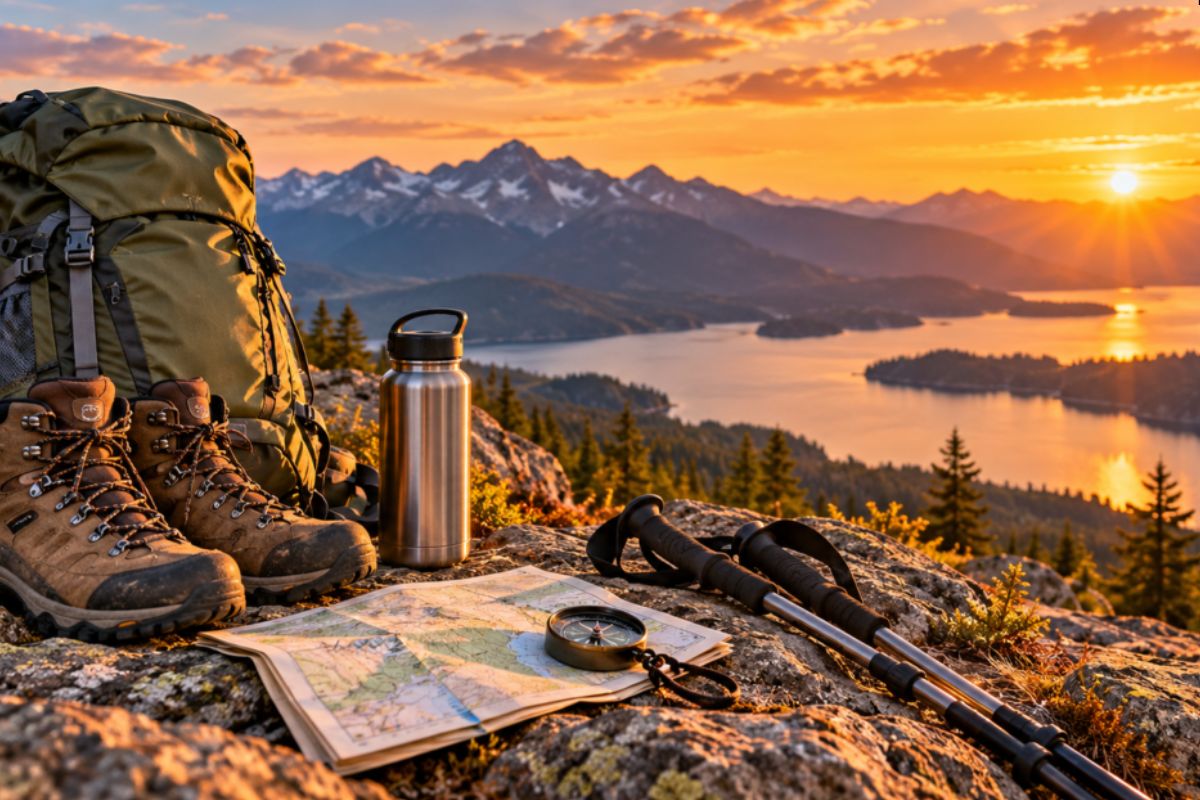
Adventure Starts with Having the Right Gear
There’s something exciting about getting ready for a new