Small Game vs Big Game Hunting
What Counts as Big Game
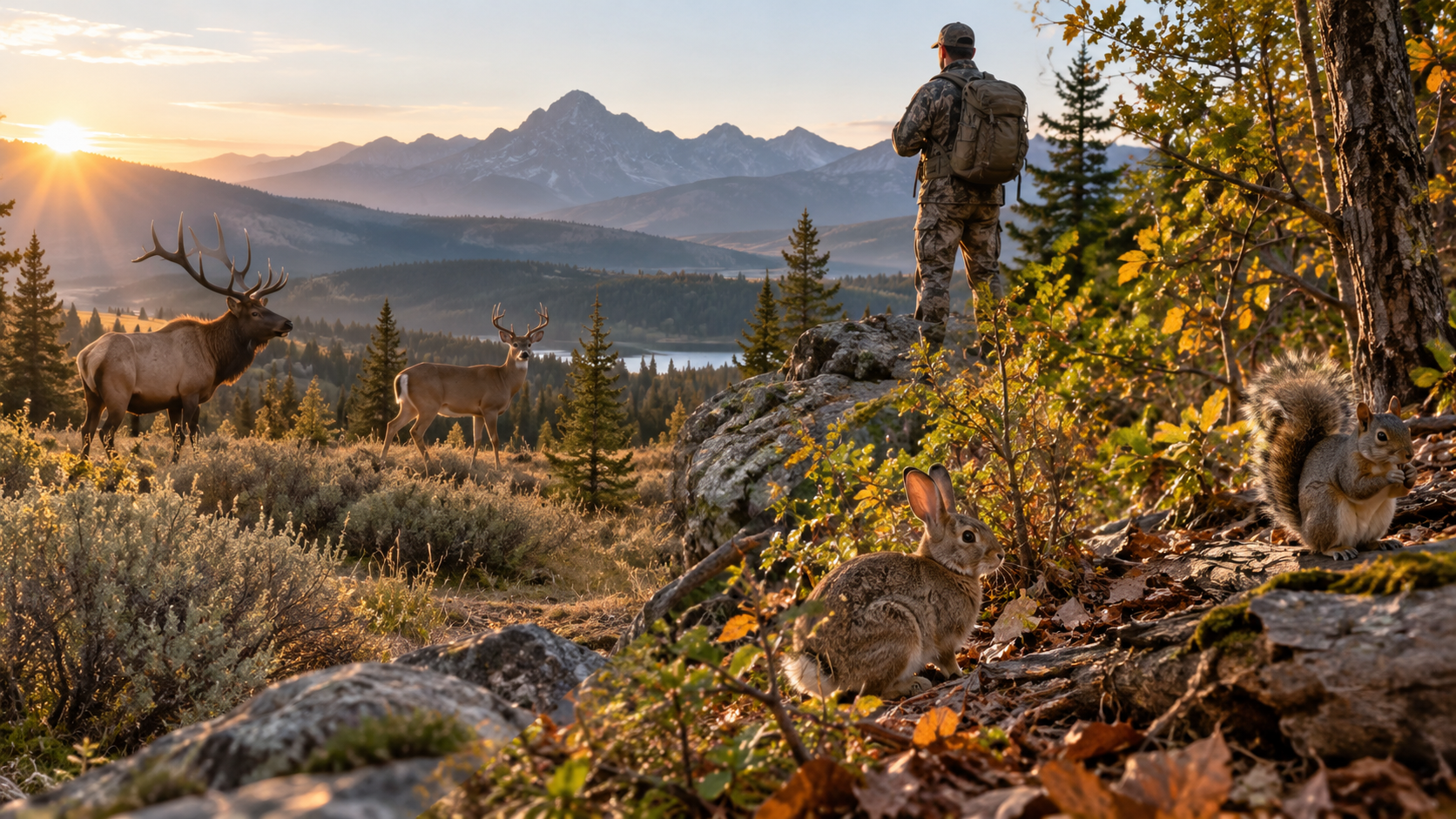
Big-game animals are usually larger mammals that are closely managed by state wildlife agencies. Common examples include deer, elk, pronghorn, moose, bear, mountain goat, and wild sheep, although the exact list depends on the state. Licenses may be limited in some areas because wildlife managers watch herd size, habitat, and long-term population goals.
A big-game trip often takes more planning than a simple day hunt. Hunters may need to apply for a license months before the season, study large maps, arrange travel, and prepare for changing mountain or backcountry weather. Some hunters wait years for certain limited licenses, while other areas offer more regular hunting opportunities.
What Counts as Small Game
Small game commonly includes animals such as rabbits, hares, squirrels, and certain other species named in state rules. Small-game seasons can sometimes be longer than big-game seasons, giving hunters more days to spend outdoors. These hunts may also take place closer to towns, farms, forests, or other easy-to-reach land.
Small-game hunting can teach useful outdoor skills. Hunters learn to notice tracks, feeding signs, cover, movement, and small changes in habitat. Because a trip may require less travel and planning, small game can be one way for a new hunter to spend more time learning in the field.
Choosing the Type of Hunt That Fits You
Think about the amount of time, travel, and planning you want to put into the trip. A big-game hunt may involve several days away from home and a long wait for the right license. A small-game trip may work better when you have only a morning or afternoon and want to explore a nearby area.
The best choice also depends on the animals and places that interest you. Someone who loves high mountains may dream about elk, while another hunter may enjoy walking woods and farm edges looking for rabbits or squirrels. Both types of hunting can build patience and help people learn more about local wildlife.
Rules are a major difference too. Licenses, season dates, legal areas, limits, and other requirements can change by species and state. Never assume that the rules for one kind of game apply to another, even if both are hunted in the same area.
Small game and big game are simply two different ways to spend time hunting. One may involve a long trip and months of planning, while the other may fit into a single day close to home. The right choice is the one that matches your interests, experience, and the legal hunting opportunities where you live.
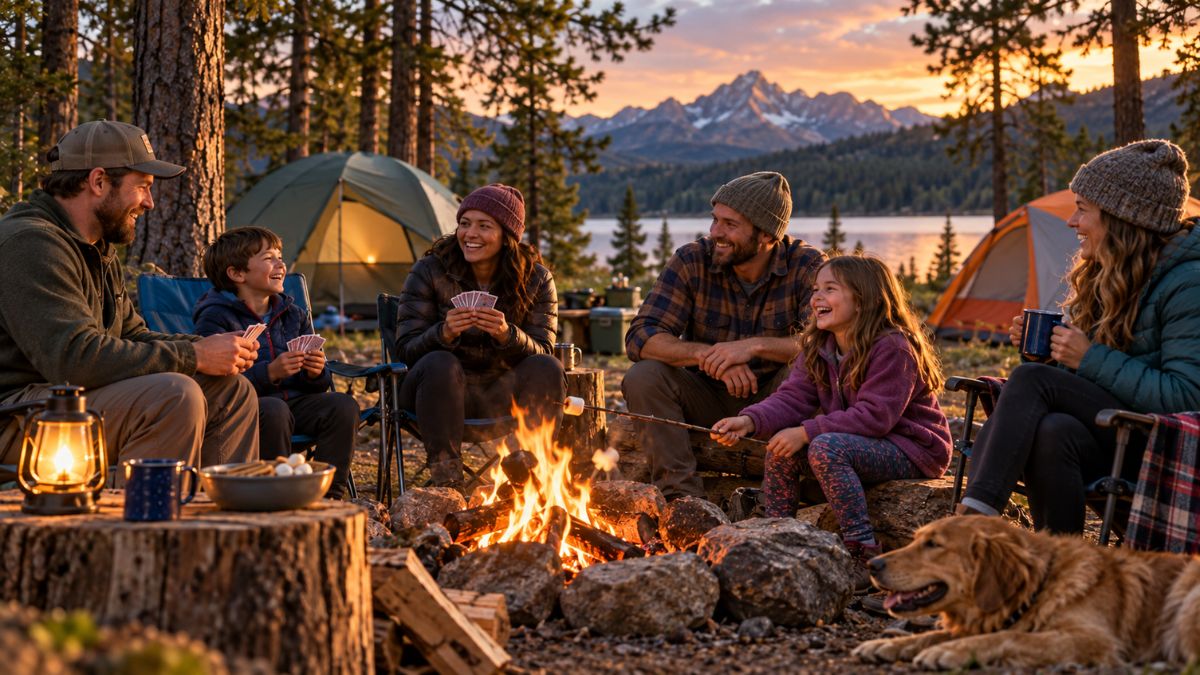
Fun Camping Activities for Families and Friends
A camping trip is about much more than sleeping
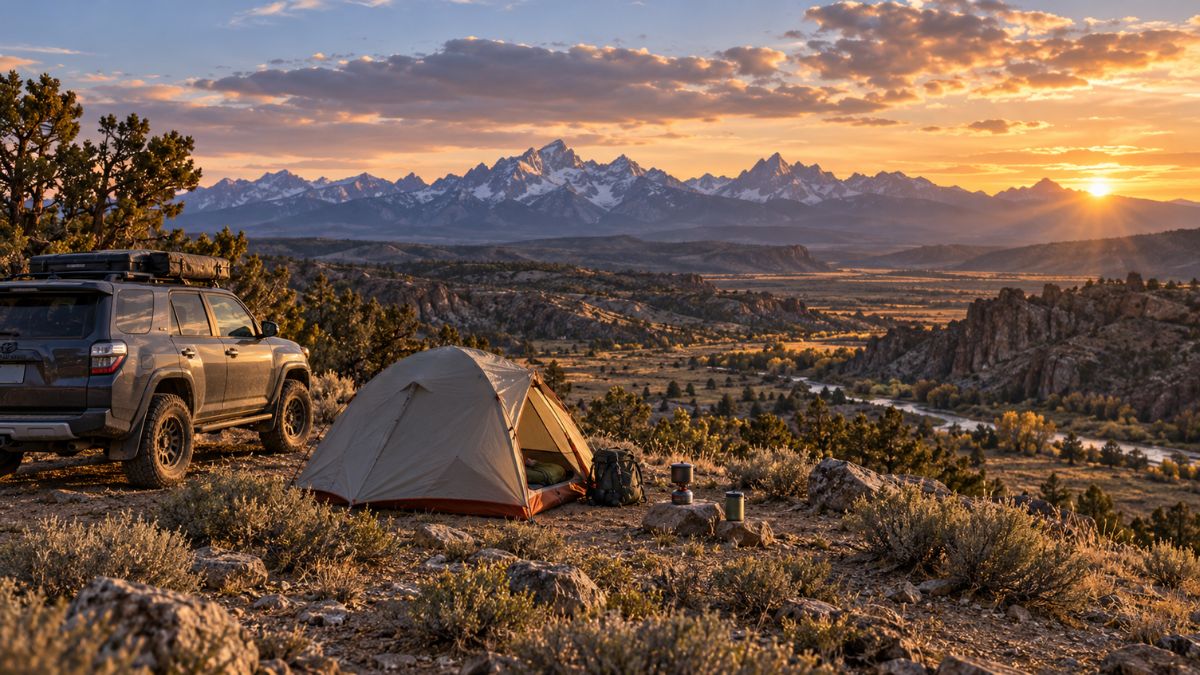
Best States for Dispersed Camping
Dispersed camping means camping outside a developed campground. You
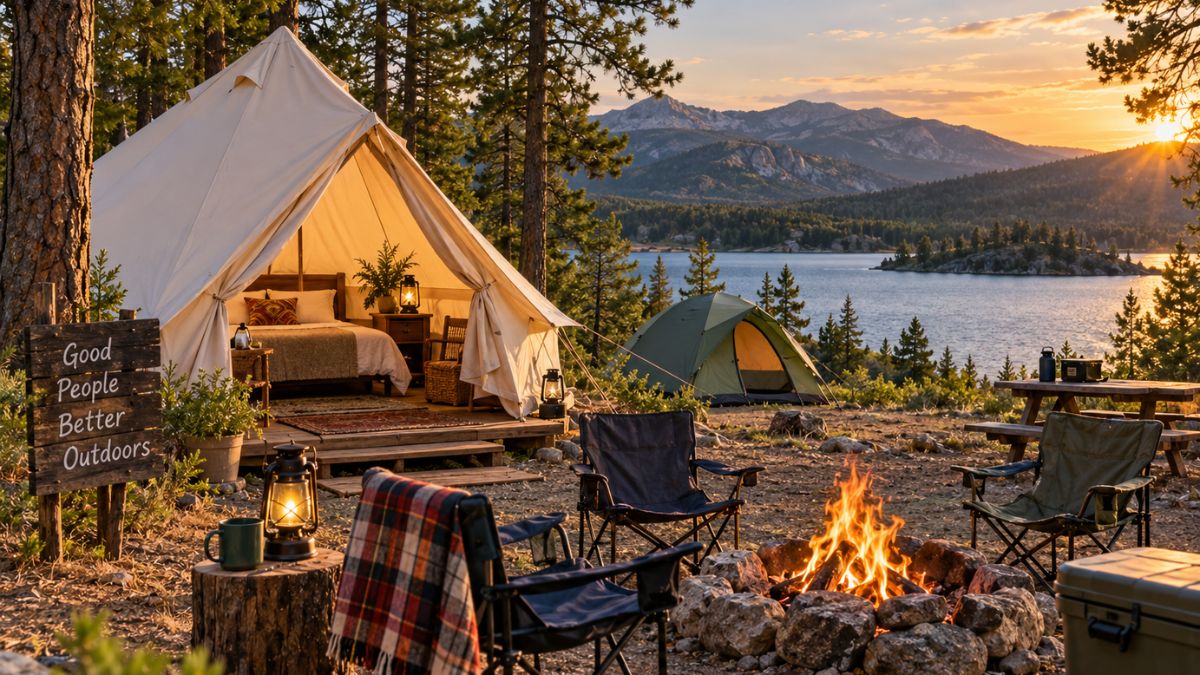
Glamping vs Camping vs Dispersed Camping
Camping can mean very different things to different people.
Great Lakes Fishing for Every Season
The Great Lakes are some of the best places to
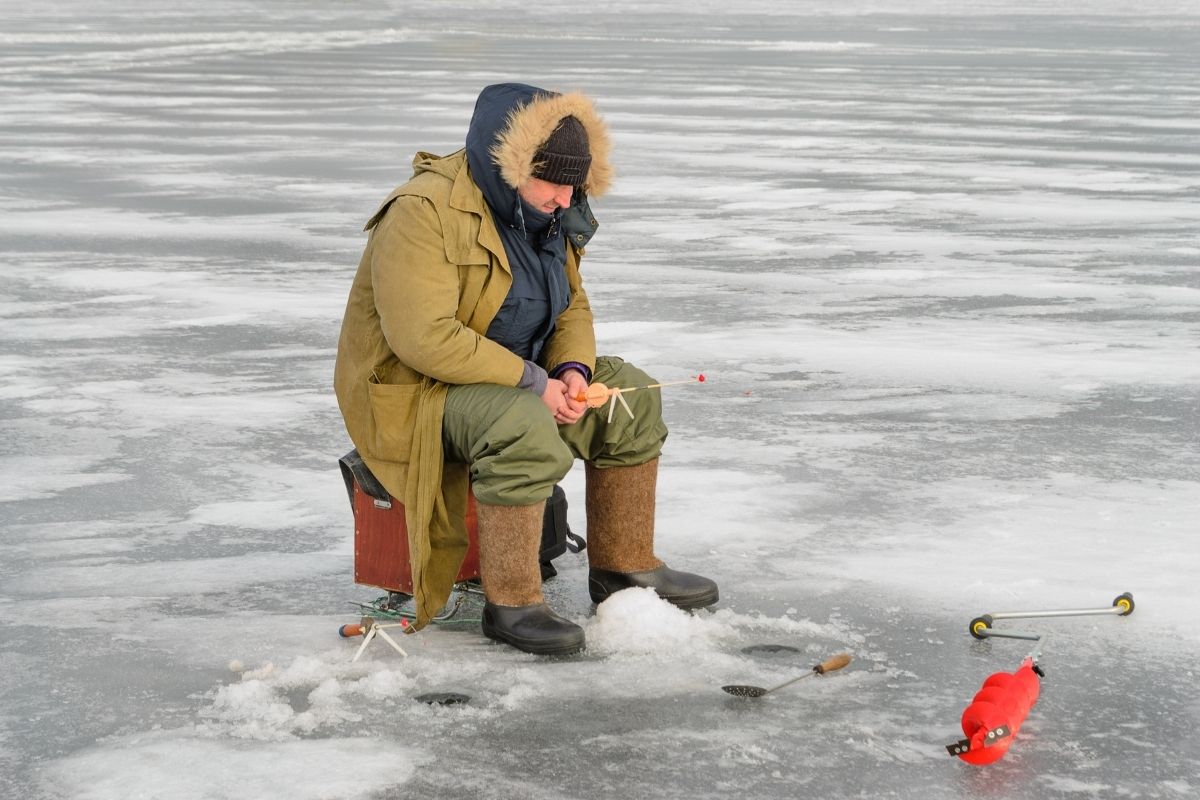
How to Ice Fish for Beginners: A Simple Guide to Getting Started
Ice fishing can look strange the first time you
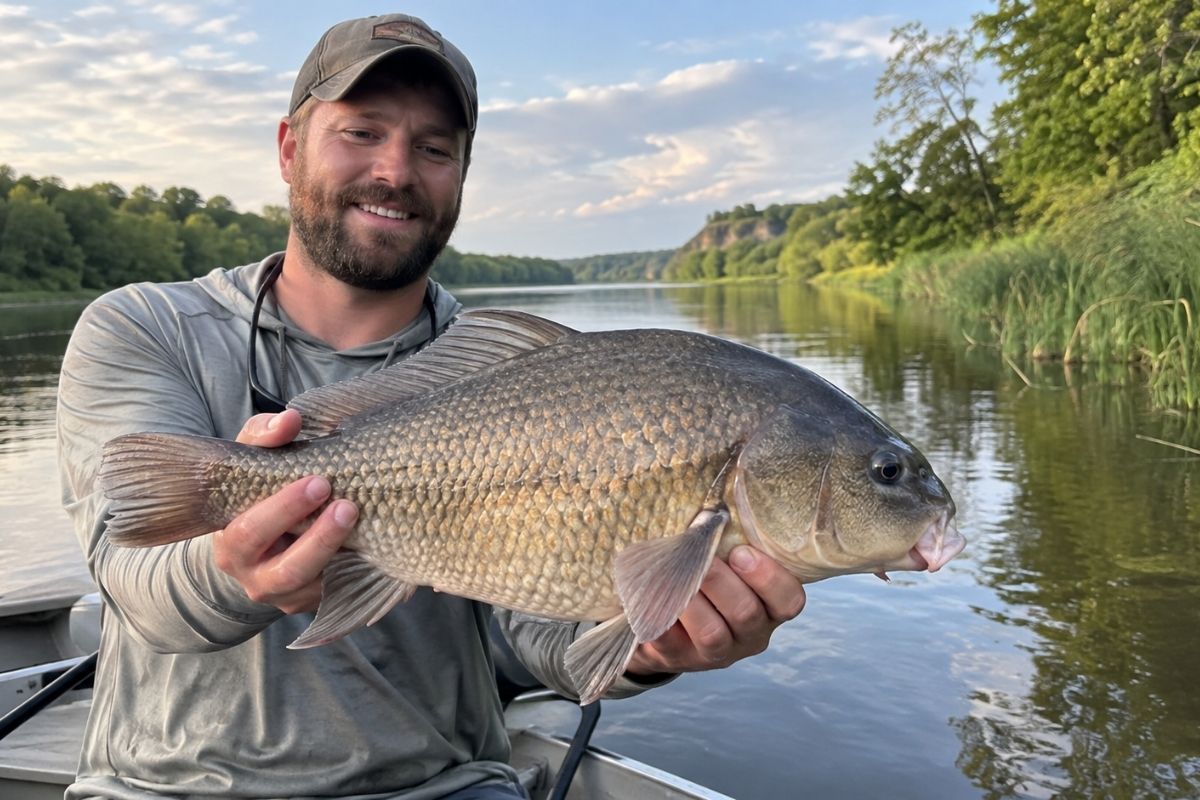
Rough Fish in Minnesota and the Upper Midwest
When many people think about fishing in Minnesota and