Snowmobile Safety Tips for Winter Riding
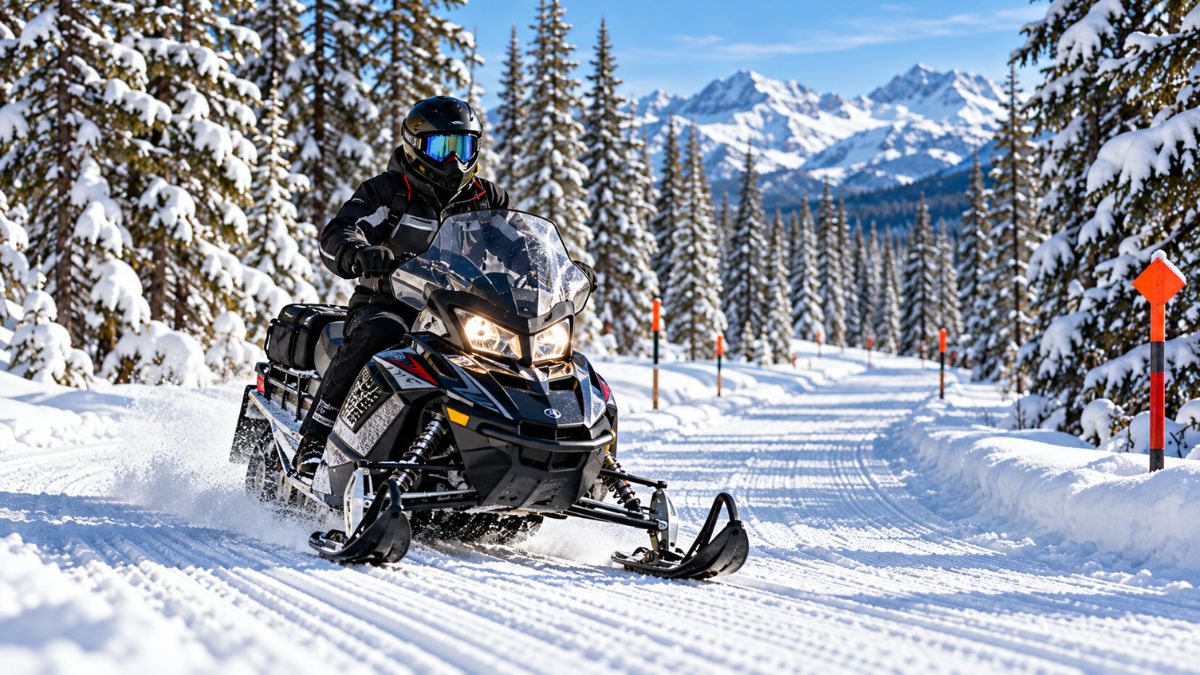
Many snowmobile problems happen because of speed, bad weather, poor trail conditions, alcohol, or riding in places that are not safe. Good safety habits can lower those risks. A safe ride starts before the engine is turned on.
Watch Your Speed Trees and Trail Conditions
Snow can hide rocks, stumps, holes, branches, and other objects. Trees beside a trail can become dangerous when a rider is going too fast to stop or turn. Slowing down gives you more time to see a problem and decide what to do.
Stay on marked trails when possible and pay attention to signs. Trails may be shared with other snowmobiles, skiers, walkers, or other winter users. Ride on the correct side of the trail and slow down near hills, corners, bridges, and places where you cannot see far ahead.
Alcohol Weather and Ice Can Change Everything
Alcohol and snowmobiles do not mix. Drinking can slow reaction time and make it harder to judge speed, distance, and danger. Riders should avoid alcohol before and during a ride so they can make clear decisions.
Weather can change quickly in winter. Wind, snow, fog, and falling temperatures can make trails hard to see and can make it easy to become lost or cold. Check the forecast and trail report before leaving, and turn around if the conditions become worse than expected.
Plan the Ride Before You Leave
Do not ride alone when you can avoid it. Another rider can help if a snowmobile breaks down or someone gets hurt. Tell someone where you plan to ride and when you expect to return. Wear a helmet and clothing made for cold, wind, and snow. Dress in layers and keep extra gloves or dry clothing with you if the trip is long. A basic first aid kit, water, food, phone, and map can also be useful on remote trails. Be very careful around lakes and rivers. Ice can look solid and still be weak, especially near moving water, pressure ridges, or changing weather. Check local ice conditions and never assume that old tracks mean the ice is safe.
Avalanche danger can matter in mountain areas. Riders heading into backcountry snow should check the local avalanche forecast, learn basic avalanche safety, and carry the proper rescue equipment. A transceiver, probe, and shovel only help if everyone in the group knows how to use them. Snowmobile safety is not about taking all the fun out of the ride. It is about giving yourself enough time and control to react when the trail changes. Good riders know when to slow down, turn around, or wait for a better day. A great snowmobile trip ends with everyone getting home safely. Check the weather, know the trail, stay sober, wear a helmet, and ride within your ability. The snow will still be there another day if the conditions are not right.

Best Amazon Cyber Monday Outdoor Deals
Cyber Monday is here, and it’s the perfect time for

Ice Fishing Fish Finder Guide
A clear, practical look at fish-finder styles, transducers, mounting and

How to Choose the Perfect Ice Fishing Rod
Ice fishing is all about balance—between sensitivity, strength, and comfort.

The Ultimate Guide to Ice Fishing Apparel: Layering for Warmth, Comfort & Safety
When it comes to ice fishing, the difference between an

Ice Fishing Lures 101: How to Choose the Best Bait for Every Condition
When winter locks lakes and ponds beneath a thick sheet

Best Ice Fishing Shelters: What to Know Before You Buy
Everything you should think about before buying an ice-fishing shelter