
Snowmobiling Safely: Essential Gear to Stay Warm, Protected, and Ready for the Ride

Snowmobiling is one of the most exciting ways to explore winter landscapes, offering speed, adventure, and access to areas that are otherwise unreachable during colder months. However, with that excitement comes real risks—from freezing temperatures and wind chill to changing terrain and limited visibility. Whether you’re a seasoned rider or new to the sport, wearing the right gear is critical to staying safe, warm, and comfortable throughout your ride. Proper snowmobiling gear not only enhances your performance but can also prevent injuries and protect you from extreme weather conditions.
Why Proper Snowmobiling Gear Matters
Snowmobiling exposes riders to subzero temperatures, high speeds, and unpredictable conditions. Wind chill alone can cause temperatures to feel dramatically colder, increasing the risk of frostbite and hypothermia. In addition, snow, ice, and low visibility can make riding more dangerous without proper protection. Investing in quality gear ensures you remain warm, dry, and protected, allowing you to focus on the ride instead of the cold.
Helmet: Your Most Important Safety Essential
A helmet is the single most important piece of snowmobiling safety gear. Snowmobile-specific helmets are designed to provide insulation, impact protection, and compatibility with cold-weather accessories. Full-face helmets are especially popular because they shield your face from wind, snow, and debris. Look for a helmet that fits snugly, meets safety standards, and offers adequate ventilation to reduce fogging without letting cold air in.
Goggles or Visor: Clear Vision in All Conditions
Clear visibility is essential when navigating snowy trails or open terrain. Snowmobile goggles or helmet visors protect your eyes from wind, snow, and glare while improving contrast in flat-light conditions. Anti-fog lenses, UV protection, and proper ventilation are key features to look for. Some riders also choose heated or dual-pane lenses for added fog resistance in extreme cold.
Insulated Snowmobile Jacket and Bibs
Your outerwear plays a major role in keeping you warm and dry. A high-quality snowmobile jacket should be windproof, waterproof, and insulated without being overly bulky. Snowmobile bibs or pants provide additional protection by sealing out snow and preventing cold air from entering at the waist. Look for gear with reinforced panels, adjustable vents, and reflective elements for added safety.
Base Layers and Mid Layers for Warmth
Staying warm isn’t just about your outer layer—it starts with proper base and mid layers. Moisture-wicking base layers help regulate body temperature by keeping sweat away from your skin, while insulating mid layers trap heat. Avoid cotton, as it holds moisture and can make you colder. Instead, choose materials like merino wool or synthetic fabrics designed for cold-weather activity.
Gloves and Mitts: Protecting Your Hands
Cold hands can quickly ruin a snowmobiling trip. Snowmobile gloves or mitts should be insulated, waterproof, and flexible enough to maintain control of the handlebars. Some riders prefer mitts for added warmth, while others opt for gloves with better dexterity. Heated gloves or handlebar warmers can provide extra comfort during long rides in extreme cold.
Boots: Warm, Dry, and Supportive
Snowmobile boots are designed to keep your feet warm and dry while providing traction and support. Look for boots with thick insulation, waterproof materials, and sturdy soles for walking on icy surfaces. Proper boots also help prevent frostbite and keep your feet comfortable during extended time on the trail.
Neck Warmers, Balaclavas, and Face Protection
Exposed skin is vulnerable to wind burn and frostbite. Neck warmers, balaclavas, and face masks provide an extra layer of protection for your neck, face, and chin. These accessories help seal gaps between your helmet and jacket, keeping cold air out and warmth in.
Safety and Emergency Gear
In addition to clothing, carrying essential safety gear is critical—especially when riding in remote areas. Items such as a first aid kit, GPS or trail map, flashlight, and communication device can make a big difference in an emergency. Avalanche beacons, probes, and shovels are also important for riders traveling in mountainous or backcountry terrain.
Snowmobiling is an incredible winter activity, but preparation is key to enjoying it safely. Wearing the right gear helps protect you from harsh weather, reduces the risk of injury, and ensures a more comfortable and enjoyable experience. From helmets and goggles to insulated clothing and emergency essentials, every piece of gear plays an important role. By investing in quality snowmobile gear and dressing for the conditions, you can ride with confidence and make the most of every winter adventure.
A Quieter Carry: Organize Your Hunting Binoculars and Field Notes
A zipper catches your glove. A loose buckle taps
Cold at 3 A.M.? Rethink Your Fall Camping Sleep System
The evening was perfect. Dinner tasted better outdoors, the
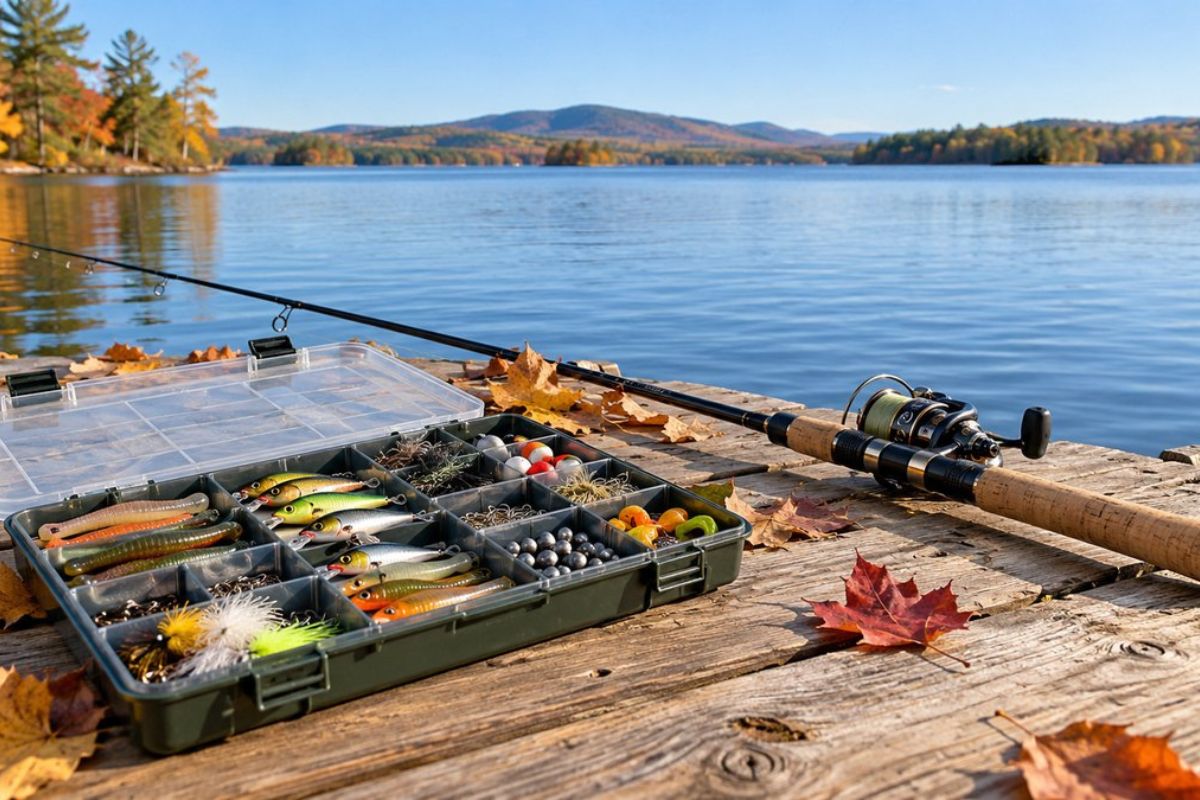
The Fall Tackle Box Reset: Pack for the Water in Front of You
Somewhere beneath the spare hooks and mystery soft plastics
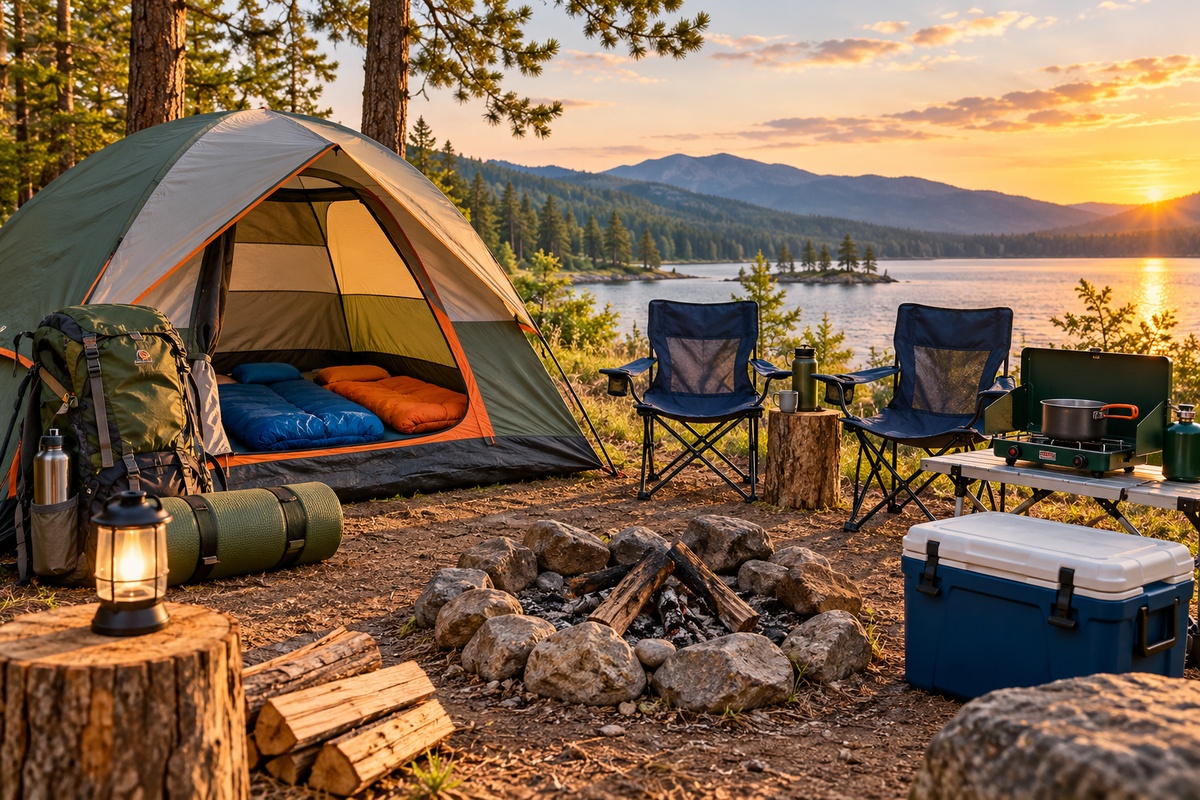
Camping Checklist: What You Really Need for Your Trip
Whether it's your first camping trip or you are a
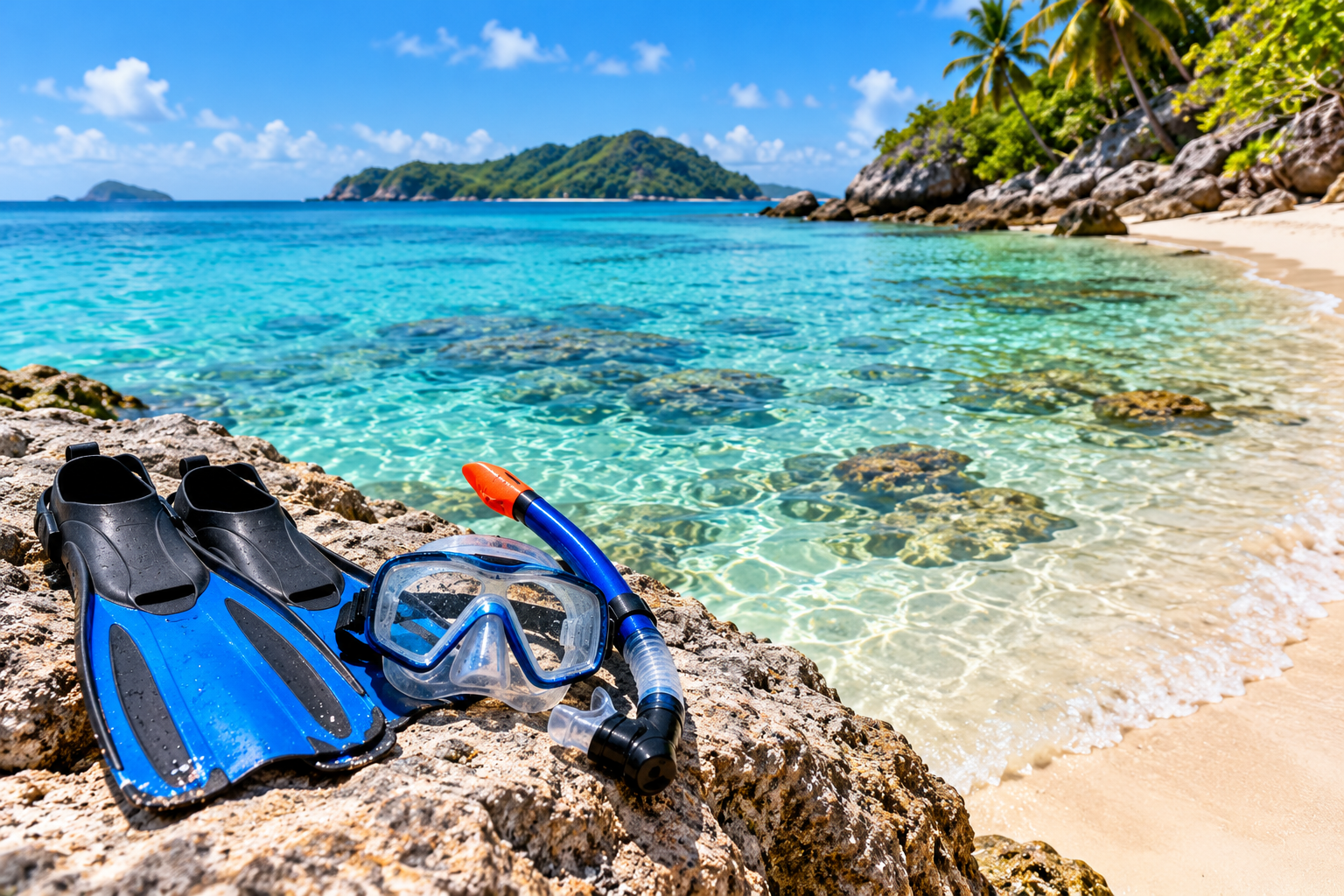
Best Snorkeling Destinations during Winter Months for Beginners
Snorkeling in a warm location is one of the easiest
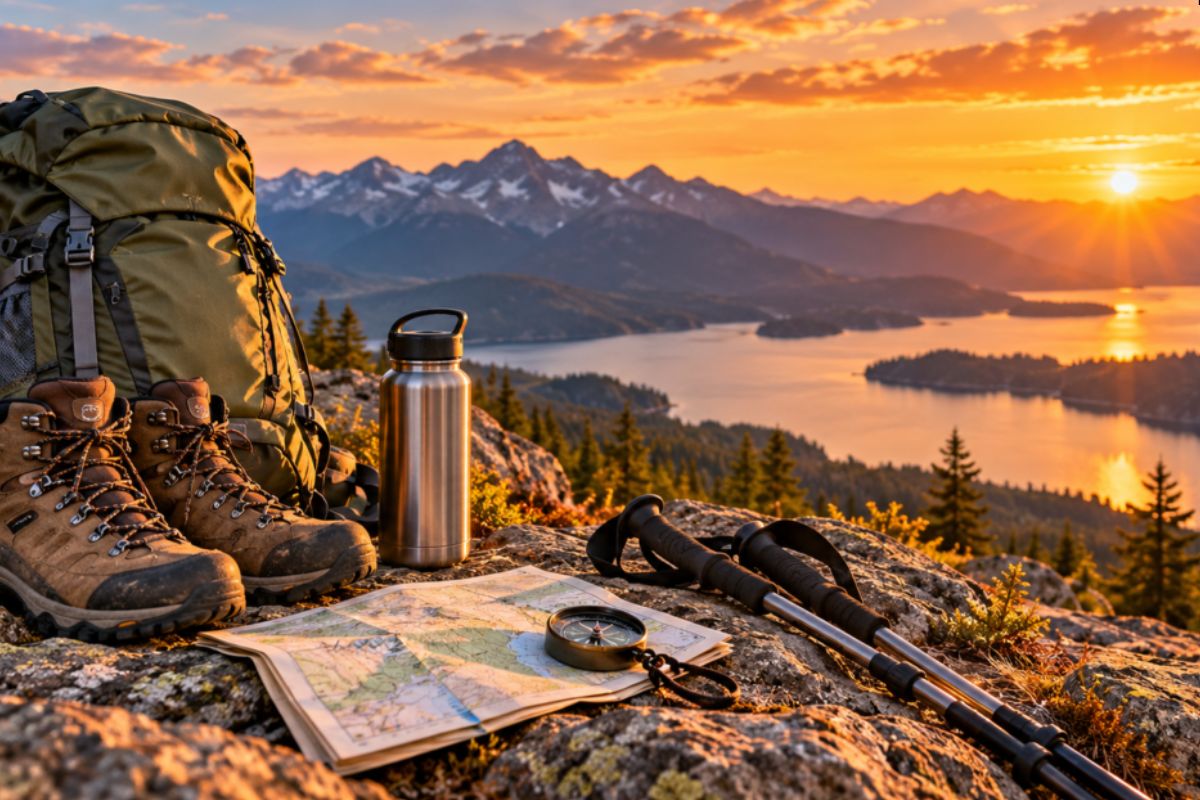
Adventure Starts with Having the Right Gear
There’s something exciting about getting ready for a new