Venturing into the great outdoors can be intimidating for beginners, but mastering a few foundational survival skills can boost your confidence. Combining bushcraft, trapping, and shelter-building techniques provides a holistic approach to surviving and thriving in the wilderness. Here’s a step-by-step guide to help you get started.
Step 1: Understand Bushcraft Basics
Bushcraft is the foundation of survival. It involves mastering essential skills such as fire starting, navigation, and using natural resources efficiently. Start by learning to build and maintain a fire using tools like a ferro rod or flint and steel. Practice this skill in different conditions—rain, wind, and dry weather—to build your confidence.
Carry essential gear, such as a sturdy knife, multi-tool, and fire-starting materials, in your survival kit. Additionally, familiarize yourself with your environment by studying the local flora and fauna. This knowledge is crucial when identifying edible plants, herbal remedies, or crafting tools from the wild.
Step 2: Learn Trapping Techniques
Trapping is a vital skill for securing food in a survival scenario. Begin with simple snare traps, as these are effective and require minimal materials. Research the types of animals in your area and the traps that work best for them. For example, use baited traps for small mammals or fish traps for streams and rivers.
When practicing trapping, follow ethical and local wildlife guidelines. Trapping isn’t just about survival—it also teaches patience, strategy, and respect for nature.
Step 3: Master Shelter Building
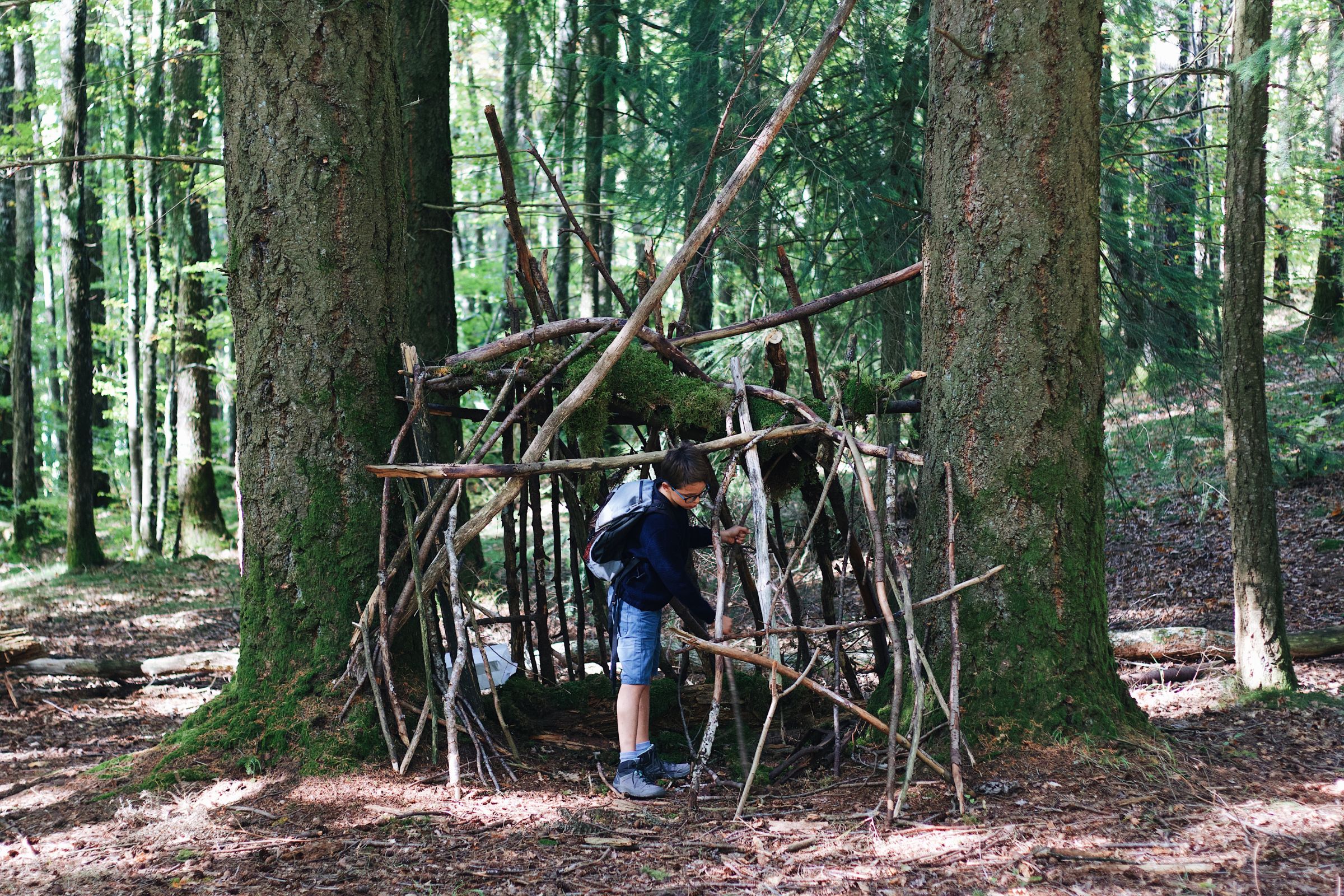
A sturdy shelter can protect you from harsh weather, predators, and insects. Learn to build basic shelters such as lean-tos, A-frames, or debris huts. Select a safe and strategic location—look for high ground, natural barriers, and proximity to resources like water.
Begin with natural materials like branches, leaves, and pine boughs to insulate and waterproof your shelter. For advanced setups, combine tarp or poncho materials with natural elements for added durability.
Step 4: Combine Skills for Real Scenarios
Practice integrating these skills into mock survival scenarios. For instance, simulate spending a night in the wilderness: build a shelter, set traps, and start a fire. These exercises reinforce your skills and prepare you for real-life situations.
With the right mindset and preparation, survival skills like bushcraft, trapping, and shelter building can transform your outdoor adventures into confident and rewarding experiences. Keep practicing, and remember—nature is your ally, not your enemy.