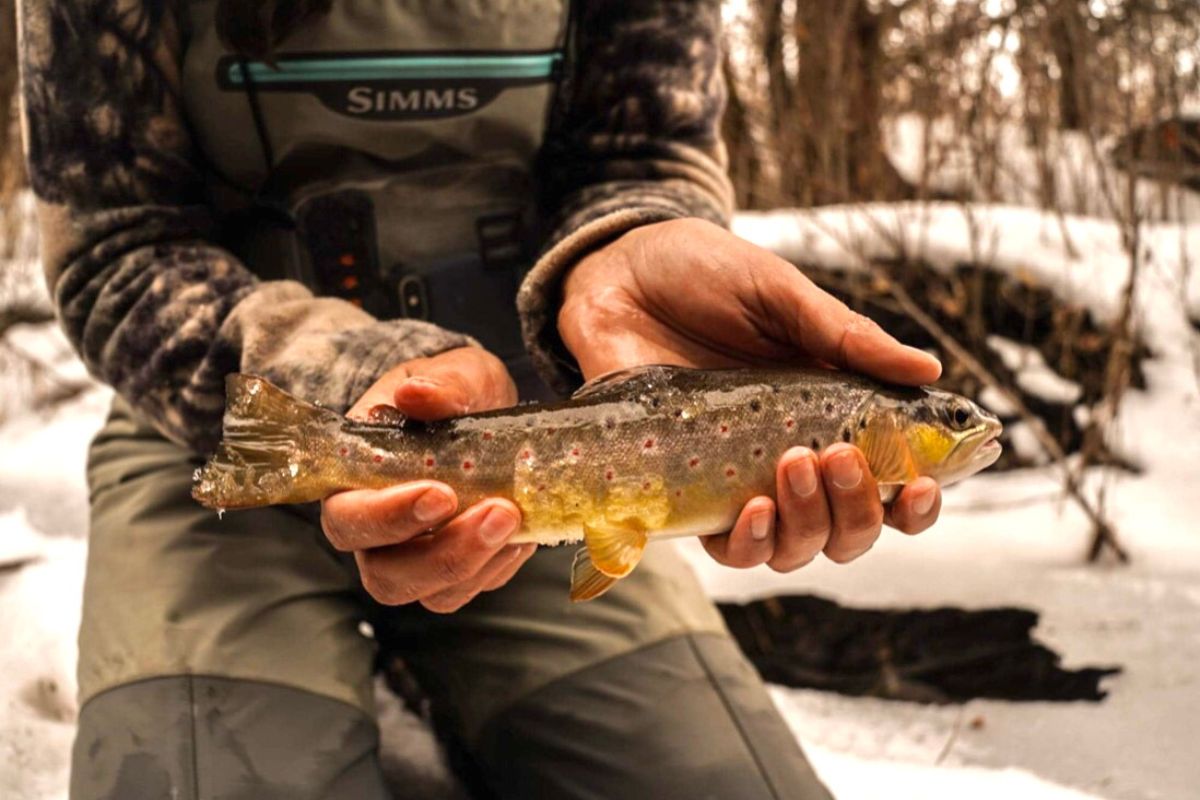
The Art of Foraging: Identifying Edible Herbs and Plants in the Wild
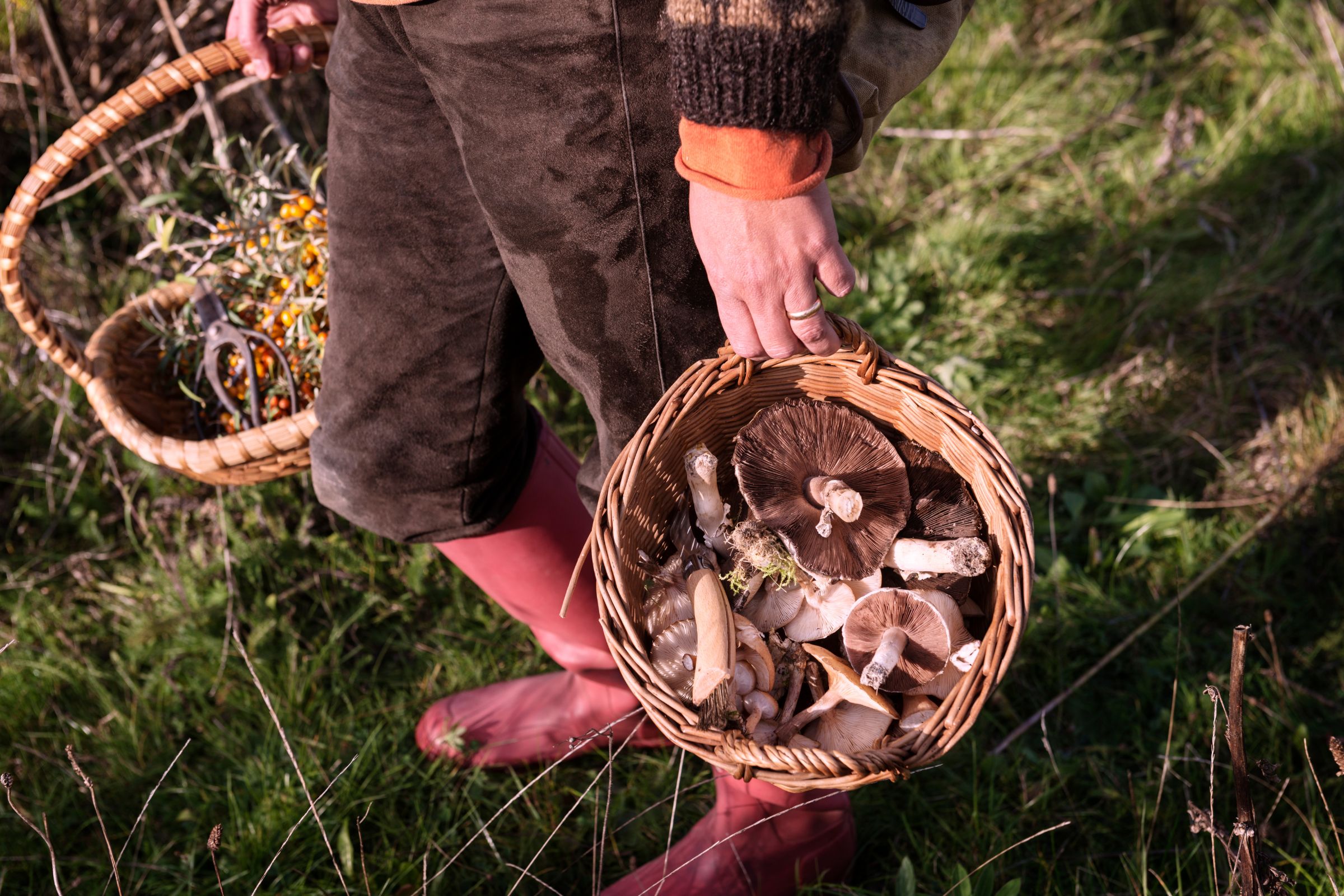
Foraging is an ancient skill that connects us to the natural world, providing sustenance and medicinal remedies directly from the wild. In today’s survival and outdoor lifestyle, mastering the art of foraging can be both practical and rewarding. Whether you’re exploring bushcraft, enhancing your survival toolkit, or simply looking to supplement your diet, knowing how to safely identify edible herbs and plants is essential.
Why Foraging Matters
Foraging is more than just gathering food—it’s about understanding ecosystems and living sustainably. In survival scenarios, foraging can provide essential nutrients when trapping or hunting isn’t an option. For recreational foragers, it offers a chance to appreciate seasonalities and reconnect with nature.
Foraging Basics
Before you venture into the wild, equip yourself with a guide to local flora. Comprehensive herb and botany guides will help you identify safe, edible options and steer clear of toxic lookalikes. It’s also wise to familiarize yourself with the seasonal availability of different plants.
- Safety First: Always cross-reference plants with multiple sources before consuming. A misidentification could lead to severe illness.
- Ethical Foraging: Never strip an area of its resources. Take only what you need and leave enough for the ecosystem to regenerate.
Identifying Edible Plants
- Herbs: Common edible herbs like dandelion, plantain, and clover are found in diverse environments. They can be used in teas, salads, or even as medicinal poultices.
- Wild Greens: Purslane, nettle, and chickweed are rich in vitamins and often available during spring and summer.
- Roots and Tubers: Look for cattail or wild onions—nutritious options for cooking or survival meals.
- Berries: Blueberries, blackberries, and elderberries are delicious and nutrient-dense but ensure proper identification to avoid toxic counterparts.
Foraging Gear
Invest in practical tools such as a foraging basket, gloves, and a field knife. A compact field guide or a plant-identification app can also be invaluable.
Using Your Foraged Finds
Foraged plants can be consumed fresh, cooked, or dried for future use. Herbs like wild mint and sage enhance meals, while nettles and chamomile make excellent teas.
Seasonal Awareness
Understanding plant life cycles is critical. Spring and summer offer an abundance of fresh greens, while autumn is ideal for roots and nuts.
Foraging combines survival skills, bushcraft, and botany. With preparation, gear, and knowledge, you can confidently gather wild herbs and plants to enrich your outdoor adventures. Always forage responsibly and savor the connection to the natural world.


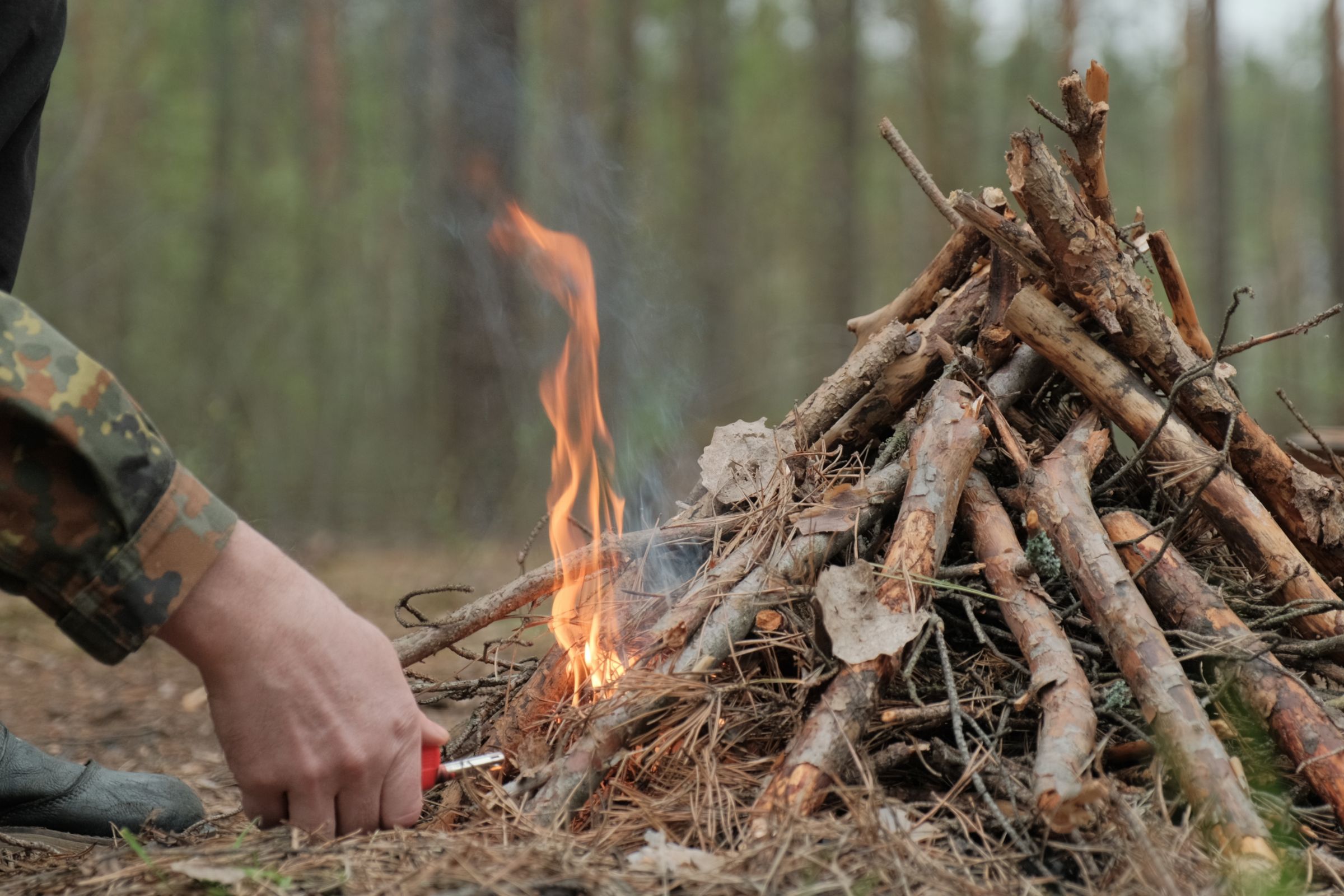
Fire Starting 101: Techniques for Any Survival Situation
Fire starting is one of the most essential survival skills,
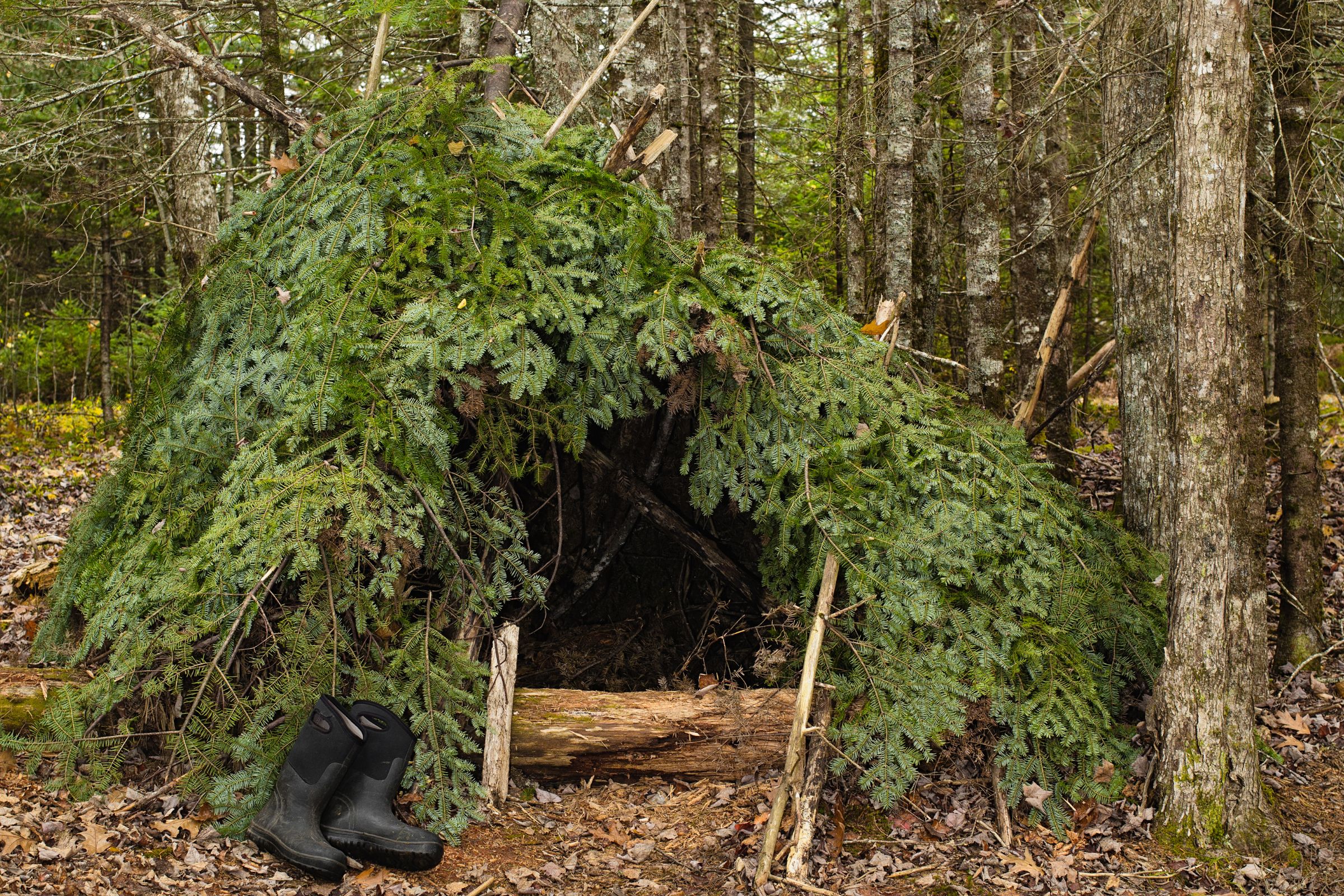
Top Survival Shelters for Every Season and Environment
When survival is the goal, a shelter becomes your lifeline.
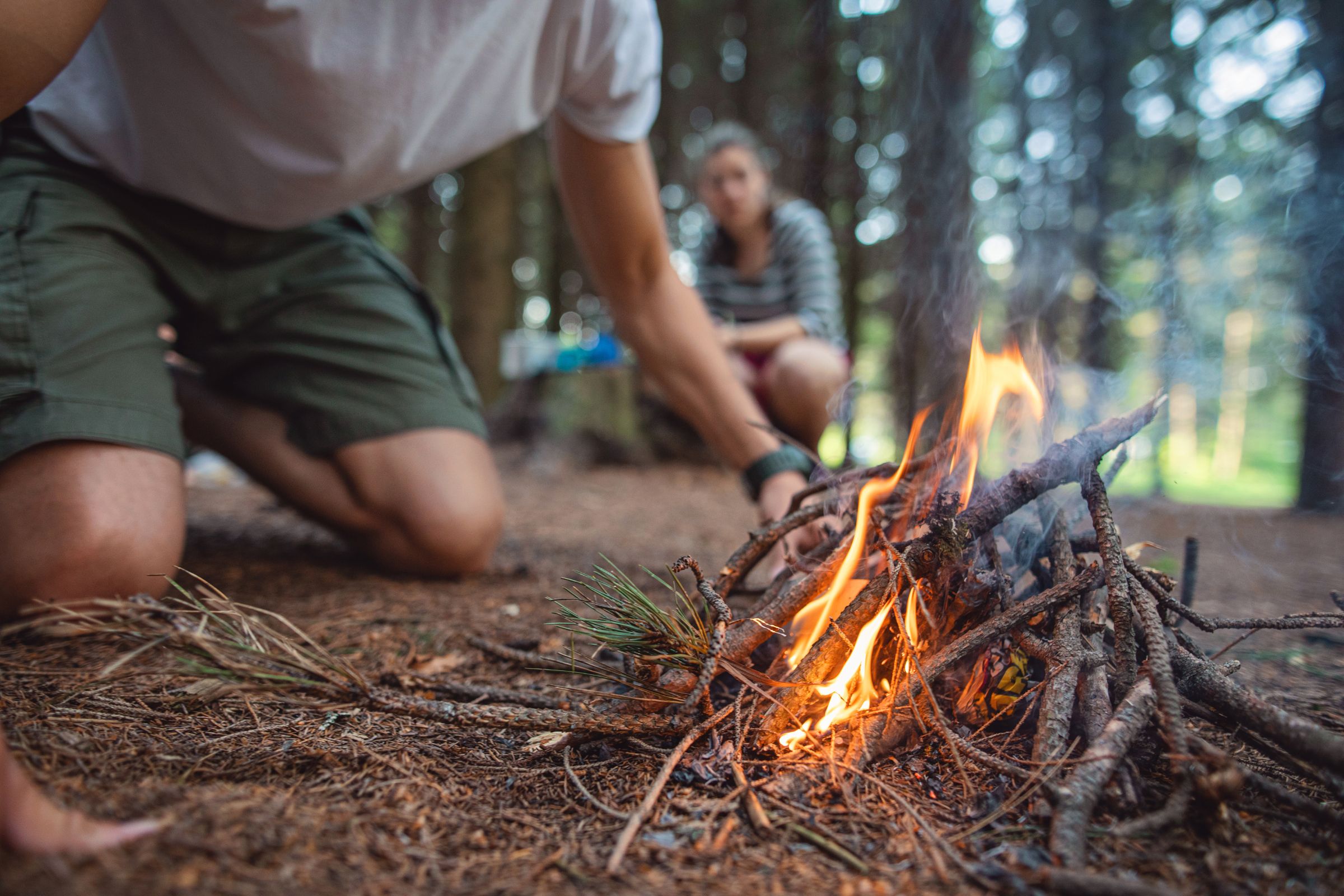
Bushcraft Basics: Essential Survival Skills for the Wilderness
Bushcraft is the art of using natural resources to survive
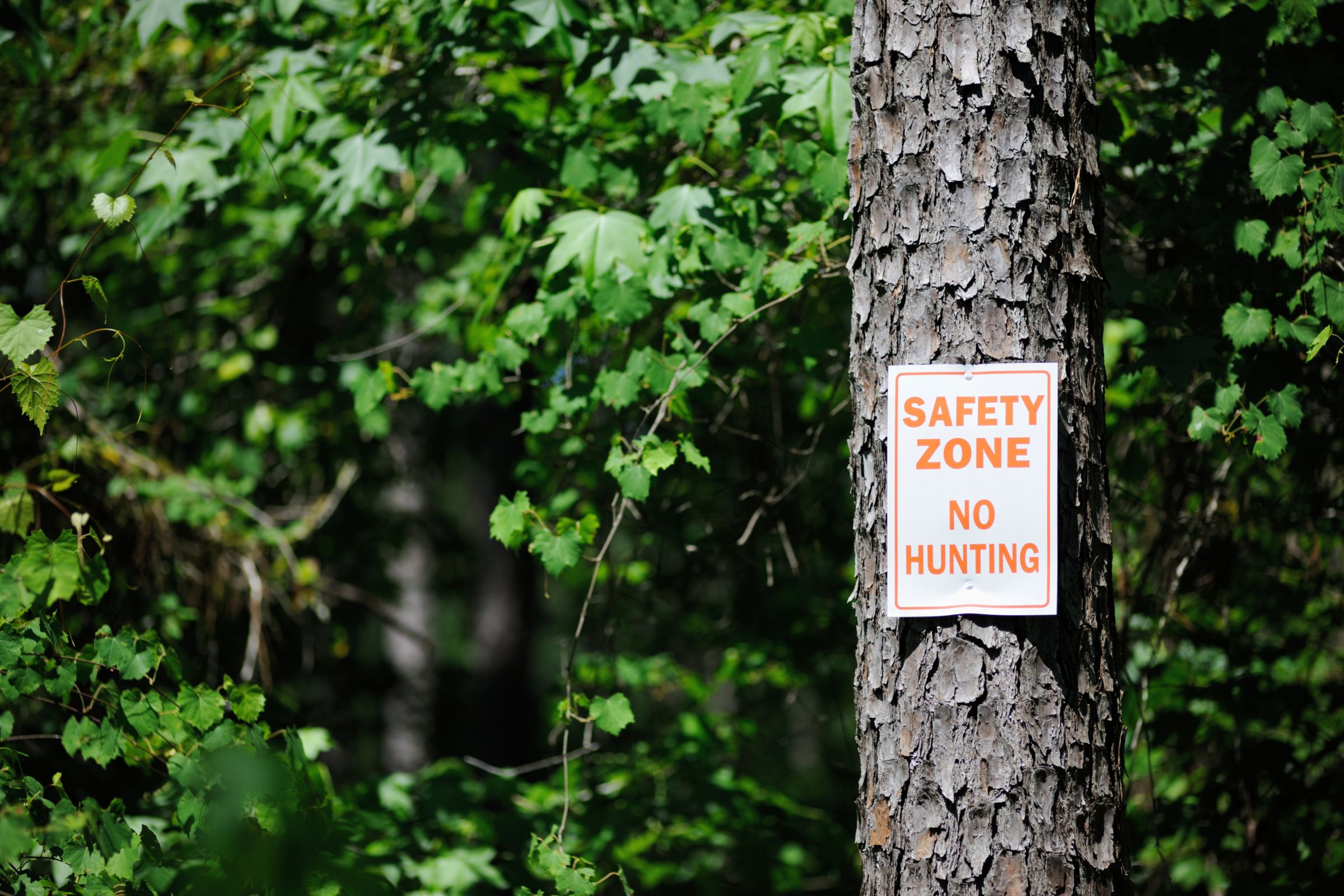
Hunting Safety Essentials: Tips for a Successful and Secure Trip
Hunting is a rewarding outdoor activity, but it comes with
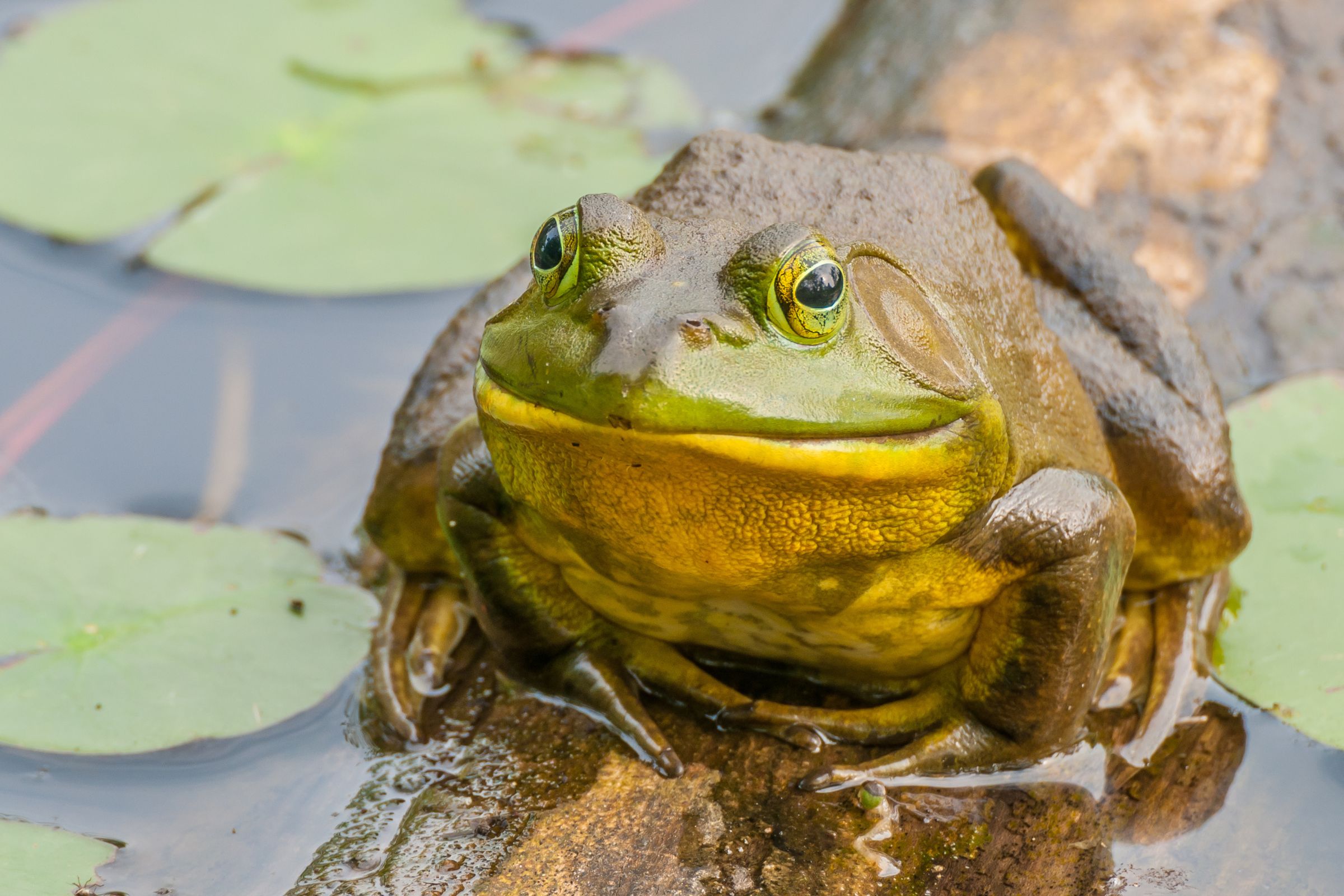
Exotic Hunting Adventures: Alligator, Snake, and Bullfrog Hunting
For hunters looking to step outside traditional game species like
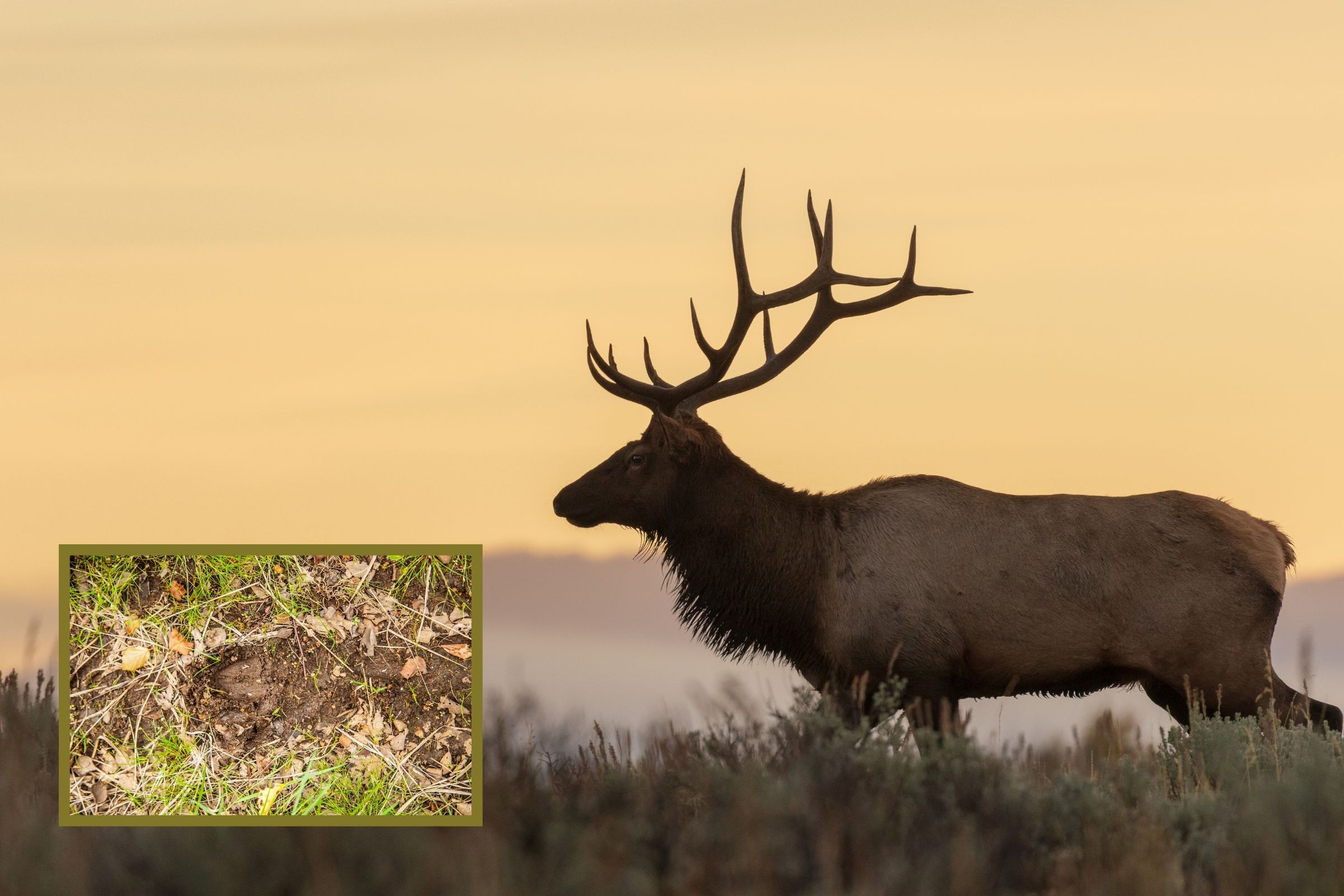
The Art of Tracking: Mastering Skills for Deer and Elk Hunting
Tracking is an essential skill for hunters, particularly when pursuing