The Art of Tracking: Mastering Skills for Deer and Elk Hunting
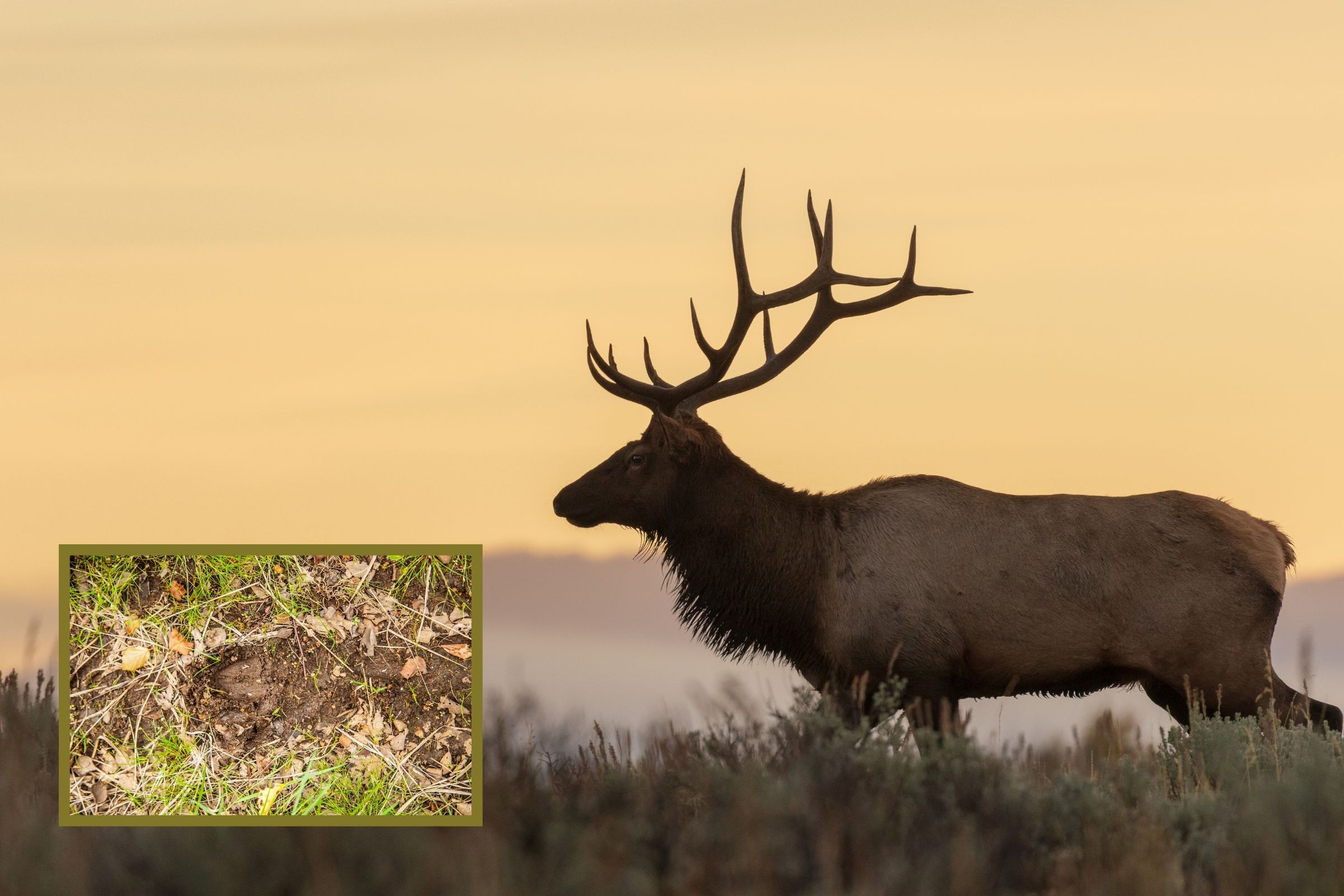
Tracking is an essential skill for hunters, particularly when pursuing elusive prey like deer and elk. By mastering the art of tracking, you can significantly improve your hunting success rate while deepening your connection to nature. Here’s a guide to help you read tracks, spot signs, and refine your hunting techniques.
Understanding Tracks
Animal tracks are a key indicator of wildlife presence. Focus on these aspects:
- Track Shape and Size: Deer tracks are heart-shaped with pointed ends, while elk tracks are larger and more rounded.
- Stride and Gait: Observe the distance between tracks to determine the animal’s size, speed, and direction. Short strides suggest a slow-moving animal, while longer strides indicate a running or alert animal.
- Depth of Tracks: Deeper tracks suggest a heavier animal, like an elk or a mature buck.
Spotting Other Signs
Tracking goes beyond footprints. Look for:
- Scat: Fresh droppings can confirm recent animal activity. Deer scat is small and pellet-like, while elk scat is larger.
- Rub Marks: Bucks and bulls rub their antlers against trees, leaving visible marks on the bark.
- Browse Lines: Look for plants or shrubs that have been nibbled on, which indicates feeding activity.
- Trails and Bedding Areas: Well-worn paths and flattened grass suggest frequent movement or resting spots.
Tips for Successful Tracking
- Move Slowly and Quietly: Reduce noise and take your time. Stay downwind to avoid alerting your prey with your scent.
- Use Binoculars: Scan ahead to spot movement or distant signs of animals.
- Follow Fresh Signs: Focus on tracks, scat, or other indicators that appear fresh. Older signs may lead you off course.
- Understand Seasonal Behaviors: During mating seasons, bucks and bulls are more active, making them easier to track. In the fall, elk often migrate to lower elevations.
- Practice Patience: Tracking requires time and dedication. Don’t rush the process; let the signs guide you.
Gear for Tracking
- Camo Styles: Wear camouflage that matches your hunting environment to stay concealed.
- GPS or Compass: Ensure you can navigate back to your starting point.
- Knife and Field Tools: Be prepared to process game if your tracking leads to a successful shot.
The art of tracking combines skill, patience, and observation. By honing these abilities, you can increase your chances of success in deer hunting, elk hunting, and other big game pursuits. Embrace the challenge and let the wilderness teach you its secrets.

Game Meat Recipes: From Classic to Gourmet – A Hunter’s Bounty at the Table
Harvesting wild game is a rewarding experience, connecting us to

Camp Coffee: Brewing the Perfect Cup in the Wilderness
The sun crests the horizon, painting the sky with vibrant
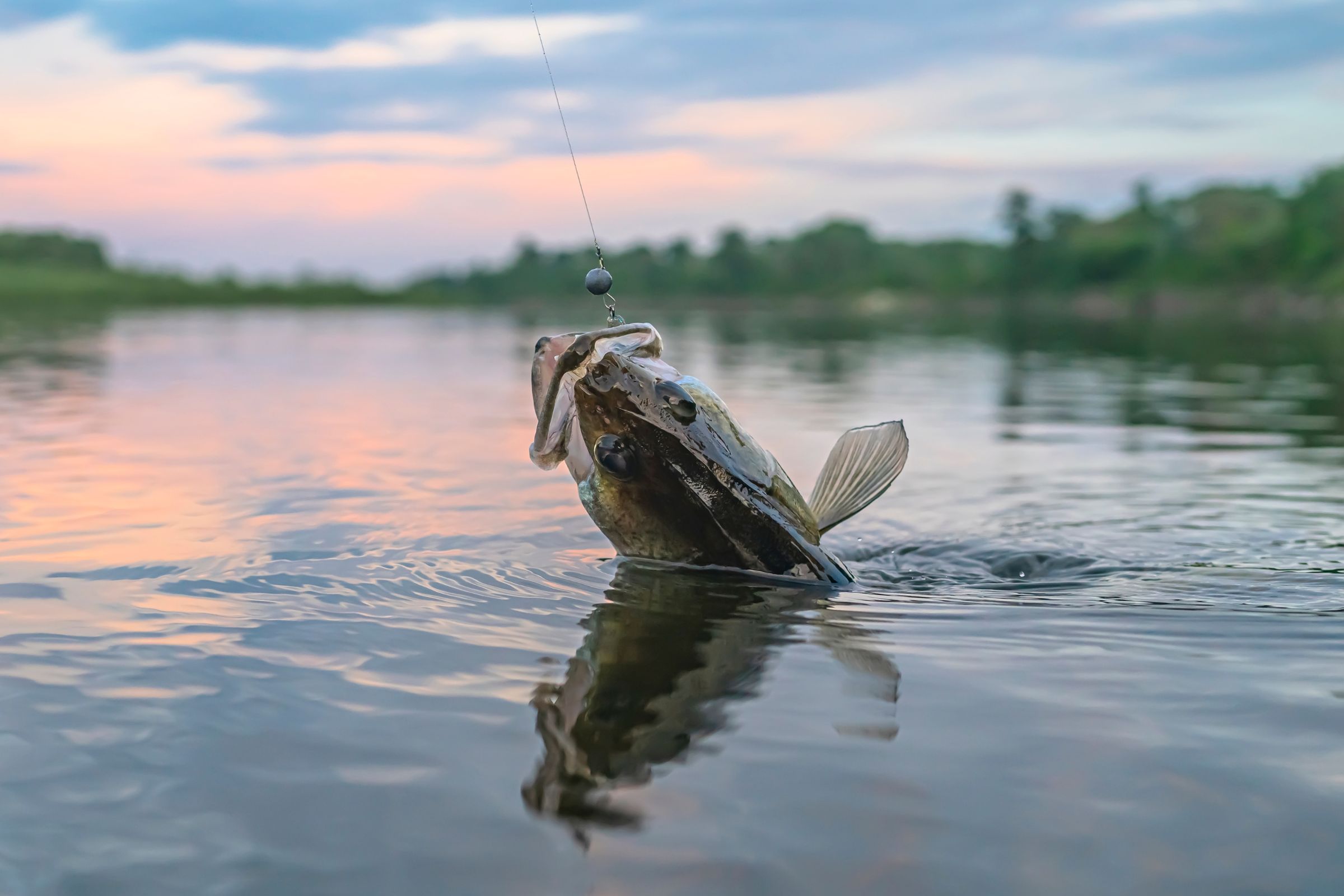
Understanding Fish Behavior: Unlock the Secrets to Angling Success
Understanding Fish Behavior for Successful Angling Becoming a successful angler
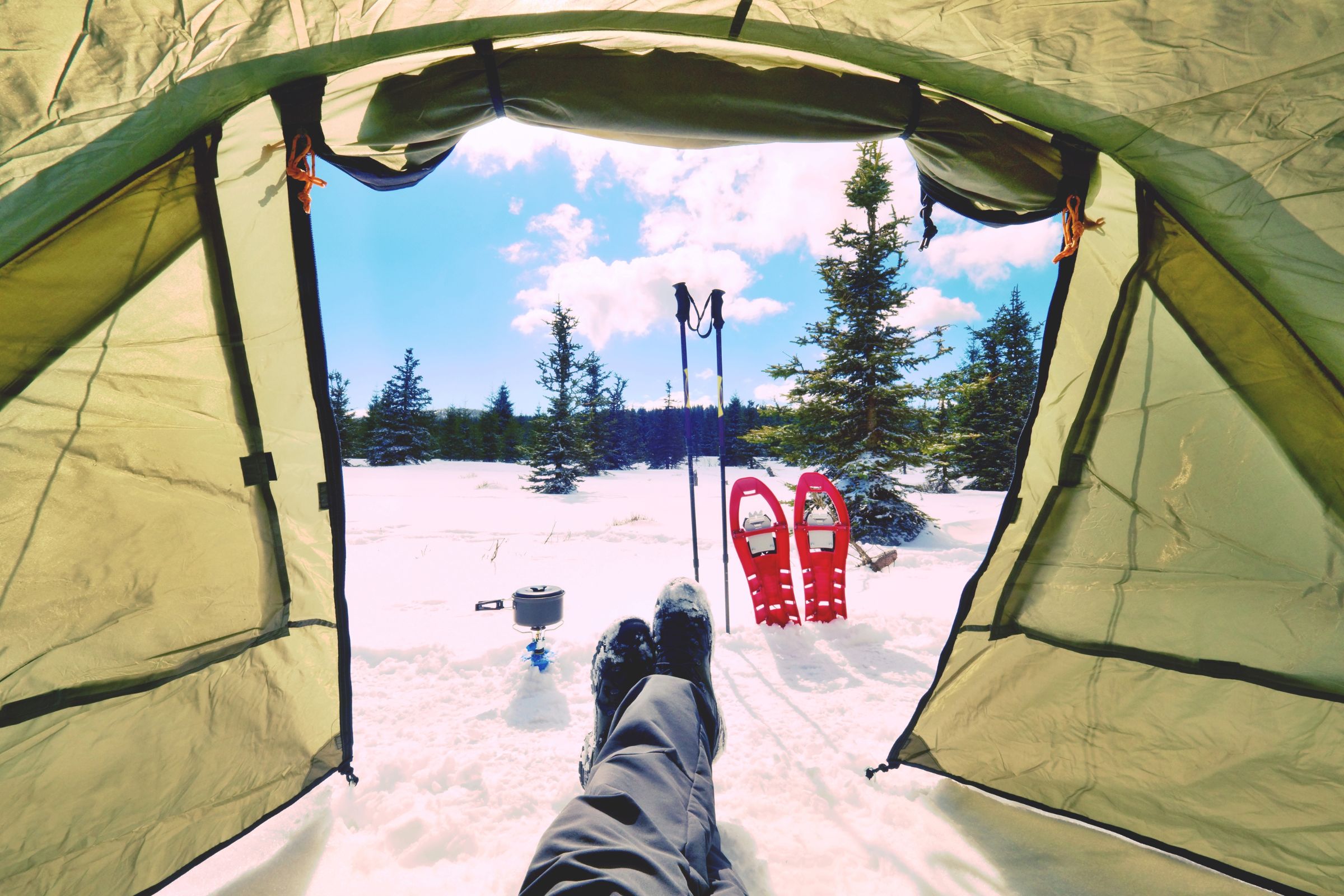
Essential Winter Camping Gear for Beginners (and What You Can Skip)
Winter camping can be a magical experience, but it requires
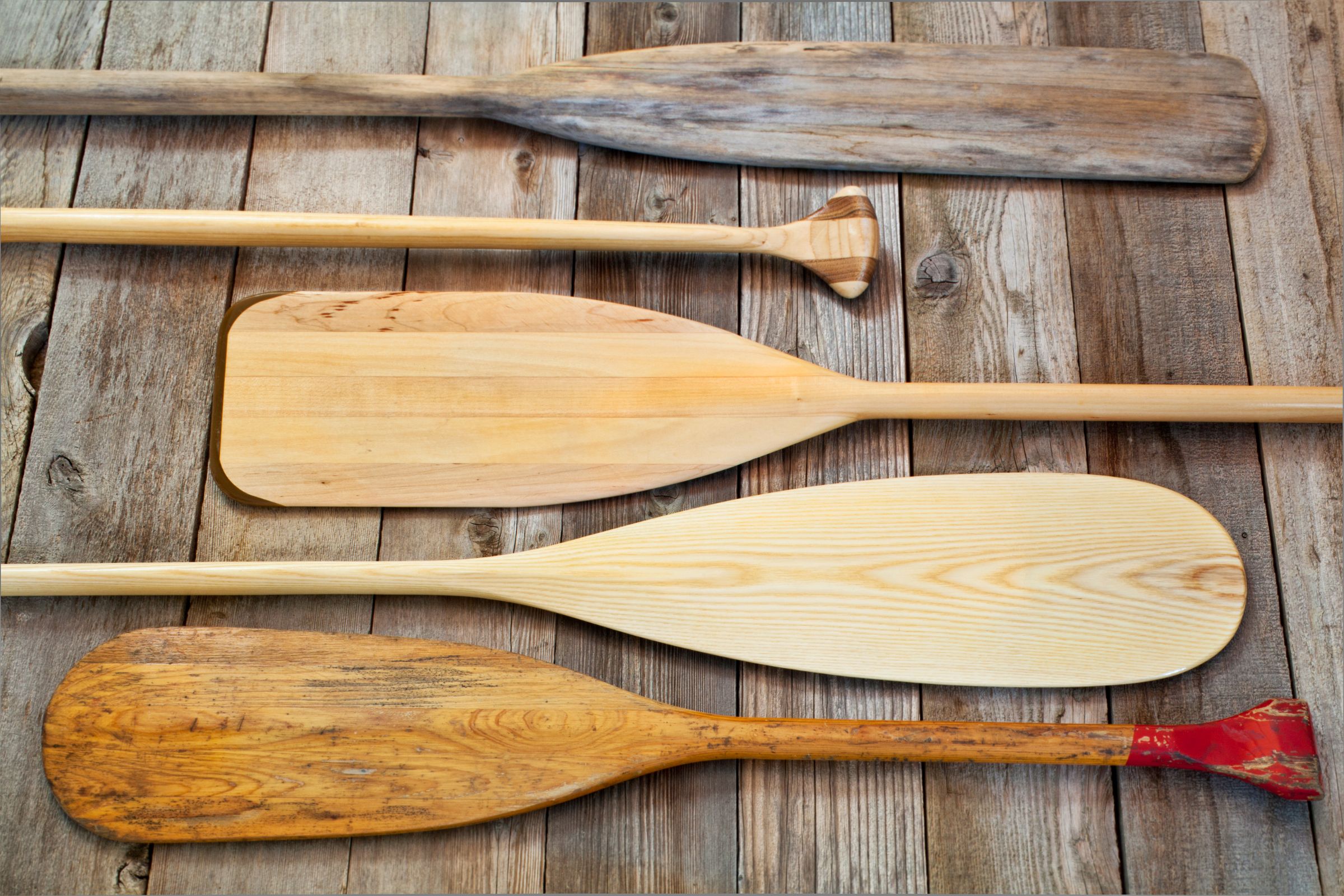
Choosing the Right Canoe Paddle: A Guide to Strokes, Materials, and More
Your canoe paddle is your connection to the water, the

Fire Starting Without Matches: Embrace Your Inner Pioneer
The crackle of a campfire is synonymous with wilderness adventures,
SHARE THIS STORY ANYWHERE YOU LIKE
SHARE THIS STORY ANYWHERE
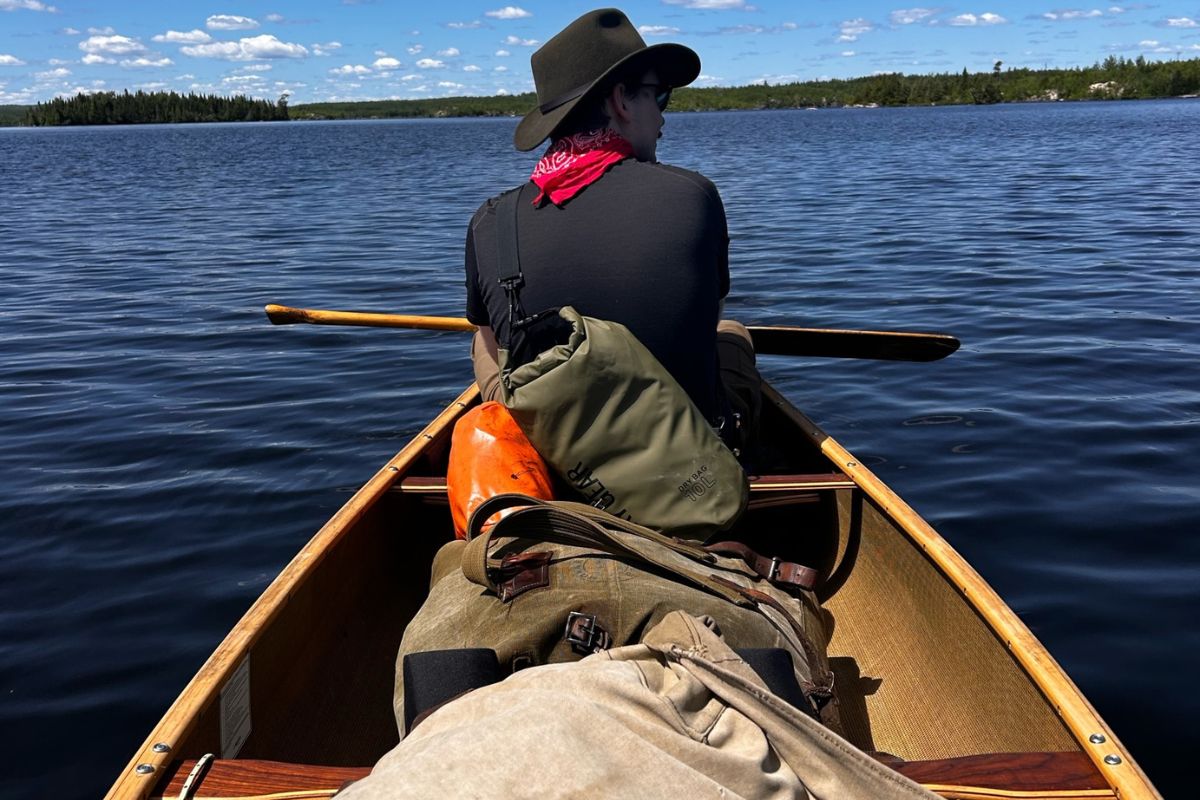
Camp and Paddle with Rhino USA: How to Combine Canoeing with Camping for the Ultimate Adventure
Imagine gliding through serene waterways, surrounded by nature, and ending your day under the stars at a secluded campsite. Combining canoeing with camping is the ultimate outdoor adventure, offering both tranquility and excitement. Whether you're