
The Best Places to Go for Fall Hikes

Fall pairs comfortable temperatures with dramatic scenery. Cooler days mean fewer overheating worries on steeper routes, and many parks see smaller crowds after summer. Add the spectacle of changing leaves and you’ve got a season that’s both visually stunning and physically pleasant for extended time outdoors.
Top Fall Hiking Destinations to Consider
If you’re chasing color, varied terrain, or classic mountain vistas, these regions consistently deliver spectacular autumn hiking:
Great Smoky Mountains (Tennessee & North Carolina) — Diverse tree species create a long, layered foliage season and countless trails for every skill level.
Acadia National Park (Maine) — Coastal cliffs, ocean views and red-and-gold hardwoods make for dramatic seaside hikes.
Aspen & the Colorado Rockies — High-elevation aspens turn electric yellow, often mixed with evergreen backdrops for eye-popping contrast.
Blue Ridge Parkway & Shenandoah — Scenic drives and pull-offs combine with forested trails and overlooks for easy leaf-peeping and short hikes.
New England (Vermont, New Hampshire, Maine) — Small towns, covered bridges and classic foliage routes like Route 100 put New England at the top of many fall lists.
These spots vary in timing — higher elevations color up earlier, while valleys and coastal areas peak later — so check local foliage reports if you’re aiming for peak color.
Planning Your Fall Hike
Timing and route choice matter more than ever in autumn. Start by checking recent trail conditions (some mountain trails can see early snow), daylight hours, and local leaf-peeping forecasts. Choose trails with viewpoints or ridgelines for the best panoramic color, and consider an out-and-back or loop that maximizes scenic exposure at a gentle pace.
What to Pack for Fall Trails
Packing the right layers and supplies keeps a fall outing comfortable and safe:
Layers: Moisture-wicking base, insulating mid-layer, and a wind/rain shell. Mornings can be chilly; afternoons warm up quickly.
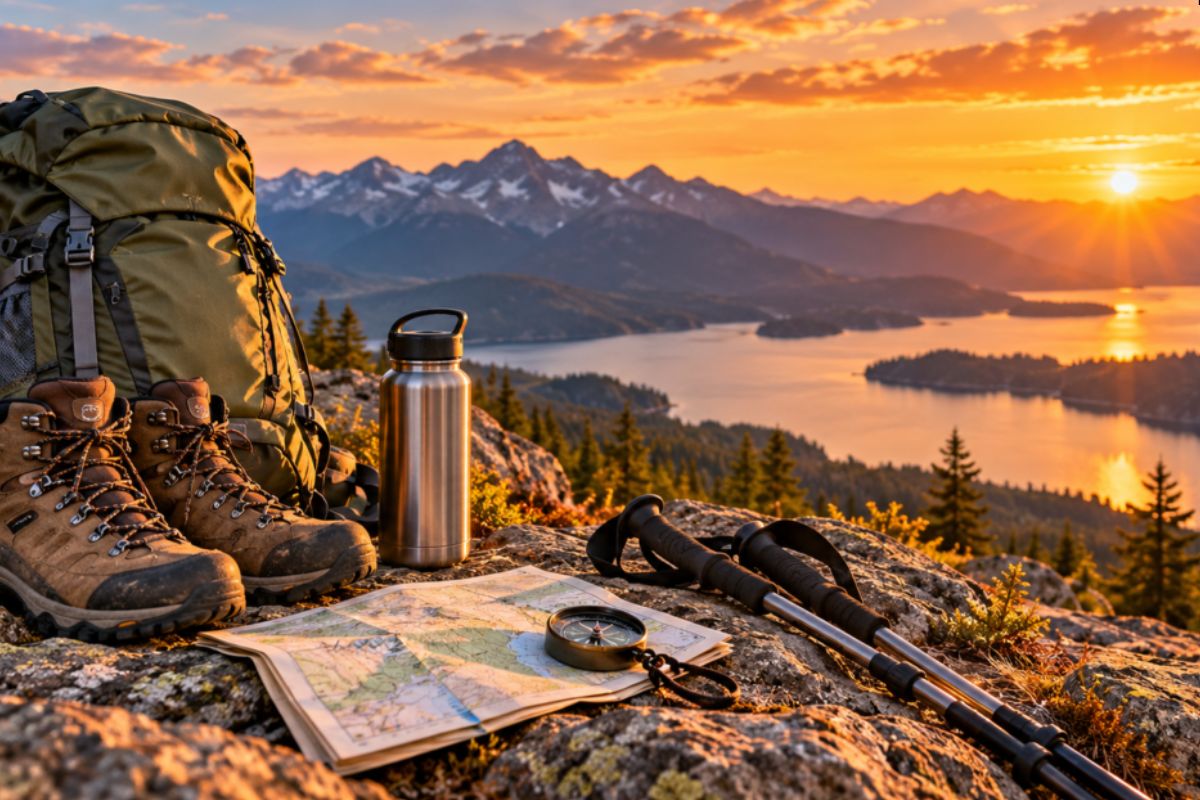
Footwear: Supportive boots with good traction; trails can be wet with fallen leaves hiding roots and rocks.
Navigation: Map, compass or reliable GPS — cell signal can be spotty in mountain areas.
Light: Headlamp or flashlight — sunset comes earlier in fall and fog or cloud cover can reduce visibility.
Hydration & Snacks: Cooler weather hides thirst; bring water and calorie-dense snacks to stay energized.
Emergency kit: Basic first-aid, a lighter or matches in a dry container, and a whistle for signaling if needed.
Safety & Weather Considerations
Fall’s fickle weather means preparing for sudden changes. Mountain areas can flip from sunny to stormy quickly, and temperatures can plummet after sunset. Check the forecast within 24 hours of your hike, leave your route plan with someone, and aim to finish before dark. Watch for early ice at higher elevations and expect muddy sections on many trails.
Make the Most of the Season
To enjoy fall hiking fully, plan around the peak color windows for your chosen region, start hikes earlier in the day to capture morning light, and consider quieter midweek trail days. Bring a camera or journal and pause at scenic overlooks — part of the joy of autumn hiking is taking time to savor the shifting landscape.
Fall is one of the most rewarding seasons for hikers: moderate temps, dramatic scenery, and a calmer trail experience. Whether you prefer seaside bluffs, mountain ridgelines, or classic New England roads, a thoughtful plan and the right gear will make your autumn hike one to remember.


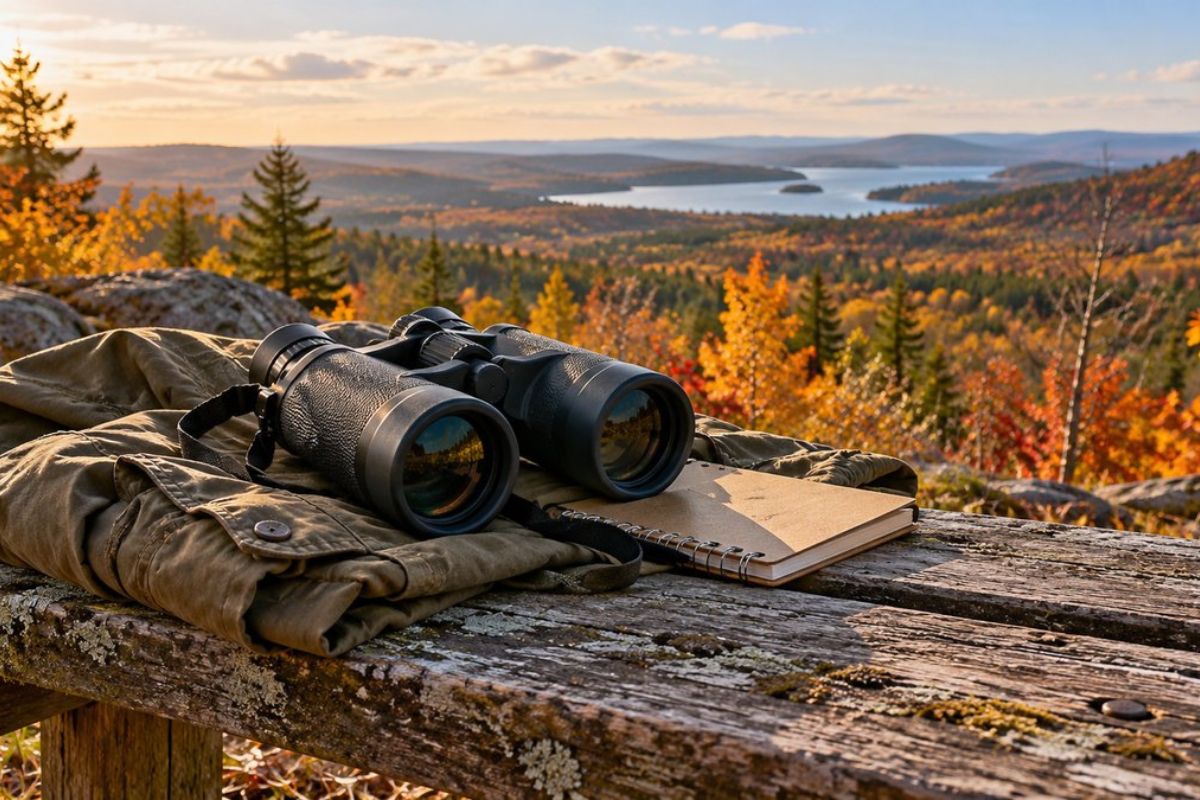
A Quieter Carry: Organize Your Hunting Binoculars and Field Notes
A zipper catches your glove. A loose buckle taps
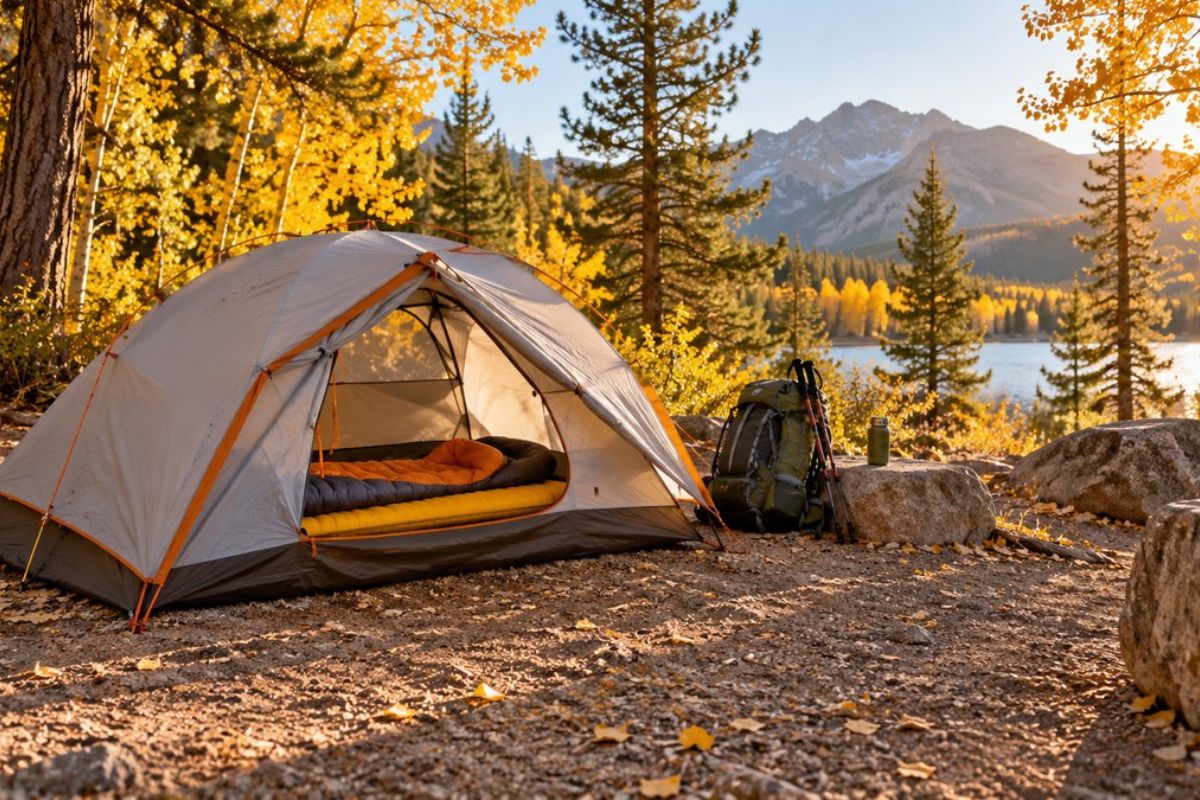
Cold at 3 A.M.? Rethink Your Fall Camping Sleep System
The evening was perfect. Dinner tasted better outdoors, the
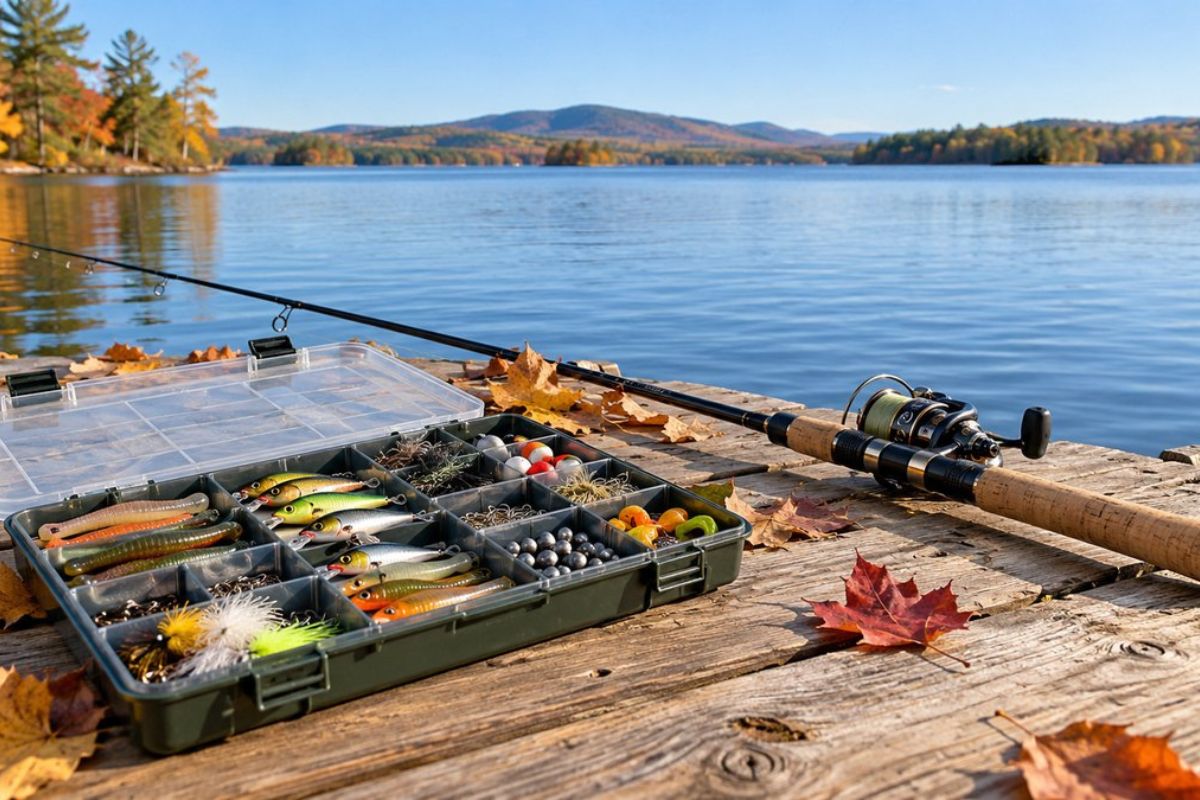
The Fall Tackle Box Reset: Pack for the Water in Front of You
Somewhere beneath the spare hooks and mystery soft plastics
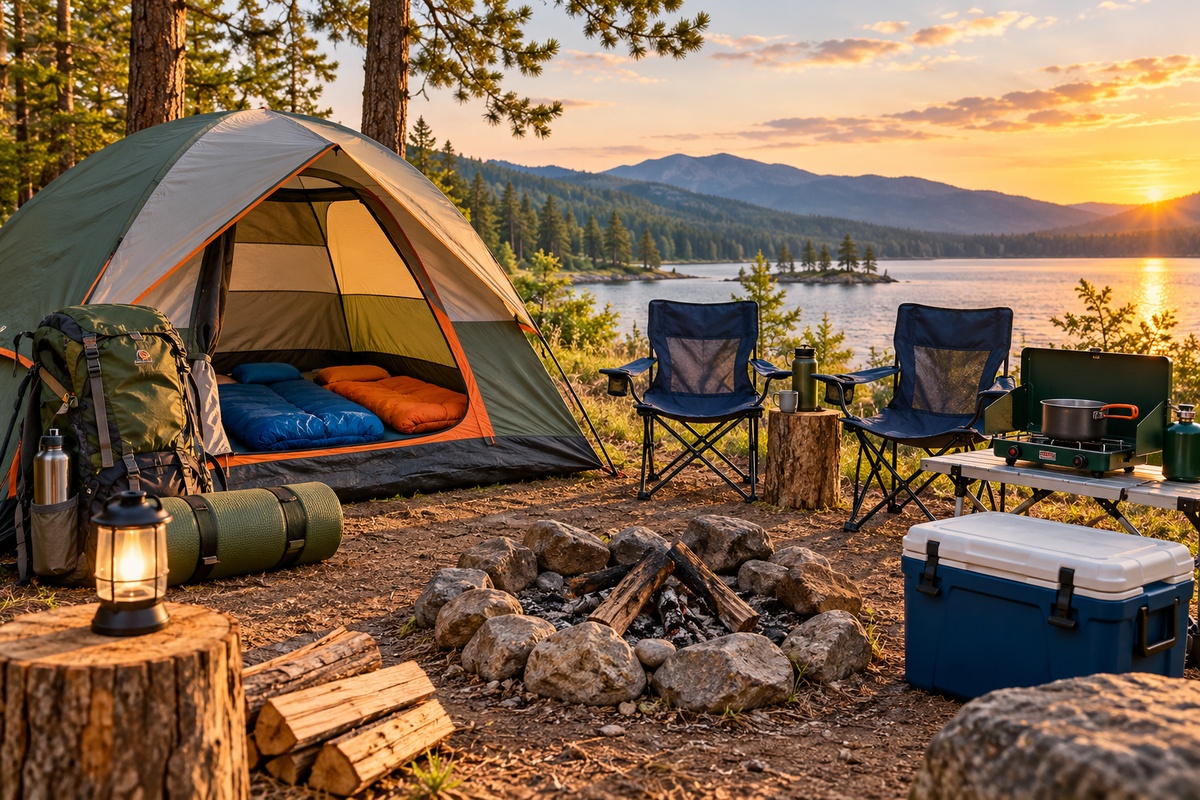
Camping Checklist: What You Really Need for Your Trip
Whether it's your first camping trip or you are a
Best Snorkeling Destinations during Winter Months for Beginners
Snorkeling in a warm location is one of the easiest
Adventure Starts with Having the Right Gear
There’s something exciting about getting ready for a new