The Fall Tackle Box Reset: Pack for the Water in Front of You
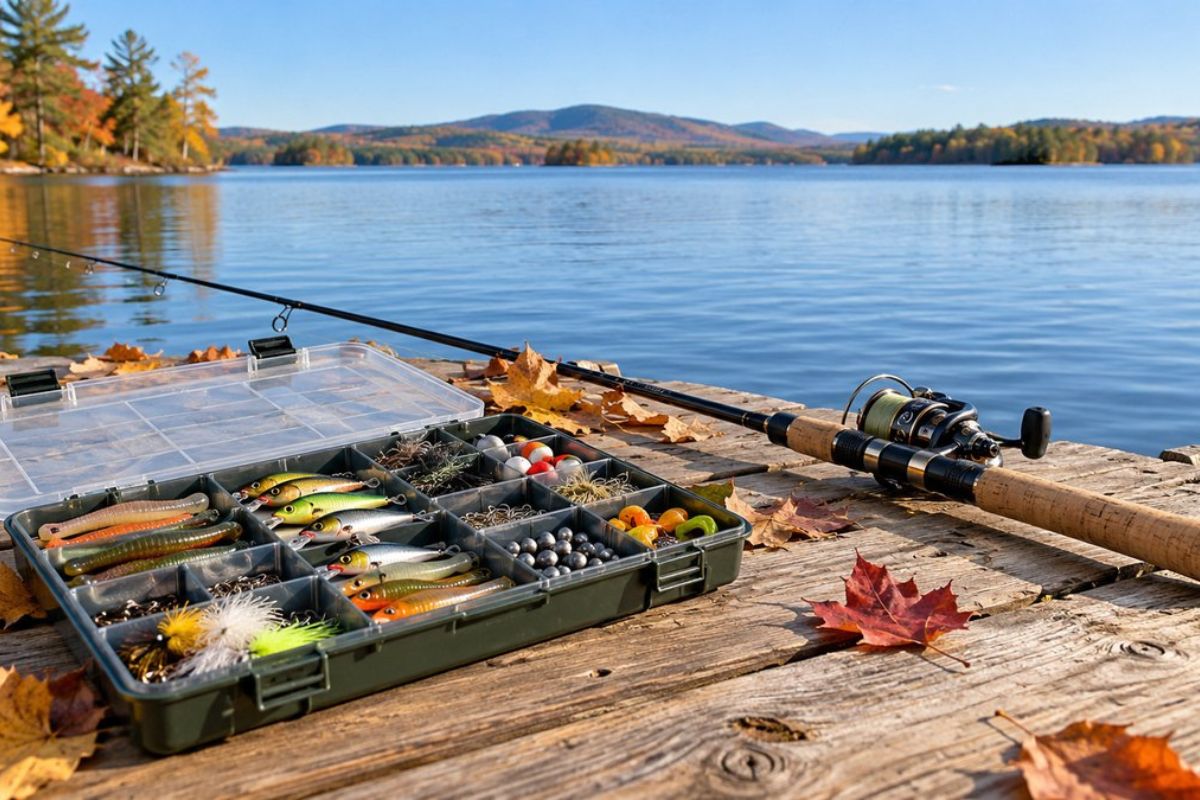
Somewhere beneath the spare hooks and mystery soft plastics is the lure you meant to use twenty minutes ago. By October, a tackle box can become a record of every fishing trip you took all summer. Sorting it before your next outing is an easy way to spend more time fishing and less time rummaging.
A useful fall fishing tackle box starts with a specific plan. Think about your target species, the places you can reach, and whether you have a full day or a quick afternoon. That context matters more than carrying every color of every bait you own.
Empty the Box Before Adding Anything
Start with a clean table and remove everything. Separate usable tackle from rusty hooks, cracked storage trays, dried-out plastics, and packaging that no longer serves a purpose. Handle exposed hooks carefully and contain discarded tackle so it cannot injure people or wildlife.
Dry damp compartments and check hinges and latches. Look for small problems that become annoying on the water: pliers that will not open smoothly, line cutters that barely cut, or a hook compartment whose lid pops loose. Replace or repair those basics before shopping for another lure.
Choose Presentations with Different Jobs
Build a compact selection around different ways to cover the water you intend to fish. You might carry an option for searching an area, another for working a promising spot slowly, and terminal tackle appropriate for your chosen technique. Match lure weight and hook size to your rod, line, and intended species.
Resist making a universal rule about what fish must want in fall. Conditions vary among lakes, rivers, species, and regions. Instead, bring enough variety to adjust depth, pace, or profile without creating a pile of near-identical choices. Keep a note of what you tried and what you observed.
Put the Small Essentials Where You Can Find Them
Fresh leader material, spare hooks, suitable weights, and a reliable pair of pliers deserve easy access. Group small items in labeled compartments, and check that the labels still describe what is actually inside. A small, organized tray can be more useful than a large box with mixed contents.
Think through your workflow with cold hands or gloves. Can you open the compartment, remove one item, and close it without scattering everything? Keep the tackle you expect to use first near the top, with backups stored separately. Leave room to isolate wet lures after the trip.
Pack for the Outing Beyond the Cast
Tackle is only part of the load. Check the forecast, access information, daylight, and applicable fishing requirements before leaving. Bring clothing for the conditions and appropriate safety equipment for your location and method of fishing. A boating outing calls for a properly fitted life jacket worn throughout your time on the water.
Set a realistic return time, particularly when squeezing in an afternoon trip. Shorter daylight is a reason to simplify the plan, not rush the final cast. Let someone know where you are headed and when you expect to return.
Give Every Trip a Five-Minute Finish
Back home, open the box and let damp gear dry before closing it for storage. Refill only what you used, note anything that failed, and move unproductive clutter out of the working tray. This small habit keeps the next reset from becoming a major project.
The goal is a tackle box that supports decisions rather than delays them. When each item has a clear job and an easy-to-find place, your fall fishing setup feels lighter even before you leave the driveway.
Find more gear ideas and outdoor inspiration in Explore Gear’s Fishing guides.



Snowmobile Safety Tips for Winter Riding
Snowmobiling can be one of the most exciting ways

Popular Winter Sports for Outdoor Adventure
Winter opens the door to outdoor activities that are

Best Places for Water Sports in the United States
A great water sports trip can look very different

Scuba Diving Snorkeling and Freediving for Beginners
The world below the water can feel like a
Kayaking vs Paddleboarding for Beginners
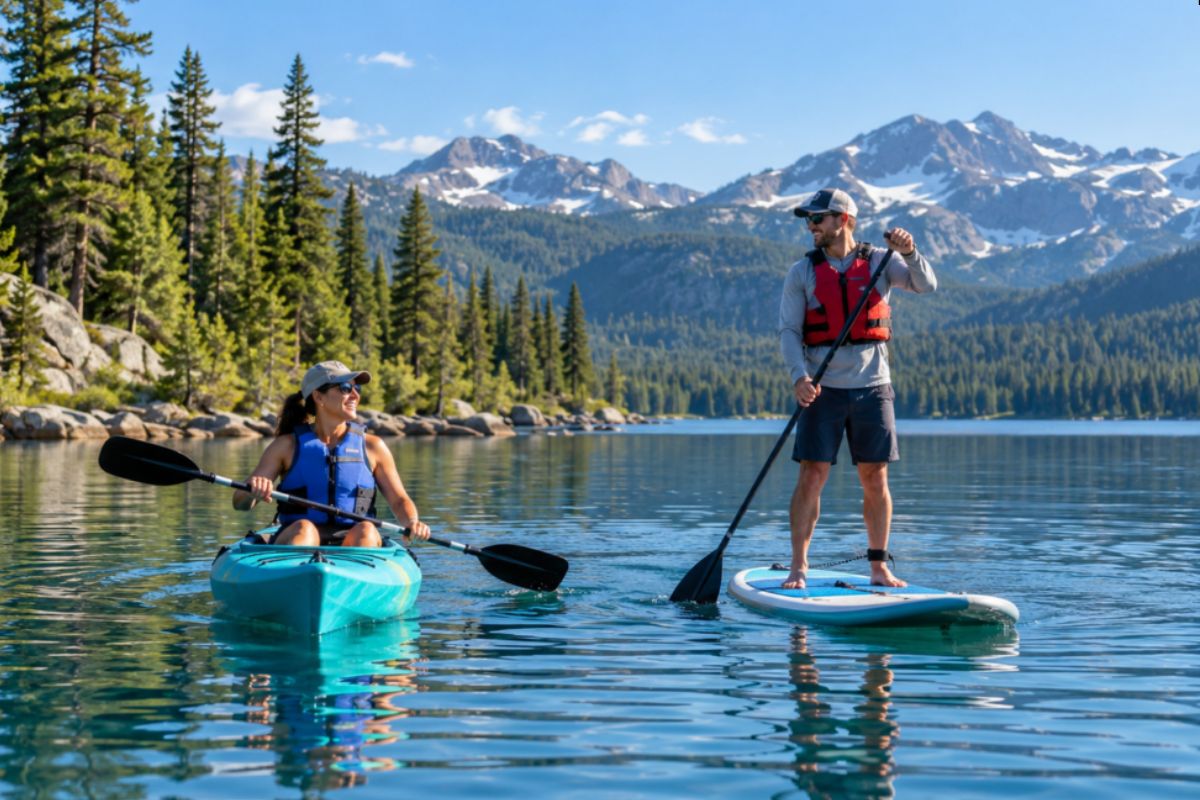
Kayaking and paddleboarding are two simple ways to explore
Surfing vs Skimboarding for Beginners
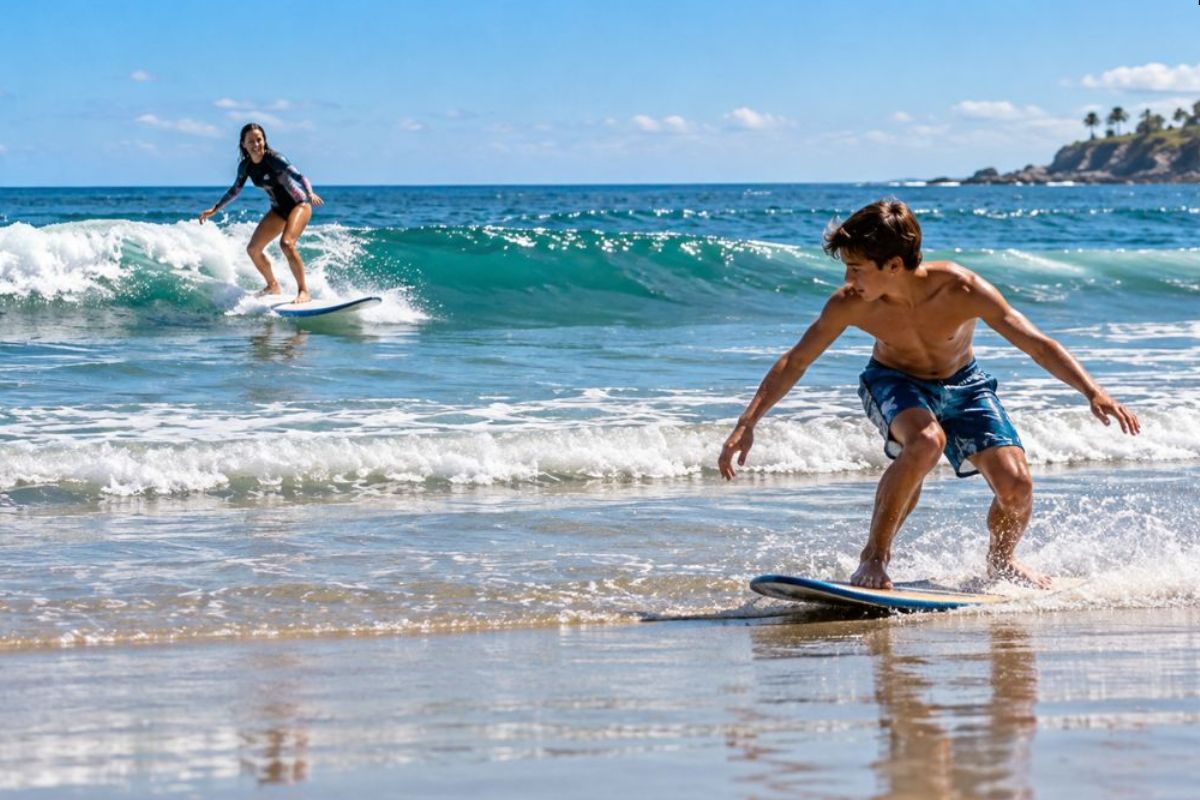
Surfing and skimboarding both use a board and ocean