The Psychology of Survival: Staying Mentally Strong in the Wild
Survival isn’t just about having the right gear or knowing how to start a fire—it’s also about mental strength. When faced with isolation, harsh environments, and critical decision-making, your mindset can determine whether you make it out alive. Understanding the psychology of survival can help you stay calm, focused, and resilient in extreme situations.
Overcoming Fear and Panic
Fear is a natural response to the unknown, but in a survival scenario, panic can be deadly. If you find yourself lost or in danger, remember:
- Stop, Think, Observe, and Plan (S.T.O.P.) – Instead of reacting impulsively, take deep breaths, assess your situation, and make a logical plan.
- Focus on Small Wins – Accomplishing small tasks like gathering firewood, setting a trap, or purifying water gives you a sense of control.
- Train Before You Need It – Exposure to controlled survival situations (bushcraft camping, fire-starting practice, or building shelters) can help you remain calm in real crises.
Handling Isolation and Loneliness
Humans are social creatures, and extended time alone in the wild can lead to depression and hopelessness. Combat loneliness by:
- Maintaining a Routine – Structure your day with essential survival tasks: fire-building, trapping, foraging, shelter maintenance, and scouting for water.
- Keeping a Positive Mindset – Find purpose in each action, whether it’s improving your shelter or strategizing for food.
- Talking to Yourself or Writing in a Journal – While it may seem unusual, verbalizing thoughts or keeping track of days can provide mental clarity and motivation.
Avoiding Decision Fatigue
Making constant life-or-death decisions—when to move, what to eat, where to sleep—leads to exhaustion. To avoid burnout:
- Prioritize Tasks Using the Rule of Threes – Focus on shelter, water, and food, in that order, to conserve energy.
- Pre-Make Decisions – Set a simple plan (e.g., “If I don’t find water in 2 hours, I will change direction”).
- Rest Strategically – Sleep deprivation impairs judgment. Even a short break by a fire can boost mental clarity.
Survival isn’t just about bushcraft skills—it’s about mental endurance. By managing fear, coping with isolation, and staying logical under pressure, you can significantly improve your chances of making it through any extreme survival situation. Train your mind as much as your body, and you’ll be ready for whatever nature throws your way.


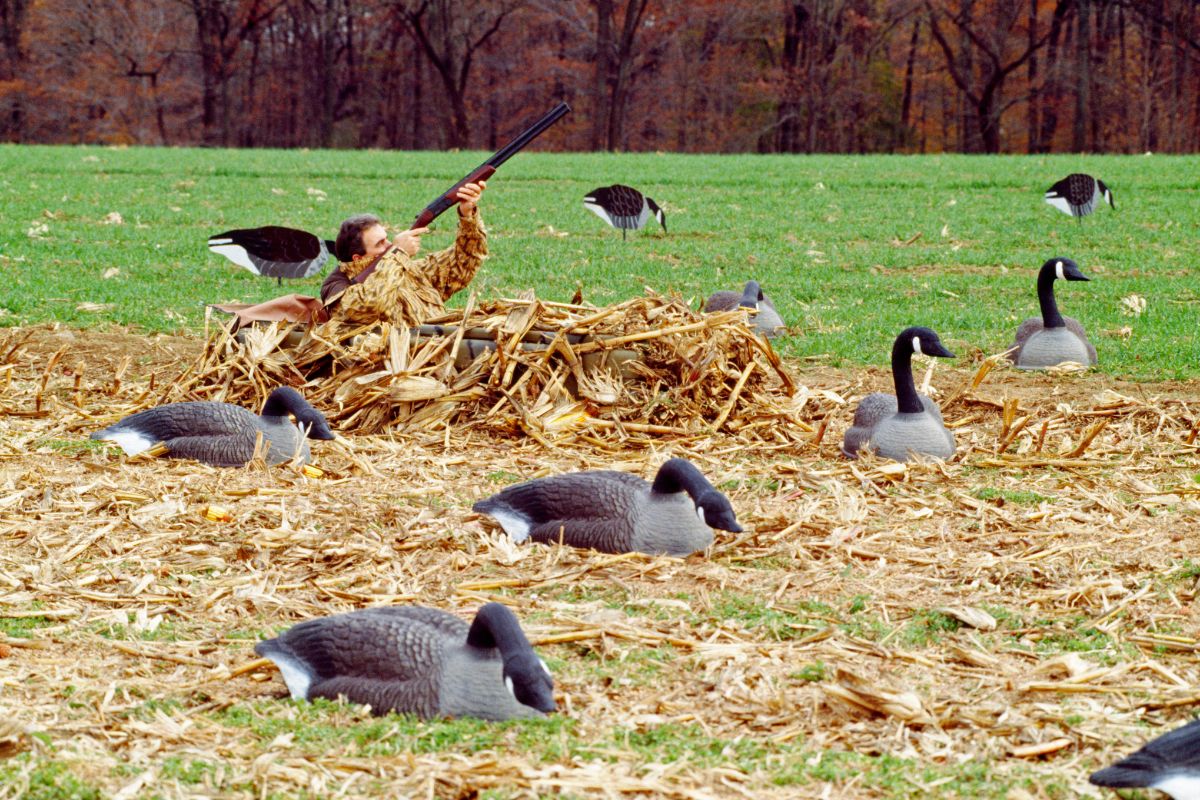
Spring Goose Hunting: Tips for a Successful Season
Spring goose hunting offers an exciting opportunity for waterfowl hunters
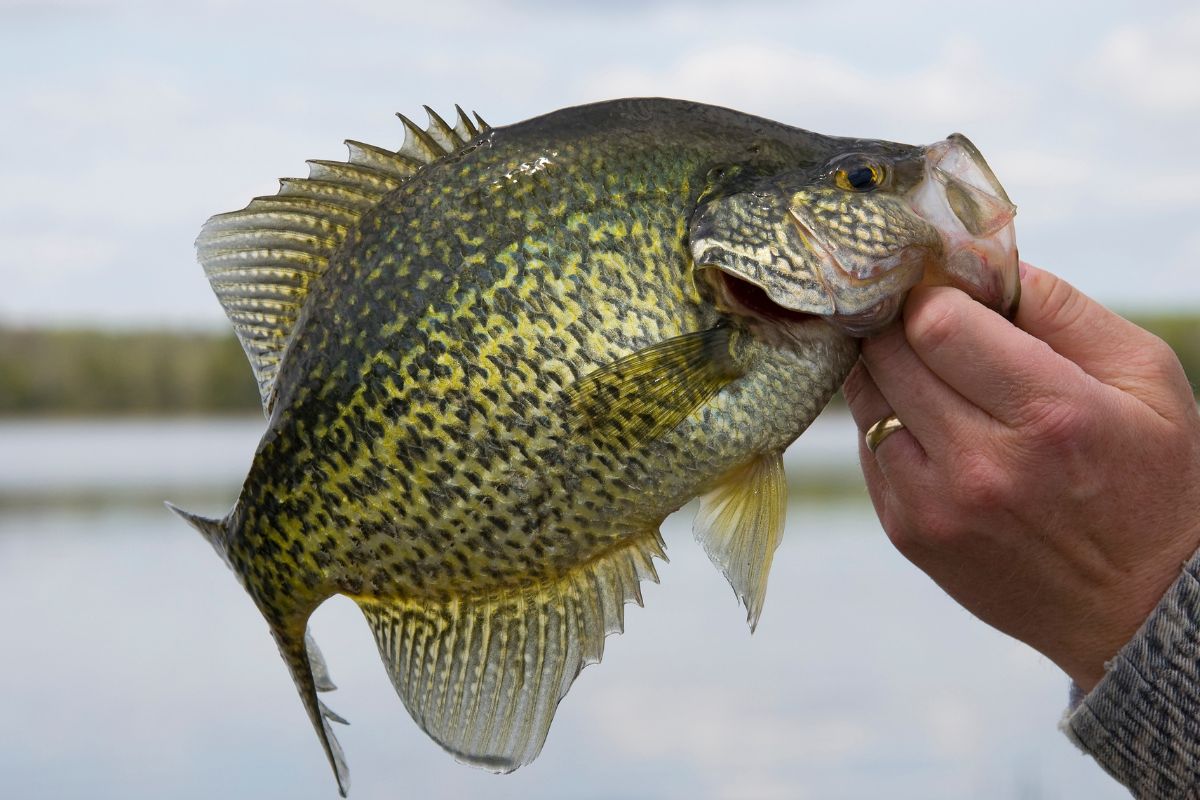
How to Fish Ice-Out Panfish
As winter fades and the ice recedes, anglers eagerly anticipate
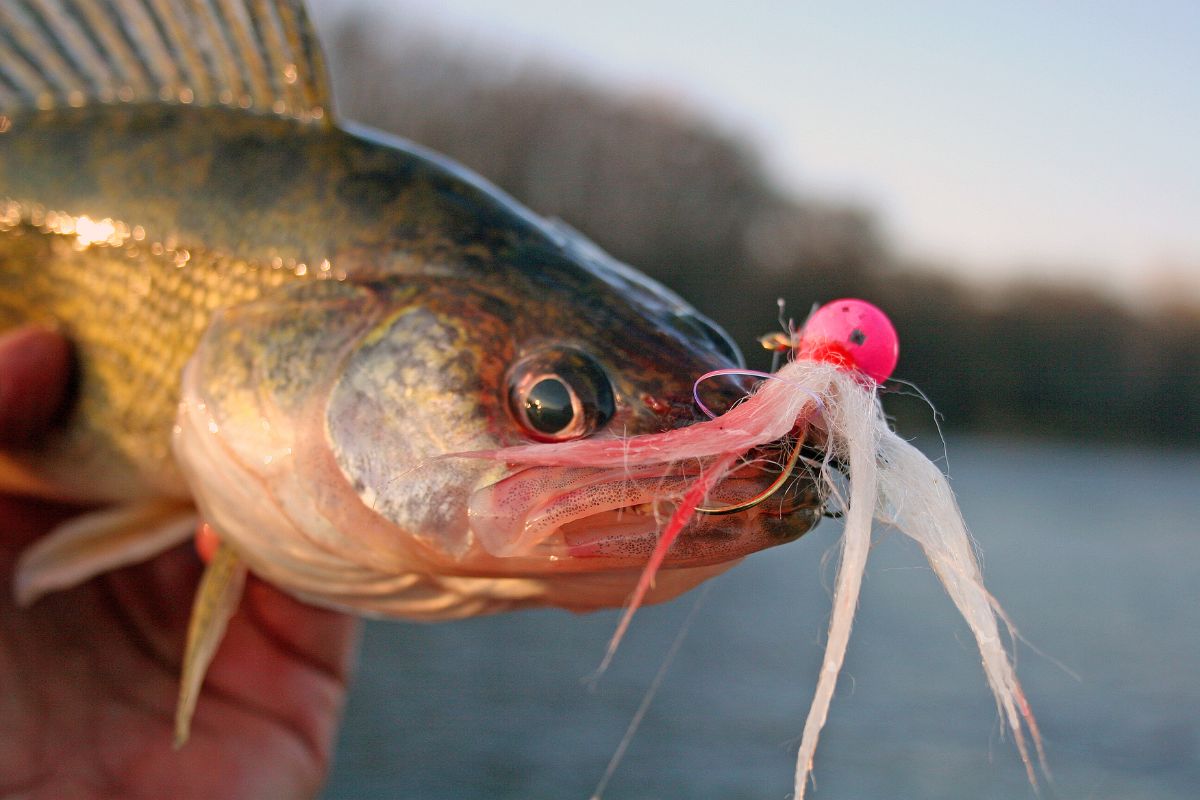
Best Baits for Catching Walleye On Opener
The excitement of fishing season opener brings anglers back to
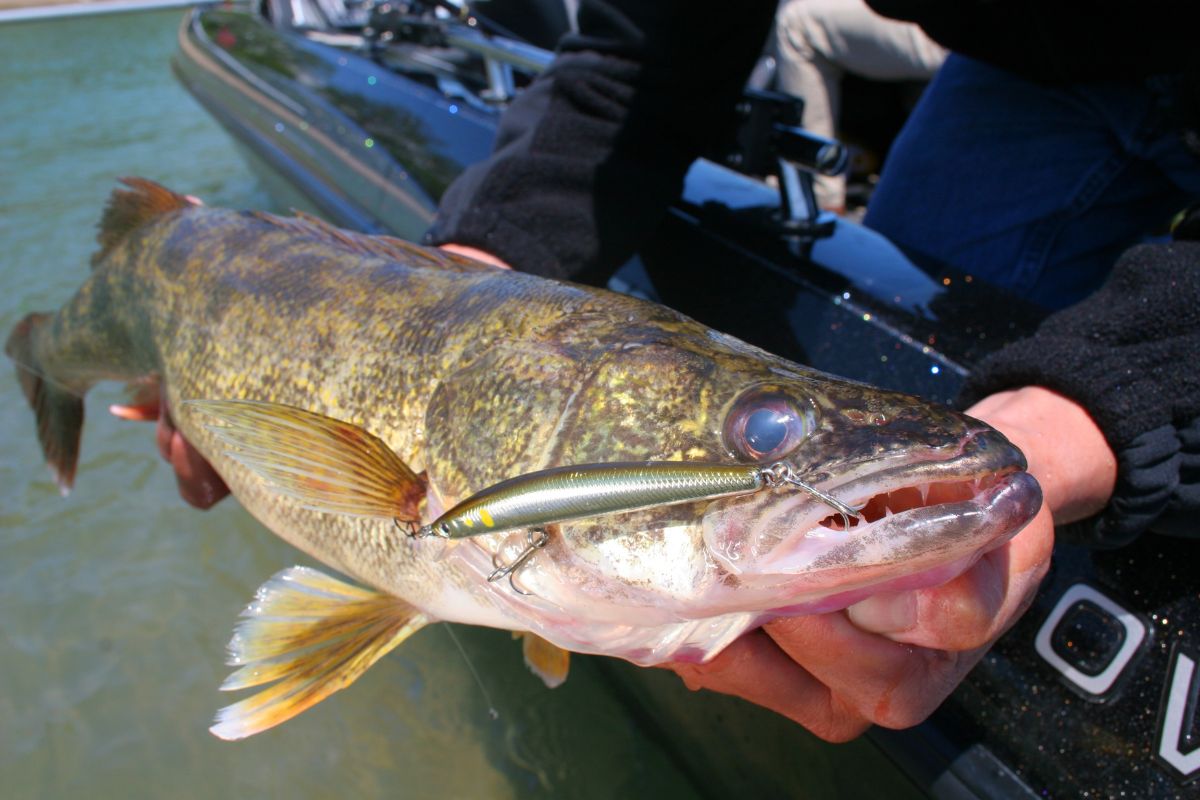
Top Walleye Fishing States in the U.S.
Walleye fishing is a passion for anglers across North America,
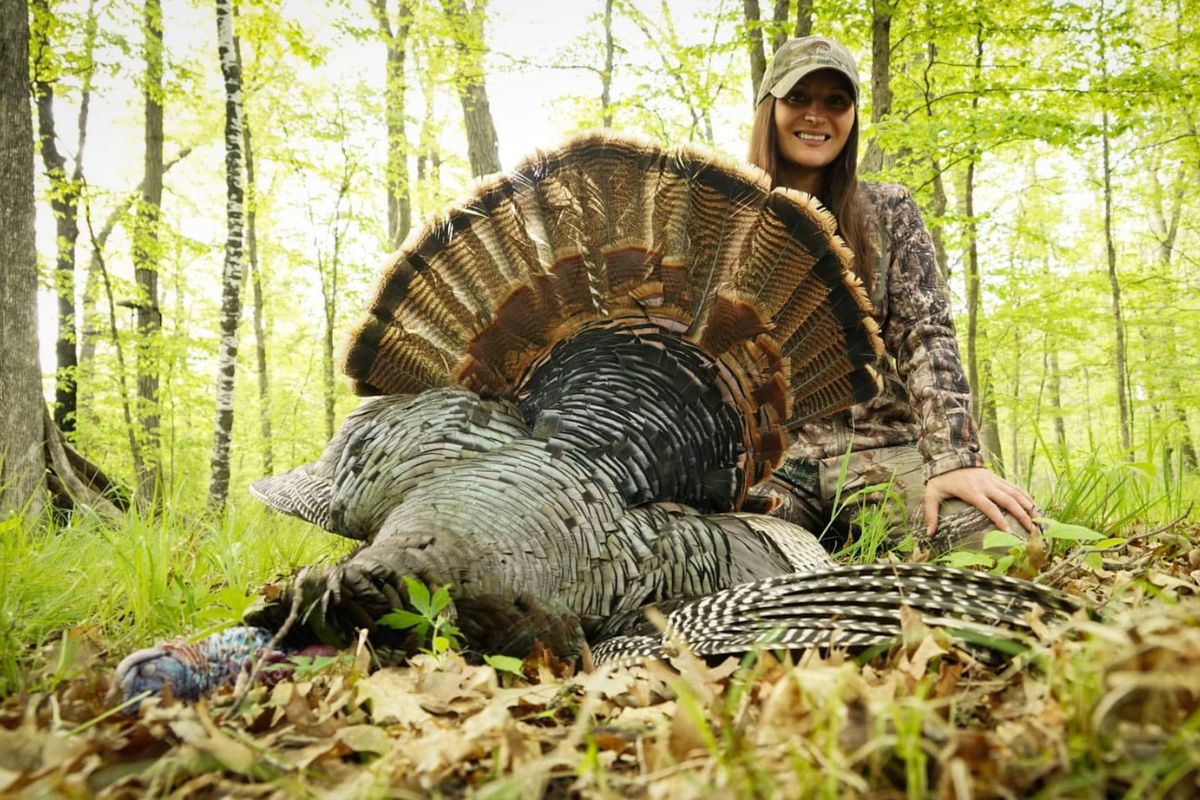
Spring Turkey Hunting: How to Find Your Target
Spring turkey hunting is an exciting challenge for hunters of
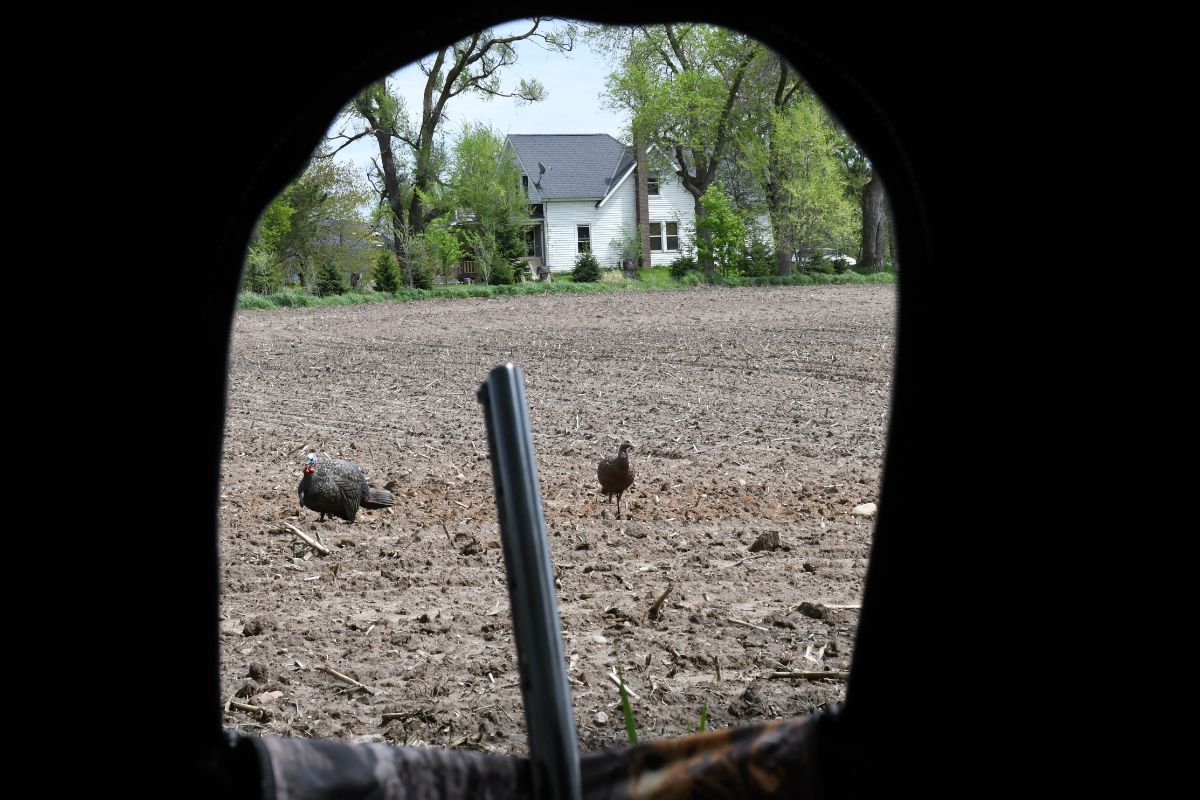
Essential Gear for Spring Turkey Hunting
Equipping yourself with the right gear can significantly impact your