
The Science of Bait: Live vs. Artificial Lures for Every Fishing Style
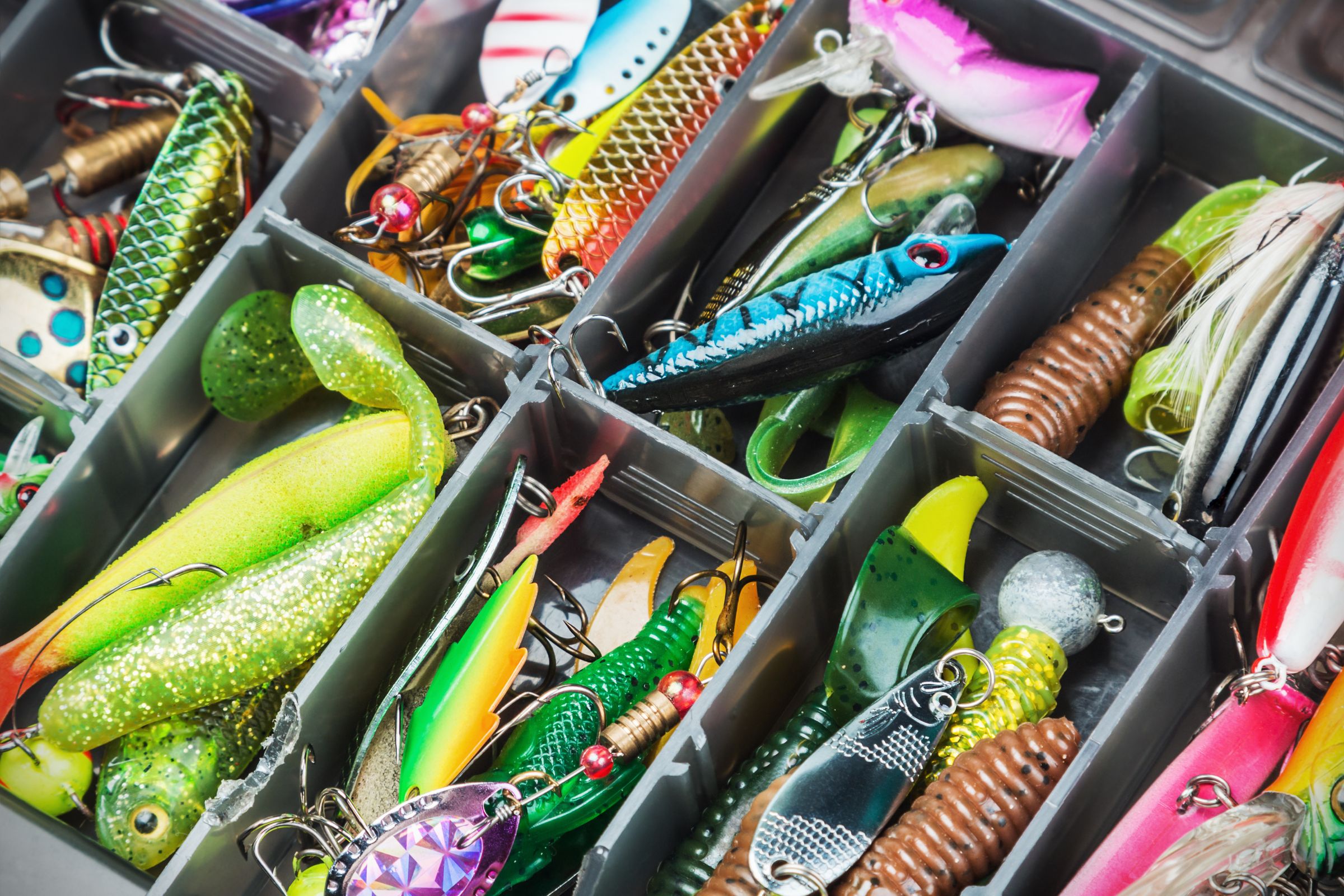
Live Bait vs. Artificial Lures: Which to Choose?
One of the biggest decisions anglers face is choosing between live bait and artificial lures. Each has its advantages, depending on the fish species, water conditions, and fishing technique. Whether you’re bass fishing in freshwater, trolling for tuna in the ocean, or ice fishing in winter, understanding when to use live vs. artificial bait can make a big difference in your success.
Live Bait: The Natural Advantage
Why Use Live Bait?
Live bait is a favorite among many anglers because it mimics a fish’s natural food source. The movement, scent, and texture make it incredibly effective.
Best Conditions for Live Bait:
- Freshwater Fishing – Worms, minnows, and leeches work well for bass, trout, and panfish in lakes and rivers.
- Saltwater Fishing – Shrimp, squid, and small fish attract tuna, swordfish, and musky.
- Ice Fishing – Live minnows are perfect for slow-moving fish in cold waters.
- Low Visibility Conditions – In murky or deep waters, the scent of live bait helps fish locate it.
Downsides of Live Bait:
- Storage and Maintenance – Keeping bait alive requires a proper aerator or cooler.
- Short Shelf Life – Live bait spoils quickly if not used.
- Regulations – Some areas restrict the use of live bait to prevent invasive species.
Artificial Lures: Versatile and Long-Lasting
Why use artificial lures? Lures are designed to mimic real baitfish and insects while giving anglers more control over presentation and movement.
Best Conditions for Artificial Lures:
- Sport Fishing & Catch-and-Release – Reduces harm to fish and allows multiple casts without replacing bait.
- Trolling – Deep-diving crankbaits and spoons are ideal for targeting musky, swordfish, and tuna.
- Bass Fishing – Soft plastics, spinnerbaits, and topwater lures are effective in different conditions.
- Fly Fishing – Hand-tied flies imitate insects and small baitfish for trout and pan fishing.
- Seasonal Changes – Lures allow adjustments in depth and movement for shifting fish patterns.
Downsides of Artificial Lures:
- Learning Curve – Requires practice to master different retrieves and actions.
- Less Scent & Taste – Some fish are more attracted to the natural scent of live bait.
- Can Be Expensive – High-end lures may be costly, especially if lost in snagged areas.
Which One Should You Choose?
Both live bait and artificial lures have their place in fishing. If you’re looking for ease and reliability, artificial lures are great for covering more water and practicing different techniques. However, if fish are being picky or inactive, live bait may be the better choice.
By understanding the science behind bait selection, anglers can make better choices to improve their fishing successes — whether in lakes, rivers, or deep-sea adventures!



A Quieter Carry: Organize Your Hunting Binoculars and Field Notes
A zipper catches your glove. A loose buckle taps

Cold at 3 A.M.? Rethink Your Fall Camping Sleep System
The evening was perfect. Dinner tasted better outdoors, the
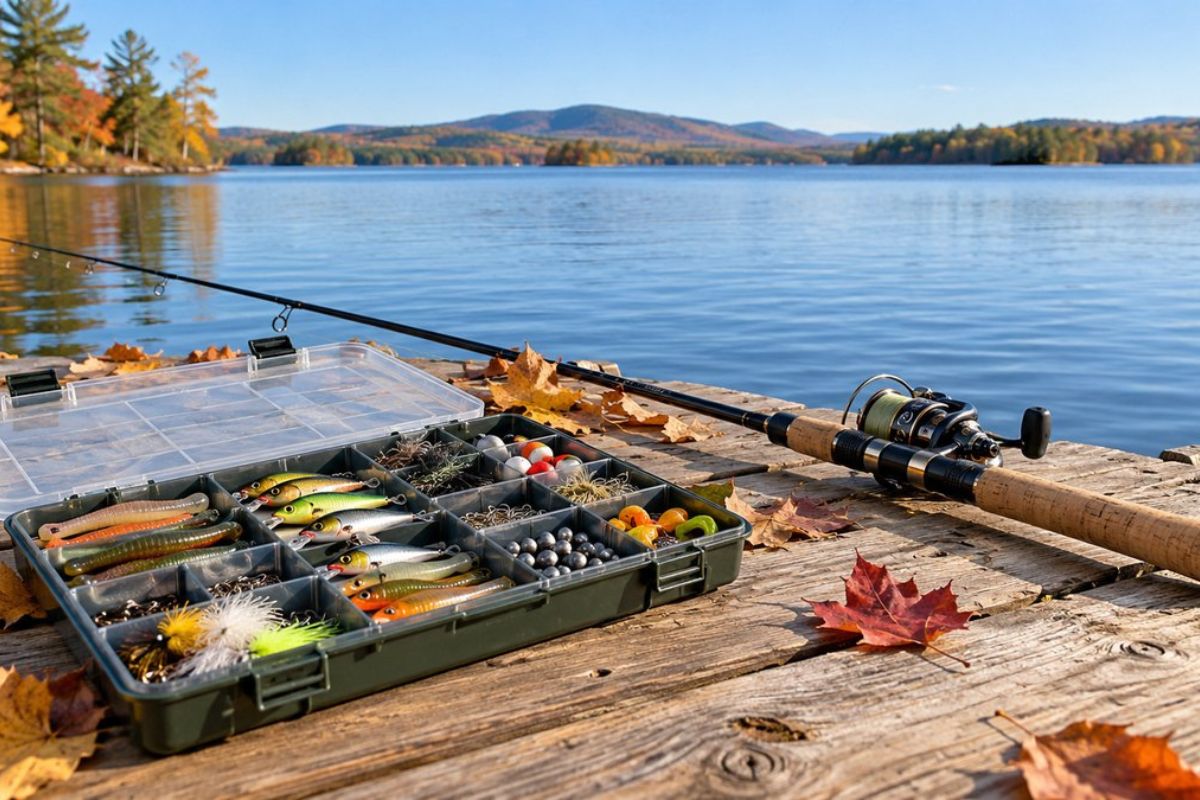
The Fall Tackle Box Reset: Pack for the Water in Front of You
Somewhere beneath the spare hooks and mystery soft plastics

Camping Checklist: What You Really Need for Your Trip
Whether it's your first camping trip or you are a

Best Snorkeling Destinations during Winter Months for Beginners
Snorkeling in a warm location is one of the easiest

Adventure Starts with Having the Right Gear
There’s something exciting about getting ready for a new