
The Ultimate Guide to Ice Fishing Apparel: Layering for Warmth, Comfort & Safety

When it comes to ice fishing, the difference between an enjoyable outing and a miserable one often comes down to what you’re wearing. The key is mastering the three-layer system—each layer working together to trap body heat, wick away moisture, and protect you from the elements. Specialized ice fishing clothing, such as float suits, also plays an important role in safety, helping you stay afloat if you fall through the ice.
Understanding the Three-Layer System
The three-layer system for ice fishing apparel consists of:
Base Layer: Moisture-wicking materials to keep you dry.
Mid Layer: Insulating pieces that trap body heat.
Outer Layer: Protective shell that blocks wind and water.
Each layer plays a vital role in keeping your body temperature regulated and preventing heat loss in freezing conditions.
Outer Layers: Your First Line of Defense
The outer layer shields you from wind, snow, and freezing rain. It should be both waterproof and windproof while still allowing breathability to prevent sweat buildup inside.
- Composed of a jacket and bib-style pants.
- Built-in flotation materials provide buoyancy in case you fall through the ice.
- Offer excellent insulation and weather protection.
Ice Fishing Insulated Jackets:
- Retain heat while blocking wind and water.
- Feature reinforced seams and durable zippers for extreme conditions.
- Often include adjustable cuffs and hoods for better protection.
- Full-body insulated pants with suspenders for added coverage.
- Reinforced knees and seat areas prevent wear and tear.
- Ideal for kneeling or sitting on ice without getting soaked.
Ice Fishing Insulated Rain Gear:
- Perfect for cold, wet days with sleet or snow.
- Non-insulated versions can be used in milder conditions with added layers beneath.
- Pro Tip: A quality float suit is more than comfort—it’s safety equipment. If you fall through the ice, the built-in buoyancy keeps you afloat long enough to get back to safety.
Mid Layers: The Insulation You Can’t Skip
The mid layer’s purpose is to trap body heat while allowing moisture to escape. This is where you build insulation without adding unnecessary bulk.
Fleece Jackets or Vests:
- Lightweight yet warm and breathable.
- Can be zipped open or removed easily when temperatures fluctuate.
- Provide warmth and comfort without restricting movement.
- Can be paired with a vest for extra insulation.
- Battery-powered jackets and vests add customizable warmth.
- Perfect for extreme cold or long hours on the ice.
Tip: Always choose breathable materials for your mid layer—trapping sweat here will quickly lead to a chill once you stop moving.
Base Layers: The Foundation of Warmth
The base layer is closest to your skin, and its main job is moisture management. Avoid cotton at all costs—it traps sweat and leads to dangerous drops in body temperature.
- Made from polyester or similar materials that wick moisture effectively.
- Available in lightweight, midweight, and heavyweight versions.
- Soft, breathable, and odor-resistant.
- Provides warmth even when damp.
- Form-fitting and moisture-wicking.
- Can enhance circulation for improved warmth and comfort.
Pro Tip: Layering two thinner base layers can sometimes outperform a single thick one—helping fine-tune warmth and flexibility.
Head, Hands, and Feet: Protecting the Extremities
Your extremities are most prone to frostbite, so proper protection here is non-negotiable.
- Keep your feet warm and dry all day.
- Look for waterproof membranes and quality insulation.
- Provide traction on slick ice surfaces.
- Prevent dangerous slips and falls.
- Start with a moisture-wicking liner sock.
- Add a thicker wool sock for insulation.
- Use insulated waterproof gloves or mittens for warmth.
- Fingerless gloves offer dexterity for tying lines or baiting hooks.
- Up to 10% of body heat can be lost through your head.
- Wear a fleece-lined hat or a facemask for full coverage.
Proper ice fishing apparel isn’t just about comfort—it’s about safety and endurance. With the right three-layer system and quality accessories, you’ll stay warm, dry, and ready to fish all day long. Invest in reliable gear, avoid cotton, and always keep safety top of mind when heading out onto the ice.
Stay warm, stay safe, and enjoy every moment on the ice this season.


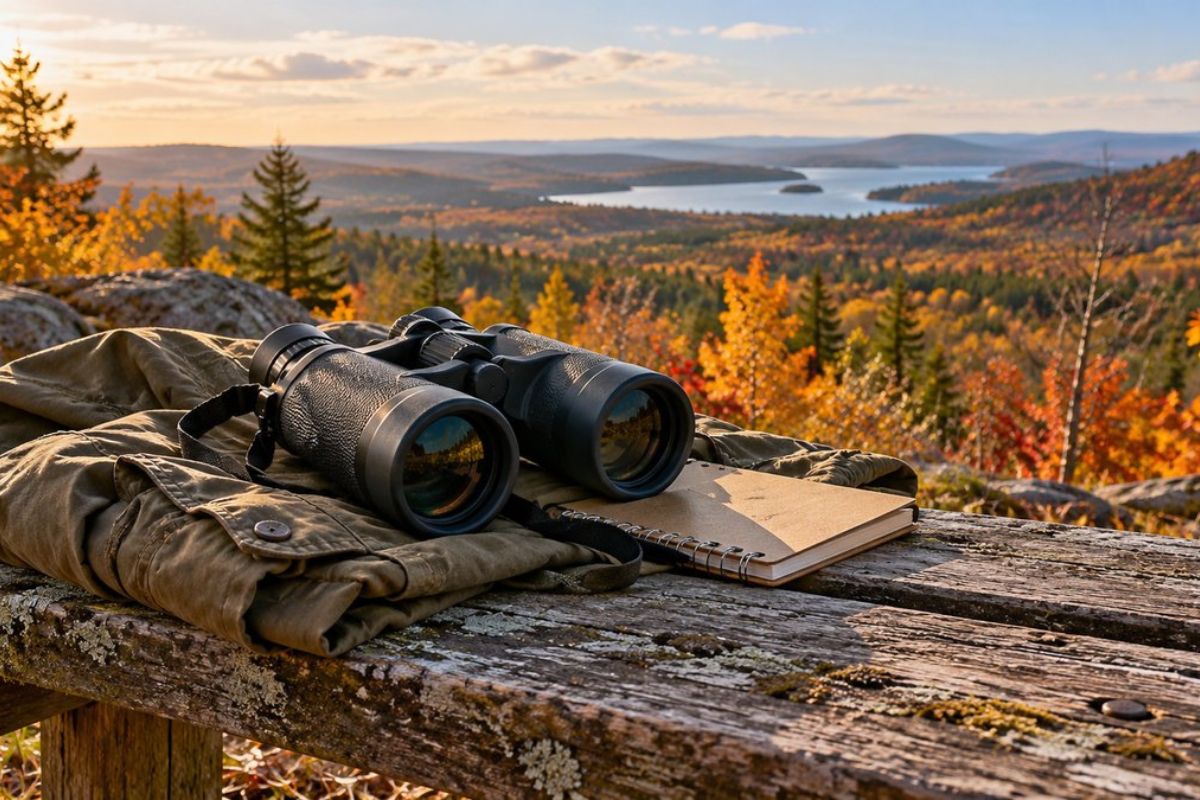
A Quieter Carry: Organize Your Hunting Binoculars and Field Notes
A zipper catches your glove. A loose buckle taps
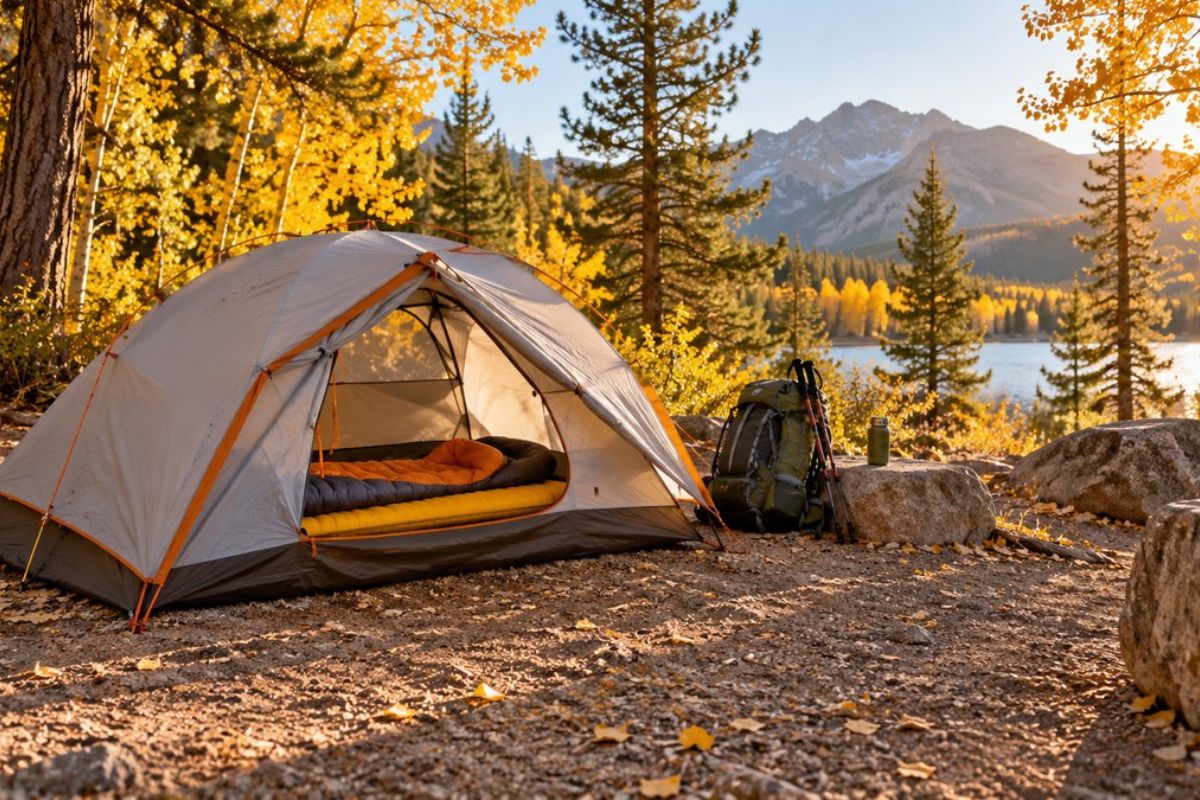
Cold at 3 A.M.? Rethink Your Fall Camping Sleep System
The evening was perfect. Dinner tasted better outdoors, the
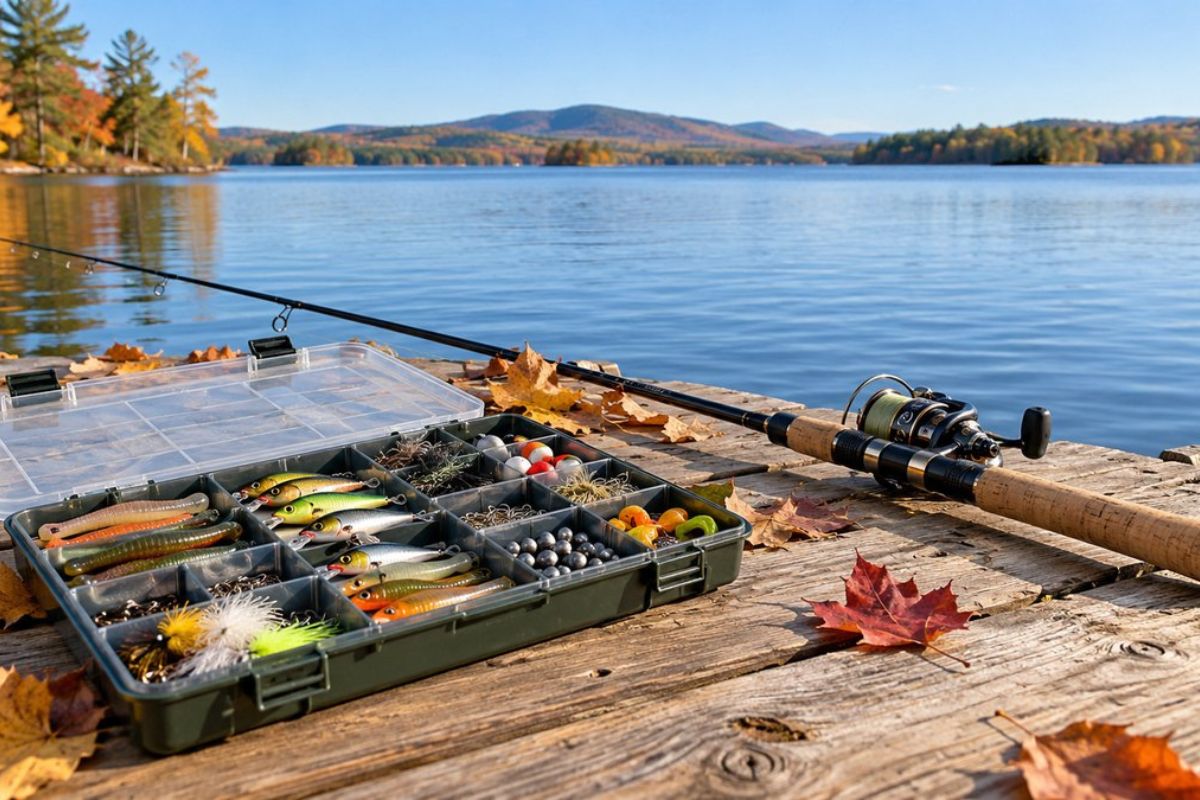
The Fall Tackle Box Reset: Pack for the Water in Front of You
Somewhere beneath the spare hooks and mystery soft plastics
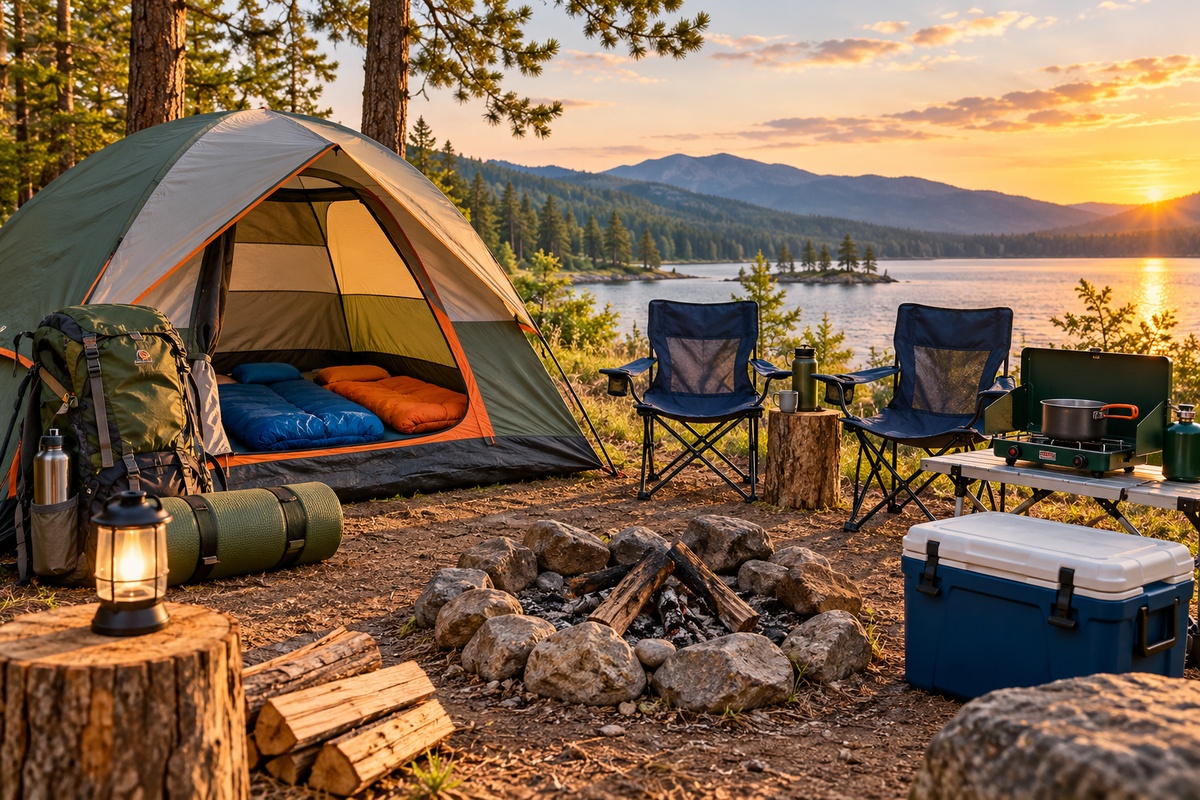
Camping Checklist: What You Really Need for Your Trip
Whether it's your first camping trip or you are a

Best Snorkeling Destinations during Winter Months for Beginners
Snorkeling in a warm location is one of the easiest

Adventure Starts with Having the Right Gear
There’s something exciting about getting ready for a new