Upland Bird Hunting for Pheasant Quail and Grouse
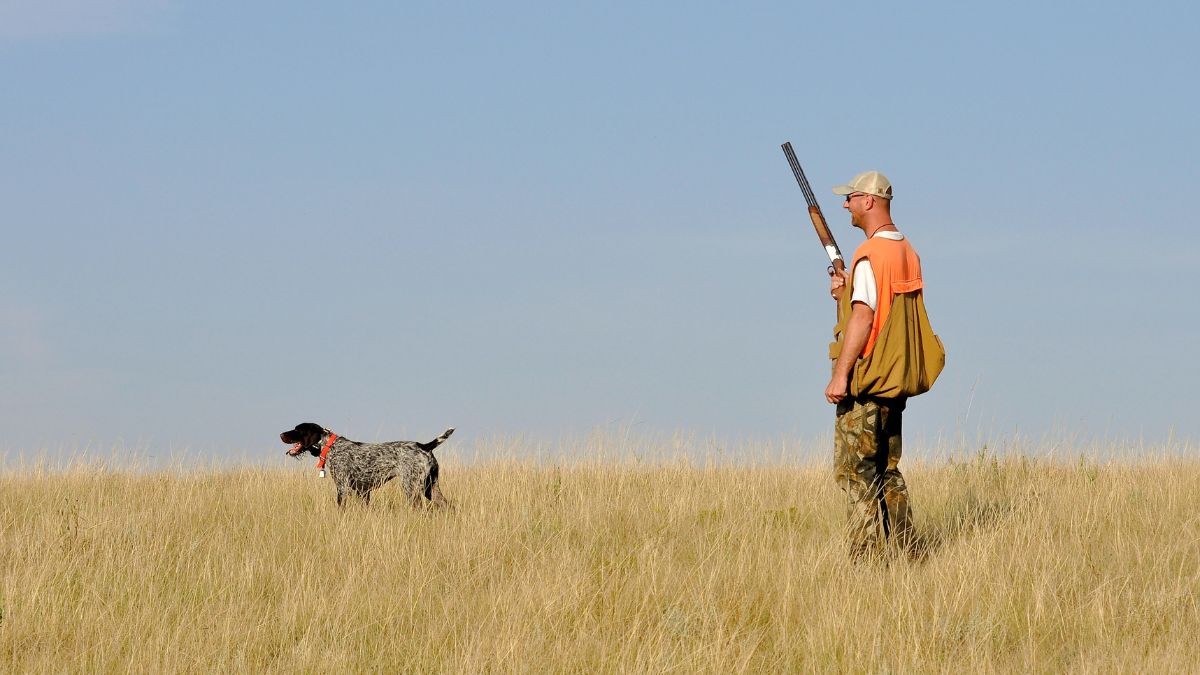
Pheasants and Open Country
Pheasants are often linked with farm country, grasslands, crop fields, and thick cover. They use grassy areas for nesting and can move between food, shelter, and winter cover as the year changes. In places such as the northern Great Plains, good pheasant country often includes a mix of crops and undisturbed grass.
Male ring-necked pheasants are easy to recognize because of their bright colors and long tails. Females are much more brown and blend into dry grass very well. Pheasants may hold tight in cover before suddenly flying, which is one reason hunters often walk slowly and pay close attention to the ground ahead.
Quail and Life in a Group
Quail are smaller than pheasants and often live in groups called coveys. Depending on the species and region, they may use grass, brush, farm edges, desert plants, or other low cover. When frightened, several birds may rise at the same time, making a quiet patch of land suddenly feel very busy.
Different parts of the country have different kinds of quail. Bobwhite quail are well known in parts of the South and Midwest, while western states may have California, Gambel’s, or scaled quail. A hunter should learn which birds live in the area before the trip because similar-looking species can have different rules.
Grouse and Woodland Hunting
Grouse often bring hunters into a different kind of country. Ruffed grouse are closely linked with forests and young woodland, while sharp-tailed grouse use more open grass and brush country. Dusky grouse may live in mountain forests and nearby shrub areas, showing how different grouse species can use very different habitat.
Grouse can blend into leaves, branches, grass, and forest floors. They may stay still until a person gets close and then burst into flight with little warning. This makes learning the bird and its habitat just as important as simply walking through the woods and hoping to see one.
Upland bird hunting is often about exploring land and learning what healthy habitat looks like. A day may include miles of walking, watching birds, reading tracks, and noticing how grass, crops, brush, and trees connect. Even a slow hunting day can teach a person a great deal about wildlife.
Always learn the local bird species before hunting and check current seasons, limits, and land-access rules. Some birds may look alike, and not every similar species can legally be hunted. Taking time to identify birds correctly is part of being a careful and responsible upland hunter.
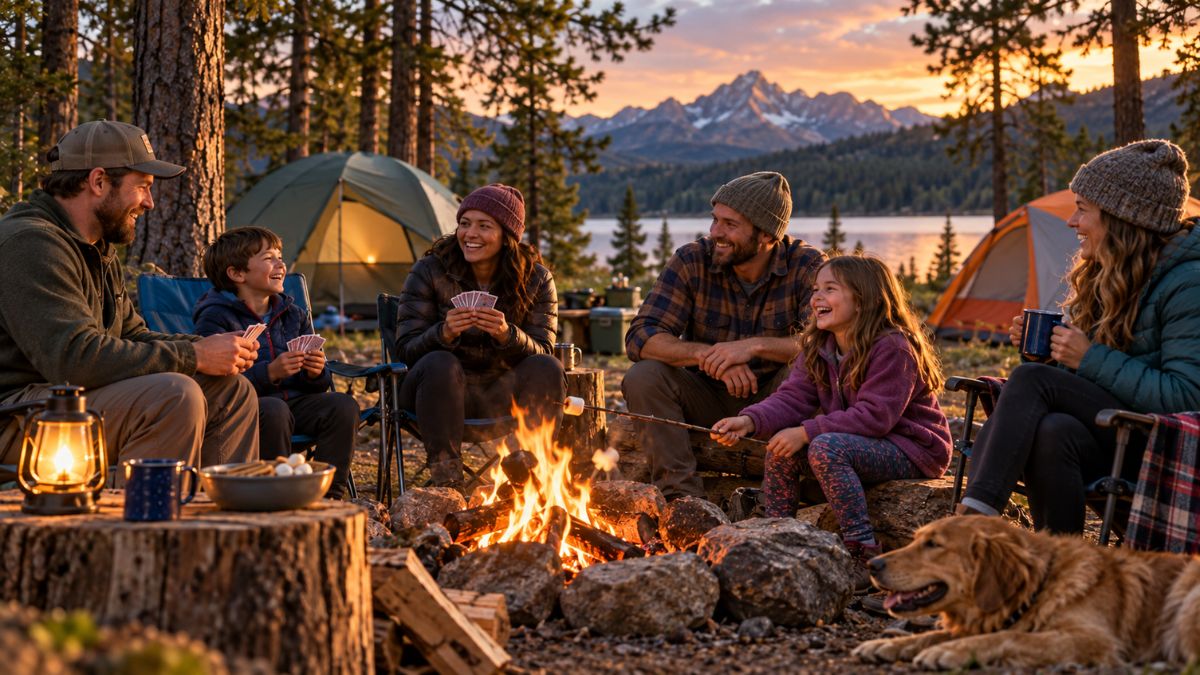
Fun Camping Activities for Families and Friends
A camping trip is about much more than sleeping
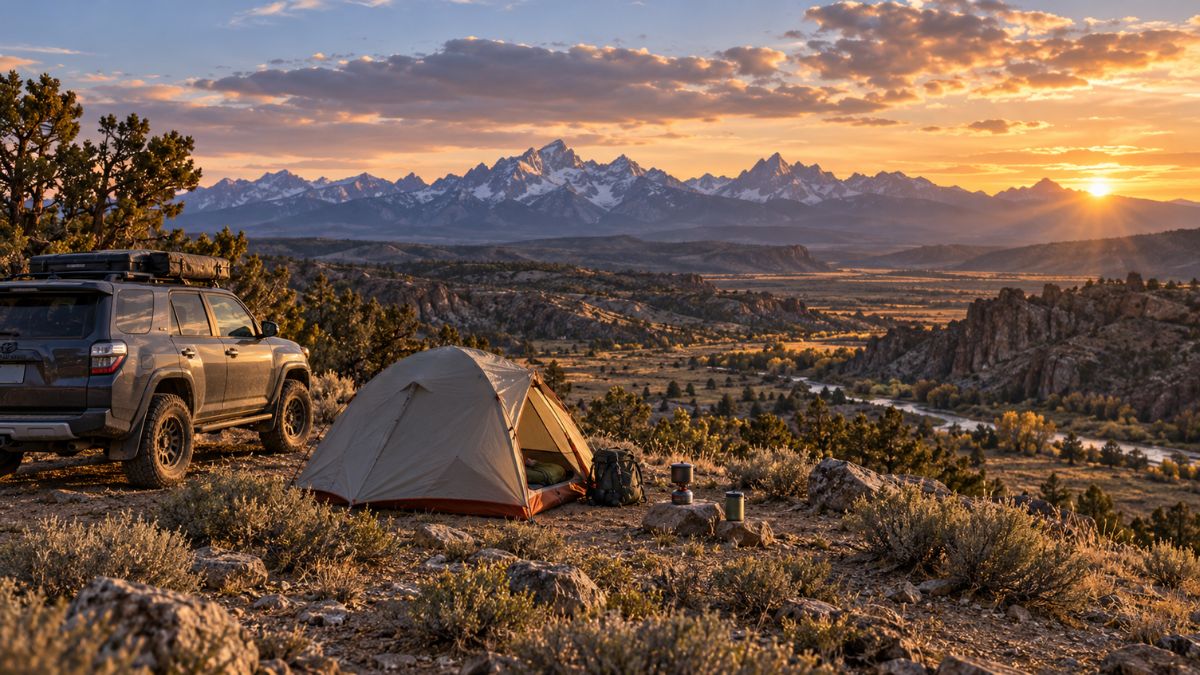
Best States for Dispersed Camping
Dispersed camping means camping outside a developed campground. You
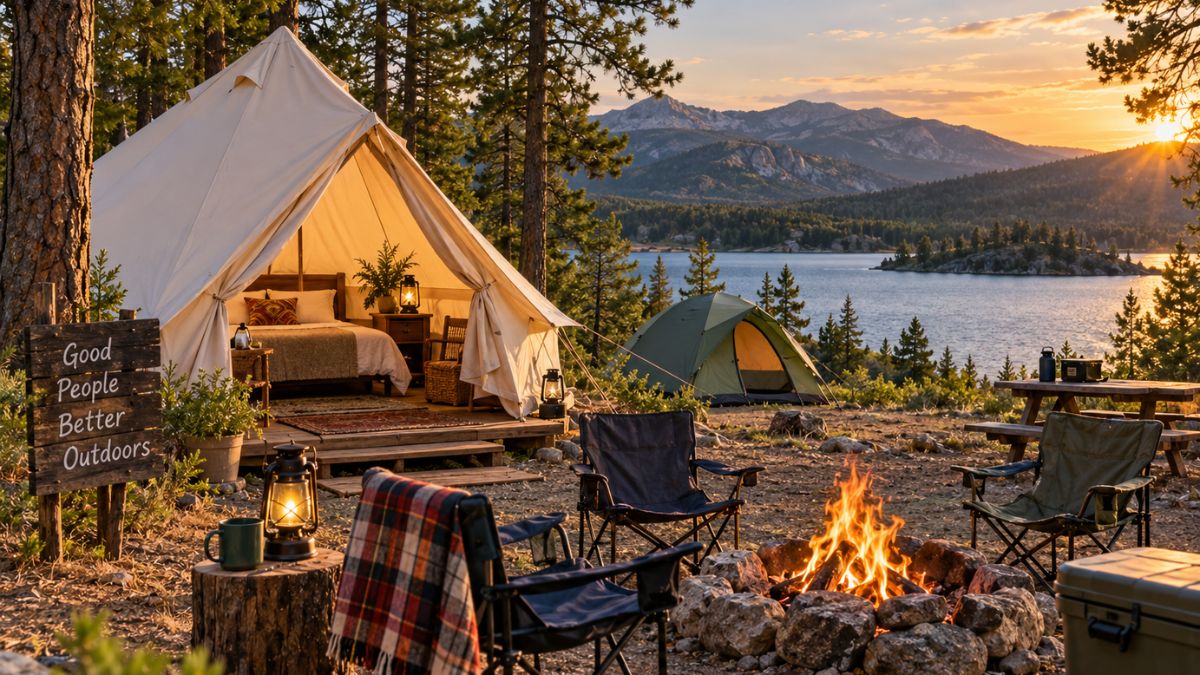
Glamping vs Camping vs Dispersed Camping
Camping can mean very different things to different people.
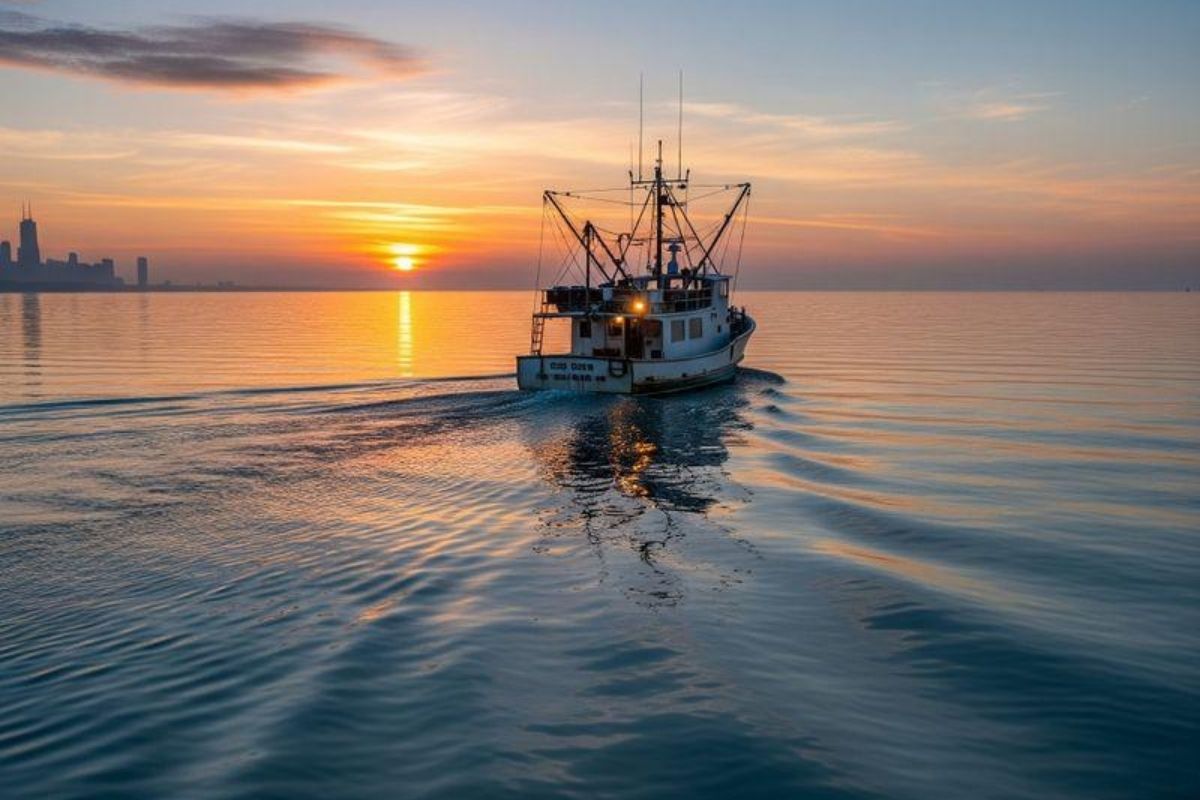
Great Lakes Fishing for Every Season
The Great Lakes are some of the best places to
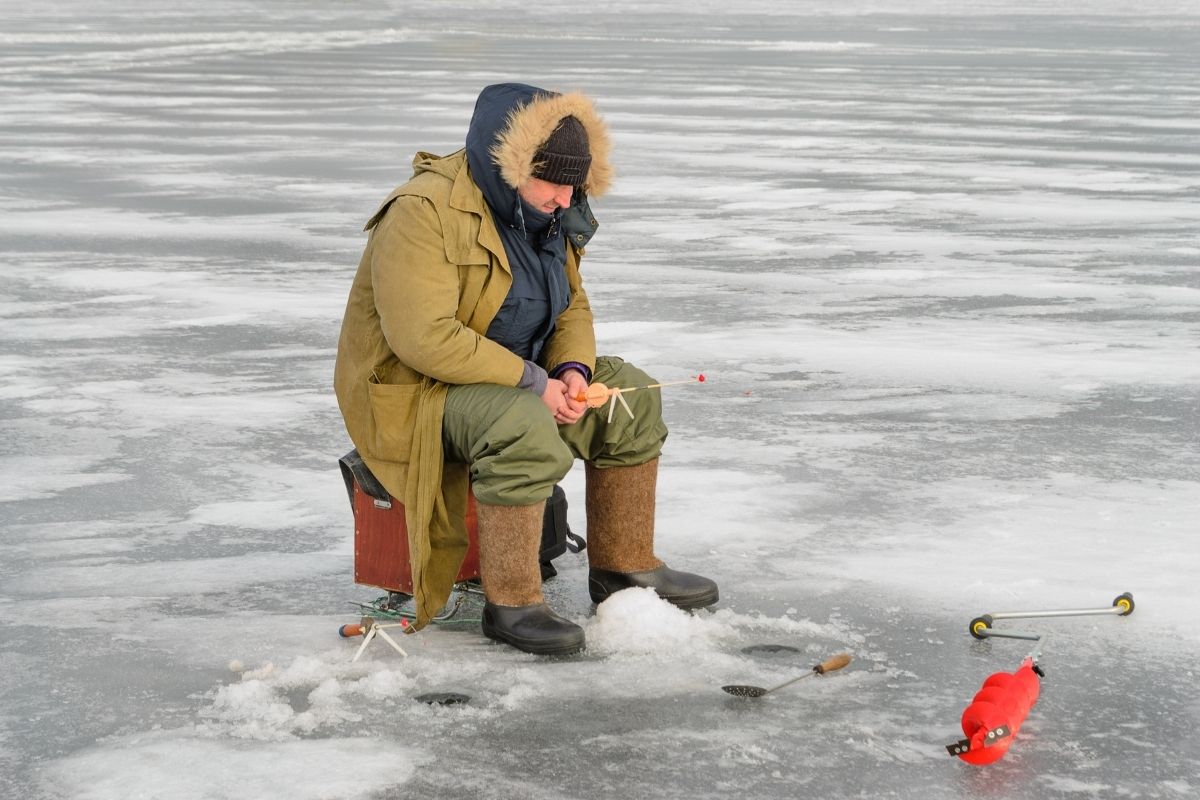
How to Ice Fish for Beginners: A Simple Guide to Getting Started
Ice fishing can look strange the first time you
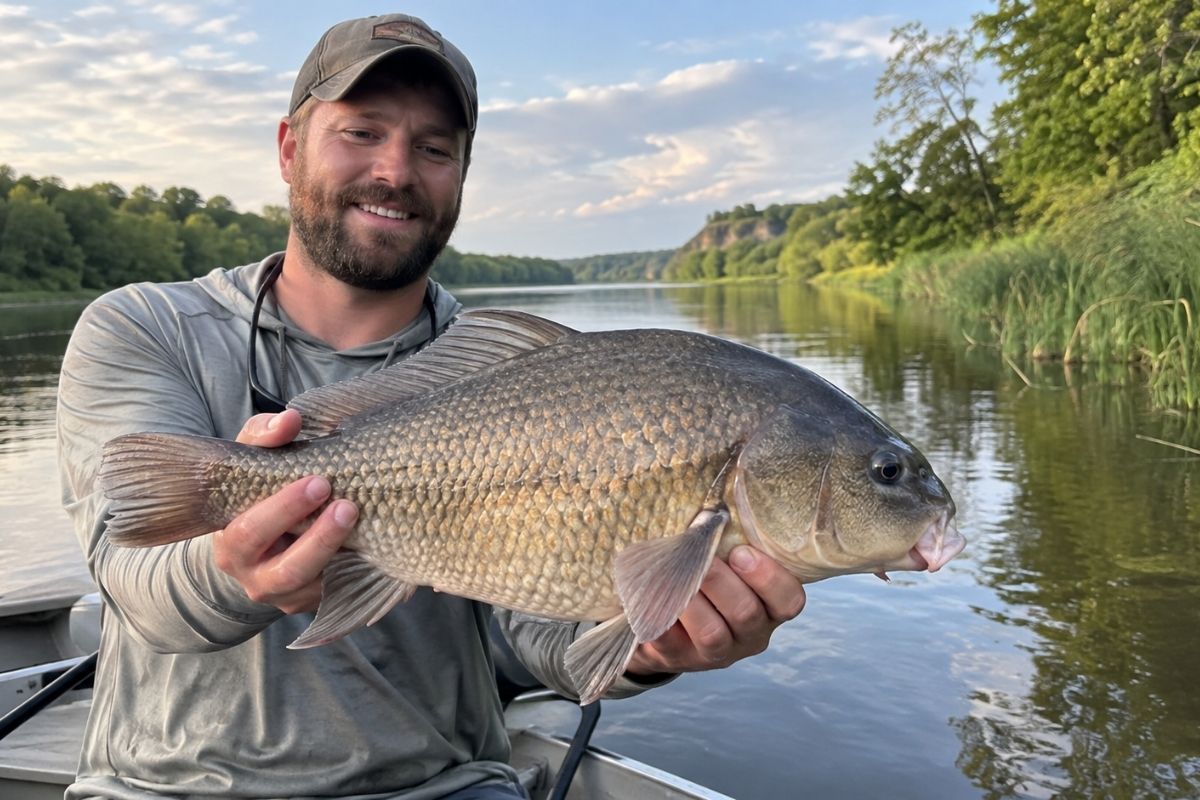
Rough Fish in Minnesota and the Upper Midwest
When many people think about fishing in Minnesota and