
Walleye Ice Fishing for Giants: Proven Winter Tactics That Put Big Fish on the Ice

Winter walleye fishing is different from open-water tactics — but when you dial it in, the biggest fish of the season often come through the ice. Below: proven approaches for locating big fish, picking the right presentation, and staying safe while you fish.
Where the big walleyes live in winter
Big walleyes are creatures of structure and forage. During winter they often suspend along edges and breaks where bait concentrates — think points, troughs, channel edges, humps, and areas near river inflows or current seams. Look for nearby shallow flats that funnel forage into deeper water and for abrupt depth changes where baitfish stack up. When you find a high percentage of larger fish on your sonar, you’ve located the right neighborhood to work carefully and deliberately.
Use your electronics — but read them carefully
A flasher or modern graph is indispensable for targeting big fish through the ice. A capable unit tells you whether fish are hugging bottom, suspended, or cruising — and it shows reaction to your bait so you can adjust presentation on the fly. When fish show but won’t commit, try toggling your jig size, fall rate, or cadence; when they follow and then retreat, add flash or scent to prompt a strike. Electronics shorten the learning curve and keep you from wasting time on dead holes.
Presentation: slow, deliberate, and match the mood
Winter walleyes can be picky. Two main presentations consistently produce big fish: a slow vertical jig with live bait or soft plastics, and deadsticking a live minnow at a key depth. Start with slow lifts — short, crisp raises followed by a long, natural fall — and watch the flasher during the fall; many walleyes strike on the drop. If the bite is tentative, go to deadsticking: let a minnow hang motionless or give it micro-twitches to imitate a stressed baitfish. Patience and slow cadences often separate keepers from dinks.
Bait and lure choices for monster walleyes
Live bait—minnows, chubs, or shiners—remains the go-to for big walleye. Match minnow size to the local forage so the presentation looks natural. For artificials, use blade-style spoons, hair jigs, rattle jigs, and small soft-plastic tails on light heads; heavier jigs are useful in current or deep water. Consider a two-pronged approach: a tip-up baited with a live minnow to hold depth while you actively jig with a lure or another live bait to trigger reaction strikes.
Tackle, line, and hookup rates
Go light but not fragile. A 24–30″ ice rod with a sensitive tip and a small spinning reel spooled with 4–8 lb test mono or fluorocarbon gives the sensitivity and forgiveness needed when big walleyes mouth a minnow gently. In stained water or when you want zero stretch, braid with a short fluorocarbon leader for better hooksets. Use stout, sharp hooks that match the bait — the right hook improves hookup and landing rates without spooking big fish.
Tip-ups and coverage strategy
Tip-ups are a force-multiplier for finding depth and holding live bait while you actively jig. Set several tip-ups across a transition—each at a slightly different depth—and check which ones trigger. Once a tip-up trips, focus active jigging nearby at that depth and cadence. Rotating between tip-ups and jigging allows you to quickly identify productive depths and present the preferred action to big walleyes.
Reading behavior and adapting
Big walleye often show different behavior than smaller fish: they might shadow bait deeper, ignore flashy presentations, or only take on slow falls. If you see larger targets on your graph that won’t hit, reduce jig size, slow your fall, or offer a more natural minnow presentation. Conversely, when smaller fish dominate, increase flash or try a faster cadence to provoke reaction strikes from larger individuals nearby.
Essential ice safety
No trophy is worth unnecessary risk. Confirm ice thickness locally (4″ is commonly cited for safe walking on clear, solid ice, but conditions vary wildly), carry ice picks, a rope, and a flotation device, and never fish alone when possible. Dress in layered, moisture-wicking clothing and keep spare dry clothes in a sealed bag in your vehicle. Always tell someone your planned location and expected return time.
Persistence pays
Catching big walleye through the ice takes a mix of scouting, patience, and willingness to adjust. Use electronics to find fish, start with classic minnow-and-jig presentations, rotate tip-ups to broaden coverage, and slow down your cadence when the bite is light. When you connect with a productive pattern, commit to it—but remain ready to tweak lure size, depth, and action as conditions change. Winter gives anglers a real chance at big, hard-fighting walleyes — fish smart and stay safe.


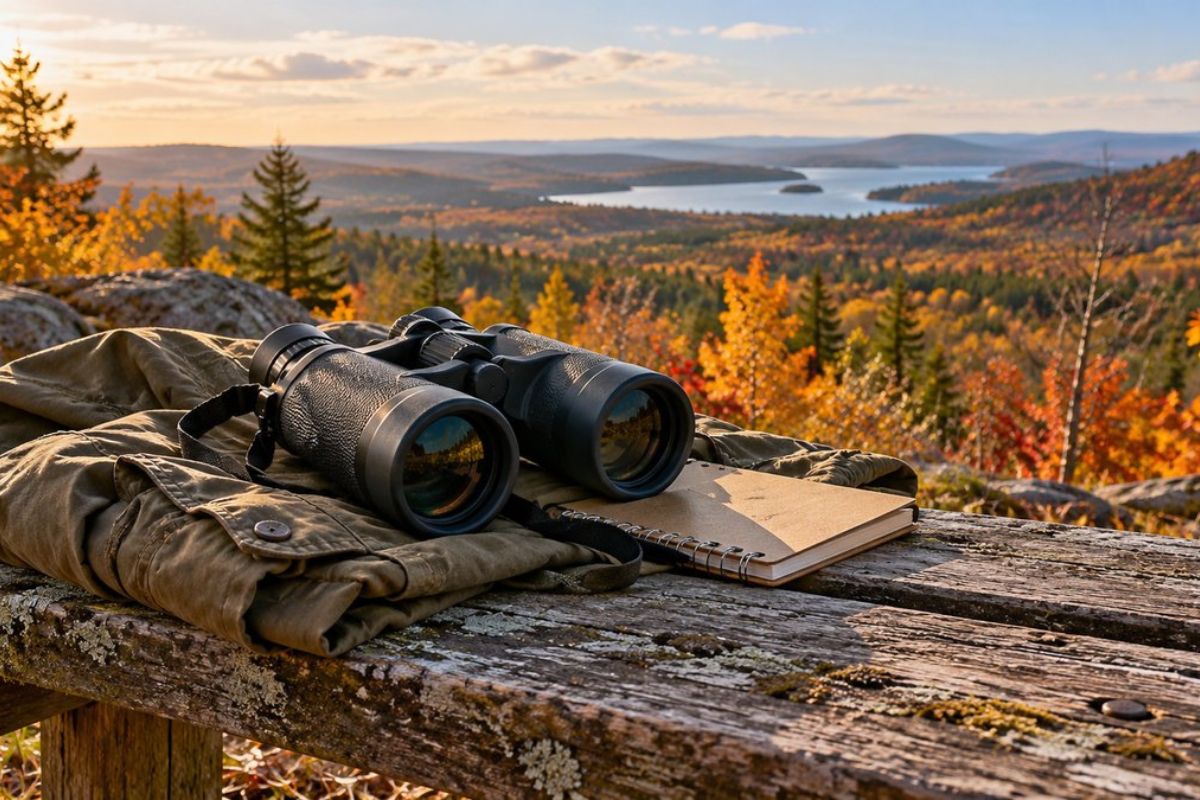
A Quieter Carry: Organize Your Hunting Binoculars and Field Notes
A zipper catches your glove. A loose buckle taps
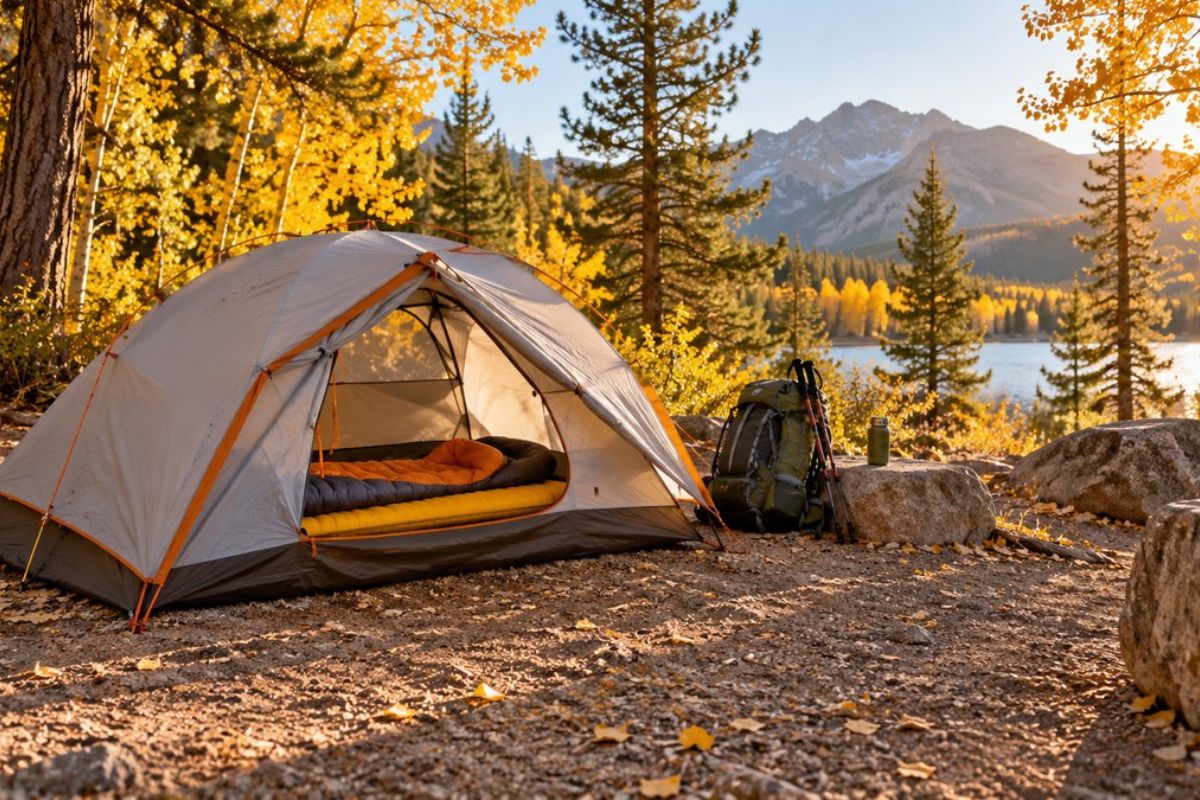
Cold at 3 A.M.? Rethink Your Fall Camping Sleep System
The evening was perfect. Dinner tasted better outdoors, the
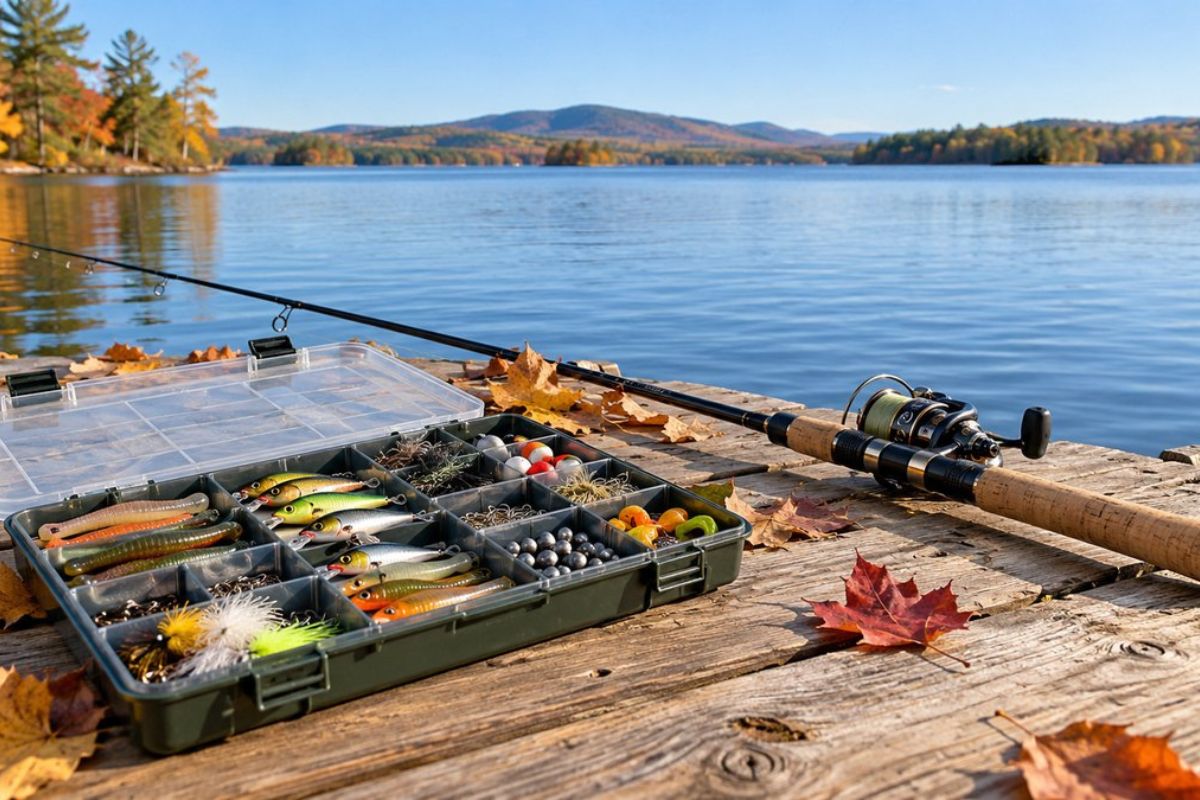
The Fall Tackle Box Reset: Pack for the Water in Front of You
Somewhere beneath the spare hooks and mystery soft plastics
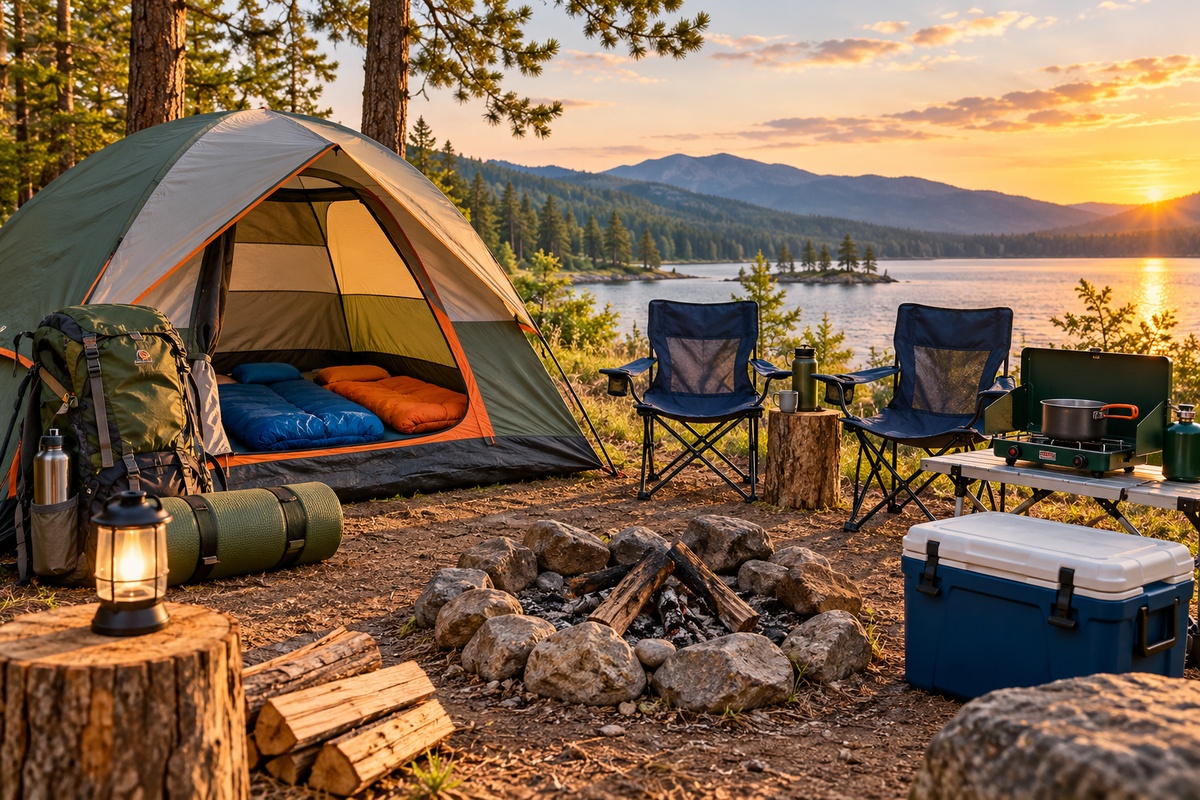
Camping Checklist: What You Really Need for Your Trip
Whether it's your first camping trip or you are a
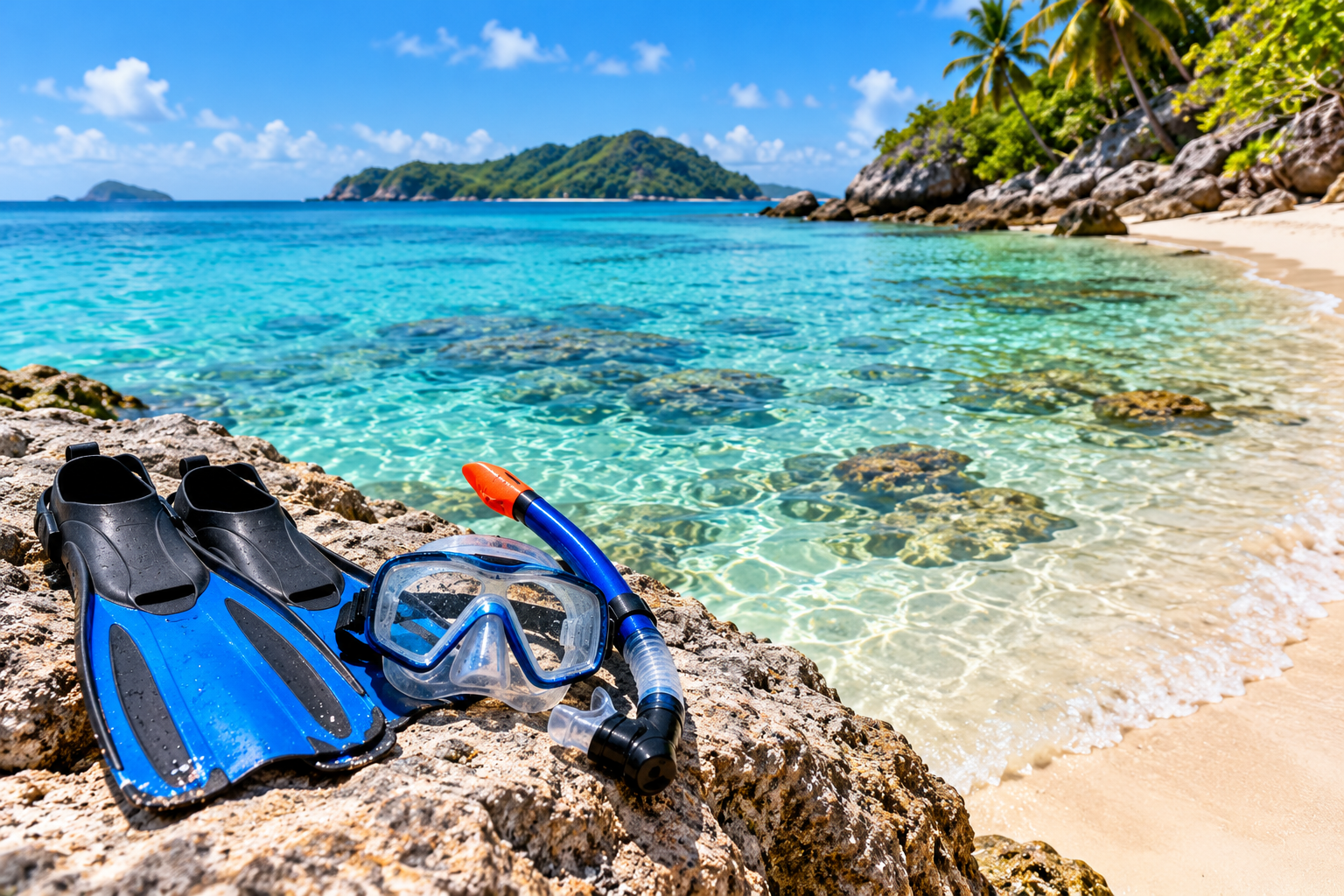
Best Snorkeling Destinations during Winter Months for Beginners
Snorkeling in a warm location is one of the easiest
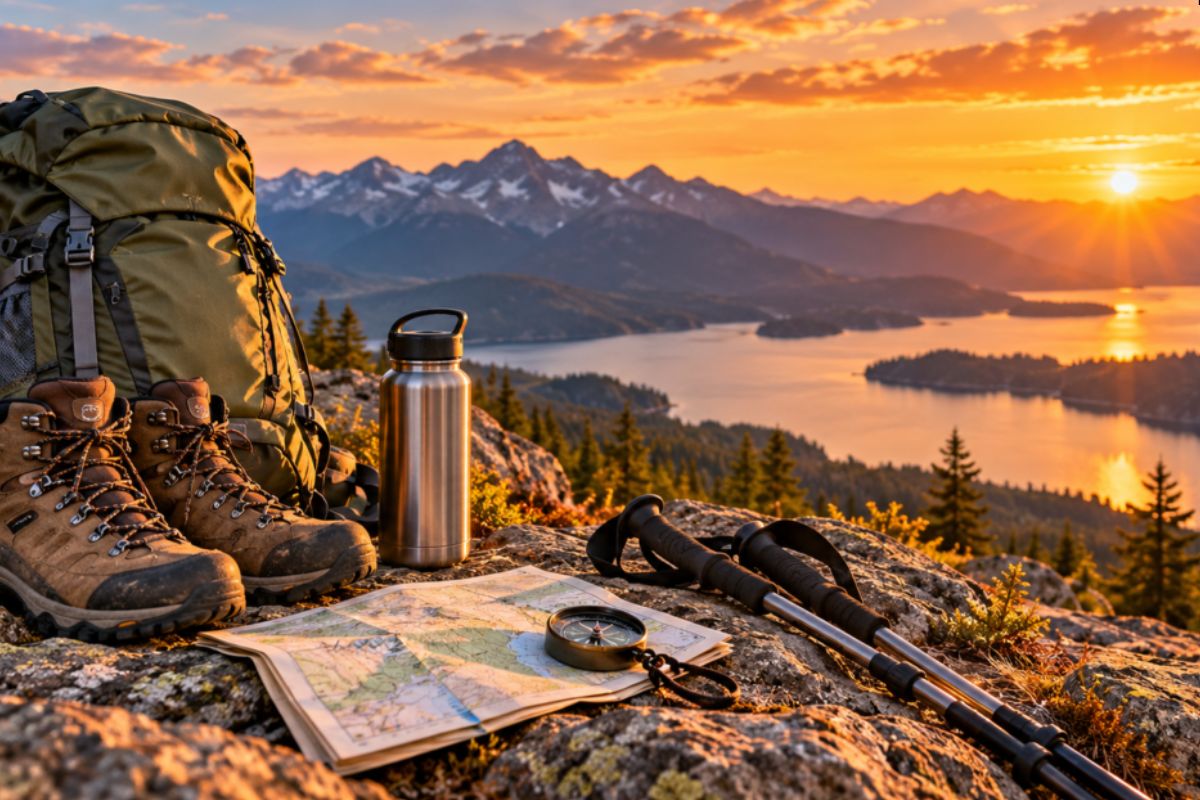
Adventure Starts with Having the Right Gear
There’s something exciting about getting ready for a new