ATV Safety Tips for New Riders
Wear the Right Safety Gear
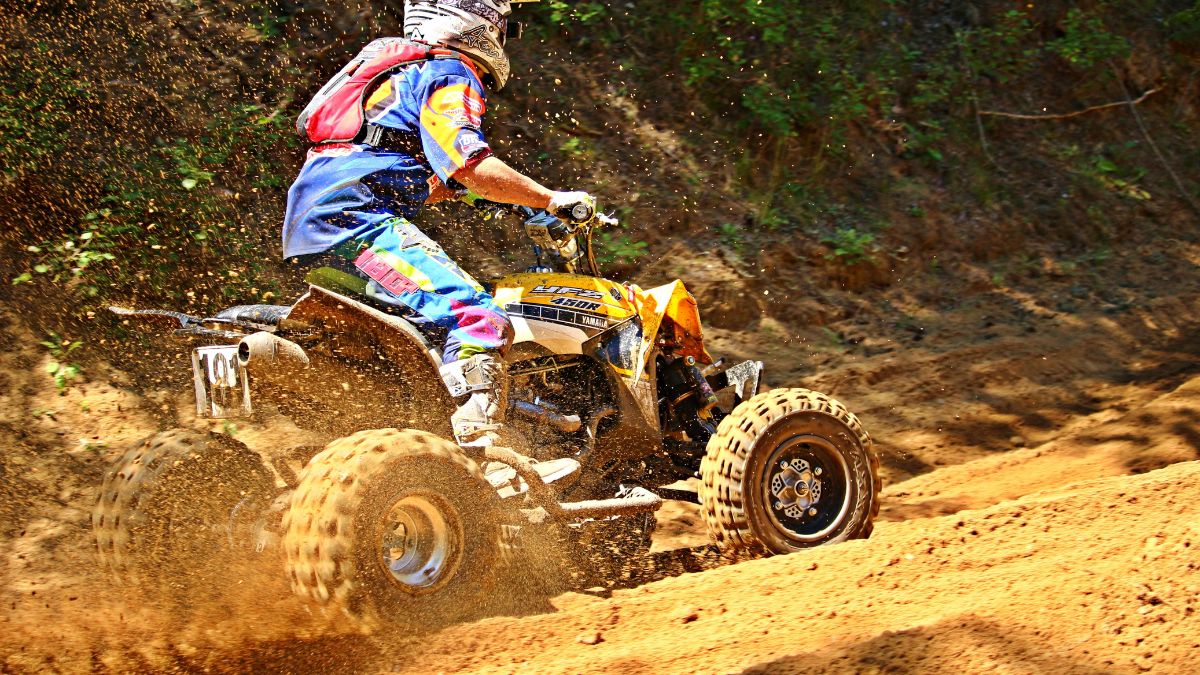
A helmet should be part of every ATV ride. Eye protection, gloves, long pants, a long-sleeved shirt, and over-the-ankle boots also help protect the rider from dirt, branches, rocks, and falls. Protective gear may feel warm or bulky, but it is much easier to wear it than to deal with an injury.
Check the ATV before riding. Look at the tires, brakes, lights, controls, and fuel, and make sure nothing feels loose or damaged. If something does not look right, fix it before the ride instead of hoping it will last until you return.
Match the ATV to the Rider
Children younger than 16 should not drive adult ATVs. Youth ATVs are made with younger riders in mind and have different size and speed limits. The age label on the machine and the maker’s instructions should always be followed.
Horsepower is not a good way to decide what a rider can safely handle. A new rider needs a machine that can be controlled with confidence at slow speeds before worrying about more power. Age, body size, skill, training, and the type of trail all matter more than having the largest engine.
Ride Smart on the Trail
ATVs are made for off-road use. Paved roads can make them harder to control, and traffic adds another danger. Ride only where ATV use is allowed and use public roads only when local rules allow a safe crossing. Do not add a passenger to a single-rider ATV. The rider needs room to move body weight while turning and climbing, and another person can make the machine harder to control. Only carry a passenger when the ATV was built with a real passenger seat and the maker allows it.
Slow down when you cannot see what is ahead. Hills, turns, dust, trees, and other riders can hide danger until the last second. A safe speed is one that gives you enough time to stop when the trail changes. Never ride after drinking alcohol or using drugs that affect judgment. ATV riding needs balance, quick thinking, and good control. Even a small mistake can become serious when a machine is moving on rough ground.
Try to ride with another person, especially in remote places. Carry water, basic first aid supplies, and a way to find your route. Let someone at home know where you are going and when you plan to return. Good ATV riding is not about proving who can go the fastest. It is about learning the machine, reading the trail, and making good choices before trouble starts. The more control you build at slow speeds, the more confident and safe your riding can become.
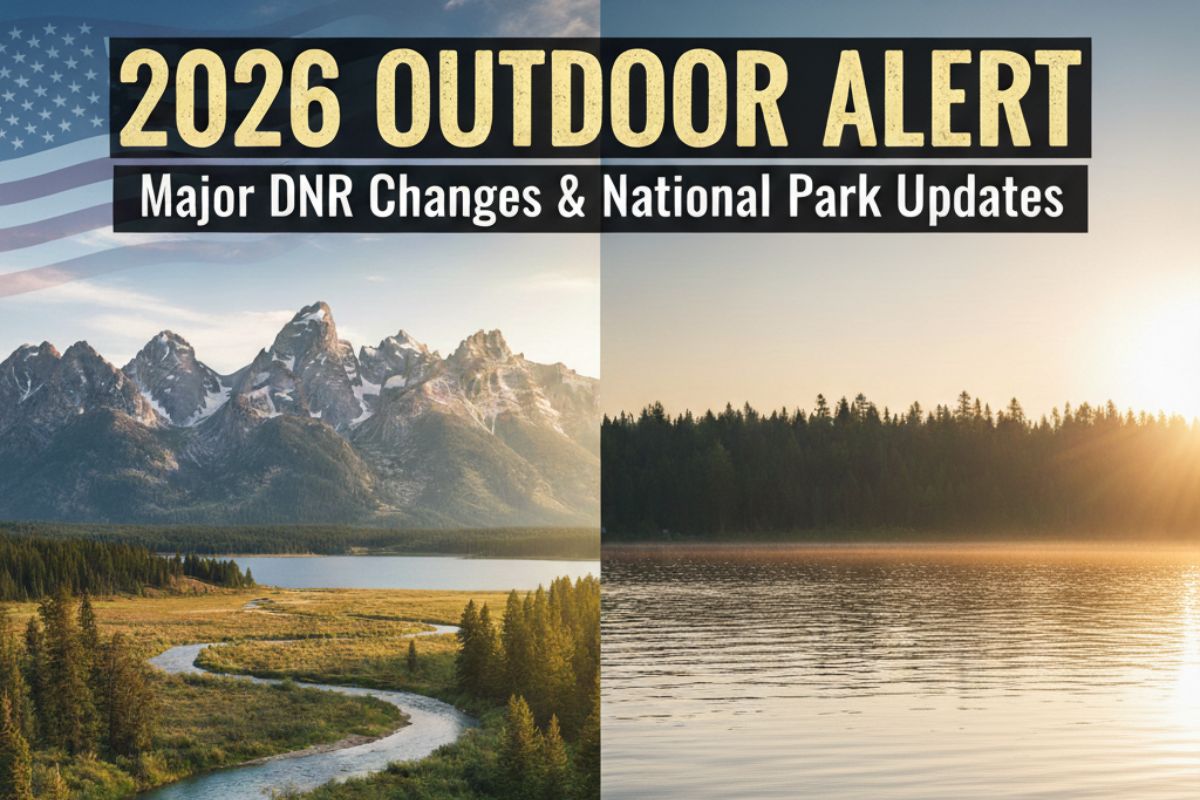
2026 Outdoor Alert: Major DNR Changes and National Park Updates
The 2026 season is bringing significant shifts to the

Spring Tune-Up: Essential Maintenance for Kayaks and Paddleboards After Winter Storage
As the snow melts and the first hints of green

Snowmobiling Safely: Essential Gear to Stay Warm, Protected, and Ready for the Ride
Snowmobiling is one of the most exciting ways to explore

Find Big Fish This Season — Walleye Ice Fishing: Where to Look and Why
Know where walleyes live in winter Unlike summer feeding patterns,

Walleye Ice Fishing 101: Structure, Depth, and Presentations That Produce All Season
Start with structure: where the walleyes concentrate Winter walleyes are

Walleye Ice Fishing for Giants: Proven Winter Tactics That Put Big Fish on the Ice
Winter walleye fishing is different from open-water tactics — but