
Choosing Between Tubing Water Skiing and Kneeboarding
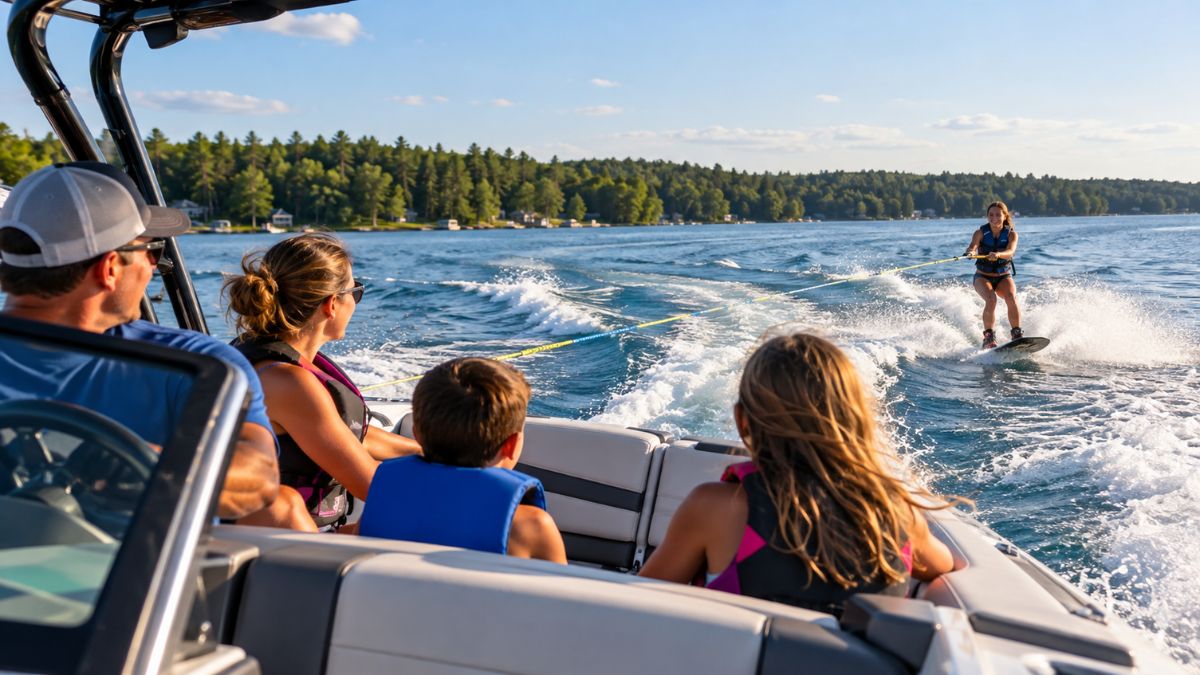
The right choice depends on your age, skill, comfort in the water, and how much of a challenge you want. A family with young beginners may start with tubing, while someone who enjoys learning new skills may want to try wakeboarding or water skiing. Knowing what each sport is like can make the day more fun and less stressful.
Starting With Tubing and Kneeboarding
Tubing is one of the easiest ways to enjoy a towed water sport because you do not have to stand up. Riders sit, lie, or kneel on a large tube while a boat pulls them across the water. The driver can keep the ride slow and easy for beginners or make wider turns for people who want more excitement.
Kneeboarding is a step up because the rider kneels on a board and holds a tow rope. Your body stays lower to the water than it does on water skis or a wakeboard, which can make balance feel easier for some beginners. It still takes practice to get into position, hold the rope, and stay steady as the boat moves.
Learning Water Skiing and Wakeboarding
Water skiing uses one ski on each foot, and the rider starts low in the water while holding a tow rope. As the boat moves forward, the skis rise onto the surface and the rider stands. Learning to relax and let the boat do the pulling can be one of the hardest parts for a first-time skier.
Wakeboarding uses one wider board with both feet attached. The rider stands sideways, a little like a snowboarder, and can learn turns and other moves as skill grows. Wakeboarding may take several tries at first, but many riders enjoy the feeling once they learn how to get up and stay balanced.
Choosing the Best Sport for Your Group
Think about the people who will be riding before you choose the sport. Tubing can work well for families because there is less skill to learn, while kneeboarding can help riders get used to holding a rope and moving behind a boat. Water skiing and wakeboarding may be better for people who want a bigger challenge and do not mind falling while they learn. Safety should be part of every ride. Riders should wear a life jacket that is approved for the activity, and the boat driver should keep a safe distance from docks, swimmers, other boats, and shallow water. A second person on the boat can help watch the rider while the driver keeps eyes on the water ahead.
Start slowly and let each rider choose how much speed feels comfortable. A new rider does not need a fast or rough ride to have fun. Smooth starts, wide turns, and clear hand signals between the rider and boat can make learning much easier. Weather and water conditions matter too. Strong wind can make the lake rough, while heavy boat traffic can create large wakes. Beginners often have a better time early in the day when the water is calmer and there is more room to practice.
Do not worry about learning every water sport in one trip. Try one activity, take breaks, and let people stop when they are tired. Water sports use more energy than they may seem to use from shore, especially after many falls and starts. The best water sport is the one your group feels excited to try. Tubing can bring lots of laughs, kneeboarding can build confidence, and water skiing or wakeboarding can give riders a fun new challenge. Start with safety, keep the pressure low, and let the day on the water become the memory.


How to Stay Safe Around Wildlife
Seeing wildlife can be one of the best parts

Animal Tracking for Beginners
You do not have to see an animal to know

What Is Forest Bathing and How Do You Do It
Forest bathing does not mean taking a bath in
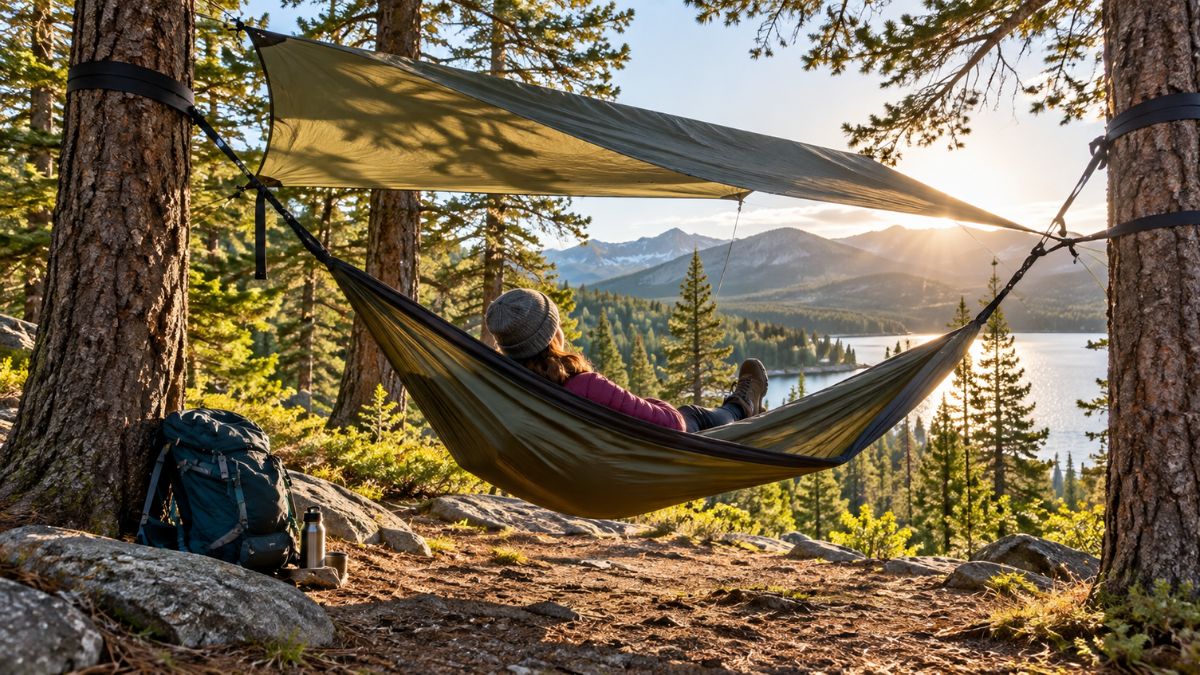
Hammock Camping for Beginners
A hammock can turn a quiet outdoor spot into a

Winter Survival Tips for Outdoor Adventures
Winter can make a normal outdoor trip much harder.

Powder vs Hard-Packed Snow
Snow can look the same from far away, but