Best Places to Go ATV Riding in the United States
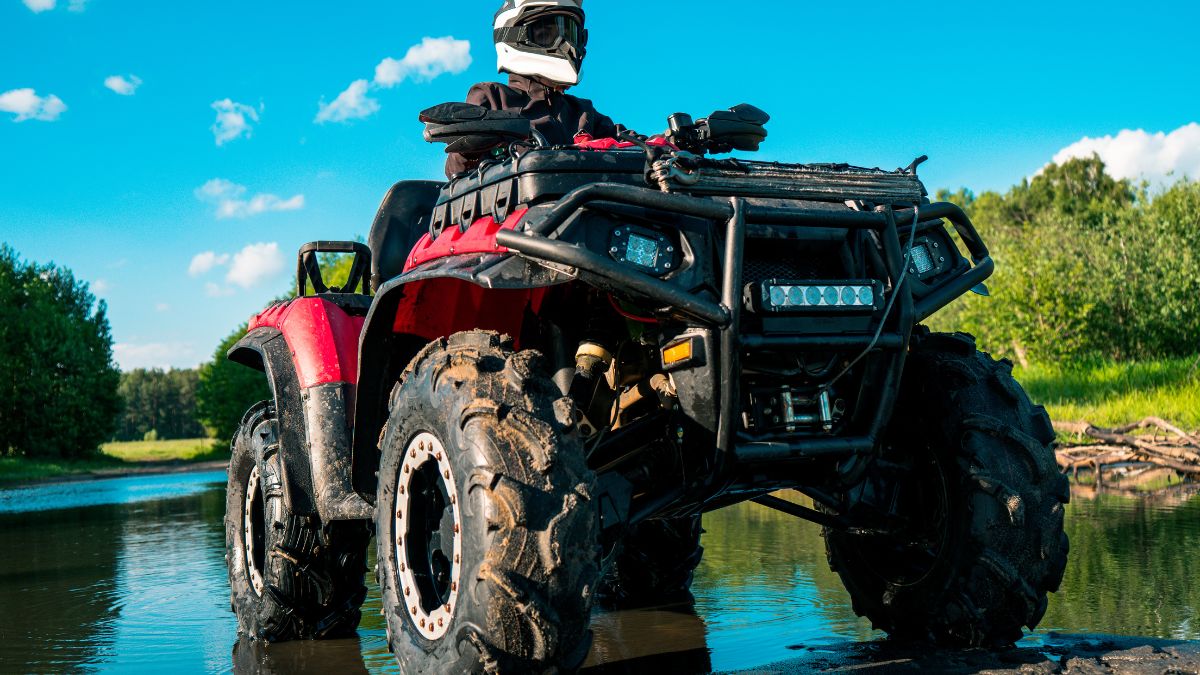
Mountain and Forest Trail Riding
West Virginia is well known for the Hatfield-McCoy trail system, where riders can explore a large network of off-road trails through mountain country. Other eastern and northern states also have public trail systems that move through forests and hills. These areas can be great for riders who like changing views and long trail days.
Colorado, Utah, Idaho, and other western states also have many off-highway riding areas on public land. Trails may pass through forests, high desert, rocky valleys, or mountain country. Always stay on routes that are open to your type of vehicle because some public land is open to motor use while other areas are closed.
Desert and Sand Riding
The Imperial Sand Dunes in California are a famous place for off-highway vehicles. The dune system stretches for many miles, and open riding areas give ATV and UTV riders a very different experience from forest trails. Sand riding can be difficult for a beginner because hills, soft ground, and hidden drop-offs change how the vehicle handles.
Nevada, Arizona, and New Mexico also have desert riding areas with sand, hills, and open country. Sand Mountain in Nevada and the Dunes area near Farmington, New Mexico, are examples of places made for off-highway recreation. Desert trips require extra planning for heat, water, fuel, and long distances between services.
Planning an ATV Riding Vacation
Choose a riding area based on the type of ground you want to explore. Forest trails, desert dunes, and rocky routes all ask different things from the rider and the vehicle. A smooth trail system may be better for a first trip than a remote open area where help is far away. Check permits and registration rules before leaving home. Some riding areas require a local permit, OHV sticker, or day-use fee even if your vehicle is registered in another state. Trail rules may also require helmets, flags, spark arresters, or other safety items. Weather should be part of your plan too. Desert areas can become dangerously hot, while mountain trails may stay snowy or muddy much later than expected. Heavy rain can also make dirt roads hard to use or cause some routes to close. Carry a map even if you use a phone or GPS. Cell service may disappear on remote trails, and batteries can fail. Tell someone where you plan to ride and when you expect to return so they know where to start looking if you do not come back on time.
Respect the land while you ride. Stay on marked routes, avoid private property, slow down near people and animals, and do not drive through closed areas. Good trail use helps keep riding areas open for the people who come after you. The best ATV destination is not always the place with the biggest hills or the most miles. It is the place that fits your vehicle, your riding skill, and the kind of trip you want. Start with a good plan, follow local rules, and let the trail be the adventure.
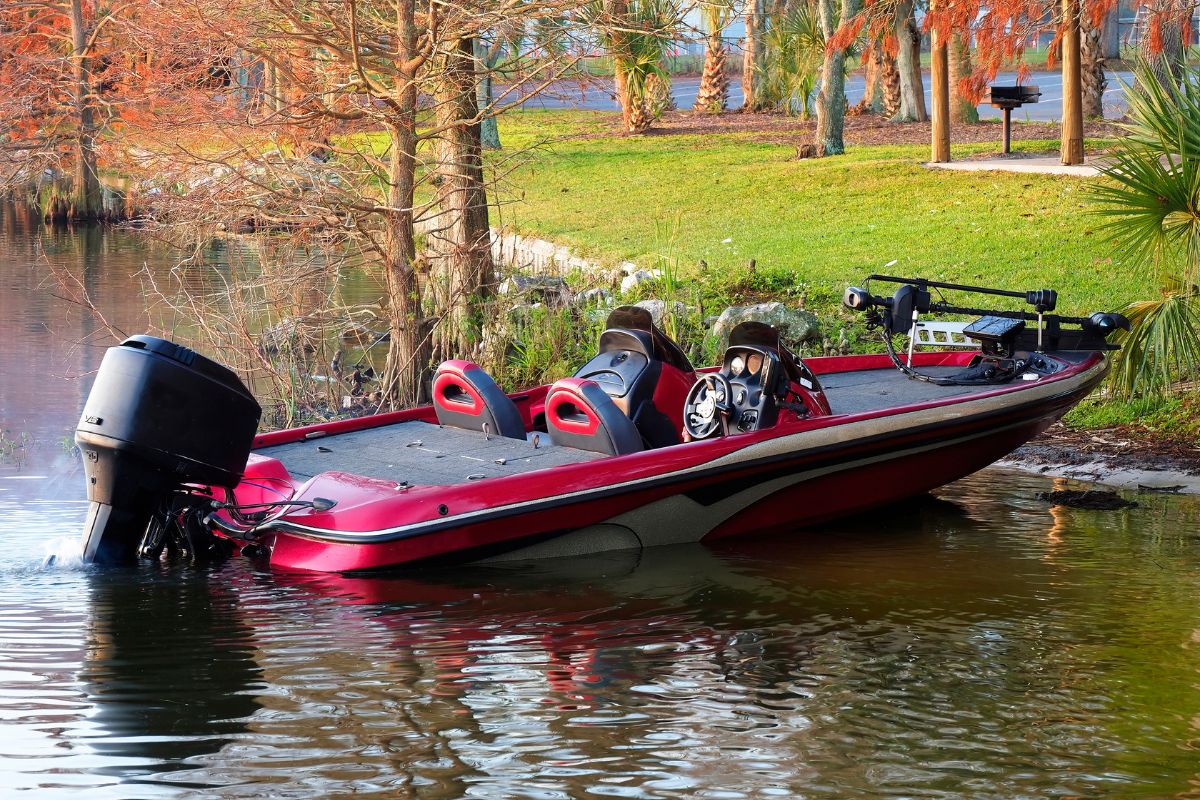
Essential Boat Maintenance Parts to Check This Summer
Summer is one of the busiest seasons for boat owners.
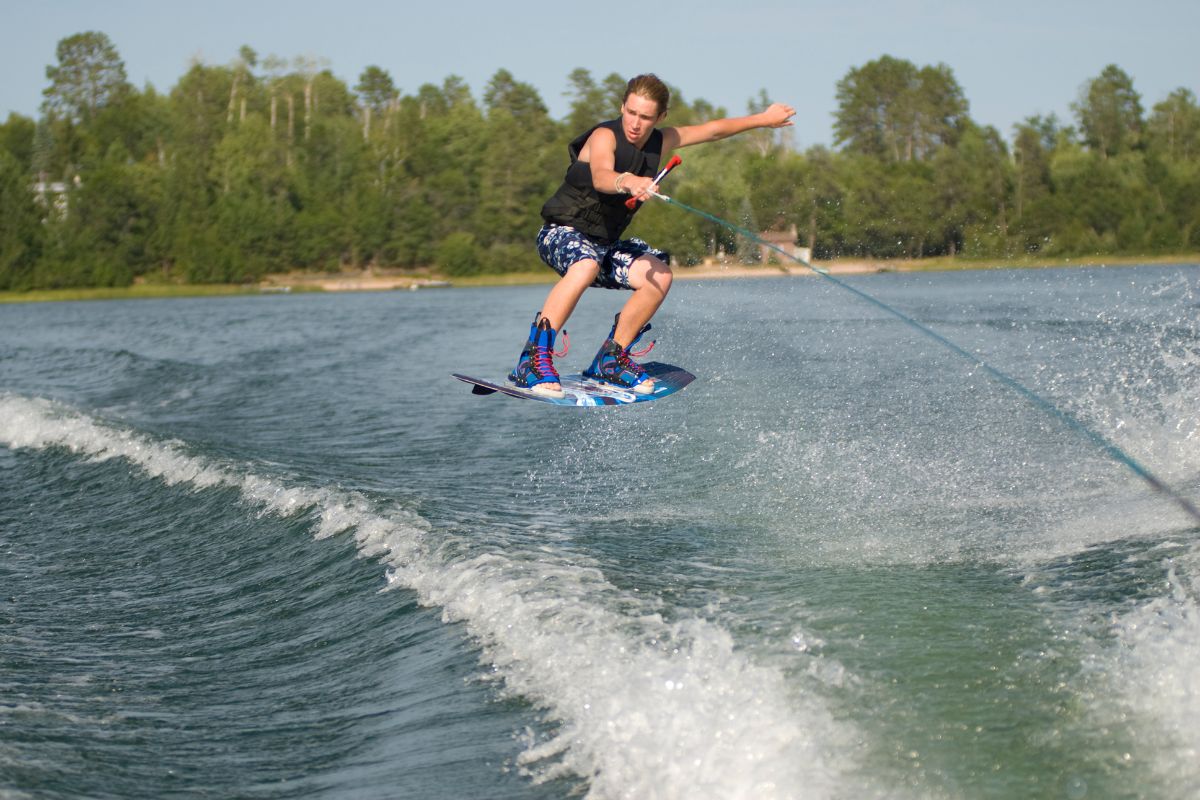
2026 Wakeboard Gear Guide: New Boards, Bindings & Must-Have Accessories
As winter fades and the water begins to warm, riders
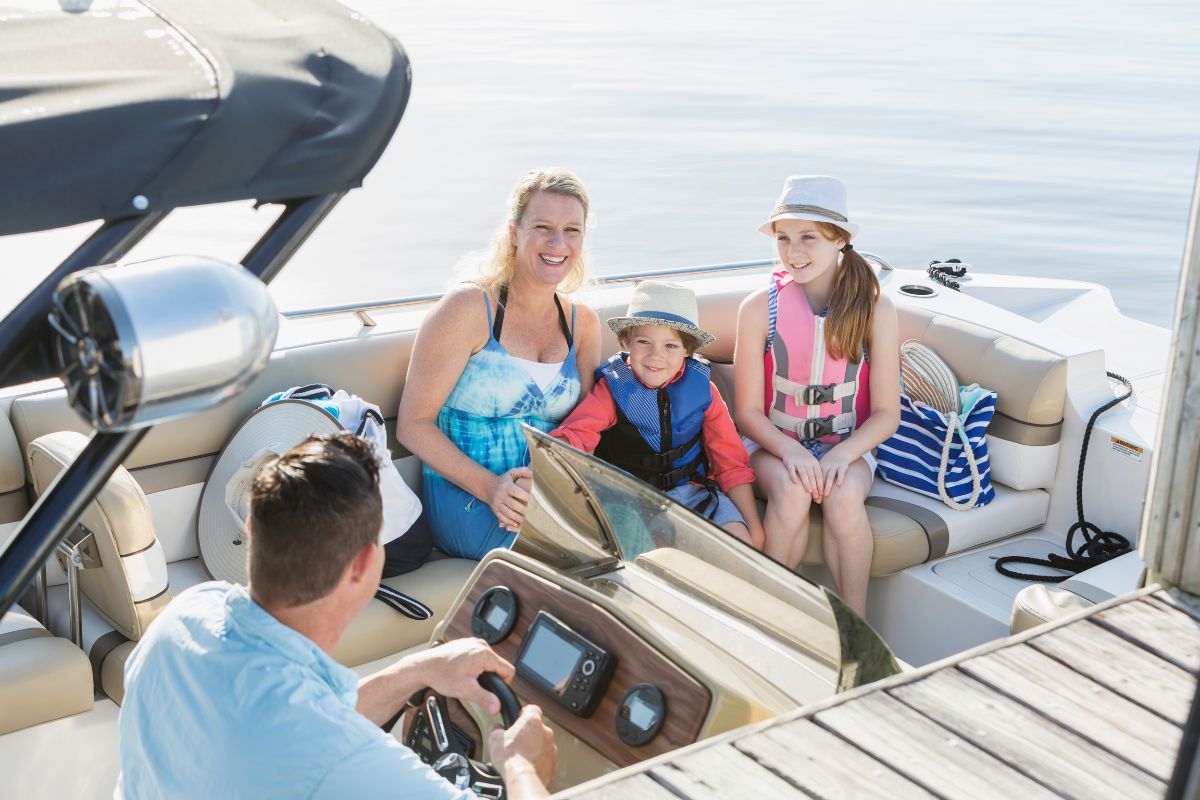
Must-Have Boat Accessories for Every Boater
Boating in 2026 is more advanced, comfortable, and technology-driven than
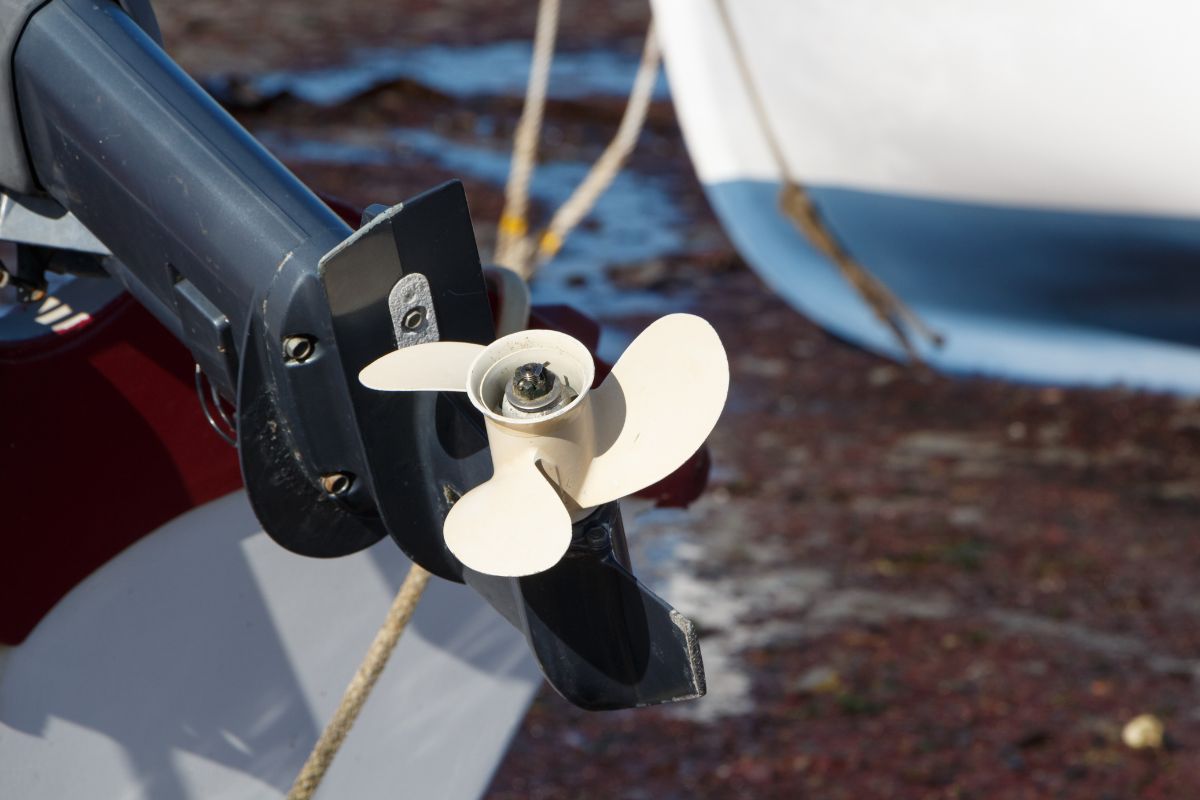
The Best Replacement Parts for Boats in 2026
Boat ownership in 2026 is all about reliability, efficiency, and
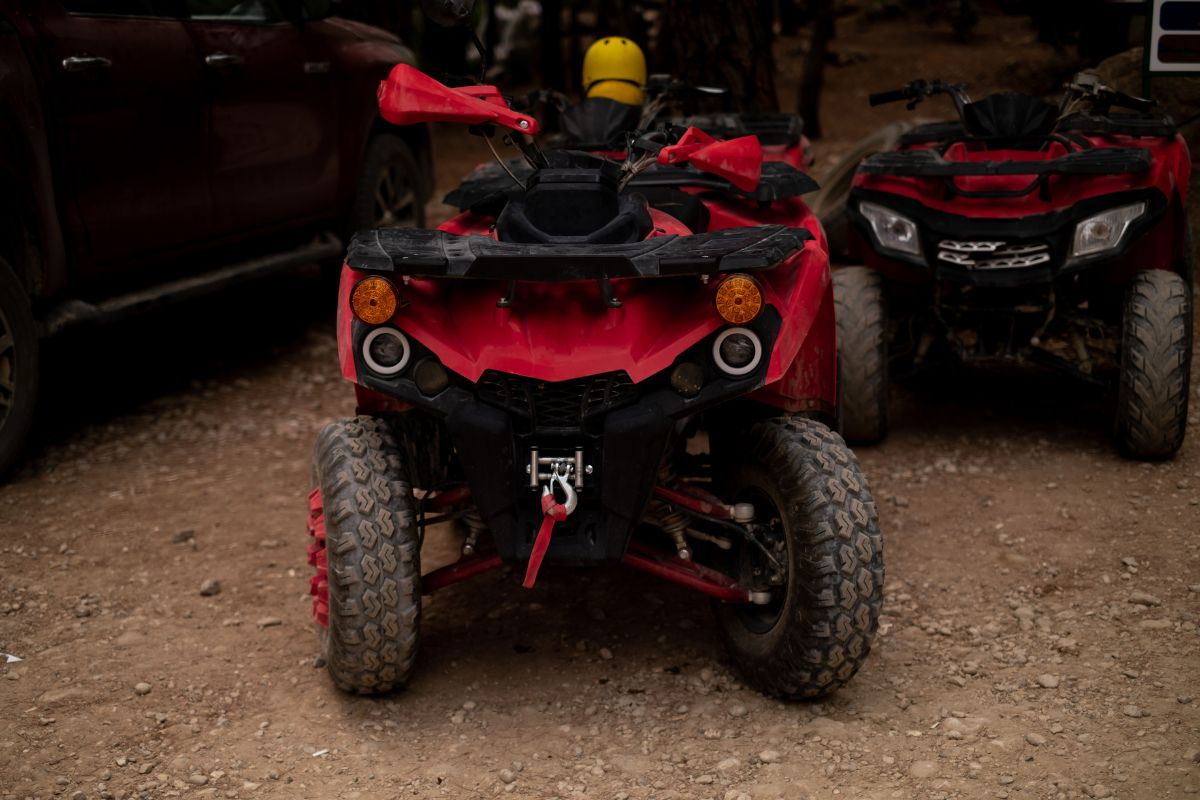
Preparing for the 2026 Power Sports Season: Top Helmets, Gloves & Accessories to Gear Up Safely and Stylishly
As the 2026 power sports season approaches, riders across the
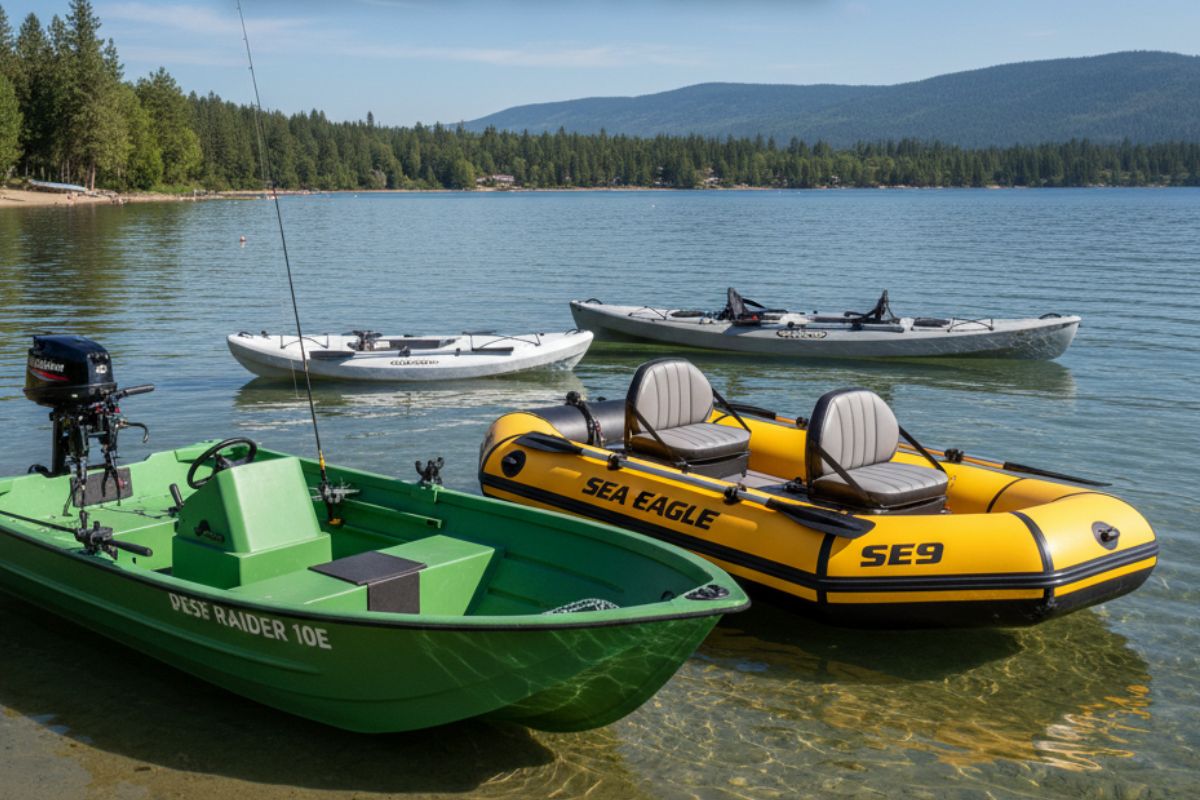
Best New Boats Under $1,000 for 2026
Finding high-quality boats under $1,000 is still possible in 2026.