
Glamping vs Camping vs Dispersed Camping
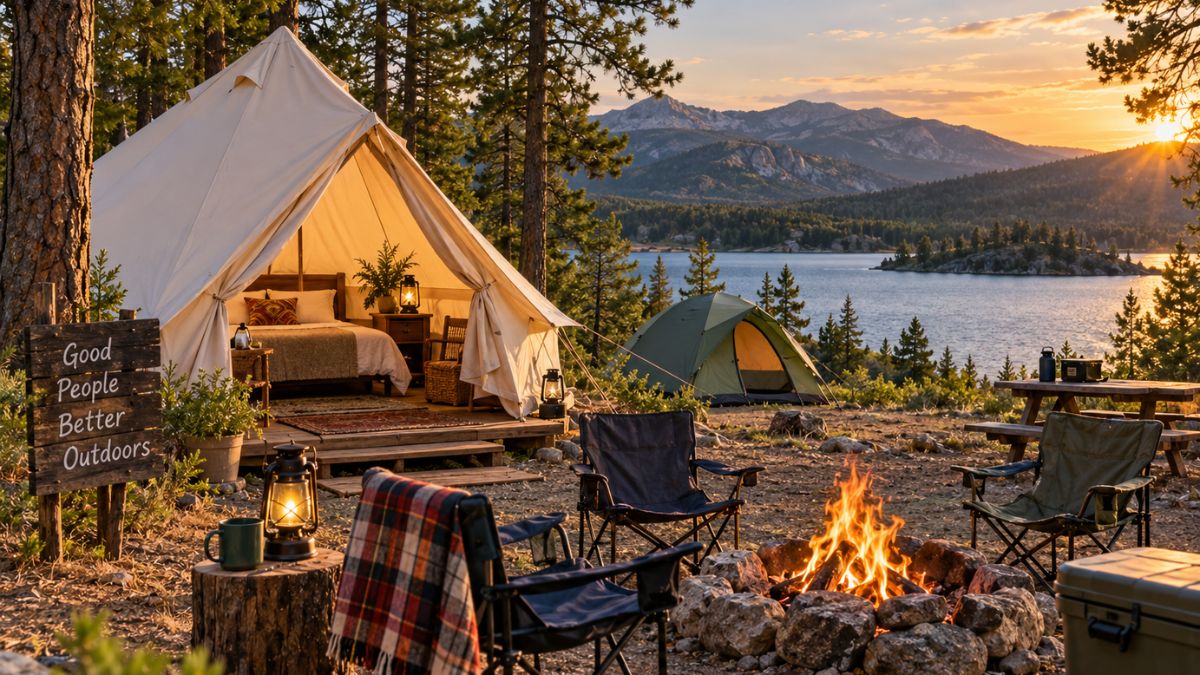
Understanding the Three Camping Styles
Glamping is camping with extra comfort. Many glamping sites already have a large tent, cabin, yurt, or other shelter waiting when you arrive. You may find a real bed, chairs, lights, heat, electricity, and sometimes a private bathroom, which can make glamping a good choice for people who like nature but do not want to give up many comforts from home.
Traditional camping usually means bringing your own tent or camper to a developed campground. You may have a picnic table, fire ring, parking spot, bathroom, and drinking water nearby, while dispersed camping usually has none of these things. When you camp in a dispersed area, you may be alone on public land and must bring everything you need, including water, food, shelter, and a way to pack out your trash.
Comfort, Cost, and Planning
Glamping often takes the least work because the shelter is already set up. You may only need clothes, food, and personal items, but the added comfort usually costs more than a normal campsite. Traditional camping can cost less, though you will need to own or borrow a tent, sleeping gear, cooking supplies, and other basic items.
Dispersed camping can sometimes be free, but that does not mean it takes less planning. You need to know where camping is allowed, whether fires are permitted, how long you can stay, and how you will get water. Roads may also be rough, cell service may be weak, and help can be far away if something goes wrong.
Choosing the Camping Style That Fits You
Glamping can be a great starting point if you have never camped before or if someone in your group does not like sleeping on the ground. Traditional camping is a good middle choice because you still get the full outdoor experience while bathrooms, other campers, and basic services may be nearby. Families with younger children often enjoy this style because it gives them nature without taking away every comfort.
Dispersed camping works well for people who want more quiet, space, and freedom. It can feel peaceful to wake up far from a busy campground, but you also have more responsibility for your own safety and comfort. If you are new to dispersed camping, start with an area close to home, research the rules, and avoid making your first trip harder than it needs to be.
There is no single right way to camp. Some people love sleeping in a comfortable glamping tent, while others are happiest beside a simple tent under the stars. You may even enjoy all three styles at different times depending on where you are going and who is traveling with you. The best camping trip is one that makes you want to go outside again. Start with the level of comfort that feels right and learn as you go. Whether you choose a soft bed, a family campground, or a quiet place in the wild, camping is really about slowing down and enjoying time outdoors.
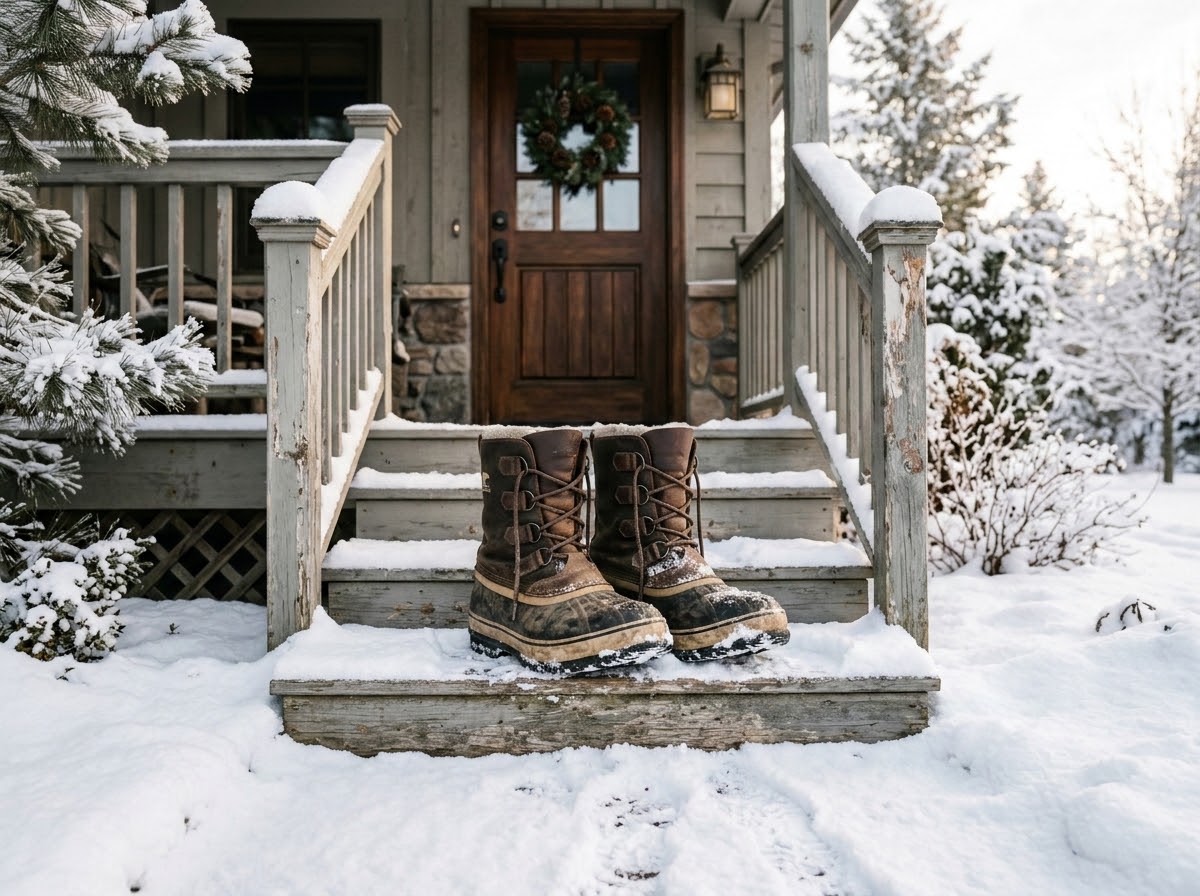
Ultimate Time to Shop for Winter Boots and Shoes
When the first crisp breeze of autumn rolls in or
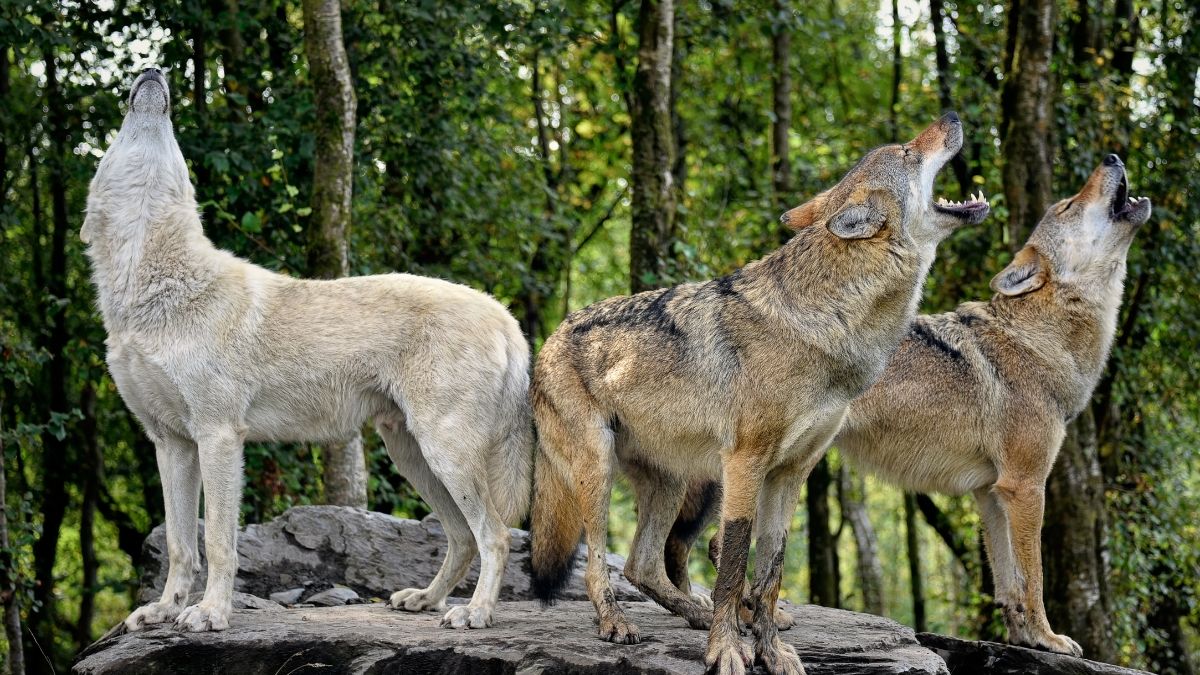
How to Stay Safe Around Wildlife
Seeing wildlife can be one of the best parts
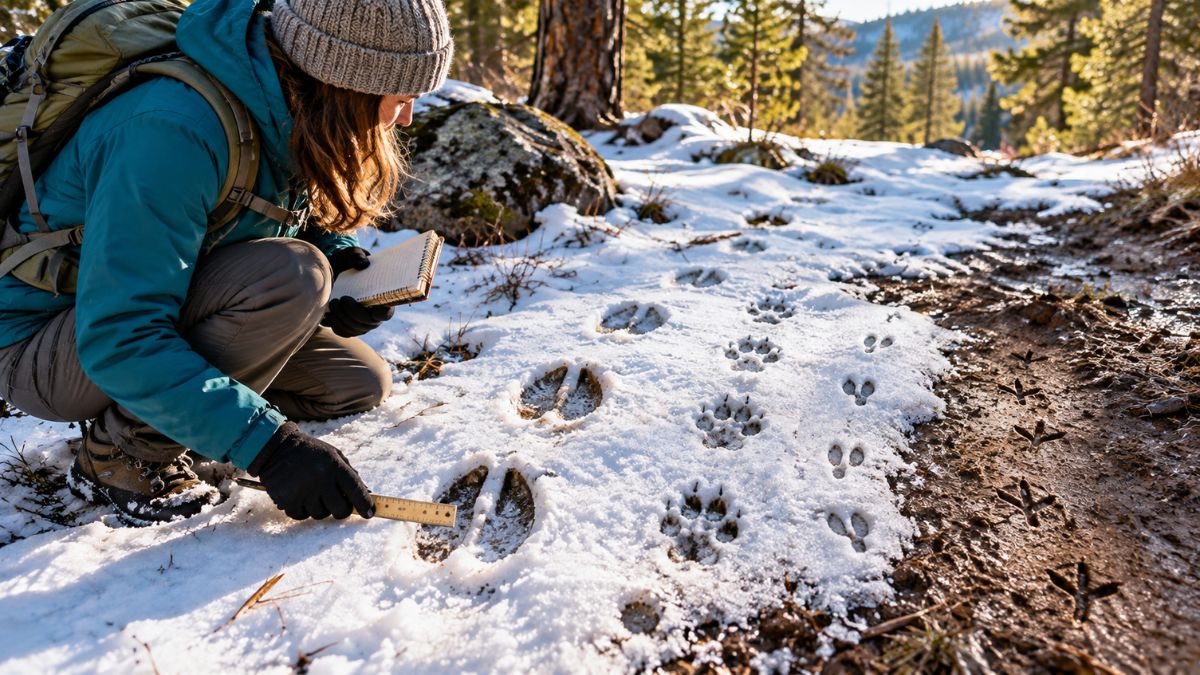
Animal Tracking for Beginners
You do not have to see an animal to know
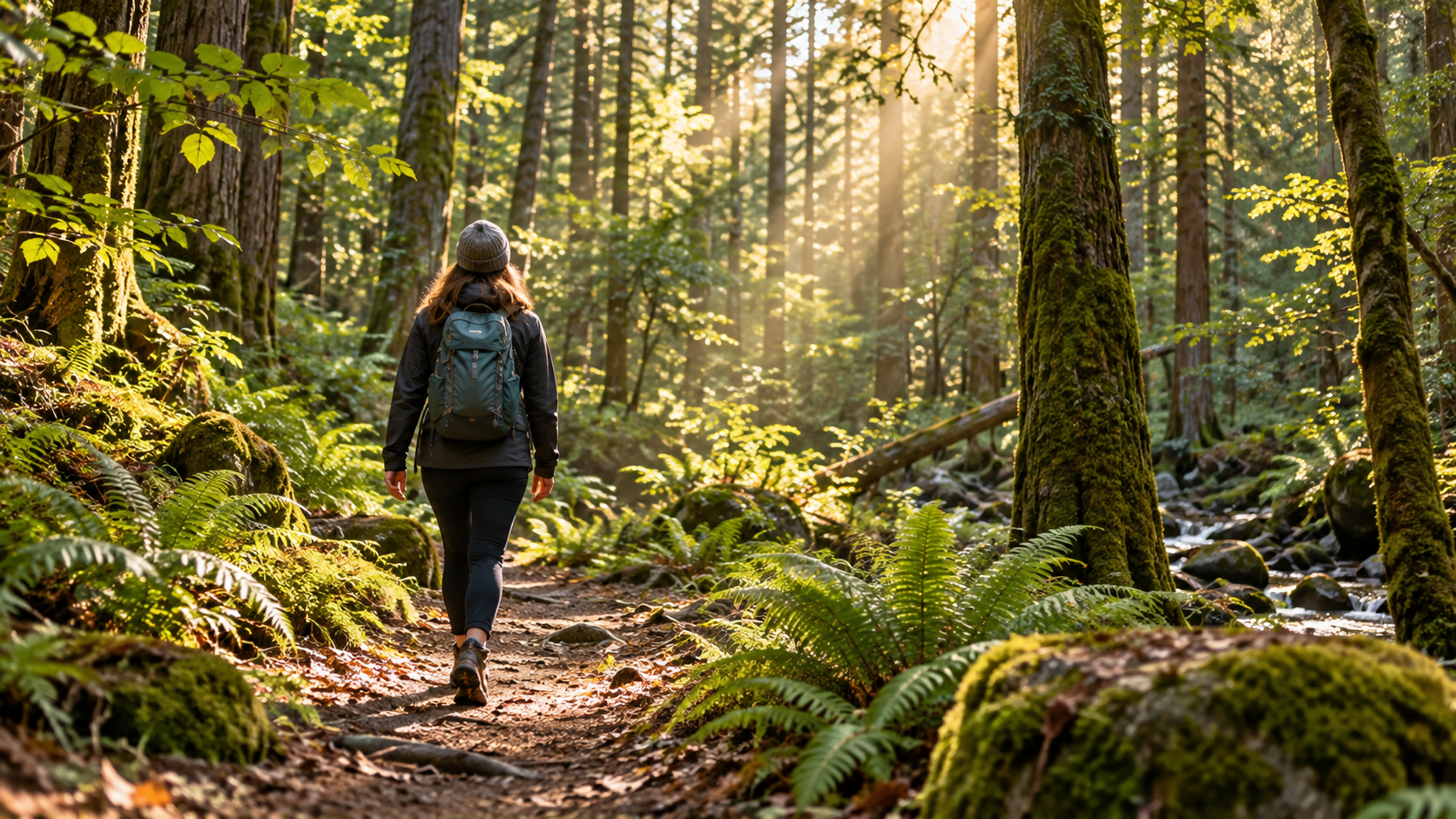
What Is Forest Bathing and How Do You Do It
Forest bathing does not mean taking a bath in
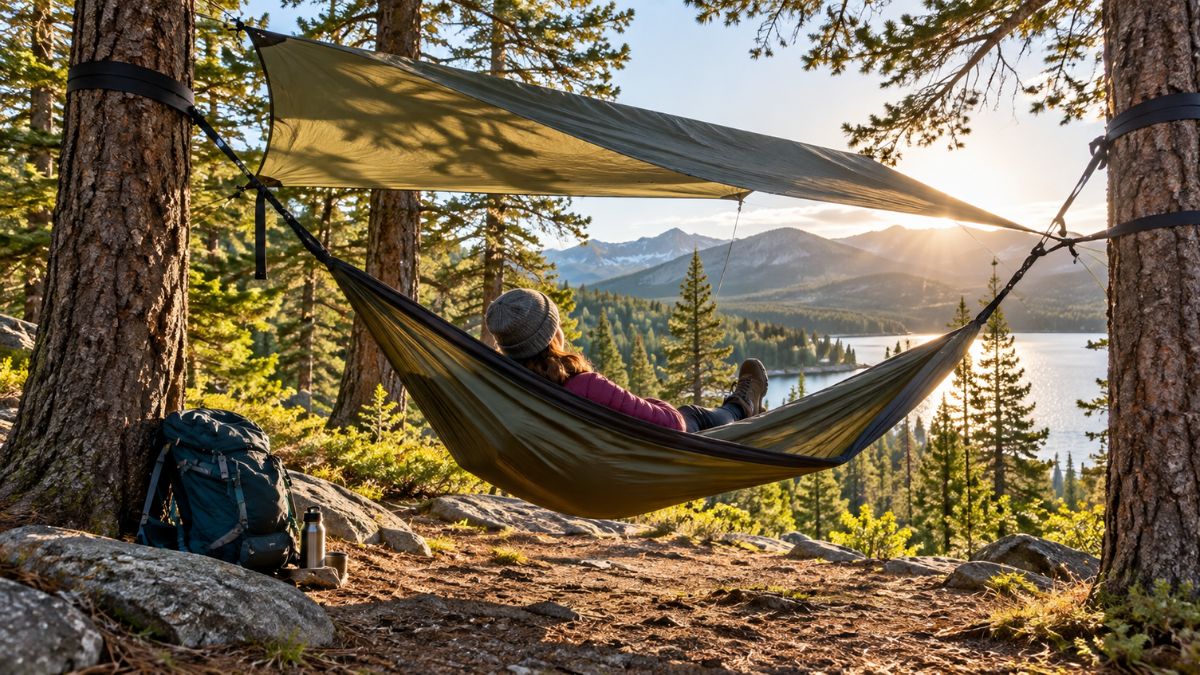
Hammock Camping for Beginners
A hammock can turn a quiet outdoor spot into a
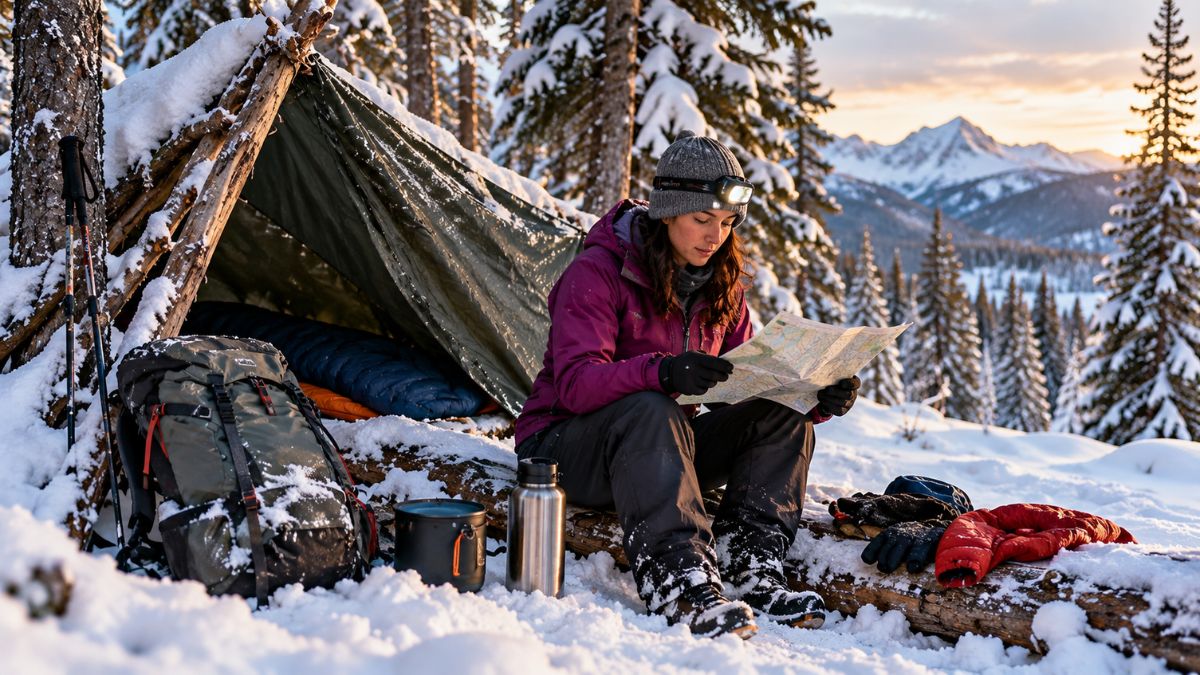
Winter Survival Tips for Outdoor Adventures
Winter can make a normal outdoor trip much harder.