Boating Safety 101: Essential Tips for Smooth Sailing Adventures
Embarking on a boating adventure is one of the most enjoyable ways to experience the open water. Whether you’re paddling, jet skiing, or cruising in a sailboat, safety should always be your top priority. Here’s a guide to essential boating safety tips to ensure smooth and enjoyable water experiences.
1. Always Wear a Life Jacket
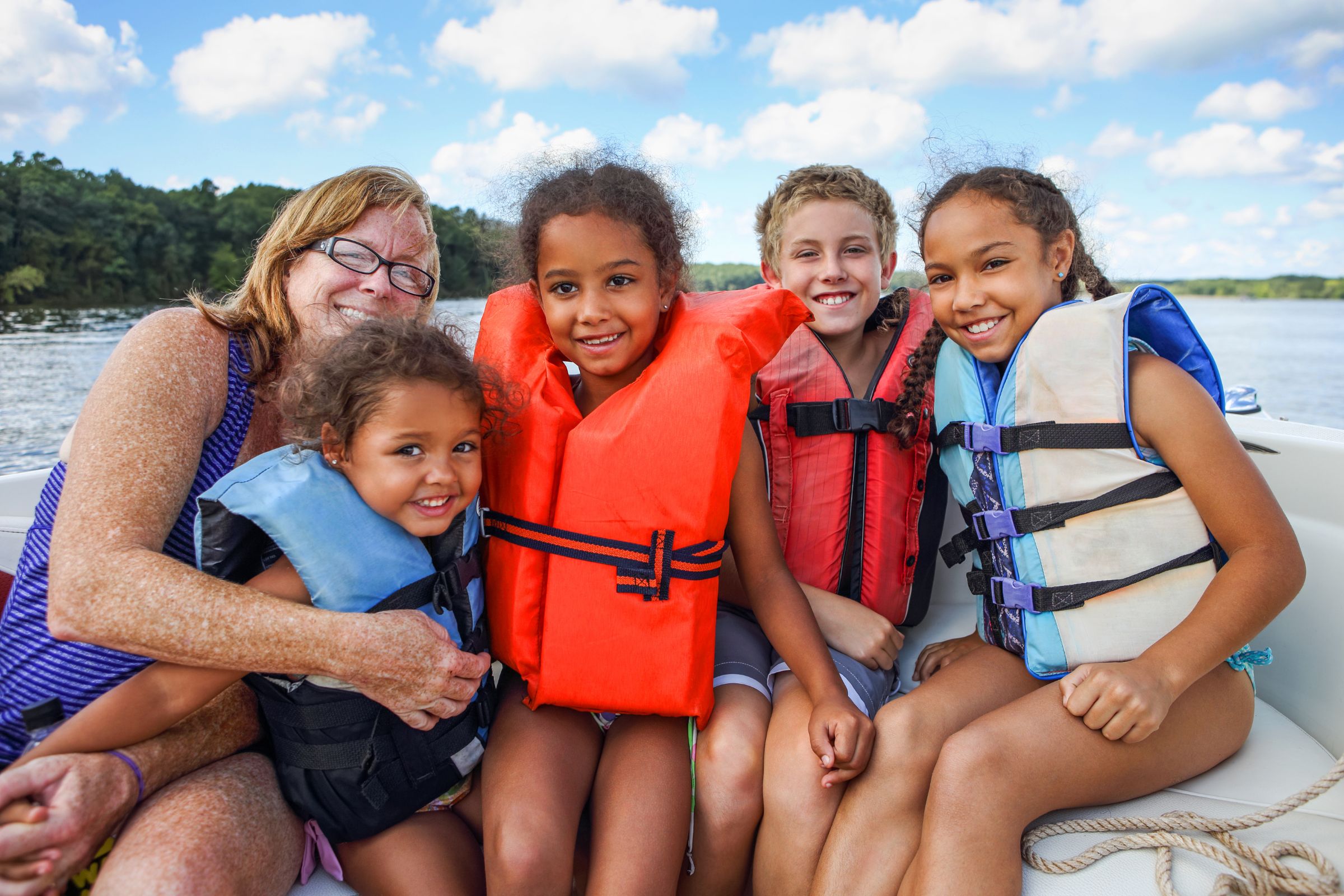
No matter your swimming ability, wearing a U.S. Coast Guard-approved life jacket is crucial. Ensure all passengers, including children, have properly fitting life jackets before leaving the dock. For activities like kayaking, paddleboarding, and jet skiing, lightweight, secure vests are highly recommended.
2. Check Weather Conditions
Before heading out, monitor the weather forecast. Sudden storms or high winds can turn a pleasant day on the water into a dangerous situation. Cancel your trip if severe weather is expected, and always keep an eye on the sky for unexpected changes.
3. Know Your Vessel
Understand how to operate your boat, kayak, or jet ski, and familiarize yourself with its gear and controls. Practice maneuvers in calm waters before heading into open areas. For paddleboarding or waterskiing, ensure proper handling of boards and ropes.
4. Bring Essential Safety Gear
Pack the necessary safety equipment, including a whistle, flashlight, fire extinguisher, and a first-aid kit. Don’t forget a fully charged phone or marine radio for communication in case of emergencies.
5. Follow Navigation Rules
Boating has its own “rules of the road.” Familiarize yourself with right-of-way rules, speed limits, and navigation markers to avoid collisions and ensure a smooth journey. This applies to all watercraft, from paddleboards to motorboats.
6. Avoid Alcohol
Operating any watercraft while under the influence is not only illegal but also highly dangerous. Save the celebrations for after your adventure to ensure your safety and that of others.
7. Inform Someone of Your Plans
Always let someone onshore know your departure and return times. Share details of your planned route in case assistance is needed.
8. Practice Swimming and Paddling Skills
Confidence in the water can make a huge difference. Practicing swimming, paddling, and re-boarding skills can prepare you for unexpected situations.
By prioritizing safety, you can focus on the joy of paddling, boating, or even wakeboarding without unnecessary stress. Remember: preparation is the key to making every boating trip smooth sailing. Stay safe, and enjoy your adventure!



Animal Tracking for Beginners
You do not have to see an animal to know

What Is Forest Bathing and How Do You Do It
Forest bathing does not mean taking a bath in

Hammock Camping for Beginners
A hammock can turn a quiet outdoor spot into a

Winter Survival Tips for Outdoor Adventures
Winter can make a normal outdoor trip much harder.

Powder vs Hard-Packed Snow
Snow can look the same from far away, but

What to Expect on Your First Day at a Ski Resort
A first trip to a ski resort can feel exciting