
When Is Hunting Season
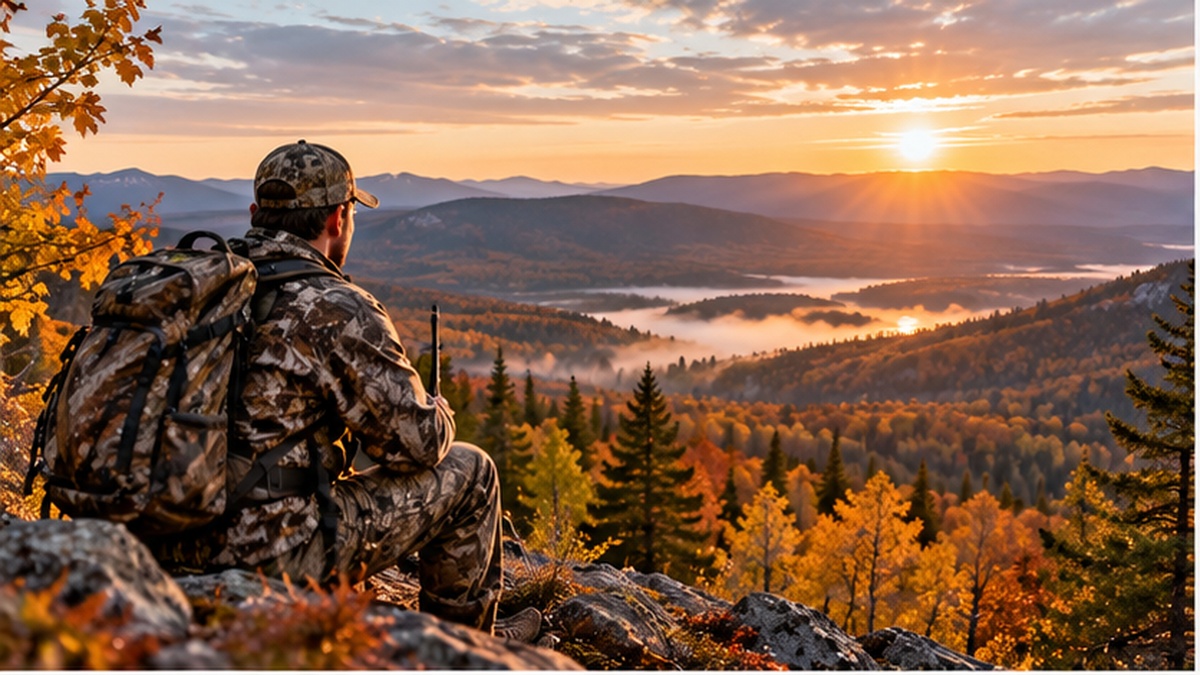
Why Hunting Seasons Change Through the Year
Wildlife agencies use hunting seasons to help manage animal populations while protecting animals during important parts of their life cycle. Seasons may be planned around breeding, migration, habitat, and the number of animals living in an area. The goal is to allow hunting while keeping wildlife populations healthy for the future.
Different parts of a state may also have different hunting dates. Wildlife managers may divide land into zones, districts, or game management units because animal numbers and habitat are not the same everywhere. A deer season in one part of a state may not match the season several hours away.
Common Hunting Seasons for Popular Game
Fall is one of the busiest times for hunting in the United States. Deer and elk seasons often take place during fall, and many upland bird seasons also open as temperatures become cooler. Some archery seasons begin before firearm seasons, giving bow hunters an earlier chance to spend time in the field.
Spring is well known for turkey hunting in many areas, while ducks and geese are often hunted during fall and winter migration. Rabbits, squirrels, and other small game may have longer seasons than many big-game animals. Exact dates and limits still depend on the state, species, and hunting area.
How to Plan Around Hunting Season
Start by choosing the animal you hope to hunt. Then visit the wildlife agency website for the state where the hunt will take place and check the current season, license rules, hunting method, legal area, and daily or seasonal limits. Do not depend on an old calendar, social media post, or dates from a previous year. Some hunts require more planning than others. A hunter may need to apply for a limited license months before the season begins, while other licenses may be sold closer to the hunt. Public hunting areas may also have their own permits, access rules, or special regulations in addition to normal state rules. Weather should be part of the plan too. Early fall hunts may be warm, while late fall and winter trips may bring snow, ice, or very cold mornings. Bring clothing that fits the season and be ready for weather to change while you are outside.
Hunters should also learn the land before opening day. Look at maps, know public and private property boundaries, and understand where roads, trails, water, and safe access points are located. A scouting trip before the season can make the first hunting day much easier. Hunting season is about more than one date on a calendar. Each species, state, and hunting method can have its own rules and timing. Learning how the seasons work helps hunters plan better and understand why wildlife management changes from one place to another.
The best habit is simple: check the rules every year. Seasons, limits, and legal areas can change as wildlife conditions change. A little research before the hunt helps make sure the trip is legal, responsible, and ready for the season ahead.

How to Get Started Bow Hunting
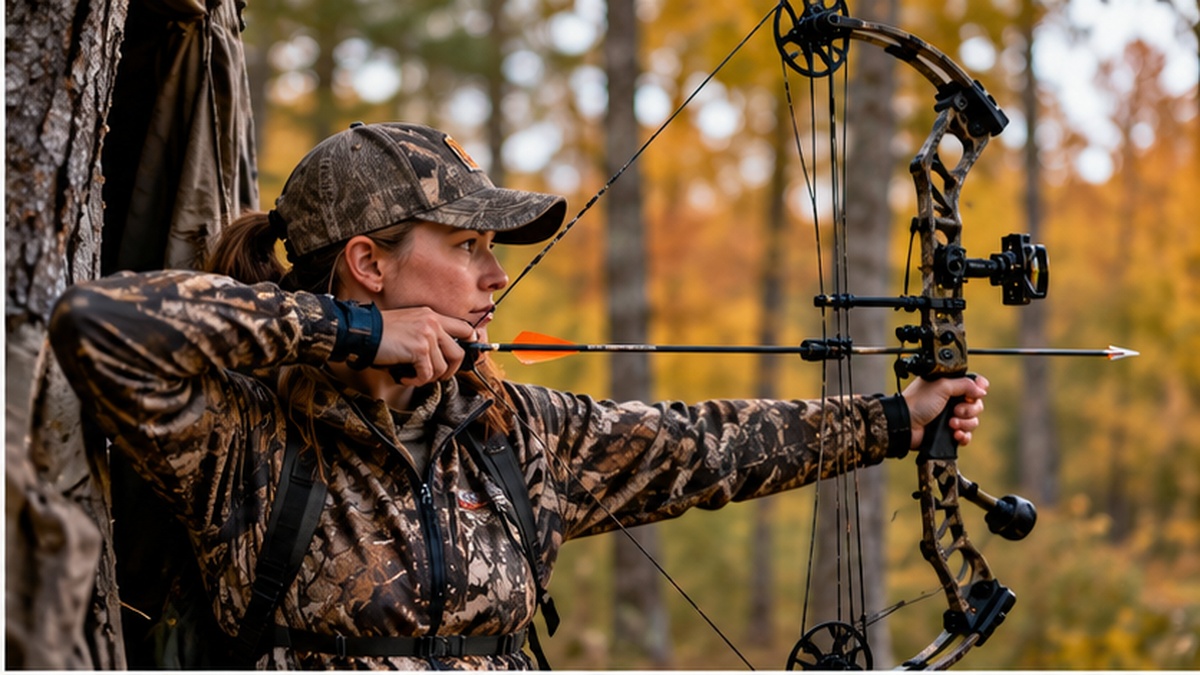
Bow hunting gives hunters a quiet and challenging way to
When Is Hunting Season
One of the first questions new hunters ask is
Ultimate Time to Shop for Winter Boots and Shoes
When the first crisp breeze of autumn rolls in or
How to Stay Safe Around Wildlife
Seeing wildlife can be one of the best parts
Animal Tracking for Beginners
You do not have to see an animal to know
What Is Forest Bathing and How Do You Do It
Forest bathing does not mean taking a bath in