Bushcraft cooking is an essential survival skill that combines resourcefulness with the ability to make use of the natural environment. Whether you’re deep in the wilderness or simply looking to practice survival skills, learning how to cook with minimal gear can help you stay nourished and connected to the environment.
Essential Gear for Bushcraft Cooking
When cooking in the wild, you’ll want to carry lightweight and multipurpose tools. Basic items such as a small pot or pan, a knife, a fire-starting tool, and a metal cup or canteen are invaluable. You may also want to include lightweight utensils, like a spork or wooden spoon, and a piece of aluminum foil for versatility in cooking methods.
Fire Starting and Heat Management
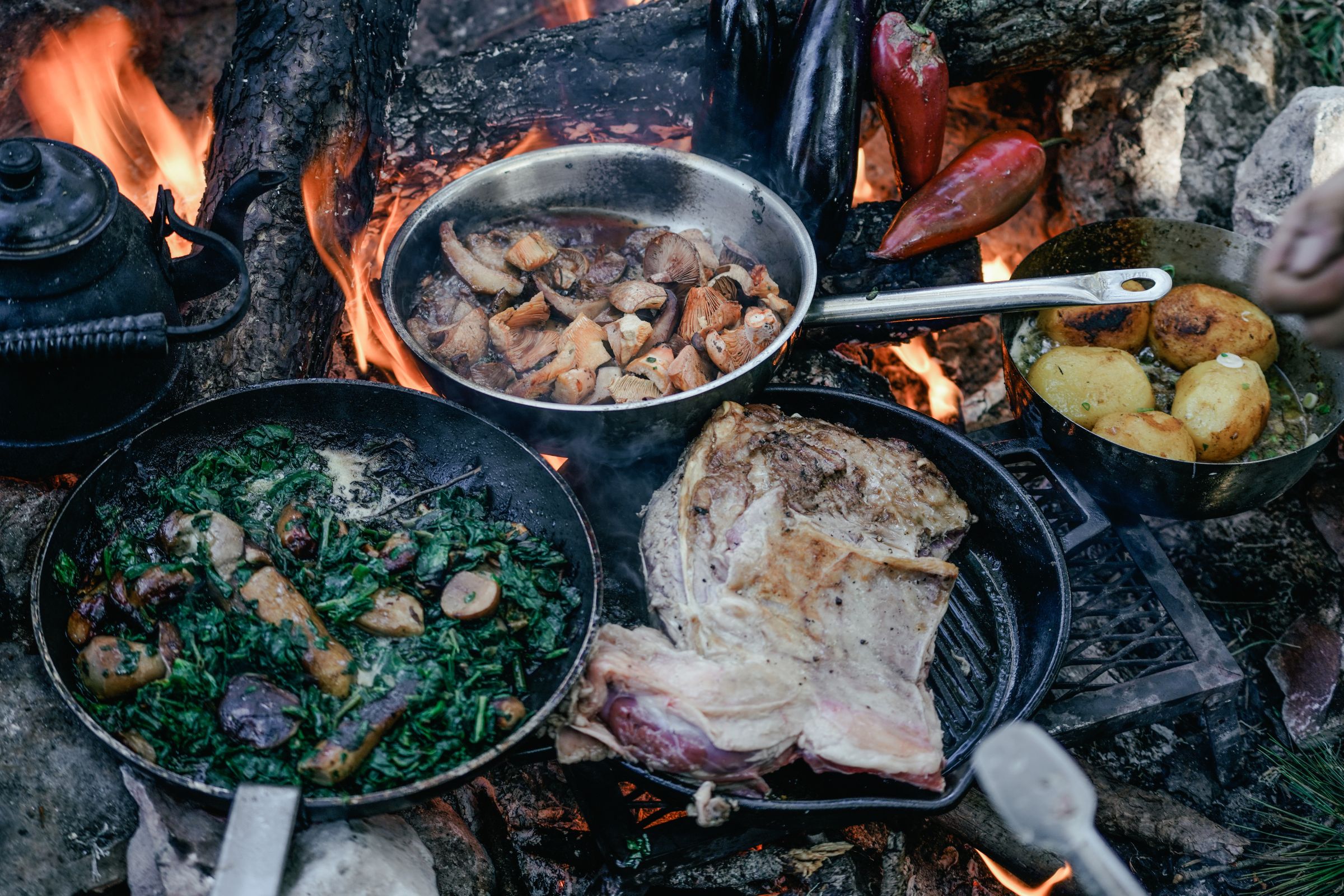
A reliable fire is the cornerstone of bushcraft cooking. Learn techniques like using ferro rods, flint and steel, or even a bow drill to ignite your fire. Once your fire is lit, create a stable cooking area by building a fire ring or a tripod from nearby sticks. Manage your fire carefully—coals work better for cooking than open flames, providing consistent heat and reducing the risk of burning your food.
Using Natural Ingredients
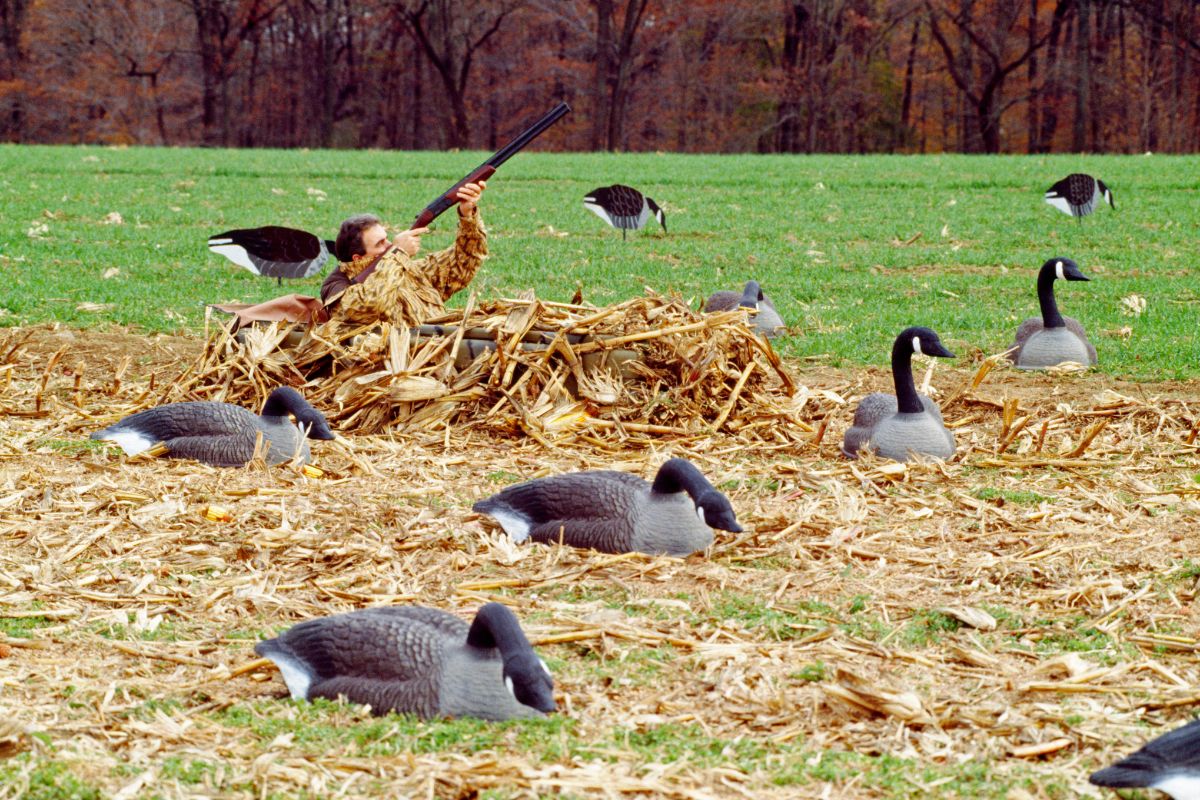
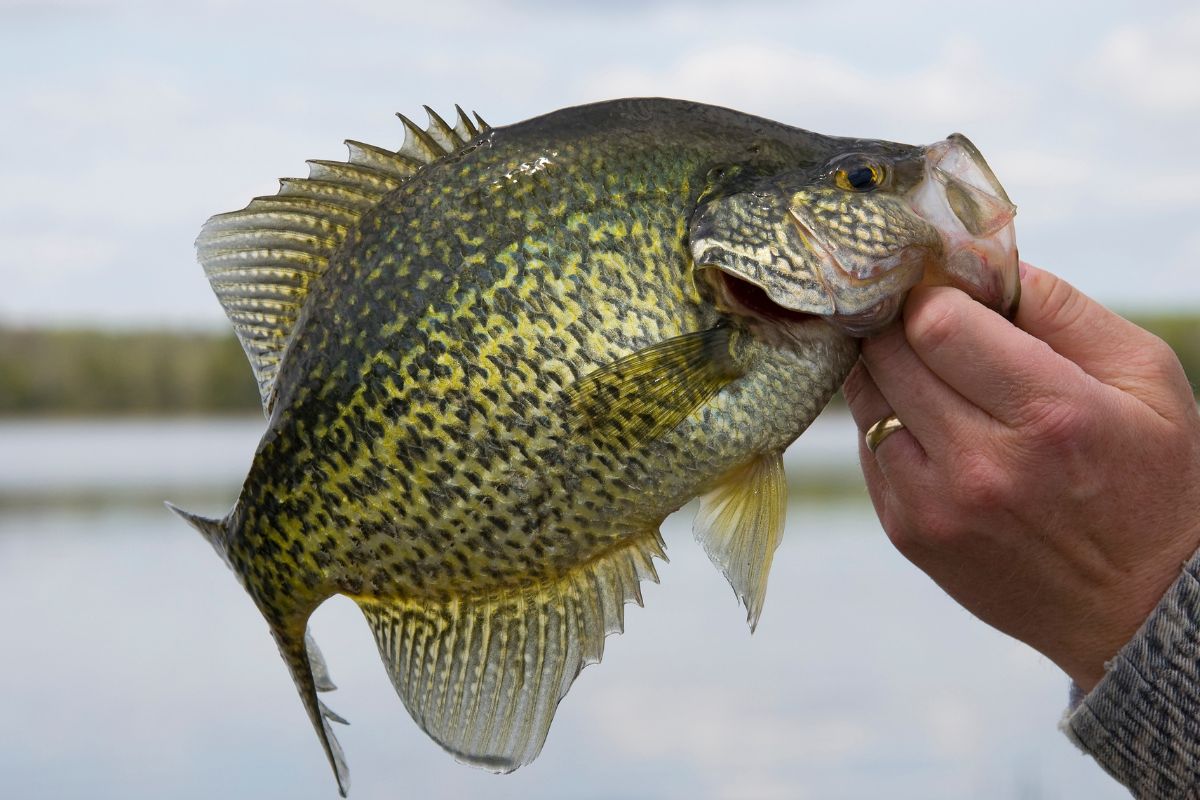
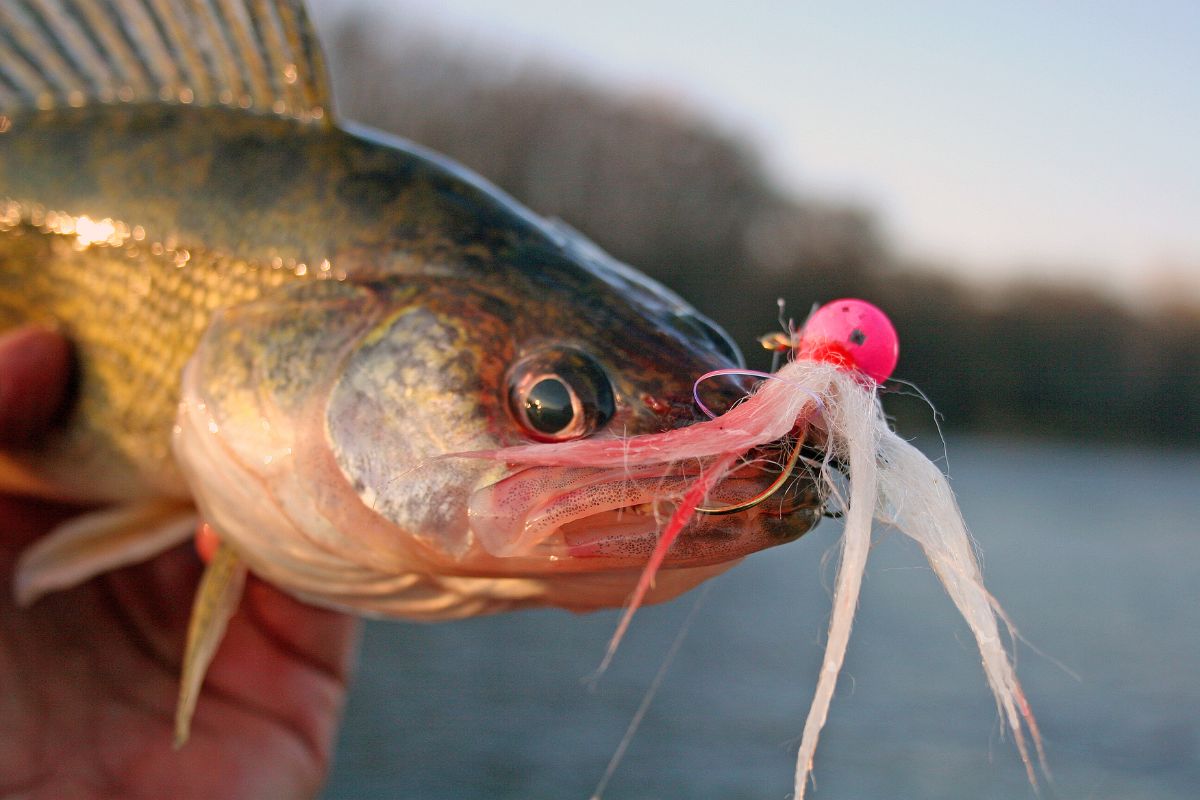
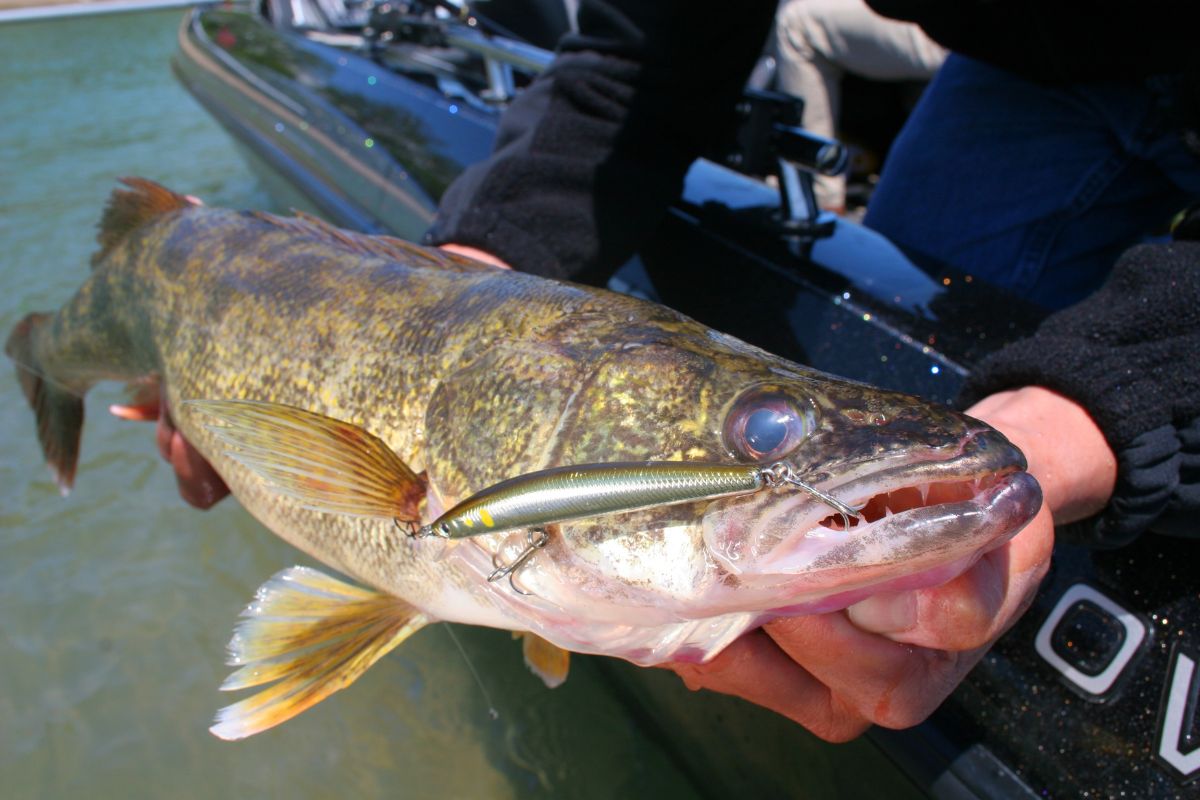
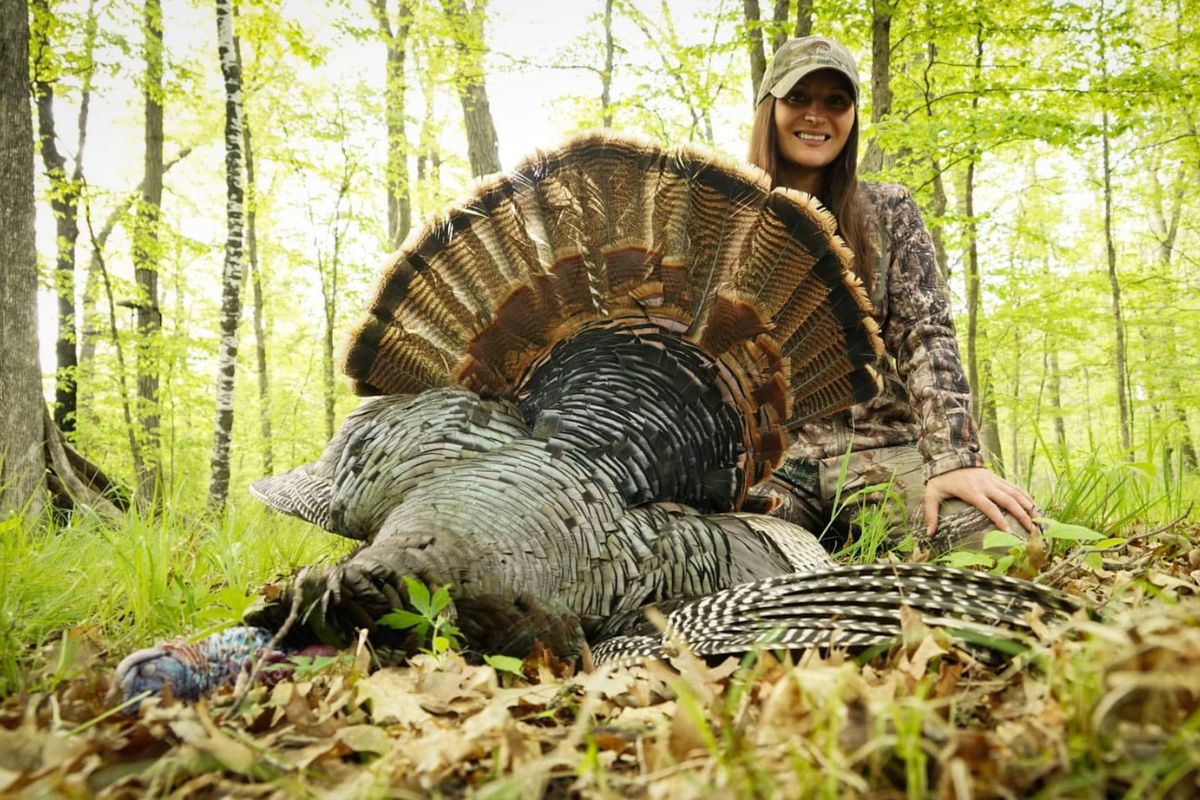
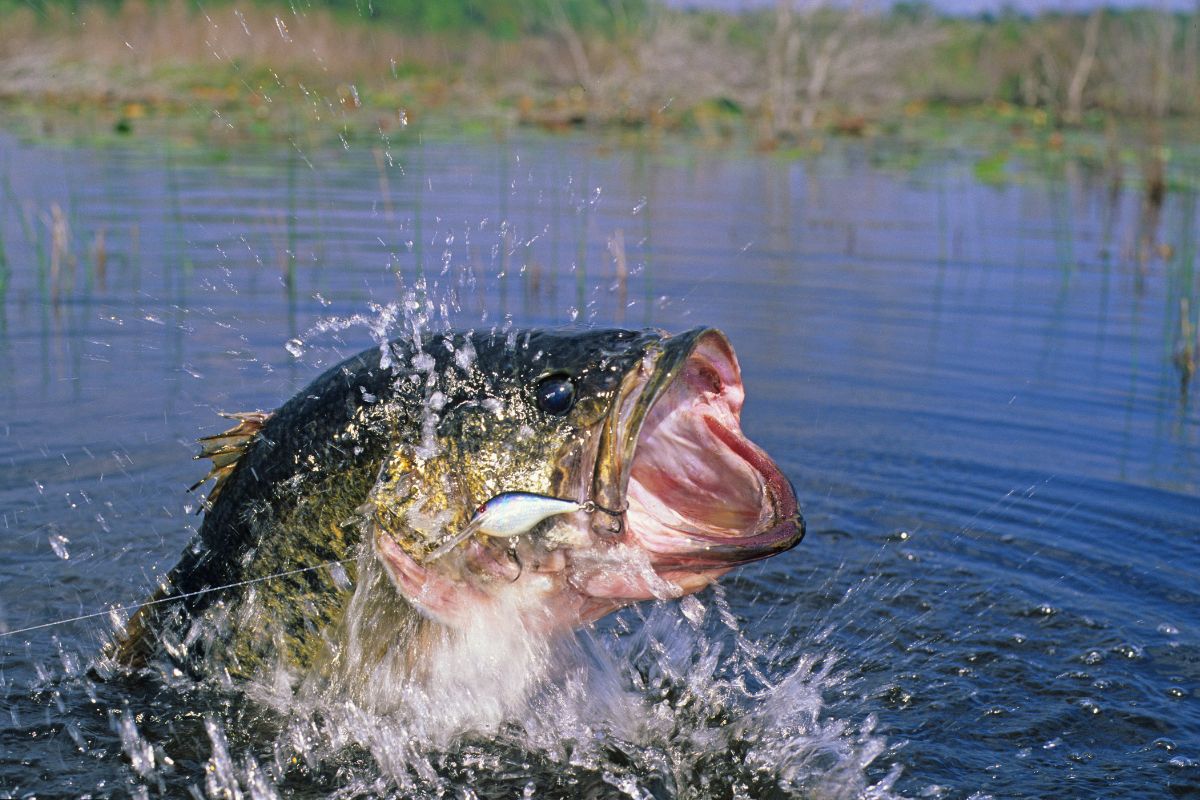
The beauty of bushcraft cooking lies in sourcing ingredients directly from nature. For protein, trapping and fishing are excellent options. Small-game snares or basic fishing kits can help you secure food in a survival situation. For plant-based ingredients, learn to identify edible herbs, berries, and roots. Herbs like wild garlic or dandelion greens can add flavor and nutrition to your meals.
Bushcraft Cooking Techniques
- Skewer Cooking: Use a green, non-toxic branch to skewer fish or meat and cook it over an open flame.
- Stone Baking: Heat flat stones in the fire and use them to bake bread or cook meat.
- Foil or Leaf Wrapping: Wrap ingredients in aluminum foil or large leaves (like banana or cabbage leaves) and place them in hot coals to steam or bake.
- Boiling and Stewing: Utilize a small pot to make soups or stews with meat, herbs, and foraged vegetables.
Practice Makes Perfect
Bushcraft cooking takes patience and creativity, but it’s a deeply rewarding skill. Practice regularly and experiment with techniques to develop confidence in your survival cooking abilities.
By mastering bushcraft cooking, you’ll not only sustain yourself in the wild but also deepen your connection with nature. Keep your gear light, your fire steady, and your creativity flowing—nature’s pantry has plenty to offer!