Cold at 3 A.M.? Rethink Your Fall Camping Sleep System
The evening was perfect. Dinner tasted better outdoors, the trees glowed in the last light, and your tent looked inviting. Then you woke up in the middle of the night wondering why your sleeping bag suddenly felt so inadequate.
Fall camping comfort depends on a system, not a single piece of gear. Your sleeping bag, pad, clothing, shelter, and choice of campsite all influence the experience. Before replacing the bag, examine how those pieces work together and where your current setup falls short.
Read the Rating Before Trusting the Name
A product name that includes a temperature does not tell the whole story. Read the manufacturer’s explanation of the sleeping bag’s rating, including whether it represents comfort, a lower limit, or another test category. Compare that information with the overnight forecast and your own experience sleeping outdoors.
Give yourself room for uncertainty rather than planning at the edge of the equipment’s stated capability. A campsite can feel different from the town where you checked the weather. If your system is not suited to the expected conditions, change the destination or postpone the overnight.
Look Under the Sleeping Bag
A sleeping pad provides a barrier between you and the ground as well as cushioning. When comparing pads, look at the manufacturer’s insulation information, including an R-value when available. Thickness alone does not describe how well a pad insulates.
Check the pad you already own for leaks, faulty valves, or damage. Inflate it at home and leave it set up long enough to identify a slow loss of air. Bring a compatible repair kit and learn how it works before the trip. Discovering a leak on the living-room floor is far easier than finding it after midnight.
Keep a Dry Set Reserved for Bed
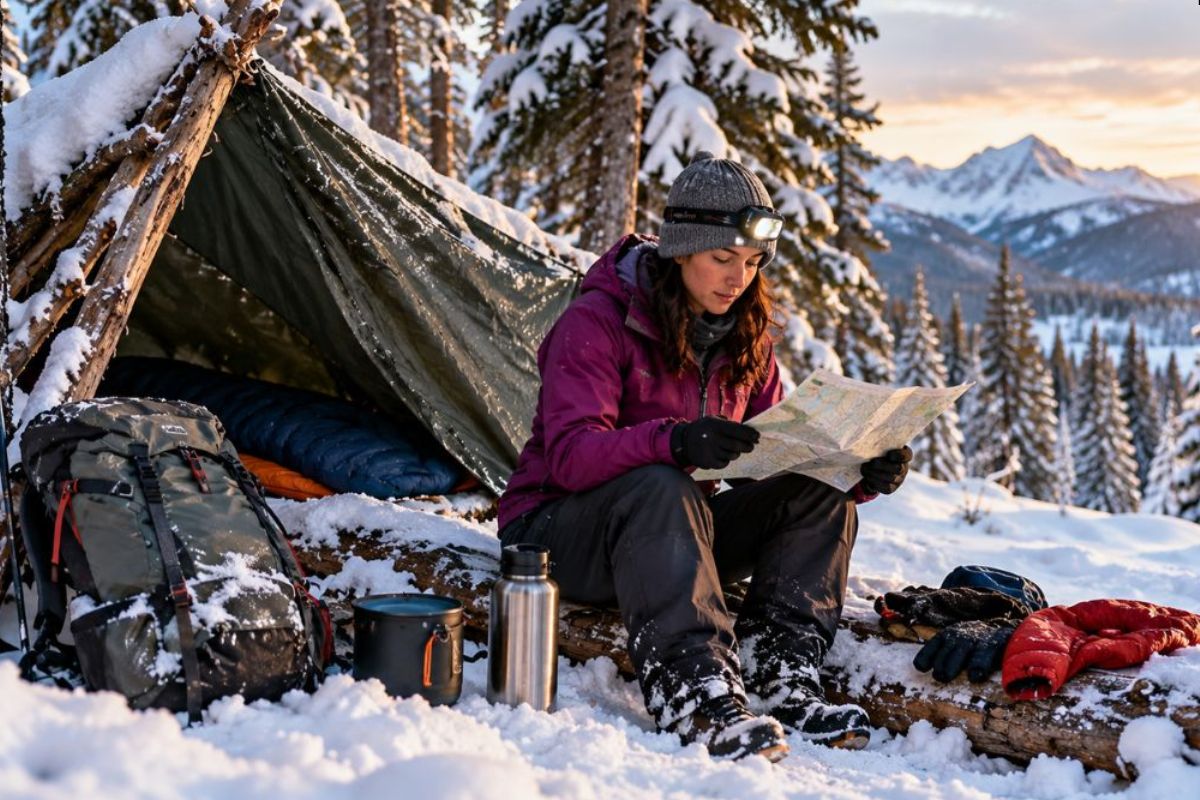
Set aside sleeping clothes and socks in a protected bag so they stay dry while you hike, cook, or set up camp. Choose layers that fit comfortably inside your sleeping bag without pulling it tight. A restrictive pile of clothing can make the space harder to use comfortably.
Change out of damp daytime layers before settling in. Place a hat and another suitable layer where you can reach them without unpacking the tent. Keep your headlamp in the same pocket each night, especially if you may need to step outside before dawn.
Make Your Tent Routine Work for You
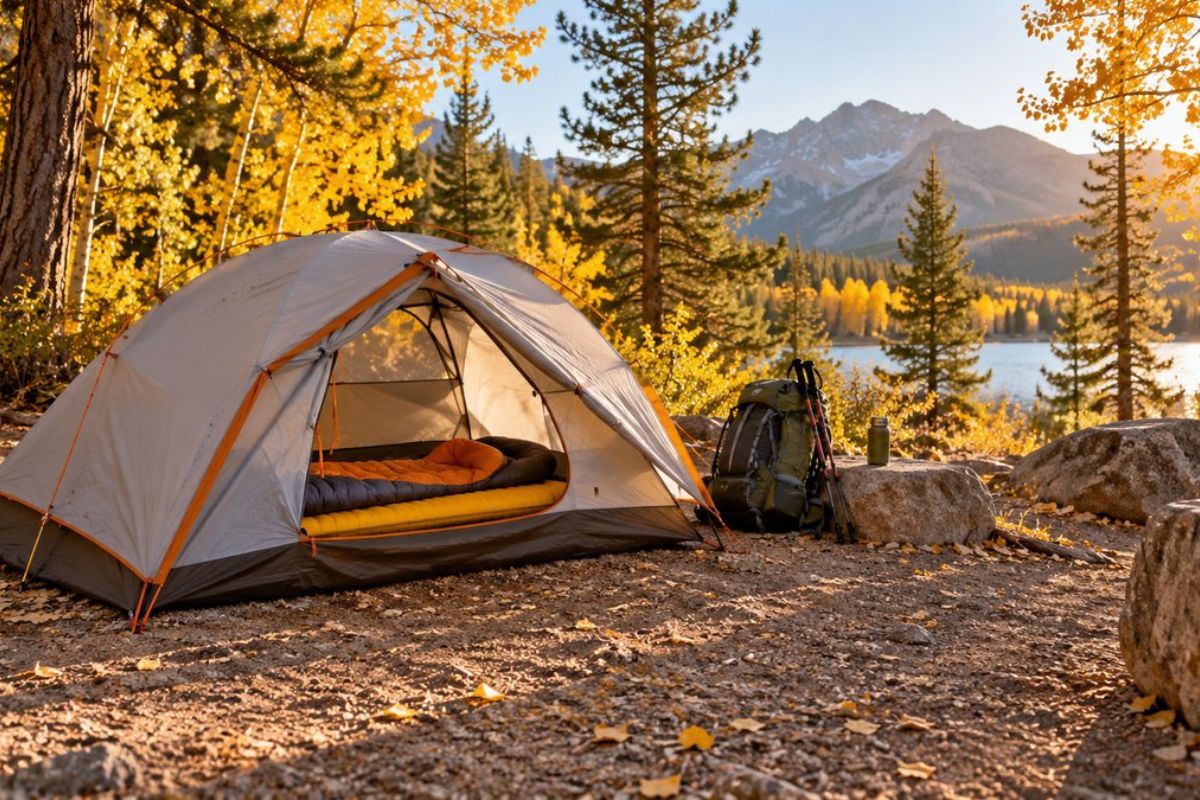
Arrive early enough to inspect an established campsite and pitch your tent carefully. Avoid obvious drainage paths and overhead hazards, and follow the campground’s site rules. Set up the rainfly and ventilation according to the tent instructions instead of sealing every opening simply because the air feels cool.
Keep bedding away from wet tent walls and wet clothing. Store boots where they will not soak your sleeping area, and protect important items from rain. Never bring a stove, grill, or fuel-burning heater into the tent for warmth; cook and operate appropriate appliances outdoors according to their instructions.
Rehearse the Whole Night at Home
Lay out the actual pad, bag, pillow, clothing, and lighting you intend to bring. Climb inside and check the small details: a zipper that catches, a pillow that slides away, or a pad too narrow for your normal sleeping position. Adjust the setup while changes are still easy.
After the trip, record the conditions and what you would change. Your notes are more useful than a vague memory that the bag was “probably fine.” A comfortable fall sleep system grows from knowing your equipment and using it within a sensible plan.
Find more gear ideas and outdoor inspiration in Explore Gear’s Camping guides.
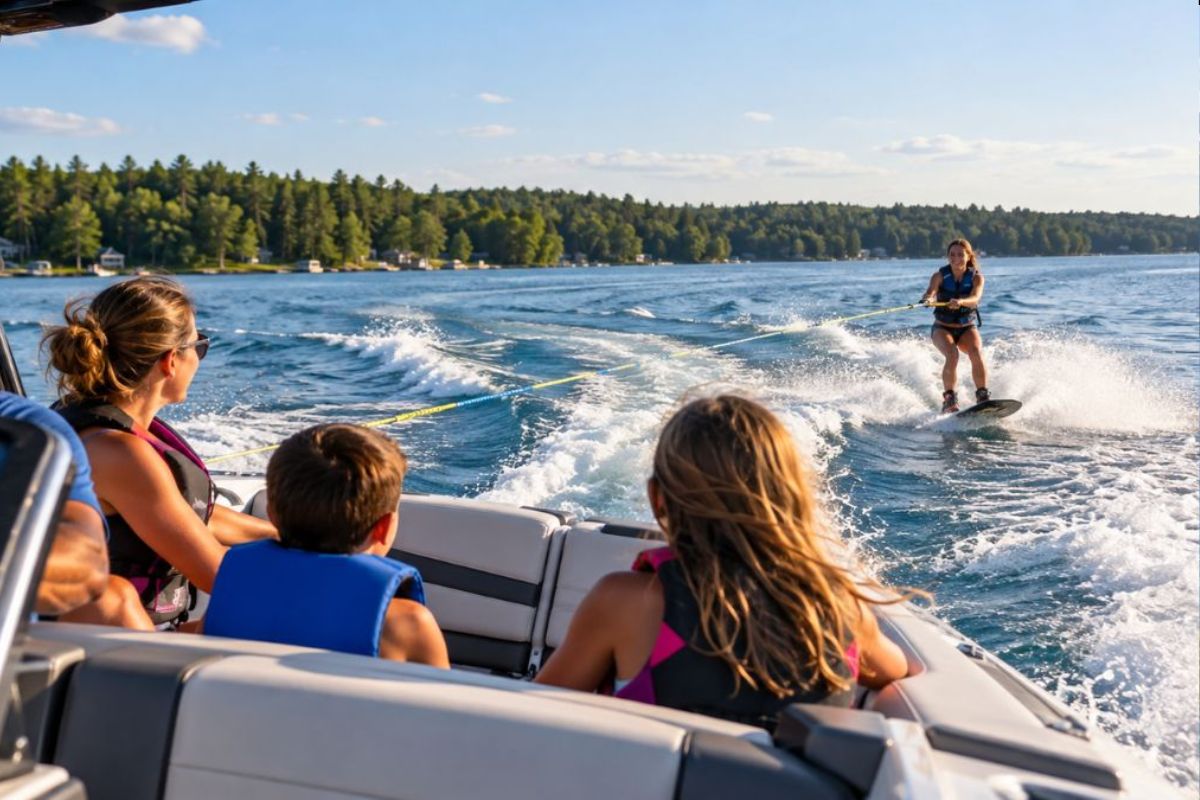
Choosing Between Tubing Water Skiing and Kneeboarding
Tubing, wakeboarding, water skiing, and kneeboarding are all fun
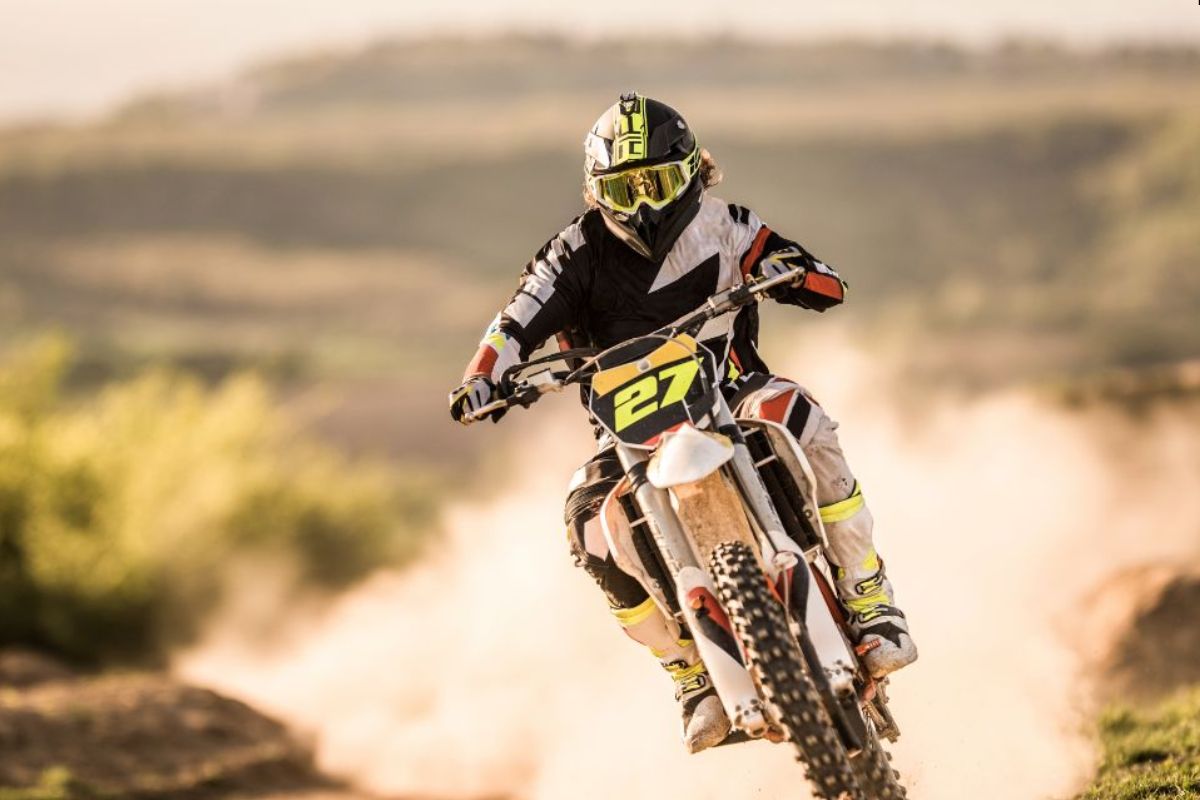
Dirt Biking and Motocross for Beginners
Dirt bikes are made to ride away from normal
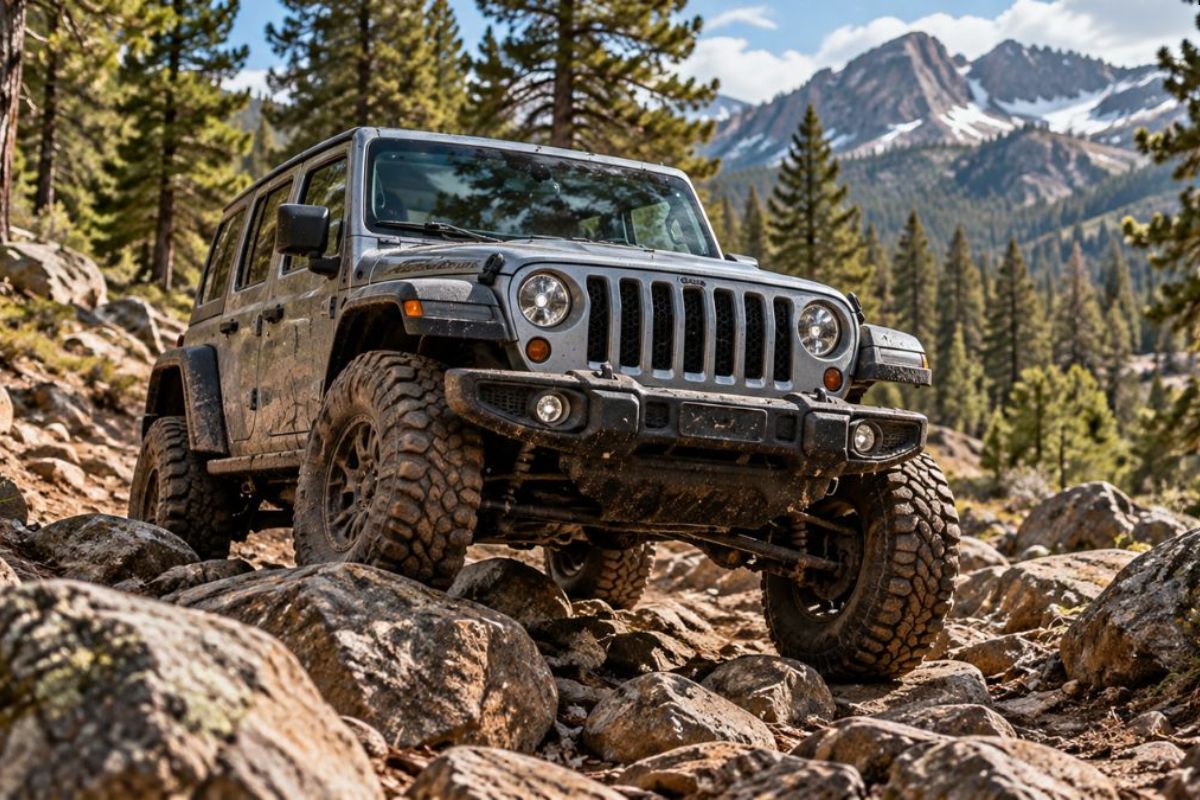
Mudding vs Trail Riding in Off-Road Trucks and Jeeps
Off-road trucks and Jeeps can travel far beyond a
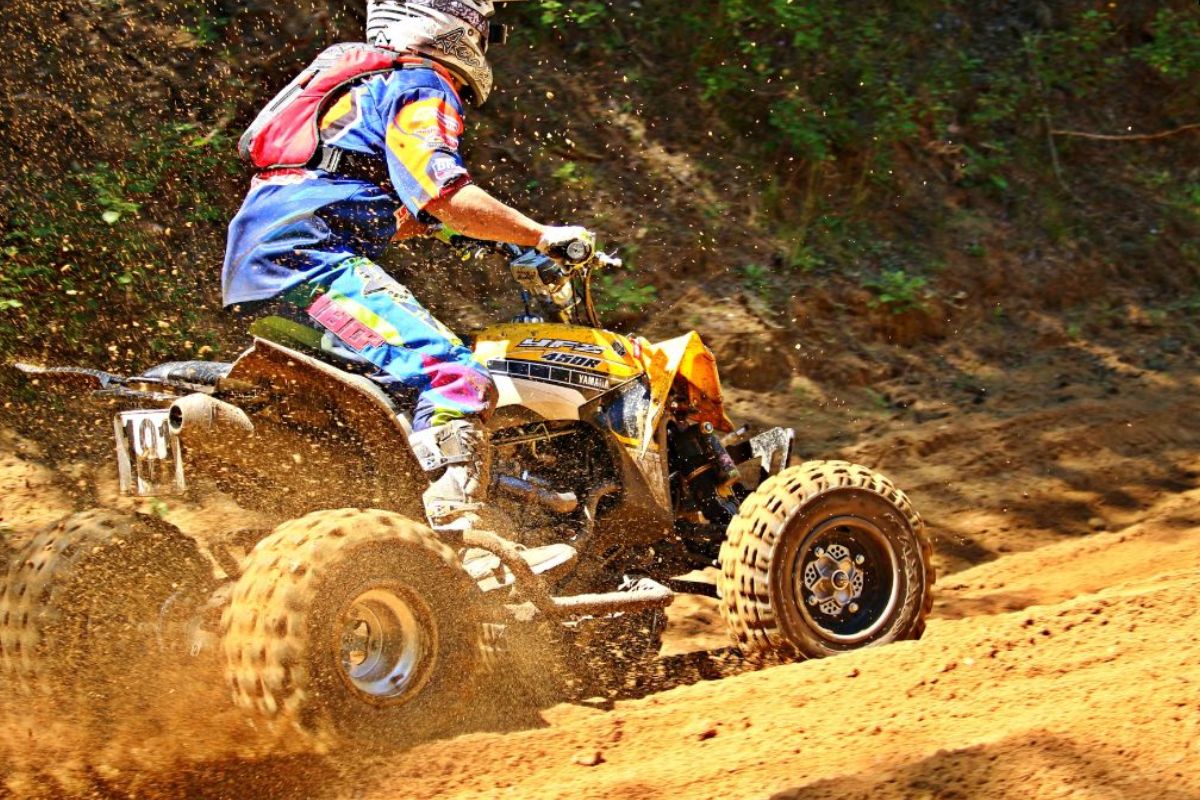
ATV Safety Tips for New Riders
ATV riding can be exciting, but it takes more
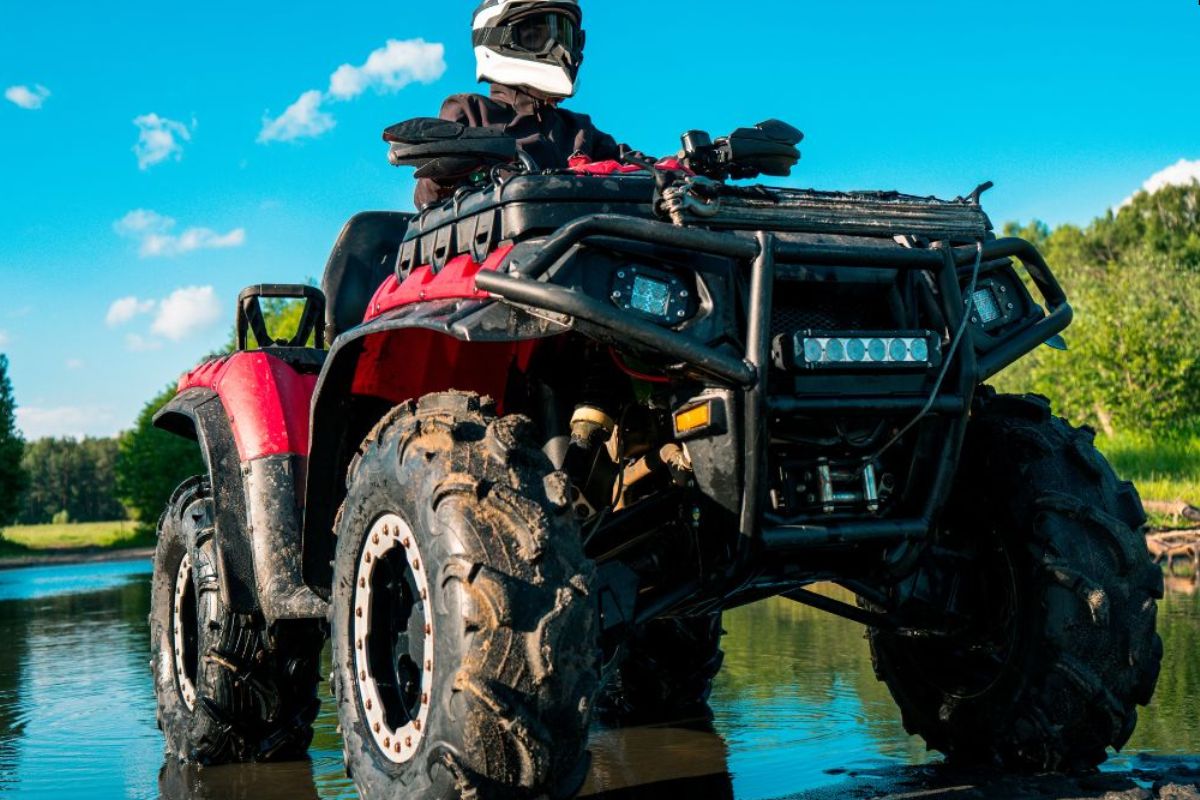
Best Places to Go ATV Riding in the United States
ATV riding can take you into mountains, forests, deserts,
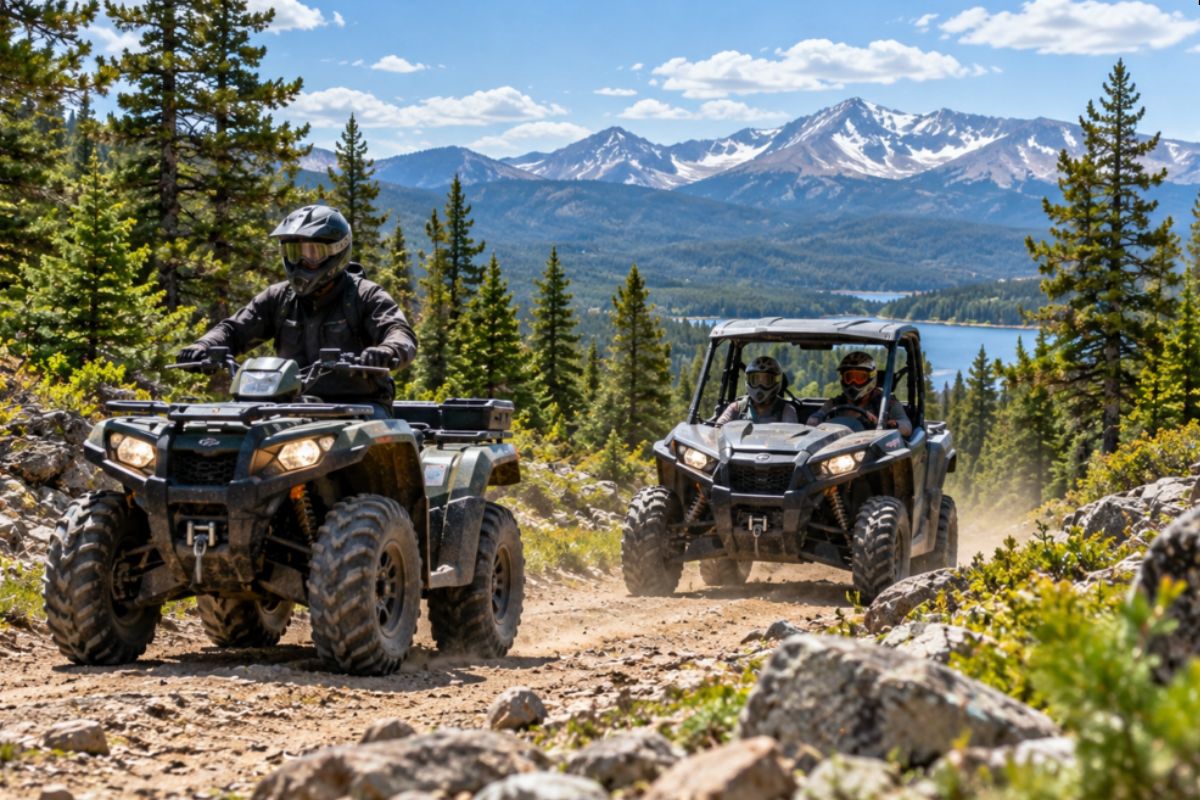
ATVs vs Side-by-Sides for Trail Riding
ATVs and side-by-sides are both made for off-road fun,