
Cross-Country Skiing: A Beginner’s Guide to Exploring Winter Trails
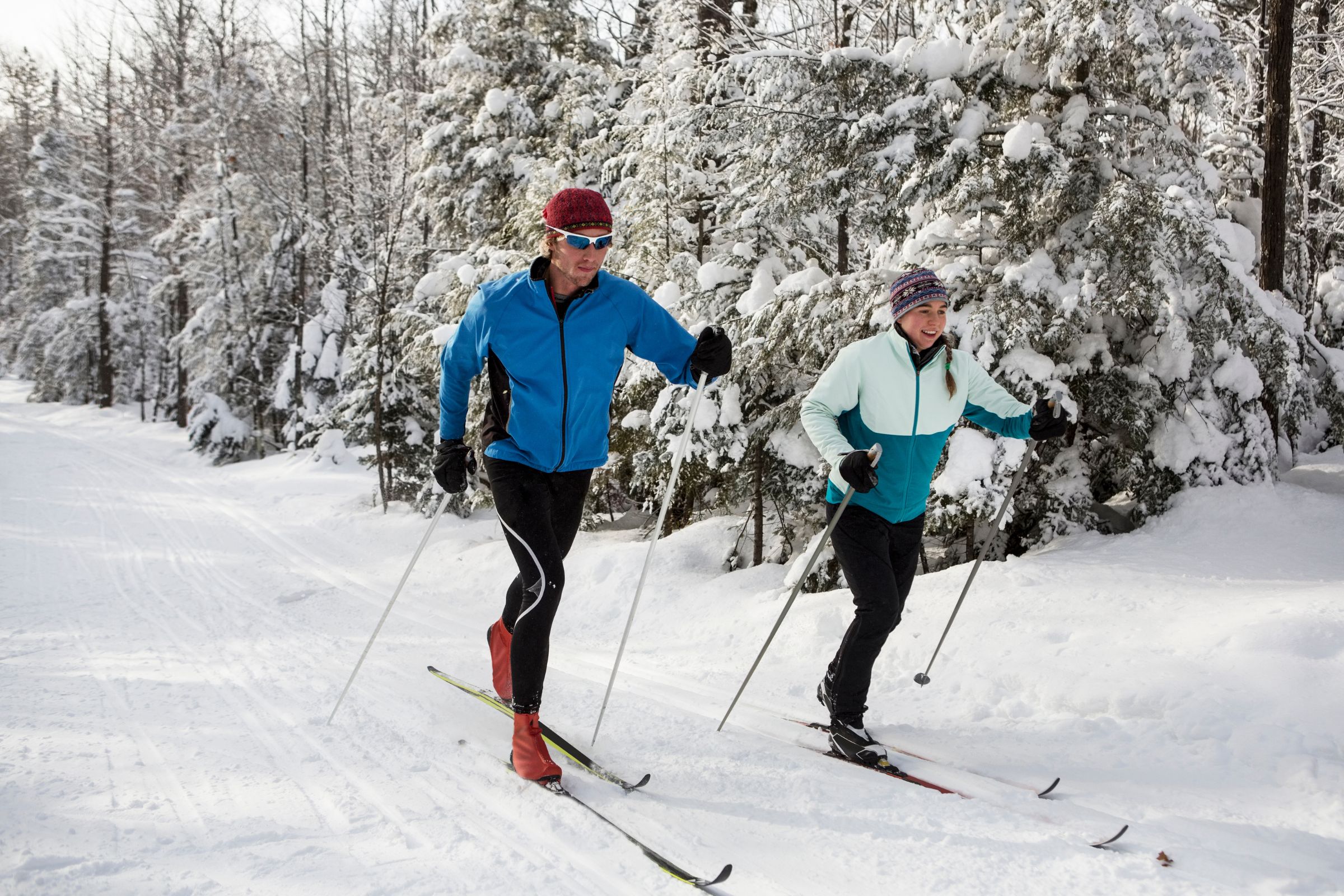
Cross-country skiing is an exhilarating yet peaceful way to enjoy the beauty of winter landscapes. Unlike downhill skiing, this sport allows you to explore snowy trails at your own pace, blending physical exercise with the serenity of nature. If you’re new to cross-country skiing, this guide will equip you with the essentials to get started.
Understanding Cross-Country Skiing
Cross-country skiing, also known as Nordic skiing, involves propelling yourself across snow-covered terrain using skis, poles, and your own strength. It’s a versatile sport that can be enjoyed on groomed tracks, frozen lakes, or ungroomed backcountry trails. The activity provides a full-body workout while offering the chance to immerse yourself in the tranquility of winter.
Gear You’ll Need
The right gear is crucial for a comfortable and safe experience. Here’s what you’ll need:
Skis: Choose skis based on your skill level and the type of terrain you’ll be skiing on. Classic skis are ideal for groomed trails, while skate skis are faster and designed for smoother surfaces.
Poles: Select poles that are about 83% of your height for classic skiing or 90% for skate skiing.
Boots: Invest in well-fitting, insulated boots that are compatible with your ski bindings.
Clothing: Dress in moisture-wicking layers to stay warm without overheating. Don’t forget a windproof jacket, gloves, a hat, and insulated socks.
Other Essentials: Carry a small backpack with water, snacks, sunscreen, and a trail map.
Learning the Basics
Start on flat, groomed trails to build your confidence. Master the classic stride, a gliding motion that mimics walking or running. Focus on maintaining balance, coordinating your arm and leg movements, and keeping your weight distributed evenly on your skis. Practice braking and turning techniques before tackling hills.
Exploring Trails
Research trails suited for beginners, such as those with gentle slopes and shorter distances. Popular destinations include state parks and designated Nordic ski centers, which often provide groomed tracks and equipment rentals.
Safety Tips
- Always check weather conditions and trail reports before heading out.
- Stay hydrated and bring high-energy snacks.
- Let someone know your planned route and estimated return time.
- Stick to marked trails and watch for wildlife.
With the right preparation, cross-country skiing offers a rewarding way to stay active and connect with nature during the winter months. Lace up your boots, grab your gear, and hit the trails for a memorable adventure!

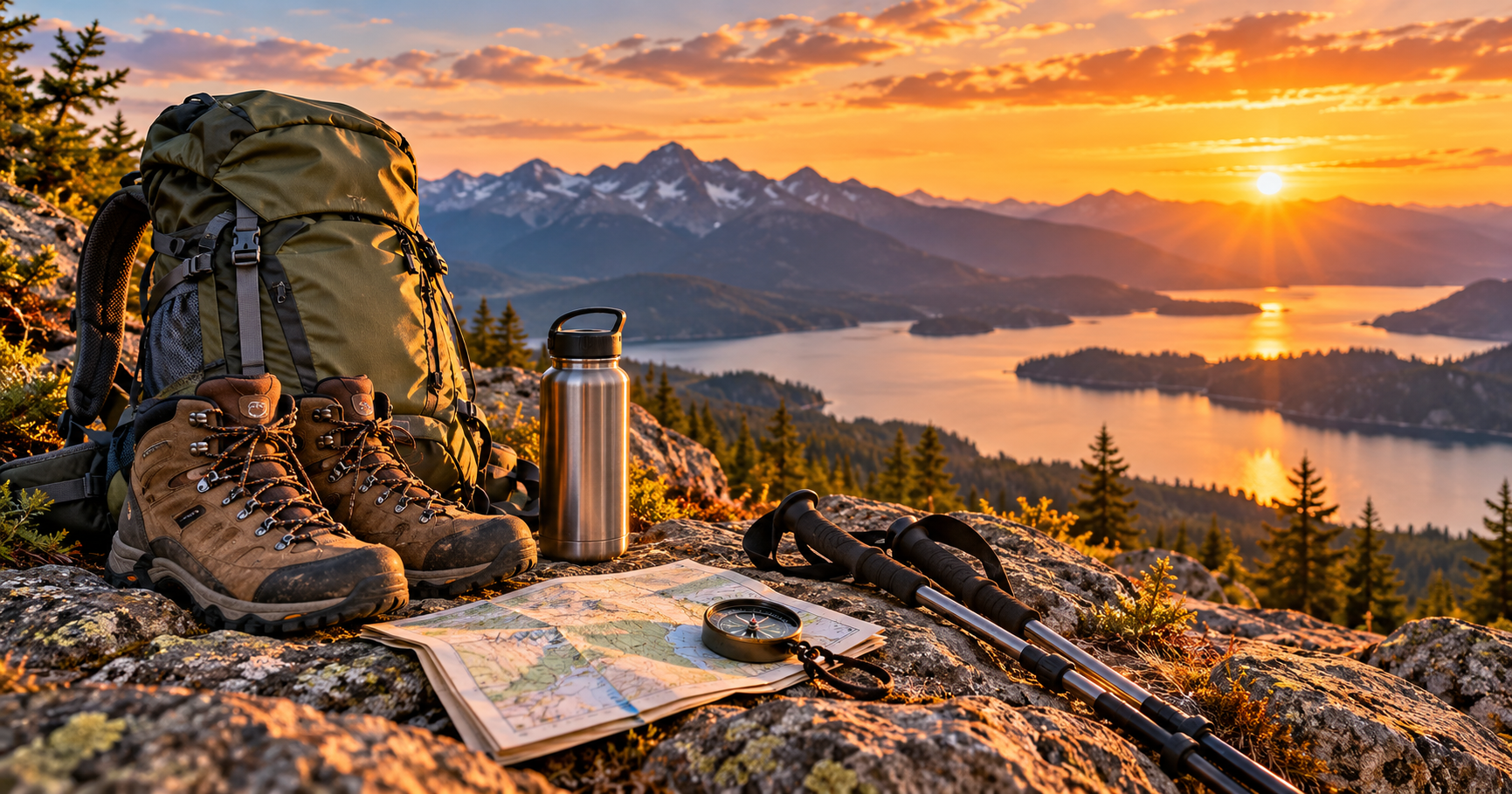
Adventure Starts with Having the Right Gear
There’s something exciting about getting ready for a new
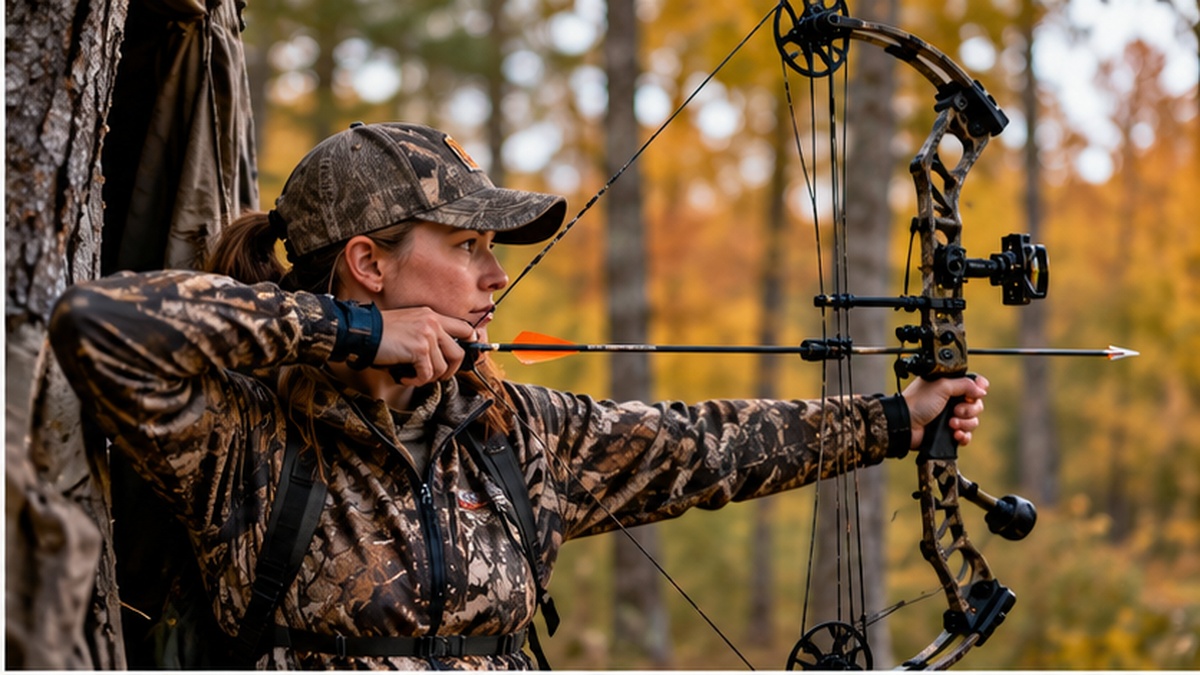
How to Get Started Bow Hunting
Bow hunting gives hunters a quiet and challenging way
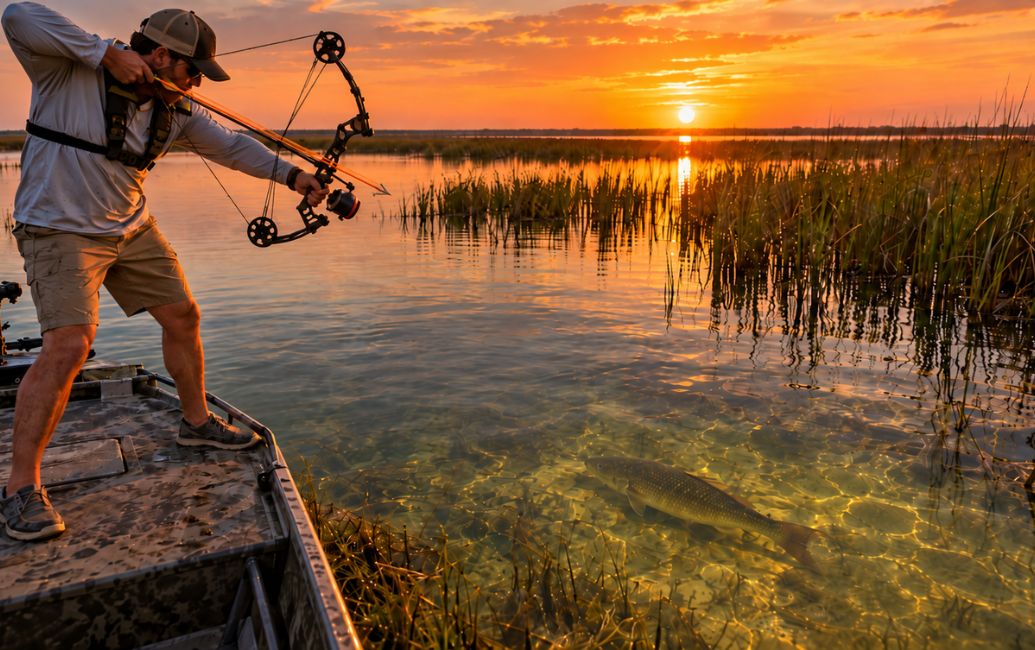
Bowfishing Basics for Beginners
Bowfishing combines parts of archery and fishing into one
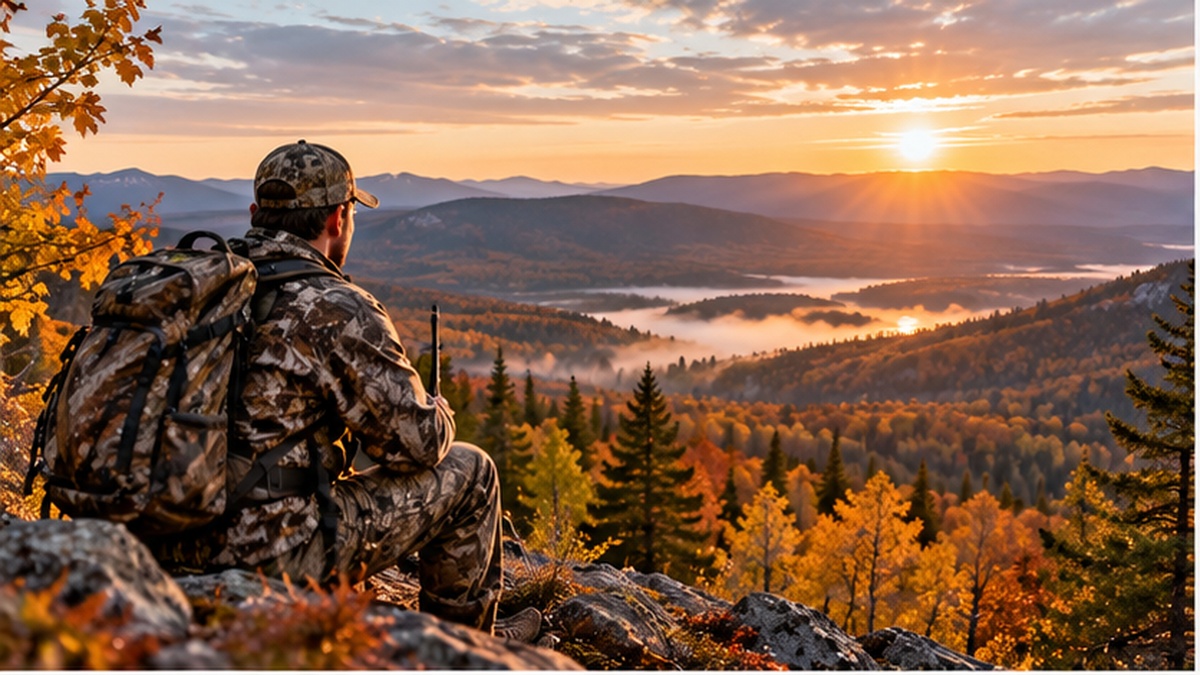
When Is Hunting Season
One of the first questions new hunters ask is
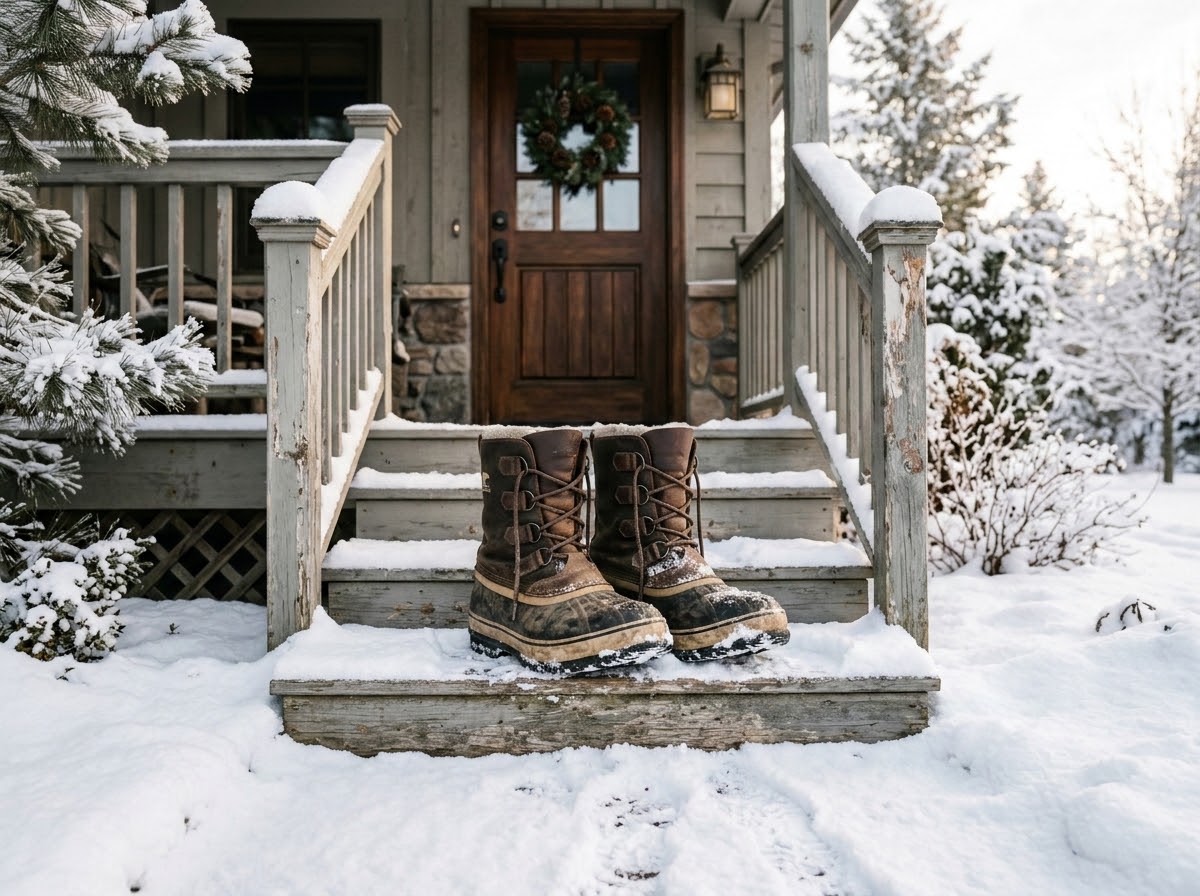
Ultimate Time to Shop for Winter Boots and Shoes
When the first crisp breeze of autumn rolls in or

How to Stay Safe Around Wildlife
Seeing wildlife can be one of the best parts