
Essential Winter Camping Gear for Beginners (and What You Can Skip)
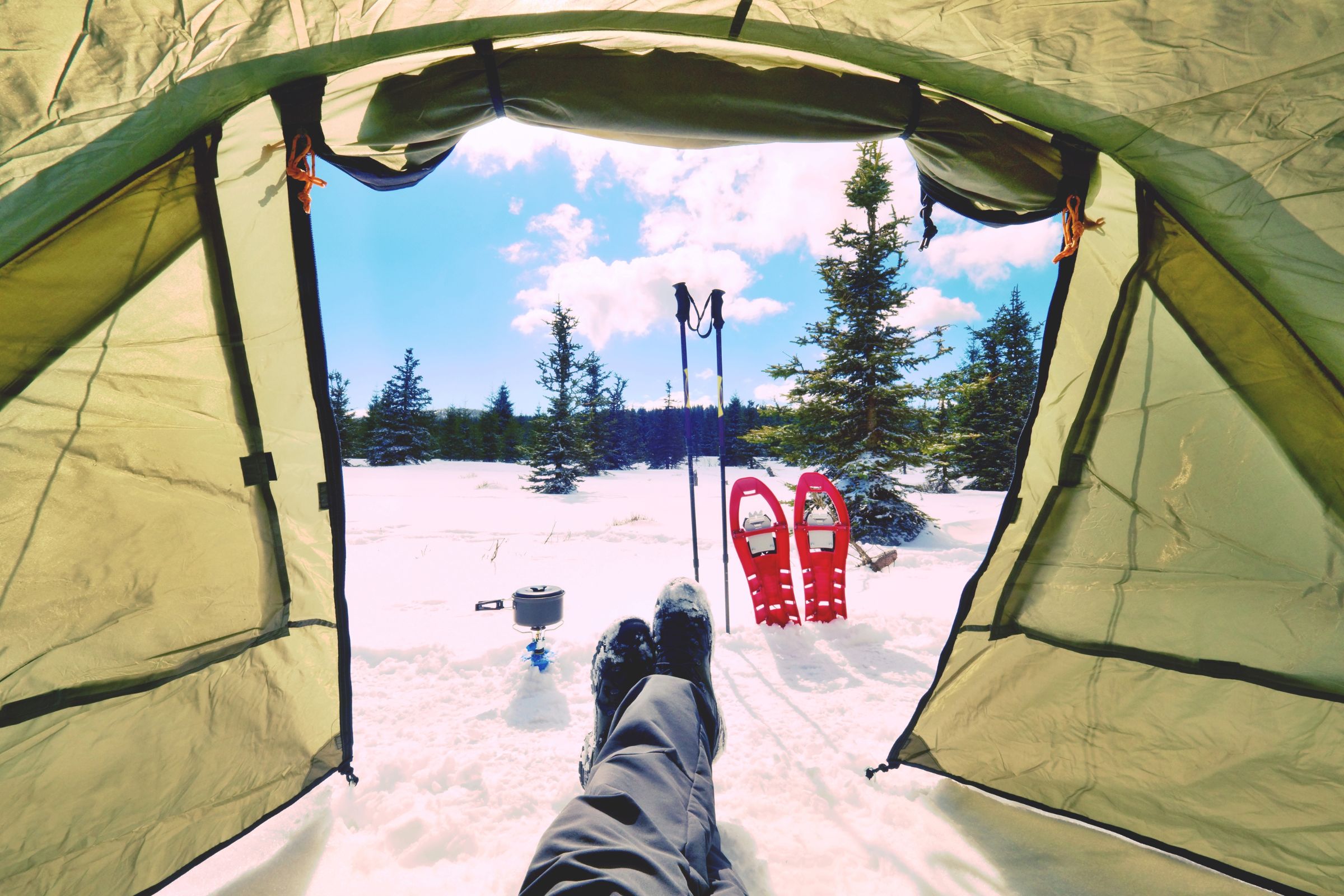
Winter camping can be a magical experience, but it requires careful planning and the right gear. Don’t let the thought of icy temperatures scare you off! This guide breaks down the essential winter camping gear for beginners, highlighting what’s crucial for safety and comfort, and what you can leave behind to keep your pack light and your wallet happy.
The Essentials: Staying Warm, Safe, and Comfortable
- Tent: A four-season tent is a must. Look for a tent with a sturdy frame, a waterproof fly, and good ventilation to minimize condensation. Consider the size based on how many people will be sharing it.
- Sleeping Bag: Your sleeping bag is your personal furnace. Opt for a winter-rated bag with a temperature rating significantly lower than the expected nighttime temperatures. Down fill offers excellent warmth-to-weight ratio but can lose insulation when wet. Synthetic fill is more water-resistant but heavier.
- Sleeping Pad: Insulation from the ground is just as important as insulation from above. Choose a sleeping pad with a high R-value (a measure of insulation). A combination of a foam pad and an inflatable pad is a great strategy for extra warmth.
- Winter Camping Stove & Fuel: Melting snow for water and cooking hot meals are essential. Choose a stove appropriate for winter conditions and bring plenty of fuel. White gas stoves are reliable in cold weather, but canister stoves are more convenient for beginners.
- Cookware & Utensils: Keep it simple. A pot, a spoon, and a mug are often all you need.
- Water Bottles or Hydration System: Staying hydrated is crucial. Insulated water bottles or a hydration reservoir with an insulated hose will prevent freezing.
- Headlamp or Flashlight: Essential for navigating in the dark. Bring extra batteries!
- First-Aid Kit: A well-stocked first-aid kit is a must for any outdoor adventure, but especially in winter.
- Navigation Tools: Map, compass, and GPS (and know how to use them!) are crucial for navigating in snowy terrain.
- Winter Clothing: Layering is key!
- Base Layer: Moisture-wicking fabrics like merino wool or synthetic materials.
- Mid-Layer: Fleece or down jacket for insulation.
- Outer Layer: Waterproof and windproof jacket and pants.
- Warm Hat, Gloves, and Socks: Protect your extremities!
- Winter Boots: Insulated and waterproof boots are essential for keeping your feet warm and dry.
- Snowshoes or Skis: Depending on your destination and planned activities, snowshoes or skis might be necessary for travel.
- Trekking Poles: Provide stability and balance on snowy terrain.
- Sunscreen and Sunglasses: The sun reflecting off the snow can be intense.
- Emergency Shelter: A lightweight bivy sack or emergency blanket can be a lifesaver in unexpected situations.
What You Can Skip (or De-Prioritize):
- Multiple Cookware Items: Stick to the basics. One pot is often enough for one-pot meals.
- Fancy Gadgets: Resist the urge to bring every new gadget you see. Focus on the essentials.
- Excess Clothing: While layering is important, avoid overpacking. Extra weight will tire you out.
- Heavy Food Items: Choose lightweight and calorie-dense foods.
- Cot: Unless you are car camping, cots are unnecessary and add a lot of weight.
- Camp Chairs: Sit on a log or a snow bank!
Tips for Packing Light:
- Plan Your Meals: Knowing what you’re going to eat will help you pack only the necessary food and cooking gear.
- Choose Multi-Purpose Items: Look for gear that can serve multiple functions.
- Share Gear: If you’re camping with others, share gear to reduce the overall weight.
- Pack Smart: Use stuff sacks and compression bags to minimize volume.
Winter camping can be an incredible adventure. By focusing on the essential gear and leaving behind unnecessary items, you can create a comfortable and enjoyable experience without breaking your back or the bank. Remember, safety is paramount. Always check the weather forecast and let someone know your plans before you head out.


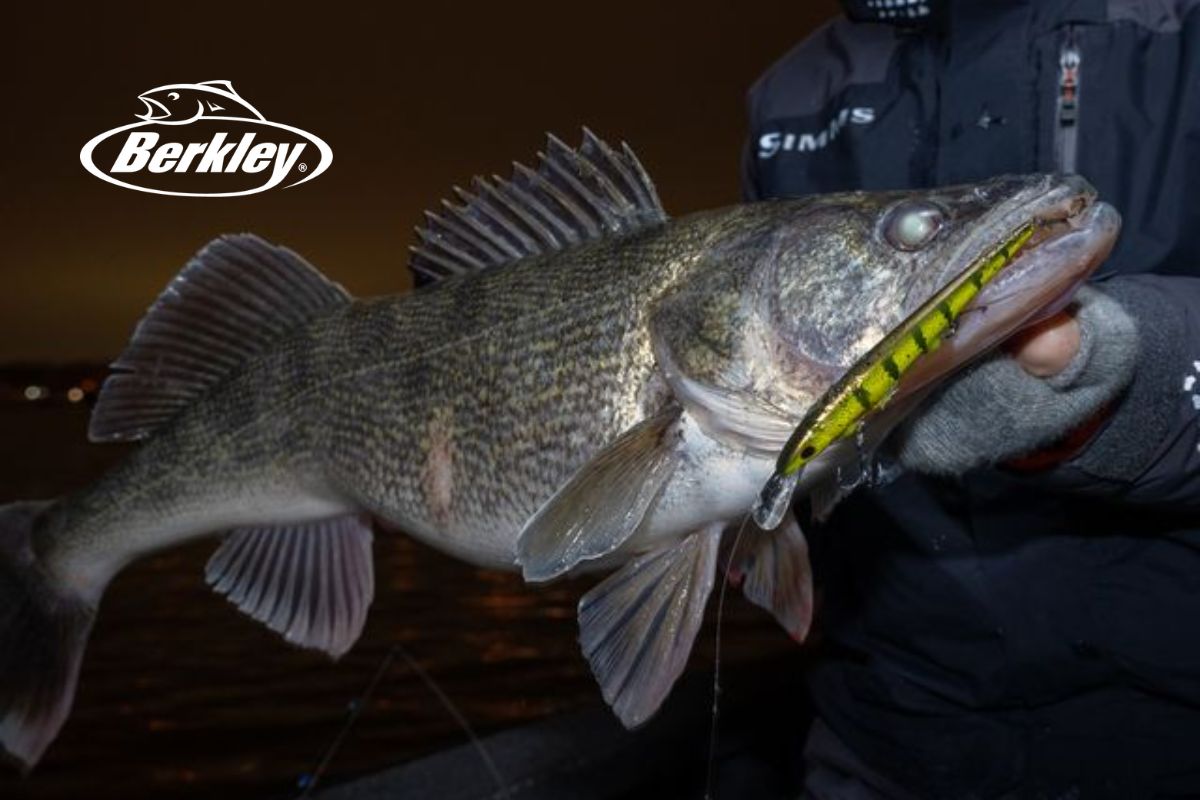
Master the Fishing Waters with Berkley Trolling Baits
When it comes to trolling, the right bait can make
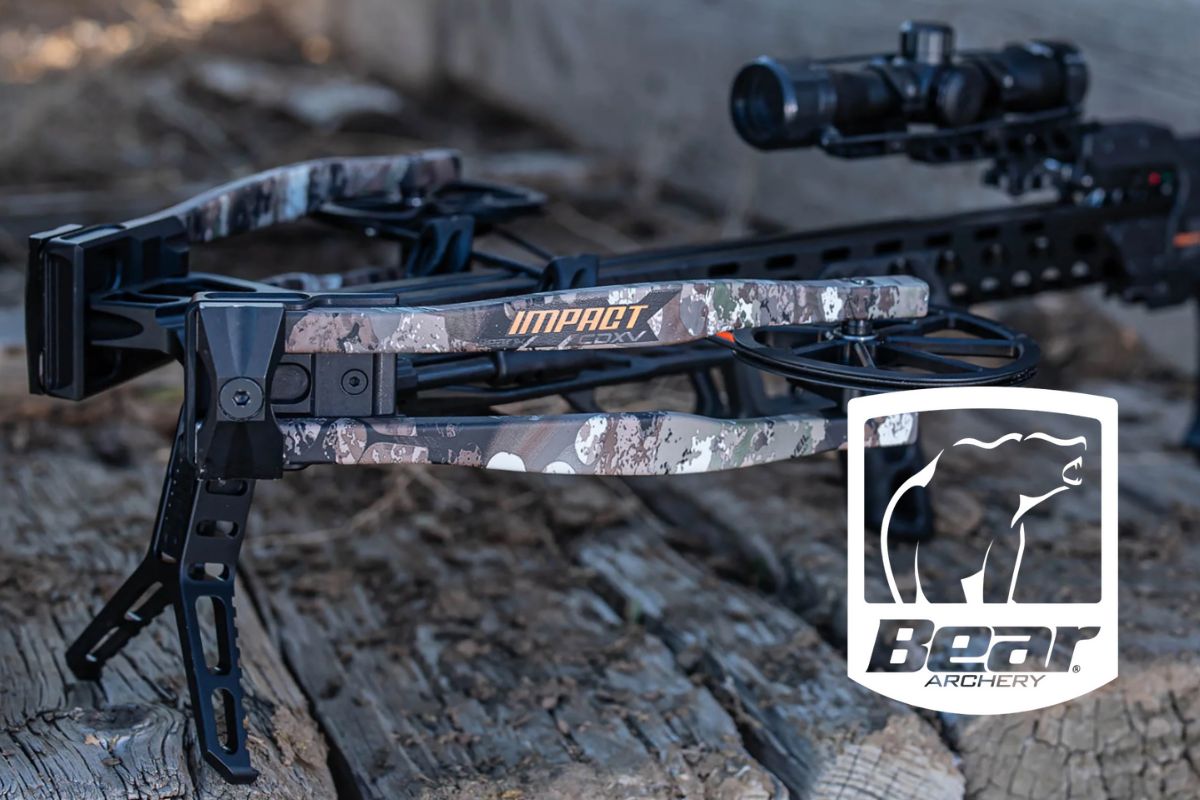
Top Bear Archery Bow Hunting Crossbows Now Up to 50% Off!
Whether you're stepping into the woods for the first time
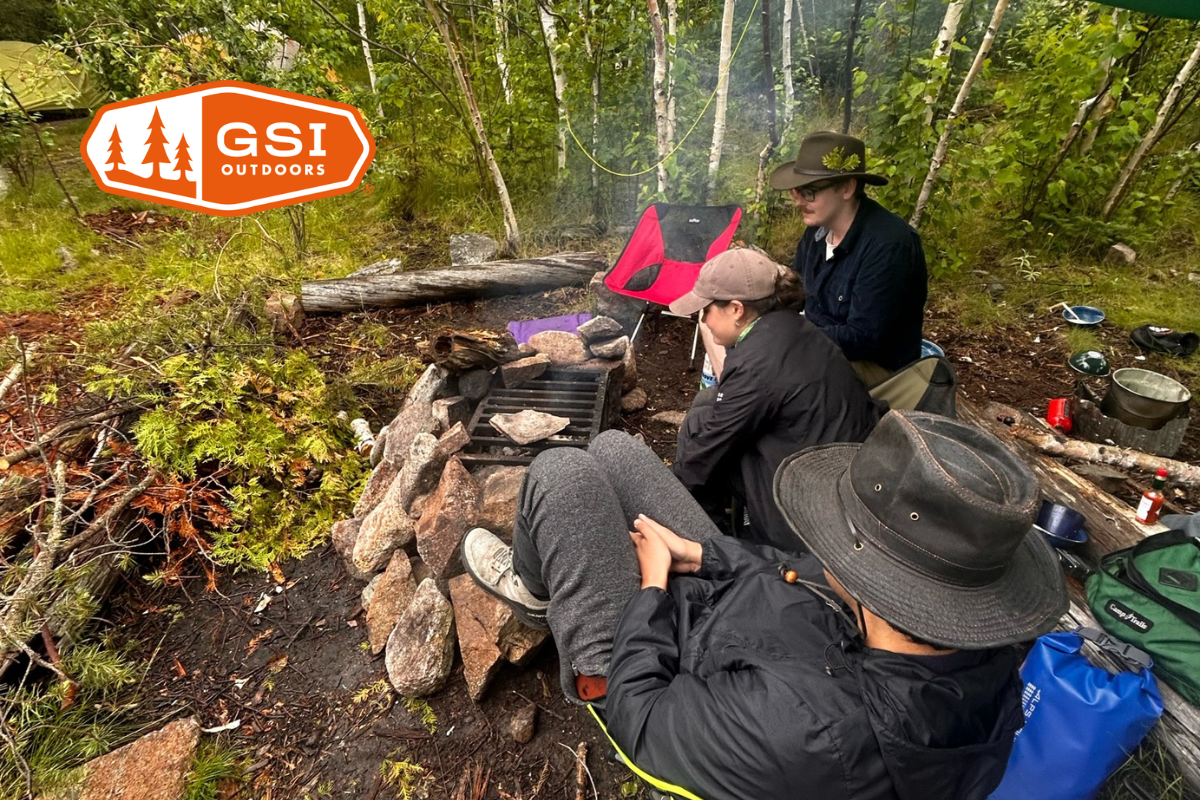
One-Pot Camping Meals: Delicious & Easy Outdoor Cooking
Camping is all about enjoying the great outdoors, but that

The Ultimate Guide to Solar Power for Camping: Overland Solar Solutions You’ll Love
Power Your Camping with Solar Camping is all about escaping
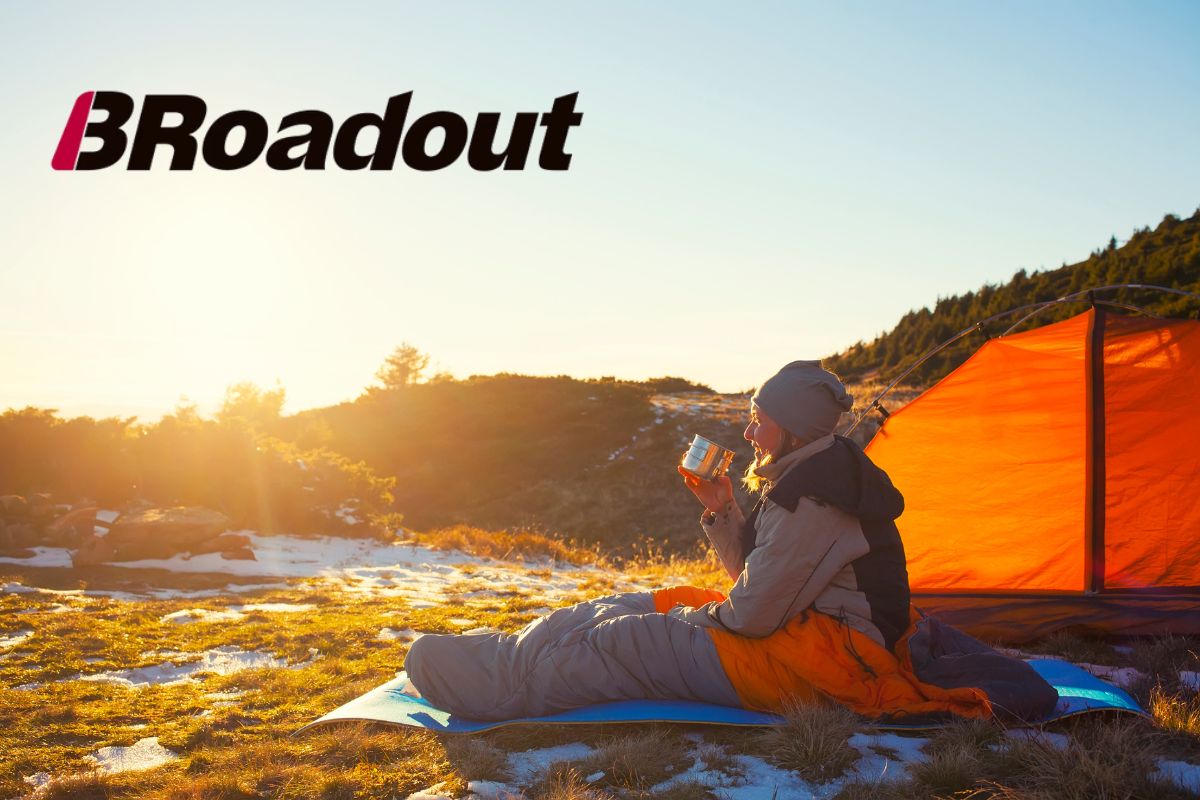
How to Choose the Best Sleeping Bags for Every Season: Top Picks from Broadout
A good night’s sleep can make or break your camping
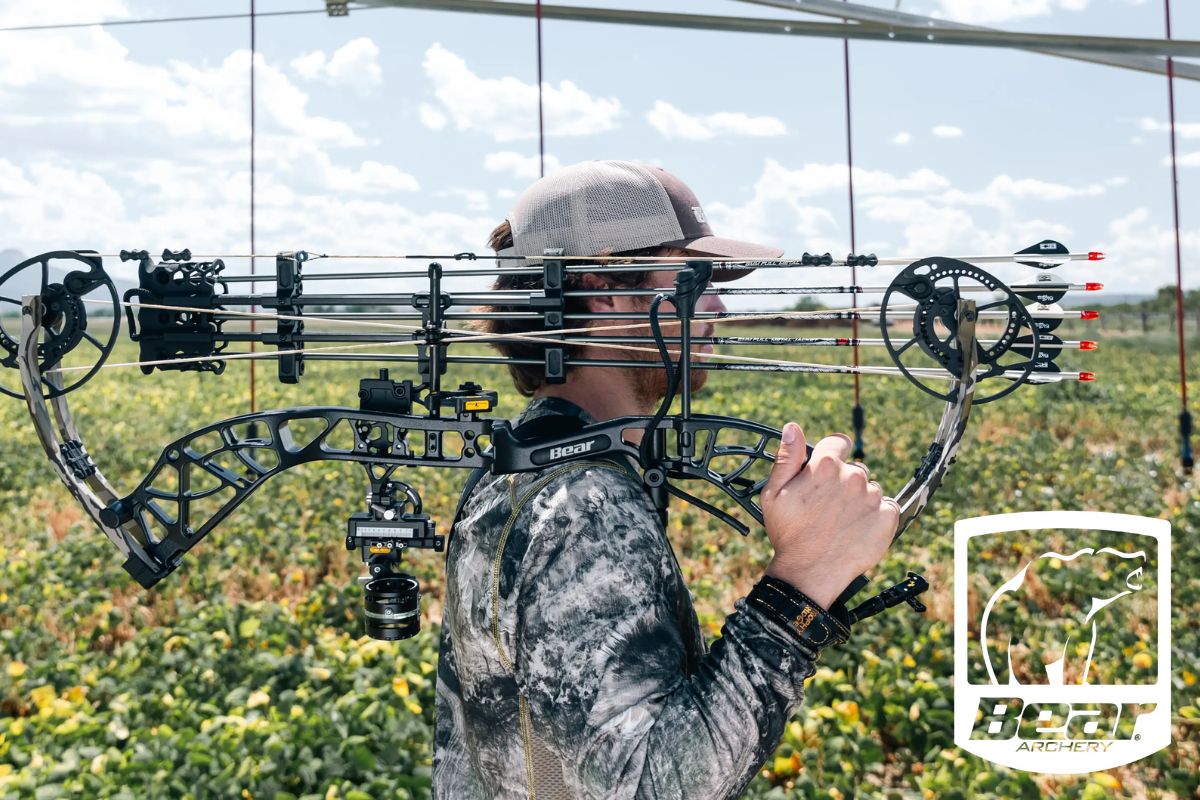
Why the Bear Archery Legend Series Lives Up to Its Name in Bow Hunting
If you’re serious about archery—whether you're seasoned in bow hunting