
Fire Starting Without Matches: Embrace Your Inner Pioneer
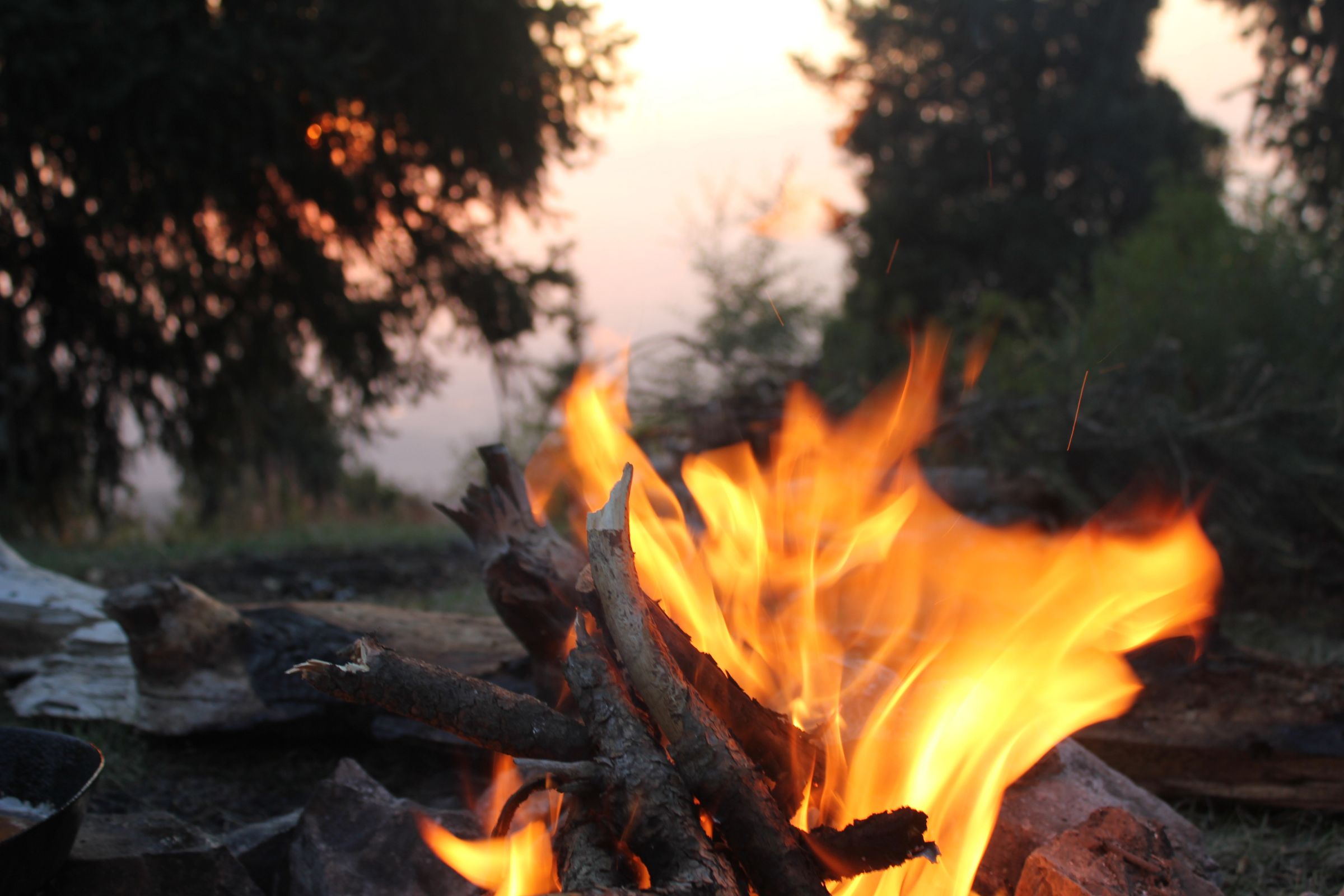
The crackle of a campfire is synonymous with wilderness adventures, but what happens when your matches are wet, lost, or simply forgotten? Knowing how to start a fire without modern conveniences is a crucial survival skill, connecting you to the ingenuity of our ancestors and empowering you to face unexpected challenges. This blog explores various fire-starting methods, from the classic flint and steel to more primitive friction-based techniques.
Why Learn Fire Starting Without Matches?
- Essential Survival Skill: Fire provides warmth, cooks food, purifies water, signals for help, and offers psychological comfort in survival situations.
- Self-Reliance: Mastering these techniques fosters self-reliance and confidence in your ability to handle challenging situations.
- Connection to Nature: Learning traditional fire-starting methods deepens your connection to the natural world and the skills of our ancestors.
- Fun and Rewarding: There’s a unique sense of accomplishment in creating fire from scratch.
1. Flint and Steel: A Classic Method
Flint and steel is a reliable and relatively easy method to learn.
- Materials: Flint (or a suitable substitute like chert or quartz), a steel striker, and tinder (char cloth, cotton balls, birch bark, dry grass).
- Technique: Hold the flint in one hand and the steel striker in the other. Hold the tinder close to the flint. Strike the steel against the flint, directing the sparks towards the tinder. Once an ember catches, gently blow on it to create a flame.
2. Friction-Based Methods: The Primitive Approach
Friction-based methods involve creating heat through friction. They require more practice and patience but are incredibly rewarding to master.
- Hand Drill: This method uses a spindle (a stick of wood) rotated rapidly between your hands against a fireboard (another piece of wood). The friction creates heat and eventually an ember. This method is physically demanding and requires significant practice.
- Bow Drill: Similar to the hand drill, the bow drill uses a bow to rotate the spindle, making the process easier and faster. It still requires practice and coordination.
- Fire Plow: This method involves rubbing a pointed stick along a groove in a fireboard. It’s less common but can be effective in certain conditions.
3. Other Methods:
- Magnifying Glass/Lens: If you have a magnifying glass or lens, you can focus sunlight onto tinder to create a flame.
- Chemical Methods: Certain chemical reactions can produce heat and ignite tinder. However, these methods are less reliable and often involve hazardous materials.
Tinder: The Key to Success
Tinder is crucial for catching the initial spark or ember. It needs to be dry, fine, and easily ignitable.
- Natural Tinder: Birch bark, dry grass, pine needles, dead leaves, bird nests, and cottonwood fluff.
- Prepared Tinder: Char cloth (cloth that has been partially burned), cotton balls coated in petroleum jelly, and commercial fire starters.
Tips for Success:
- Practice, Practice, Practice: These skills take time and dedication to master. Practice regularly in a safe environment.
- Gather Your Materials: Before attempting to start a fire, gather all your necessary materials, including tinder, kindling, and fuel wood.
- Choose the Right Location: Select a sheltered spot away from wind and flammable materials.
- Be Patient: Starting a fire without matches can be challenging. Don’t get discouraged if you don’t succeed on your first try.
Learning to start a fire without matches is a valuable skill that can empower you in any survival situation. Embrace the challenge, practice regularly, and you’ll soon be enjoying the warmth and comfort of a self-made fire.

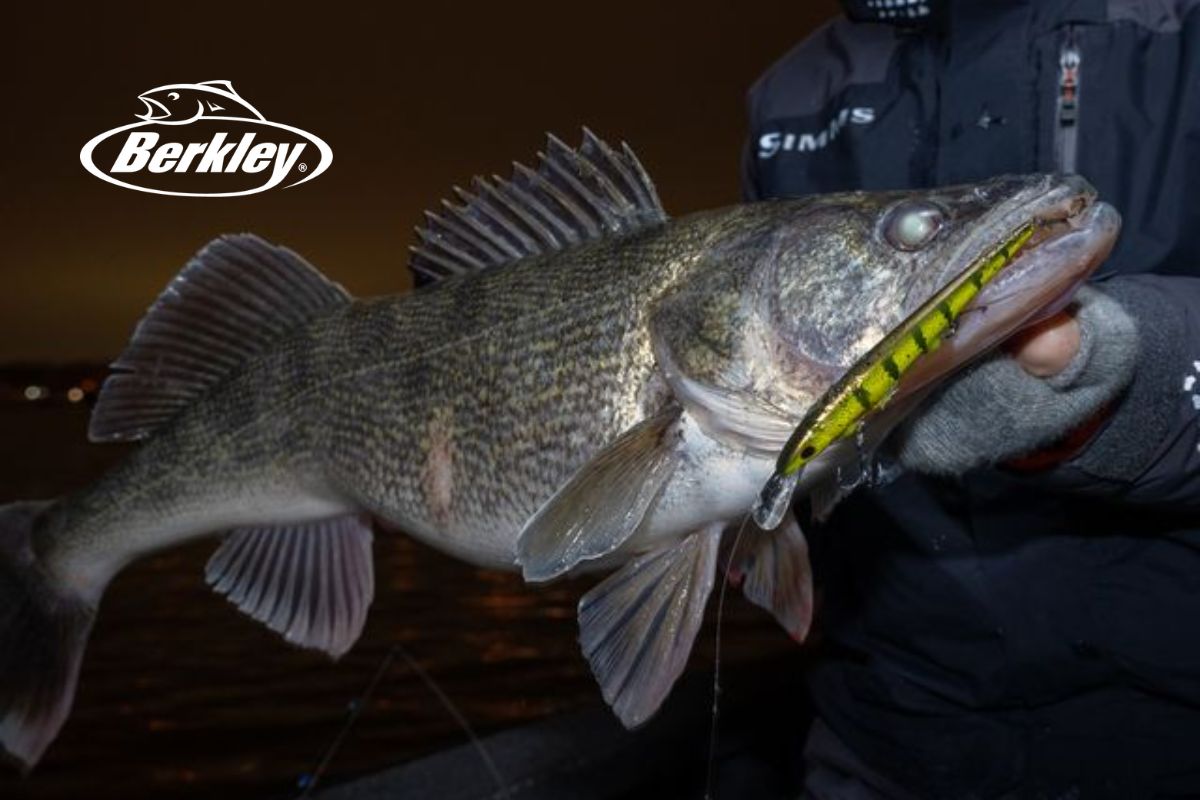
Master the Fishing Waters with Berkley Trolling Baits
When it comes to trolling, the right bait can make
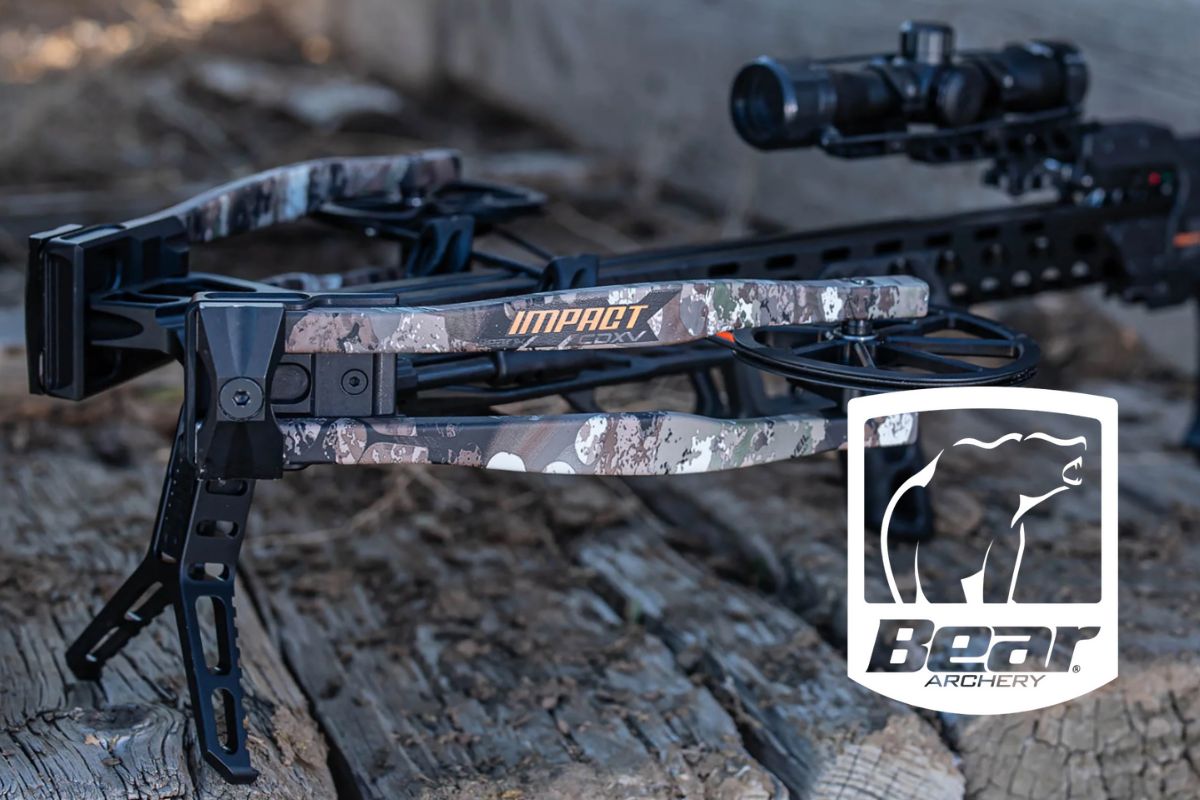
Top Bear Archery Bow Hunting Crossbows Now Up to 50% Off!
Whether you're stepping into the woods for the first time
One-Pot Camping Meals: Delicious & Easy Outdoor Cooking
Camping is all about enjoying the great outdoors, but that
The Ultimate Guide to Solar Power for Camping: Overland Solar Solutions You’ll Love
Power Your Camping with Solar Camping is all about escaping
How to Choose the Best Sleeping Bags for Every Season: Top Picks from Broadout
A good night’s sleep can make or break your camping
Why the Bear Archery Legend Series Lives Up to Its Name in Bow Hunting
If you’re serious about archery—whether you're seasoned in bow hunting