Fishing With Kids and Making Family Memories
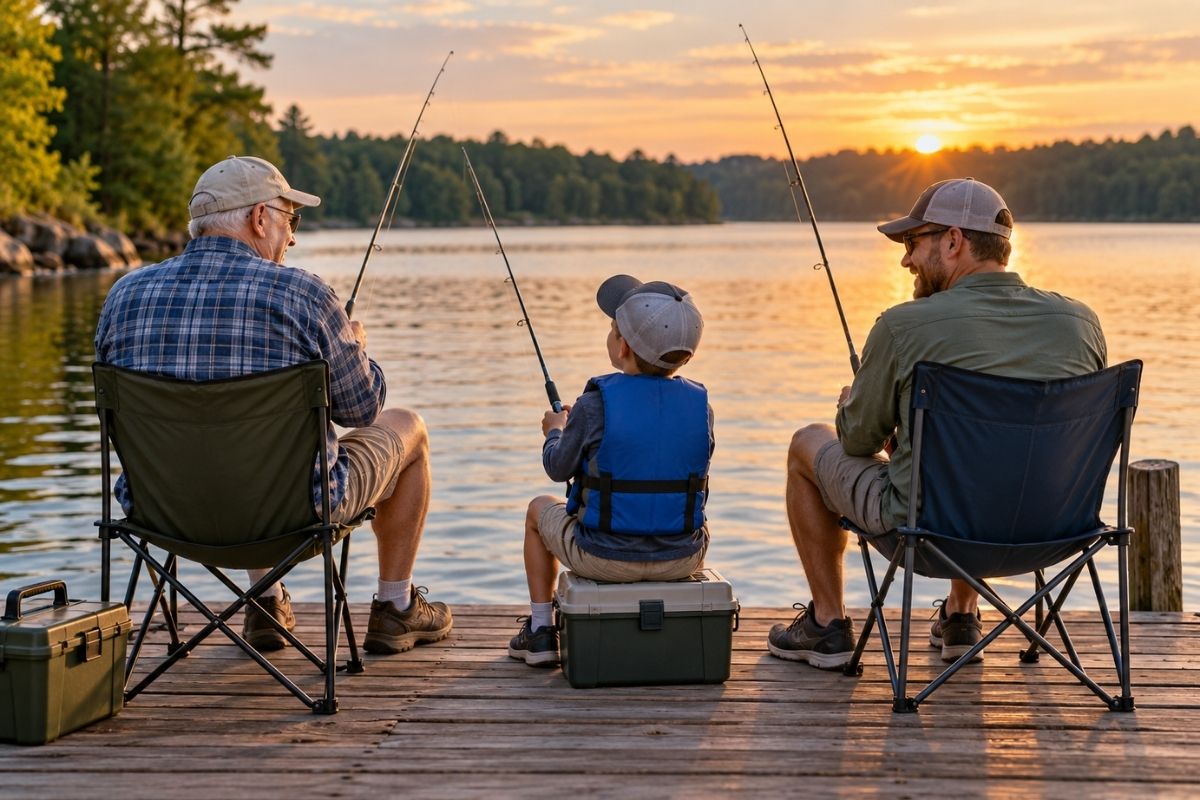
Fishing can be much more than a way to catch fish. For many families, it becomes a tradition that brings people together year after year. A quiet morning by the water can turn into a memory that lasts for decades. Family fishing does not have to be fancy. You do not need a big boat, a perfect lake, or years of experience. A pond, riverbank, dock, or small lake can be enough to start something special.
Some of the best fishing stories begin when a child catches a tiny fish for the first time. Other memories come from the fish that got away, the snack that fell in the water, or the rainstorm that sent everyone running. Those simple moments are often the ones people remember most.
Start With Fun Instead of Perfect Fishing
The best way to introduce children to fishing is to keep the first trips simple. Young kids may not want to sit still for hours waiting for a bite. They may want to throw rocks, look for frogs, eat snacks, or walk along the shore. That is okay. A first fishing trip should feel more like an outdoor adventure than a serious lesson. Let kids explore, ask questions, and enjoy being outside while fishing becomes part of the experience. Short trips are often better for beginners. An hour or two of fun can leave a child excited to come back again. A long day when they are cold, hungry, or bored may make them lose interest.
Catching small fish can also make a first trip exciting. Bluegill, sunfish, perch, and other common fish can give kids a chance to feel a bite and reel something in. To a young angler, even a small fish can feel huge. Try not to turn fishing into a contest. One person may catch several fish while another catches none. Celebrate every catch and every new skill, from making a cast to learning how to hold a fish safely. Bring snacks, drinks, and anything that helps everyone stay comfortable. Some families make a picnic part of the trip or stop for ice cream afterward. Those little habits can become part of the tradition too.
Pass Down Stories and Simple Skills
Fishing traditions grow when one person teaches another. A parent may show a child how to cast, while a grandparent may teach someone how to watch a bobber. These simple lessons can stay with a person for life. Teaching should stay relaxed. Beginners will tangle lines, miss fish, and make mistakes. That is part of learning, and it can even become part of the story everyone laughs about later. Family stories make fishing feel special. Tell kids about the lake where you learned to fish or the biggest fish you ever caught. Share the story about the fish that got away or the trip when nothing went according to plan. Grandparents can play an important role in these traditions. They may know fishing spots that younger family members have never seen. A quiet day by the water can also give children time to hear family stories they might not hear anywhere else.
Simple skills can be passed down too. Learning how to cast, handle a fish, tie a basic knot, and pay attention to the water can build confidence. These skills can help children feel more comfortable outdoors. Respect for nature should also be part of the lesson. Teach kids not to leave trash behind and to handle fish carefully. Following local fishing rules helps protect the water and fish for the next generation.
Create Traditions Everyone Looks Forward To
A family fishing tradition becomes stronger when certain things happen again and again. Maybe the first fishing trip of the year always happens on the same weekend. Maybe everyone returns to the same lake each summer. Families can also keep a simple fishing journal. Write down where you went, what the weather was like, and what you caught. Kids can add drawings, pictures, or their favorite memory from the day. Photos are another easy way to save the tradition. Take a picture of a child’s first fish or take a family photo at the same dock every year. Over time, those photos can show children growing up while the fishing spot stays almost the same.
A friendly family challenge can add some fun. You might see who catches the first fish, the smallest fish, or the strangest fish. Keep it light so the day remains about having fun together instead of winning. Food can become part of the tradition too. Maybe everyone eats breakfast before heading out or cooks dinner together after fishing. If fish are kept legally, preparing the catch together can become another part of the experience. Traditions can change as children grow older. A trip that once included small kids may later include teenagers, adult children, and grandchildren. The details may change, but the reason for getting together can stay the same.
Make the Memories Bigger Than the Catch
It is easy to think a good fishing trip means catching a lot of fish. Catching fish is exciting, but it is not the only thing that makes the day worthwhile. Some of the best memories happen on days when almost nothing bites. A slow day gives families time to talk. People may share stories, jokes, plans, and things they do not always talk about at home. Sitting beside the water can make those conversations feel easier. Fishing also teaches patience. You cannot make the fish bite when you want them to. Sometimes you have to wait, move to another spot, try something different, or accept that the fish are not active that day.
Children also learn that nature does not follow a schedule. Weather can change, fish can move, and the water may be calm one day and windy the next. Learning to adjust is part of the outdoor experience. Family fishing can also give everyone a break from screens. A fishing trip gives people a reason to watch the water, listen to birds, and pay attention to what is happening around them. Even a few hours outside can feel refreshing. As children grow older, the meaning of the tradition may change. A teenager may not be as excited about catching a small bluegill as they were at age six. They may still enjoy the time spent with a parent, grandparent, brother, sister, or friend. Years later, those children may bring their own kids to the same lake. They may tell the same stories or repeat some of the same traditions they learned when they were young. That is when a simple fishing trip becomes something that can last for generations.
You do not need to plan the perfect day to make that happen. Start with one trip, keep it simple, and focus on spending time together. Take pictures, tell stories, laugh at mistakes, and celebrate every fish. Fishing gives families something easy to share. It brings people outside, creates time together, and builds stories that can be passed down. The fish may bring everyone to the water, but the memories are what bring them back.


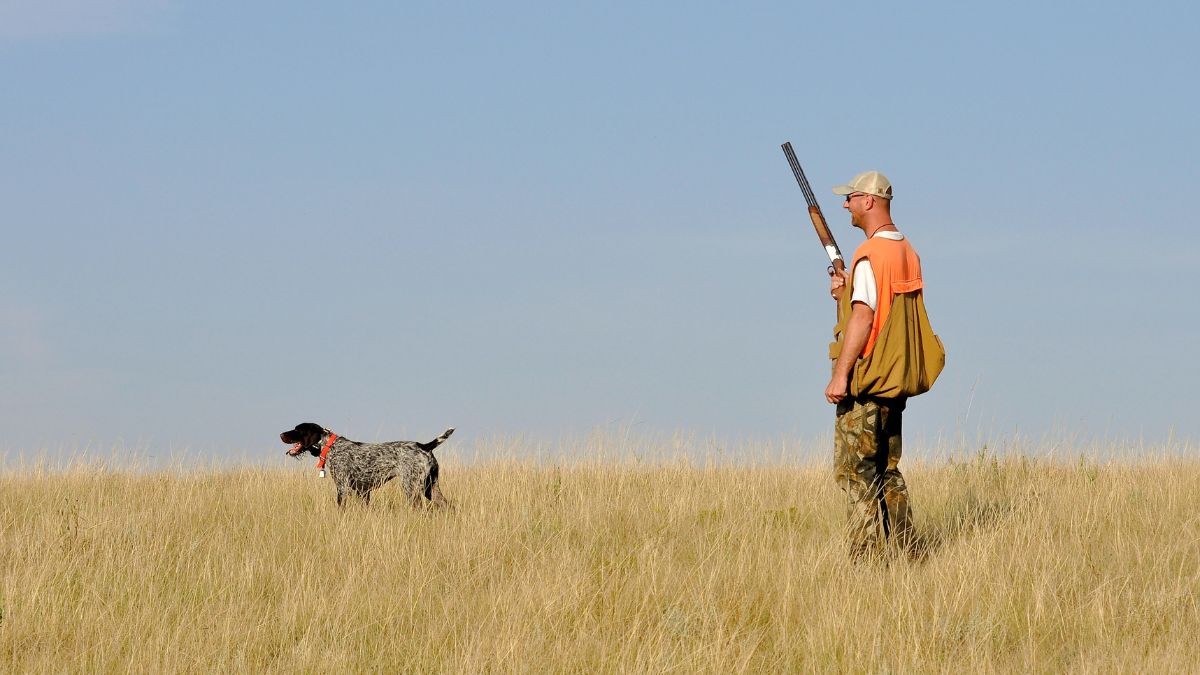
Upland Bird Hunting for Pheasant Quail and Grouse
Upland bird hunting takes place on dry land instead
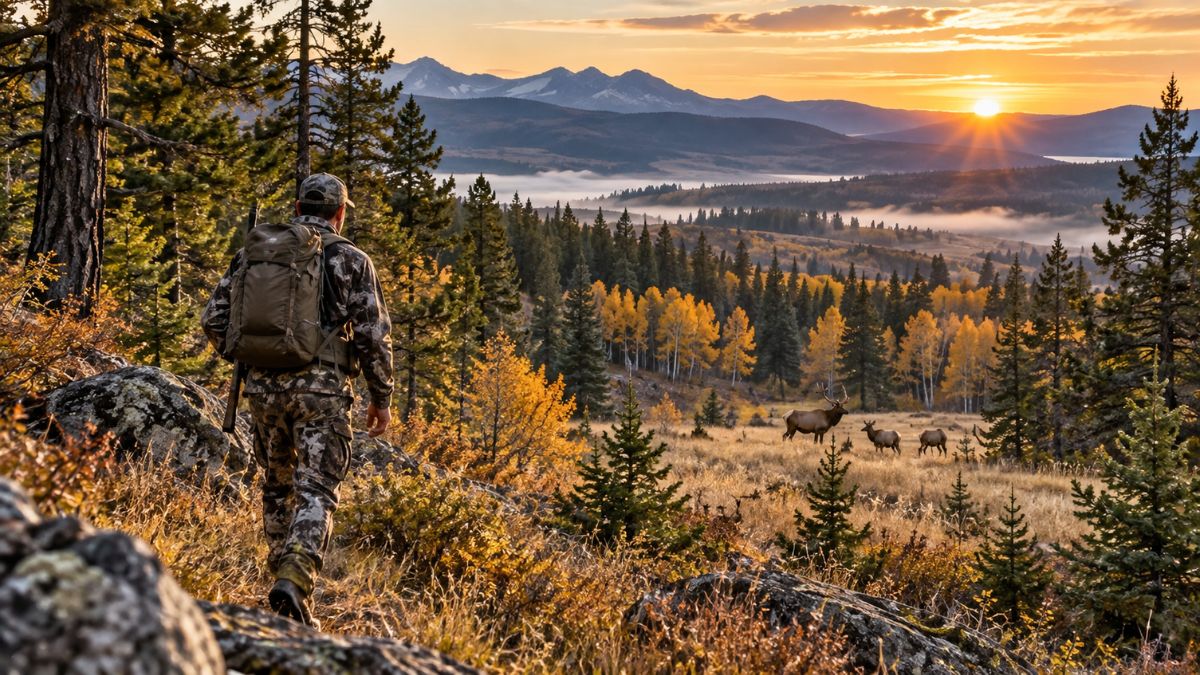
Best Times of Year to Hunt Popular Game
Hunting changes a lot during the year. Deer, elk,
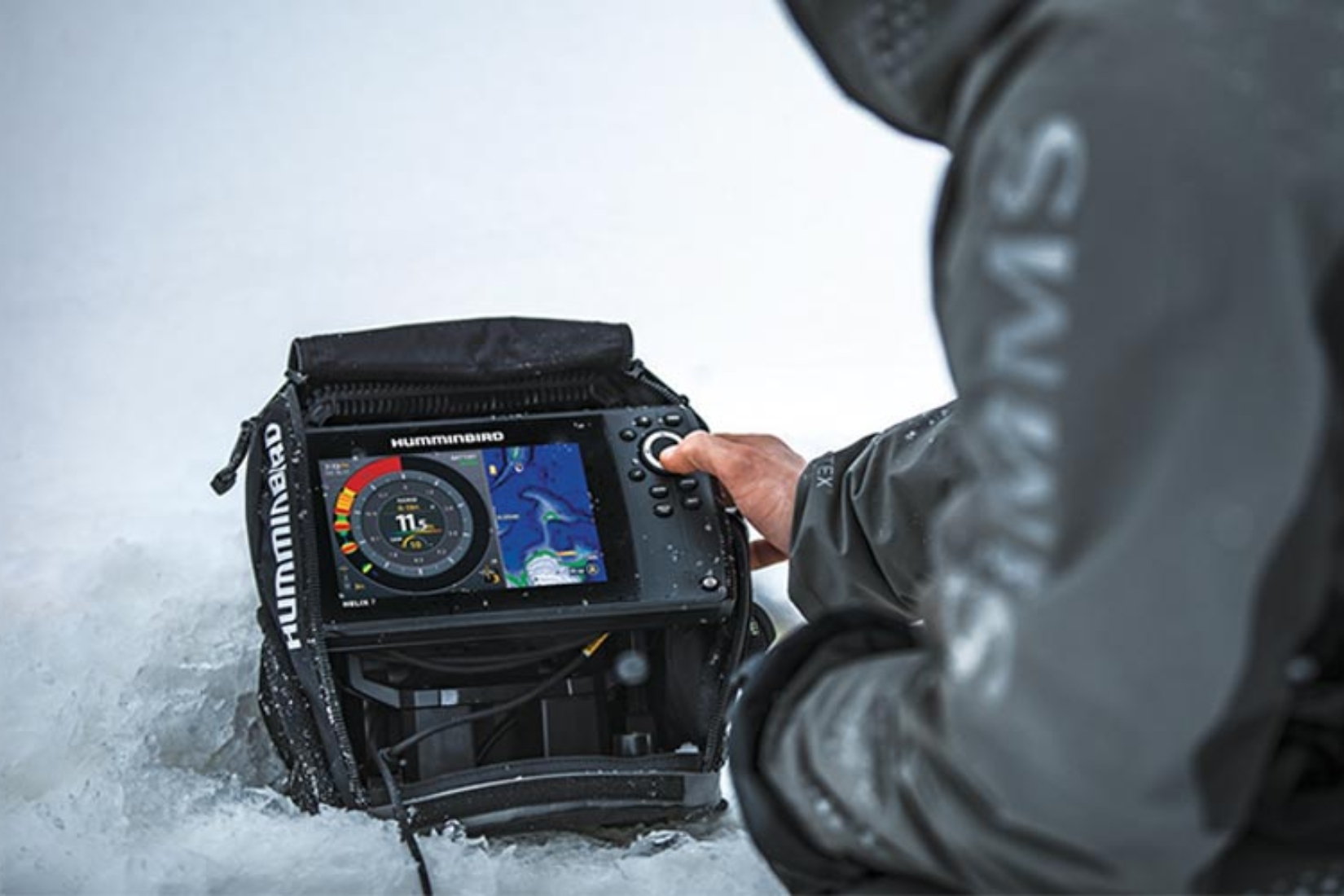
Humminbird ICE HELIX All Season: One Fish Finder for Year-Round Fishing
When you spend time fishing both hard water and open
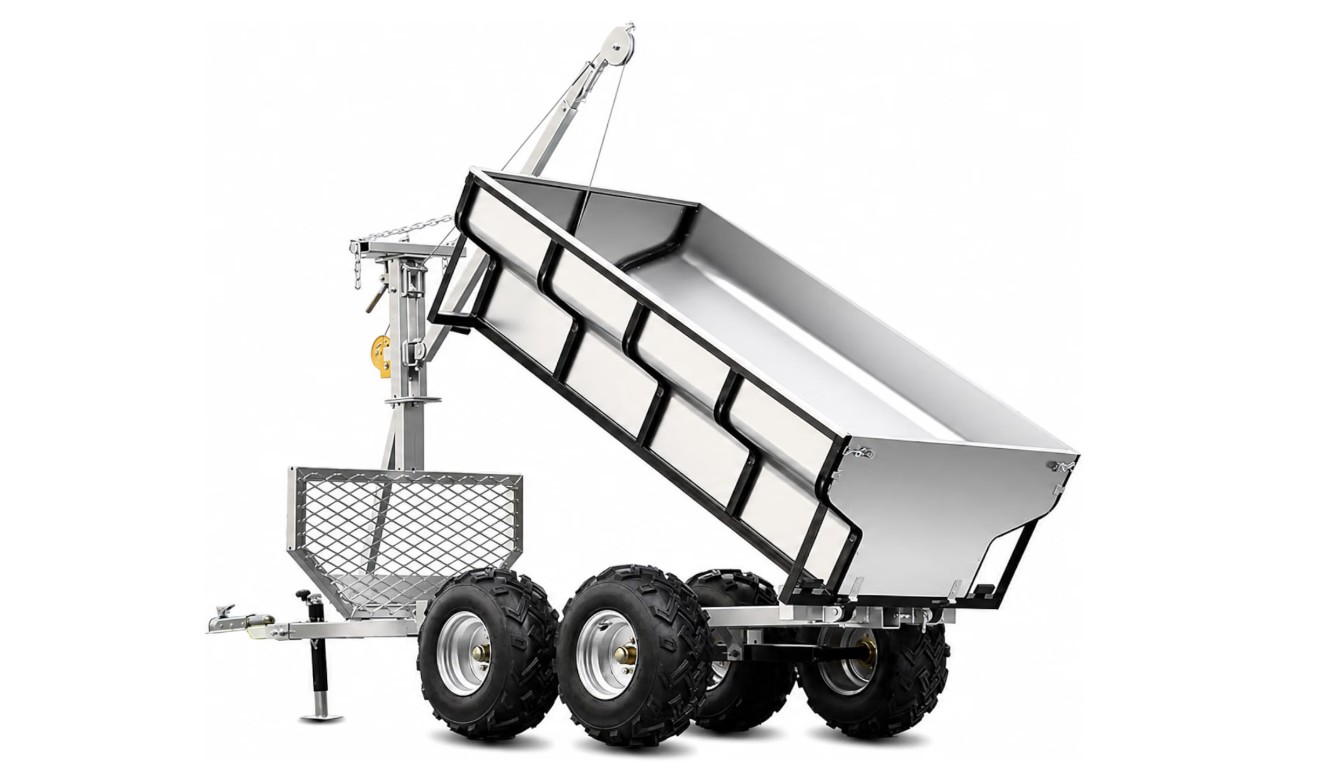
Conquering the Backcountry and Backyard: The Ultimate Guide to Heavy-Duty ATV Utility Trailers
If you own an all-terrain vehicle, utility task vehicle, or
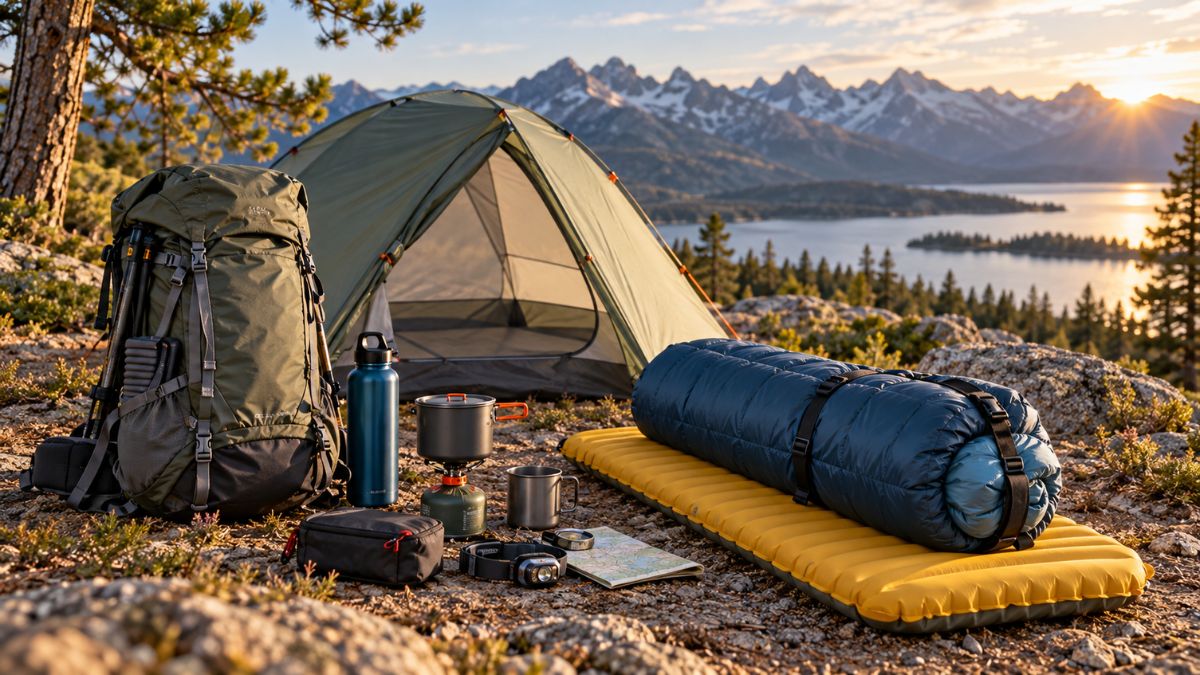
How to Pack Light for Camping
It is easy to bring too much on a camping
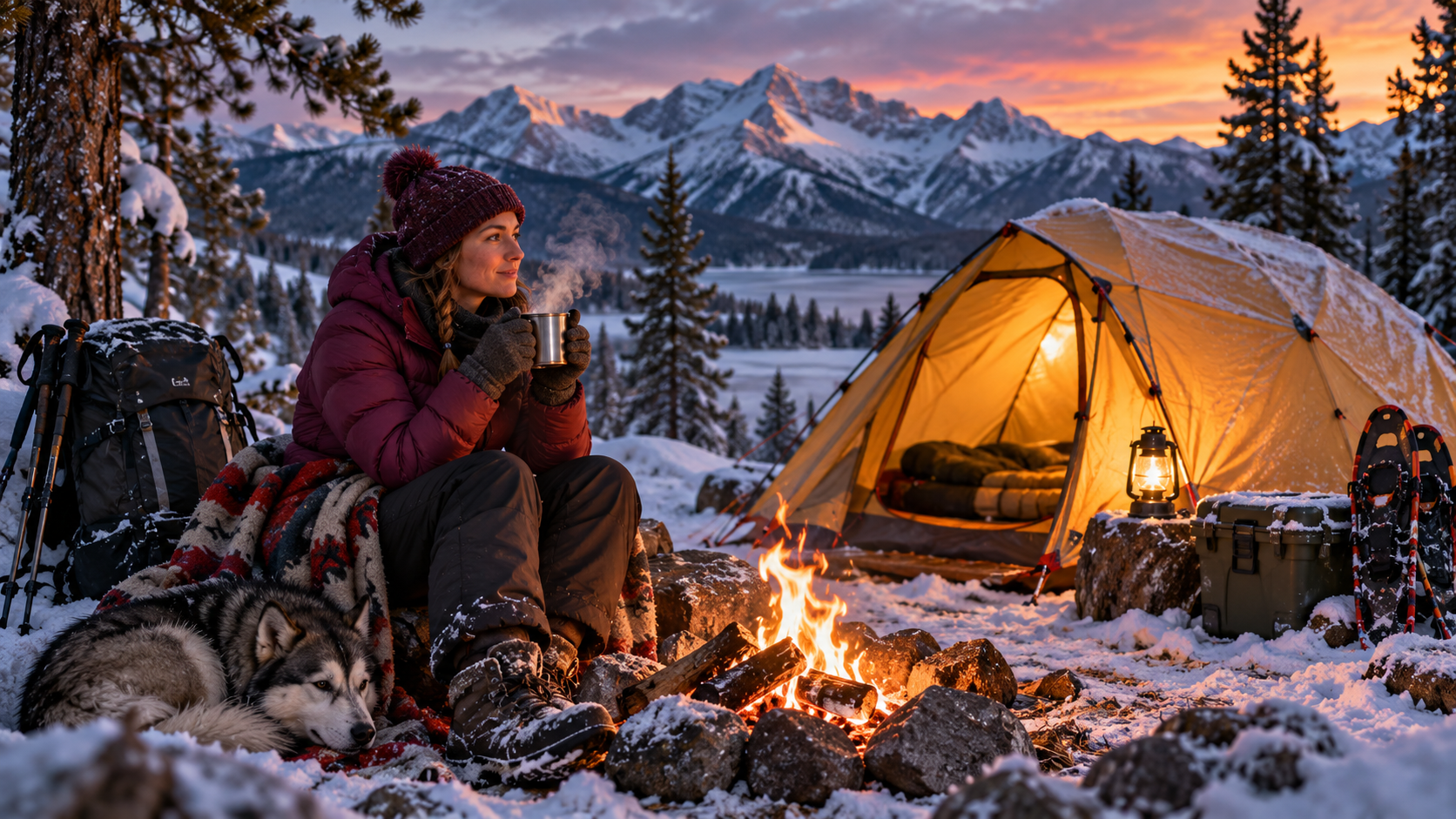
How to Stay Warm While Camping in Cold Weather
Cold-weather camping can be quiet, beautiful, and peaceful. It