Hunting for Beginners: A Complete Guide to Getting Started
Hunting is a rewarding outdoor activity that connects you with nature and hones valuable skills. For beginners, however, it can feel overwhelming. From licenses to gear, there’s much to consider. Here’s a complete guide to help you get started in hunting.
Step 1: Obtain the Proper Licenses and Permits
Before heading out, ensure you’re hunting legally. Research your local wildlife agency’s requirements and obtain a hunting license. You may need additional tags or permits depending on the species, such as deer hunting, turkey hunting, or elk hunting. Complete any required hunter education courses, which often teach safety, ethics, and conservation principles.
Step 2: Choose Your Hunting Method
Decide whether you prefer gun hunting or bow hunting:
- Gun Hunting: Easier to learn and suitable for various game, from boar and coyote hunting to waterfowl and upland hunting.
- Bow Hunting: Offers a quieter and more challenging experience, ideal for species like deer, elk, and turkey.
Consider starting with gun hunting if you’re new, as it has a shorter learning curve.
Step 3: Gather Essential Gear
Invest in the right equipment to ensure a safe and successful hunt:
- Weapons: Choose a firearm or bow suited for your game. For example, rifles for big game like moose or bear, and shotguns for bird hunting.
- Camo Styles: Select camouflage patterns that match your hunting environment, such as woodland or marsh.
- Safety Gear: Blaze orange clothing, a first aid kit, and a GPS or compass are must-haves.
- Field Tools: Carry a hunting knife for field dressing, game bags, and binoculars for spotting prey.
Step 4: Learn the Basics
Practice is crucial for beginners:
- Shooting Practice: Visit a range to improve accuracy with your firearm or bow.
- Tracking Skills: Learn to identify tracks, scat, and other signs of game like raccoons or foxes.
- Calls and Decoys: Master the use of calls and decoys for species like ducks, turkeys, and predators.
Step 5: Plan Your Hunt
Research hunting seasons and regulations. Start with smaller, manageable game like pheasants, quail, or rabbits before progressing to big game such as caribou, bison, or grizzlies. Scout locations and familiarize yourself with the terrain.
Hunting is a journey of learning and growth. By securing the proper licenses, gathering the right gear, and practicing key skills, you’ll be well-prepared to embark on your first hunting adventure. Respect nature, follow ethical hunting practices, and enjoy the thrill of the chase!

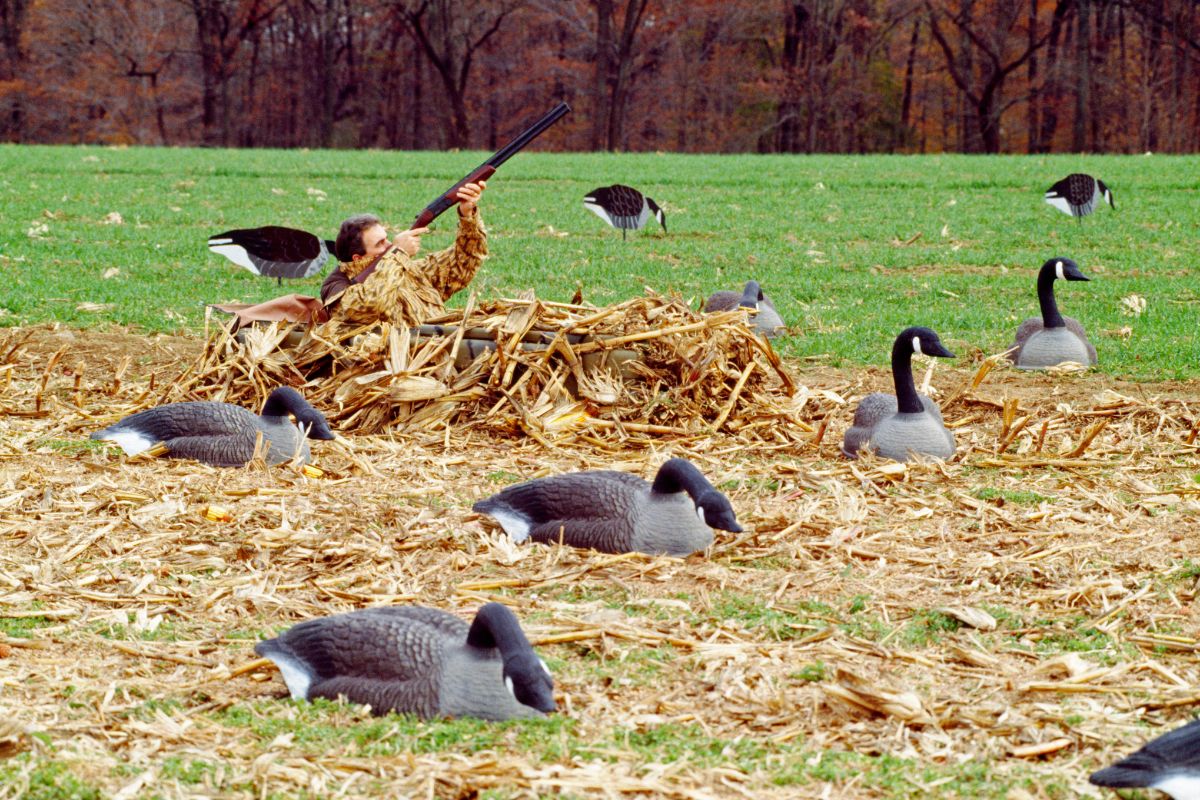
Spring Goose Hunting: Tips for a Successful Season
Spring goose hunting offers an exciting opportunity for waterfowl hunters
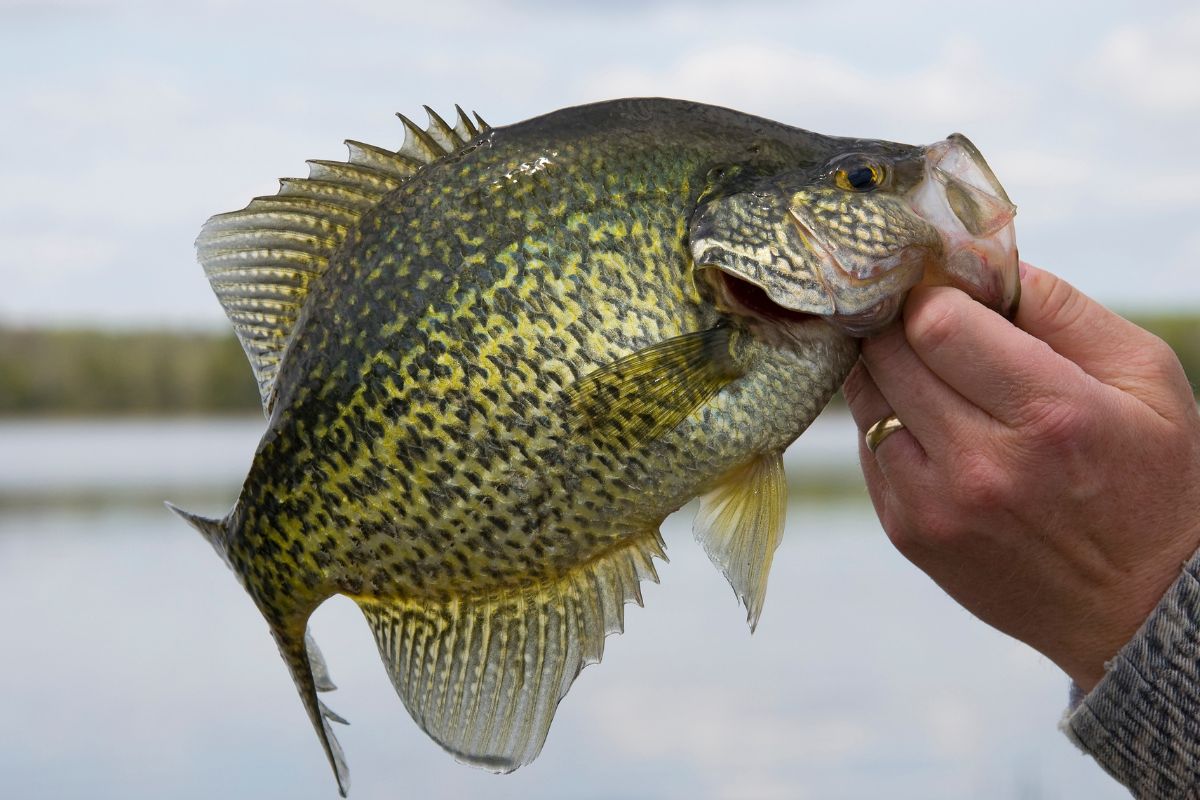
How to Fish Ice-Out Panfish
As winter fades and the ice recedes, anglers eagerly anticipate
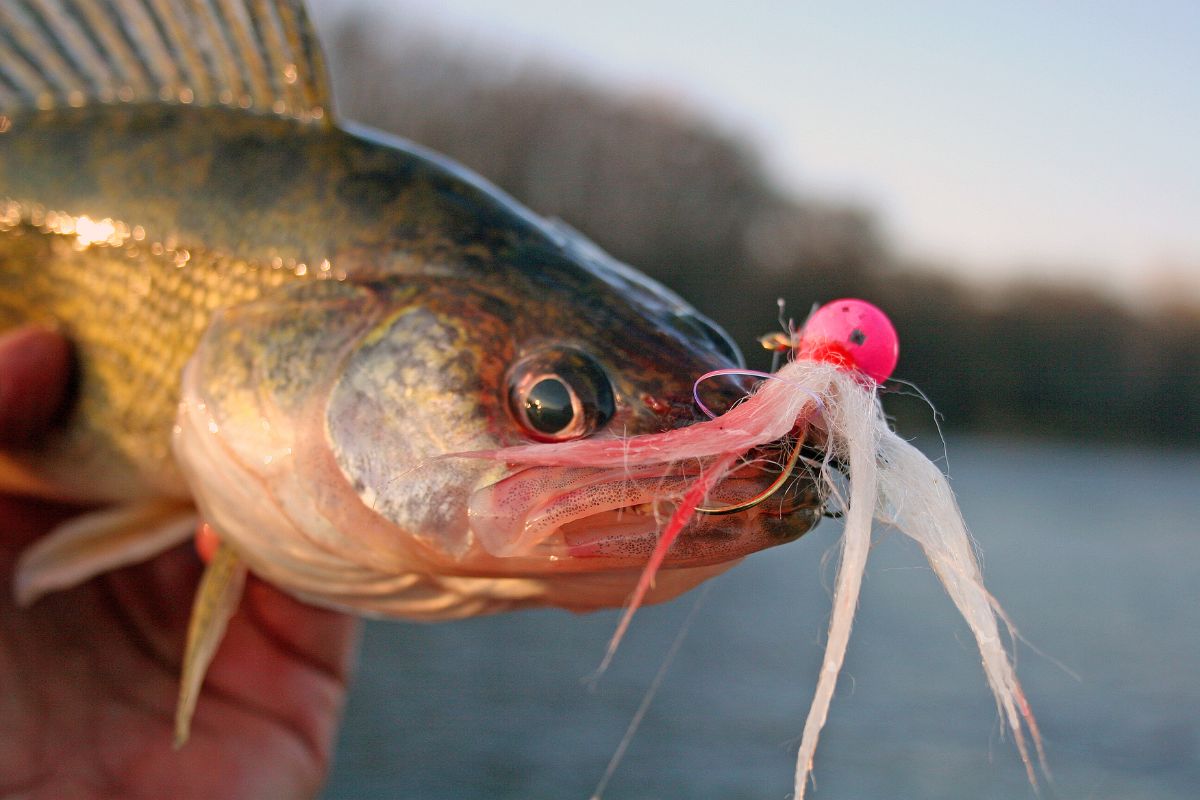
Best Baits for Catching Walleye On Opener
The excitement of fishing season opener brings anglers back to
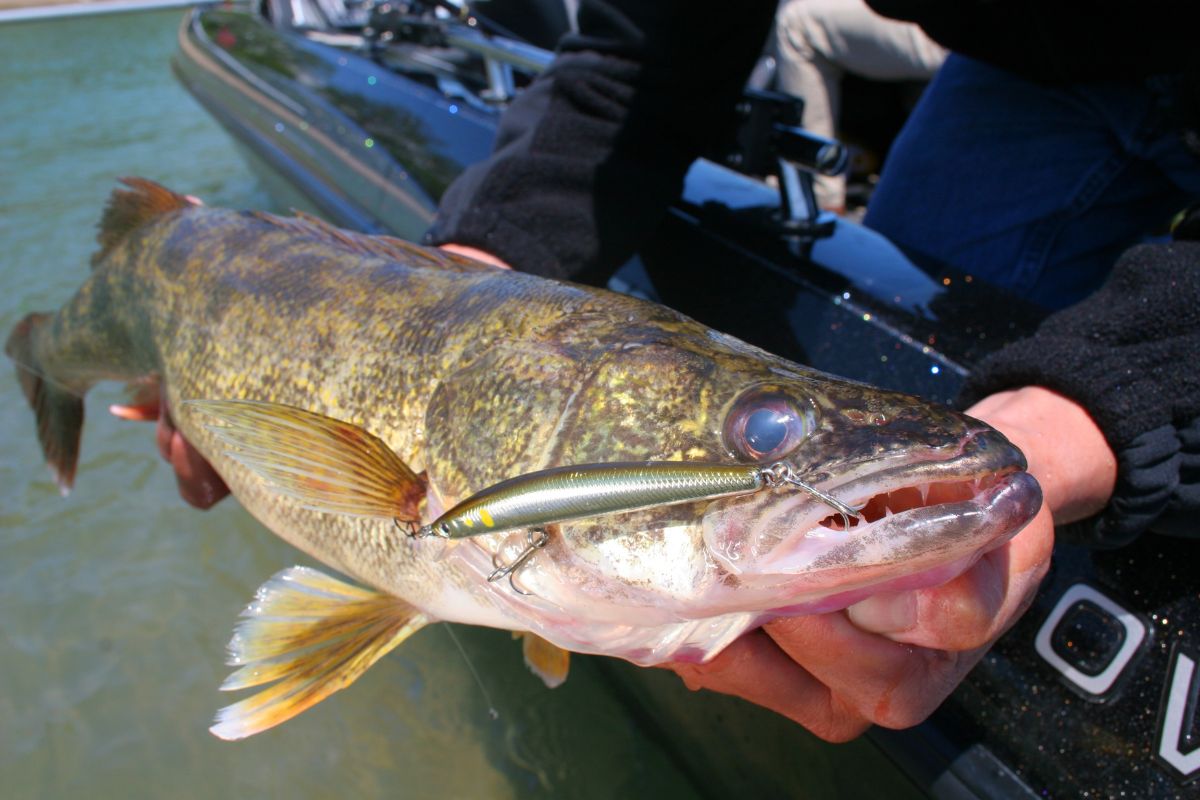
Top Walleye Fishing States in the U.S.
Walleye fishing is a passion for anglers across North America,
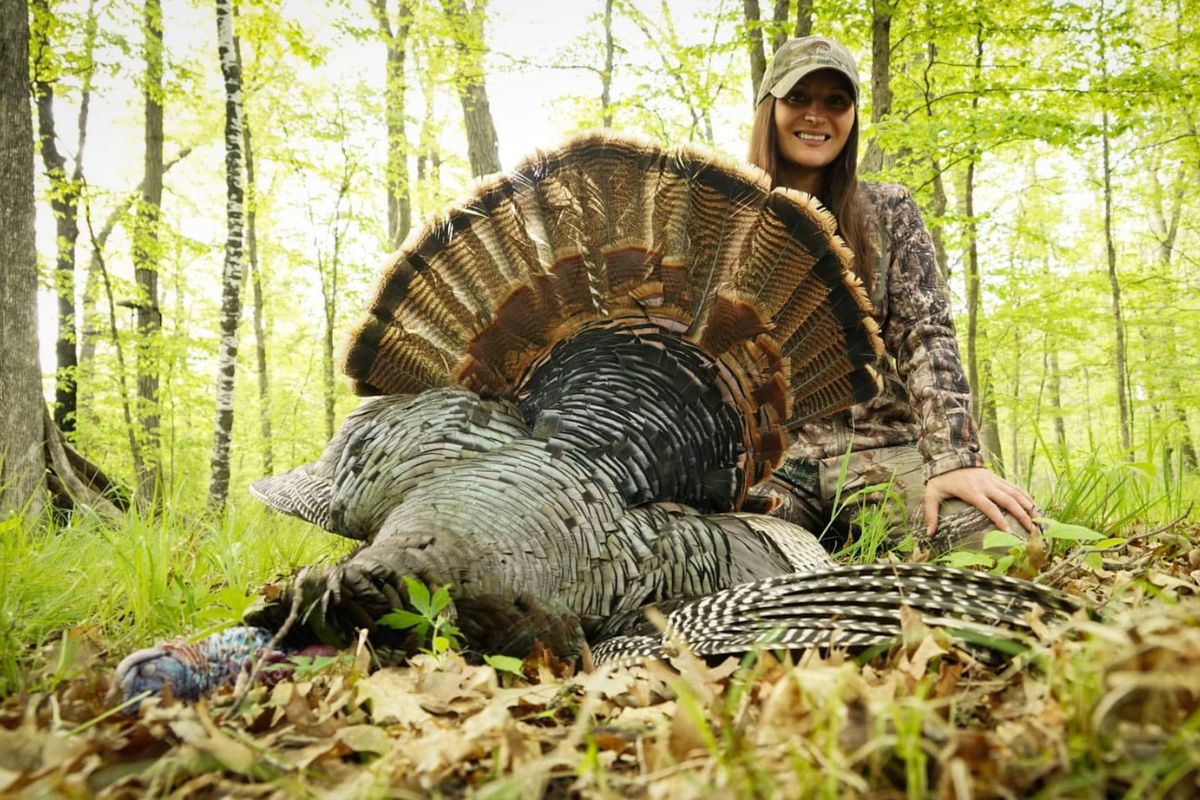
Spring Turkey Hunting: How to Find Your Target
Spring turkey hunting is an exciting challenge for hunters of
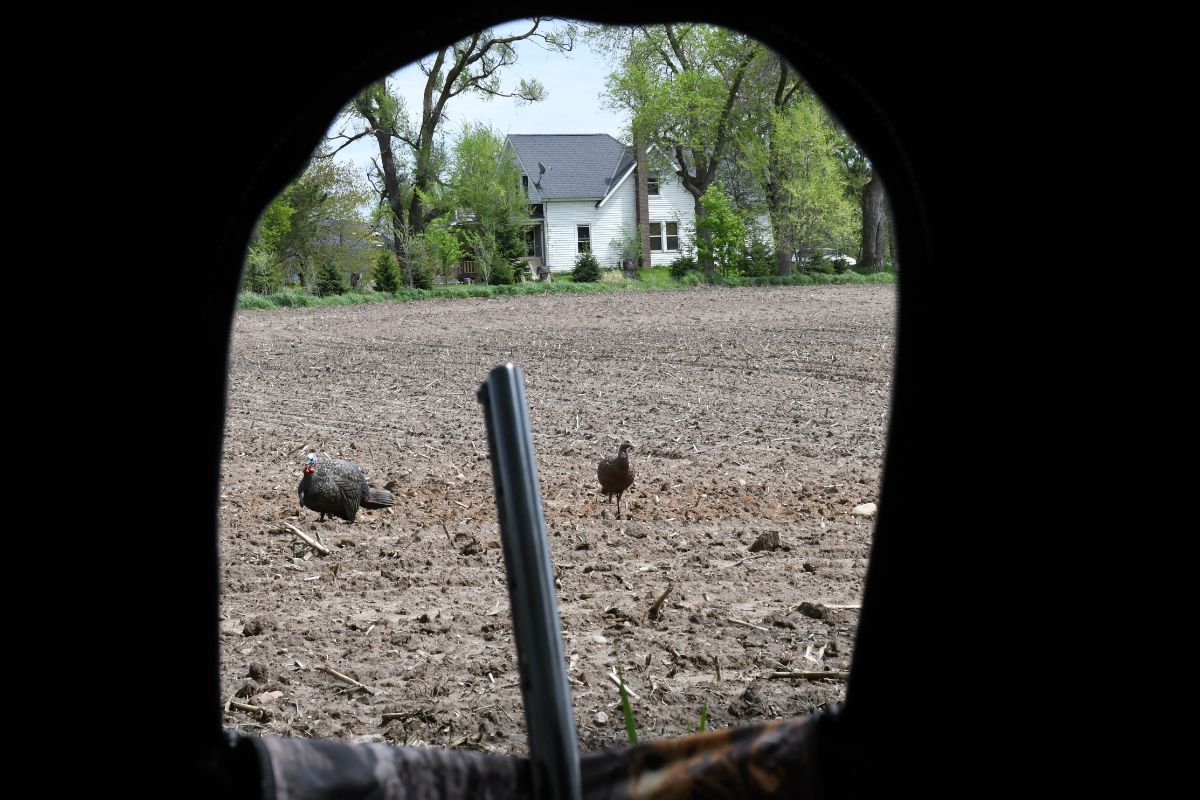
Essential Gear for Spring Turkey Hunting
Equipping yourself with the right gear can significantly impact your